English

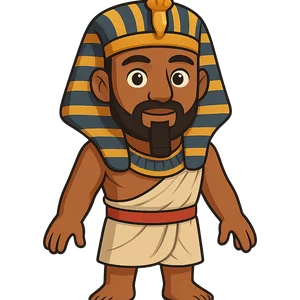
Menkaure
Menkaure was an ancient Egyptian pharaoh of the 4th dynasty during the Old Kingdom…
Reads at Grades 6–8 Listens at Grades 4–8
Print & create
Answer keys·No prep·Free with an account
28 worksheets · answer keys · full story · quiz · Ages 10-12 · CEFR B2
Plus adds 244,000+ more stories in 27 languages, audio for every one, and printables for all of them.
Just want Menkaure?
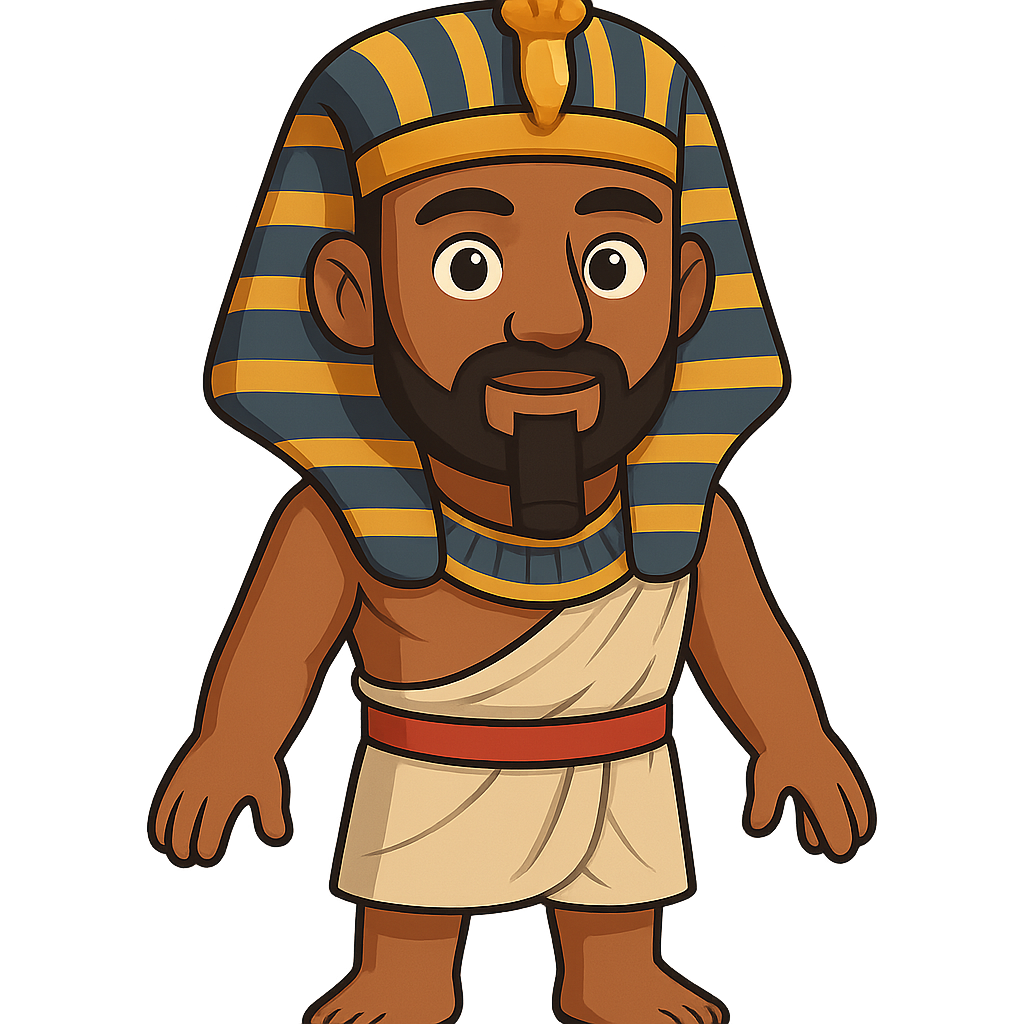
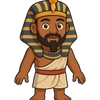
Greetings. My name is Menkaure, and my voice reaches you from across the sands of time. I was a pharaoh in ancient Egypt during the Fourth Dynasty, a period you now call the Old Kingdom. My life took place over 4,500 years ago, in a world built along the fertile banks of the great Nile River. Our capital city, Memphis, was the heart of a powerful kingdom. You may have heard of my family. My grandfather was the great Khufu, who commanded the construction of the Great Pyramid of Giza. My father, Khafre, followed him, building the second pyramid and the mysterious Great Sphinx that guards our sacred land. I was born into this legacy of monumental builders, destined to leave my own mark on the world.
From my earliest days as a prince, my life was a path of learning. I was taught to read and write the sacred hieroglyphs, the language of the gods. I studied mathematics to understand the precise angles needed for our grand buildings and the cycles of the sun and stars. Most importantly, I learned our religion, which shaped every part of our lives. We believed that our time on Earth was only one part of an eternal journey. Each person possessed a life-force, the 'ka', and a soul, the 'ba'. For our spirit to live on forever, we had to prepare a home for it in the afterlife. That is why building a tomb, a 'house for eternity,' was the most significant project a pharaoh could undertake.
Around the year 2530 BCE, I took my place on the throne as pharaoh. With this title came the sacred duty to uphold 'ma'at'—the fundamental order of the universe, which stood for truth, justice, and balance. While my father and grandfather were remembered for their immense power, stories were told that their reigns were harsh. I chose a different path. I wanted to be known as a just and pious ruler who cared for his people and honored the gods. I reopened temples that had been closed and worked to make life easier for the citizens of my kingdom. By my side ruled my wife, Queen Khamerernebty II, who shared in my duties and my vision for Egypt.
Menkaure: A Pharaoh's Story
Greetings. My name is Menkaure, and my voice reaches you from across the sands of time. I was a pharaoh in ancient Egypt during the Fourth Dynasty, a period you now call the Old Kingdom. My life took place over 4,500 years ago, in a world built along the fertile banks of the great Nile River. Our capital city, Memphis, was the heart of a powerful kingdom. You may have heard of my family. My grandfather was the great Khufu, who commanded the construction of the Great Pyramid of Giza. My father, Khafre, followed him, building the second pyramid and the mysterious Great Sphinx that guards our sacred land. I was born into this legacy of monumental builders, destined to leave my own mark on the world.
From my earliest days as a prince, my life was a path of learning. I was taught to read and write the sacred hieroglyphs, the language of the gods. I studied mathematics to understand the precise angles needed for our grand buildings and the cycles of the sun and stars. Most importantly, I learned our religion, which shaped every part of our lives. We believed that our time on Earth was only one part of an eternal journey. Each person possessed a life-force, the 'ka', and a soul, the 'ba'. For our spirit to live on forever, we had to prepare a home for it in the afterlife. That is why building a tomb, a 'house for eternity,' was the most significant project a pharaoh could undertake.
Around the year 2530 BCE, I took my place on the throne as pharaoh. With this title came the sacred duty to uphold 'ma'at'—the fundamental order of the universe, which stood for truth, justice, and balance. While my father and grandfather were remembered for their immense power, stories were told that their reigns were harsh. I chose a different path. I wanted to be known as a just and pious ruler who cared for his people and honored the gods. I reopened temples that had been closed and worked to make life easier for the citizens of my kingdom. By my side ruled my wife, Queen Khamerernebty II, who shared in my duties and my vision for Egypt.
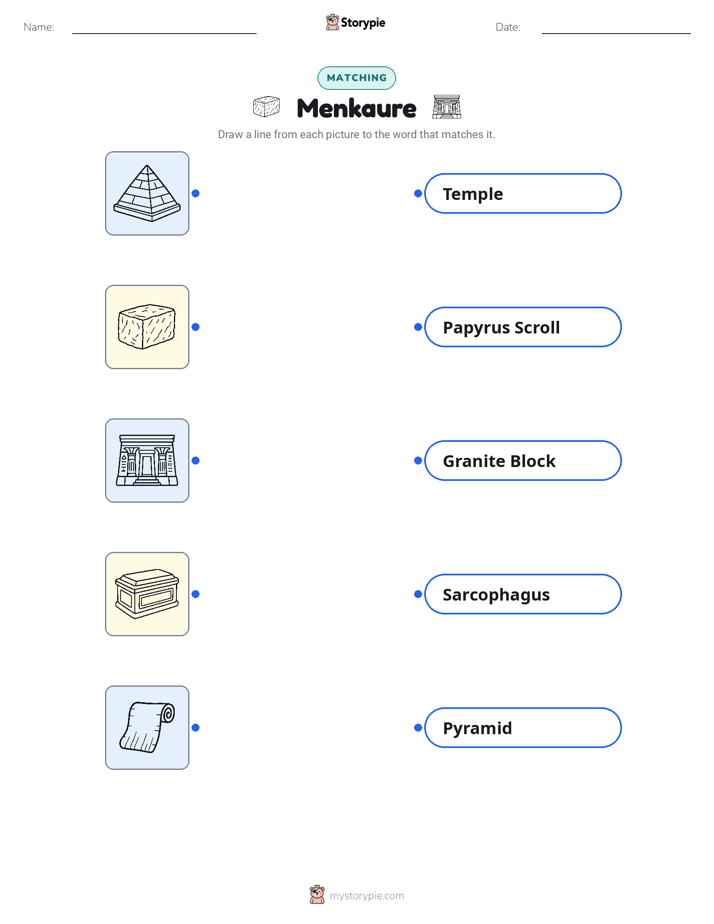
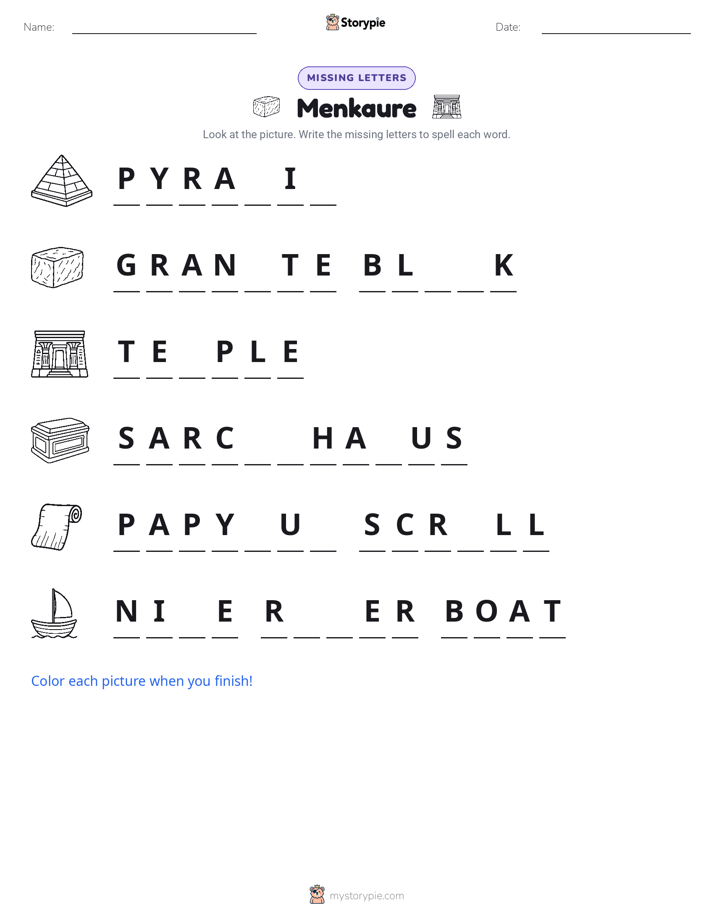
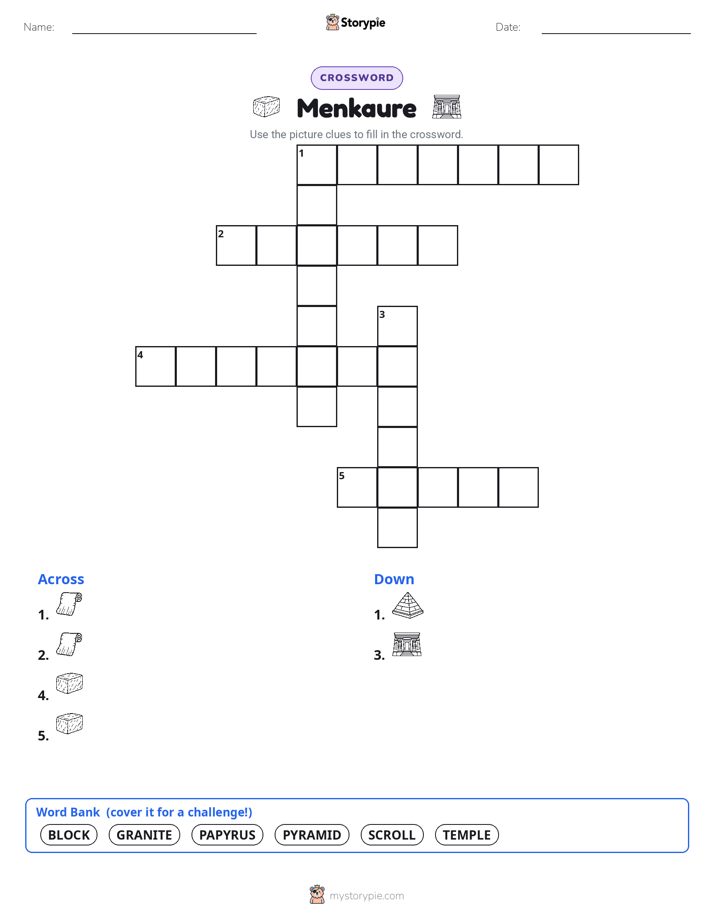
Like my ancestors, I began construction on my own pyramid at Giza. While it is the smallest of the three great pyramids, I chose to focus on artistry and the quality of its materials rather than sheer size. The lower levels of my pyramid were encased in massive blocks of red granite. This beautiful, hard stone had to be brought down the Nile all the way from the quarries in Aswan, a difficult and monumental task that required incredible skill and organization. It is important to me that you know the truth: my pyramid was not built by slaves. It was constructed by thousands of skilled Egyptian workers who took great pride in their craft. Inside my temples, beautiful statues were placed to honor my connection to the gods. Many of these statues showed me standing with the goddesses Hathor and Bat, who would protect me and ensure my eternal rebirth in the afterlife.
My reign as pharaoh lasted for about two decades, and my journey to the afterlife began around 2510 BCE. My pyramid complex was not yet fully finished at that time. My son and successor, Shepseskaf, honored my memory by completing the remaining temples for me. Today, I am remembered not for the size of my monument, but for the beauty and craftsmanship of the work. The intricate statues and the polished granite stand as a testament to the artisans of my time. I am also remembered as a pharaoh who ruled with piety. My pyramid still stands at Giza, a lasting symbol of my kingdom and our deep belief in a life that never truly ends.
Wow facts
About
Menkaure was an ancient Egyptian pharaoh of the 4th dynasty during the Old Kingdom, who is best known for building the third and smallest of the Pyramids of Giza.
Take a Quiz
Question 1 of 5
The story uses the term 'ma'at'. Based on the context, what does this concept mean?
Explore next


Want to do even more?
Go beyond exploring. Unlock tools that turn every story into real learning.

Storypie Plus for families
Full stories, quizzes, and printables. Nights and car rides, sorted.
- Unlimited audio stories
- Create Mode: your child stars in the story
- Offline downloads
- Printable worksheets & coloring pages

Why Storypie for Schools
Students engaged. Prep in seconds. Evenings back to you.
- Worksheets & Quizzes
- Classroom Management
- Formative Assessment
- Custom Curriculum & Lesson Plans
- 27 Languages

Why Storypie for Homeschool
Curriculum done. They'll ask for more. Hours back in your day.
- Worksheet Generator
- First-Person Audio Stories
- Built-in Comprehension Quizzes
- Custom Curriculum & Lesson Plans
- Print & Go Activities