English

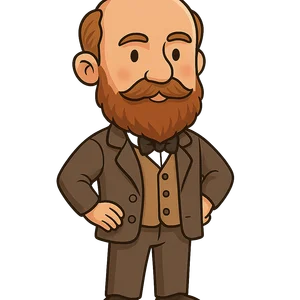
Otto Lilienthal
Otto Lilienthal was a German pioneer of aviation who was known as the "Father of Aviation" or "Father of…
Reads at Grades 3–5 Listens at Grades 1–5
Print & create
Answer keys·No prep·Free with an account
28 worksheets · answer keys · full story · quiz · Ages 8-10 · CEFR B1
Plus adds 164,000+ more stories in 27 languages, audio for every one, and printables for all of them.
Just want Otto Lilienthal?
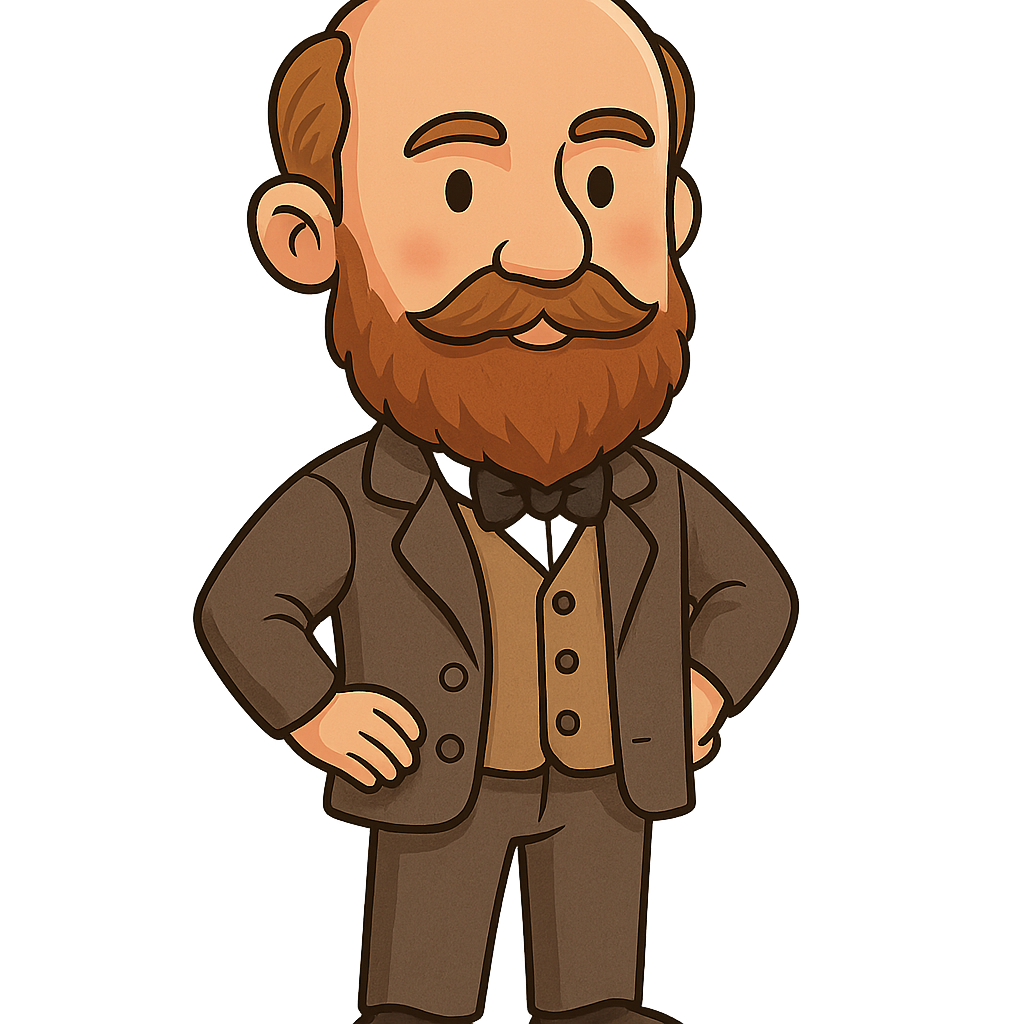
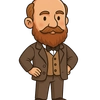
Hello, my name is Otto Lilienthal, and I am known as one of the very first people to truly fly. My story begins on May 23rd, 1848, in a town called Anklam in Germany. When I was a boy, my younger brother, Gustav, and I were completely captivated by birds, especially the large storks that nested near our home. We would spend countless hours just watching them, trying to understand the magic of their flight. How did they soar so gracefully on the wind? We were determined to figure out their secrets. We believed that if a bird could fly, then so could a person. Our dreams were filled with the idea of soaring through the sky, so we even started building our own sets of wings out of wood and fabric, hoping that one day we could launch ourselves into the air just like the birds we admired so much.
As I grew older, my childhood hobby of watching birds turned into a serious passion and a scientific study. Around the year 1864, I went to a technical academy to become an engineer, which is a person who designs and builds complex things. I learned all about physics, the science of how things move, and how machines work. I used this knowledge to carefully study the wings of birds. I discovered that a bird's wing isn't flat; it has a special curved shape. This curve is the secret to creating something called lift, the force that pushes things upward and allows them to fly. To share my discoveries with the world, I wrote a book in 1889 called 'Birdflight as the Basis of Aviation'. I also started my own company that made engines and other machines, which helped me earn the money I needed to build my real flying machines.
Otto Lilienthal: The Glider King
Hello, my name is Otto Lilienthal, and I am known as one of the very first people to truly fly. My story begins on May 23rd, 1848, in a town called Anklam in Germany. When I was a boy, my younger brother, Gustav, and I were completely captivated by birds, especially the large storks that nested near our home. We would spend countless hours just watching them, trying to understand the magic of their flight. How did they soar so gracefully on the wind? We were determined to figure out their secrets. We believed that if a bird could fly, then so could a person. Our dreams were filled with the idea of soaring through the sky, so we even started building our own sets of wings out of wood and fabric, hoping that one day we could launch ourselves into the air just like the birds we admired so much.
As I grew older, my childhood hobby of watching birds turned into a serious passion and a scientific study. Around the year 1864, I went to a technical academy to become an engineer, which is a person who designs and builds complex things. I learned all about physics, the science of how things move, and how machines work. I used this knowledge to carefully study the wings of birds. I discovered that a bird's wing isn't flat; it has a special curved shape. This curve is the secret to creating something called lift, the force that pushes things upward and allows them to fly. To share my discoveries with the world, I wrote a book in 1889 called 'Birdflight as the Basis of Aviation'. I also started my own company that made engines and other machines, which helped me earn the money I needed to build my real flying machines.
After years of studying and planning, the moment finally came in 1891 when I made my very first successful flights. I didn't have an engine; my flying machines were gliders. A glider is a very light aircraft that flies without an engine, using air currents to stay afloat. To take off, I had to run as fast as I could down a hill and jump into the wind. The feeling of the ground dropping away and soaring silently through the air was the most exciting thing I had ever experienced. I was constantly working to make my designs better and safer, and over the years, I built 18 different types of gliders. To make practicing easier, I even built my own special hill in 1894 called the 'Fliegeberg', which means 'Fly Hill'. From this hill and others, I eventually made over 2,000 successful flights, proving that human flight was possible.
What I was doing was brand new, and exploring new things can sometimes be dangerous. I was flying in ways no one had ever done before, and I knew there were risks. On August 9th, 1896, I was gliding as I had done thousands of times before. Suddenly, a strong and unexpected gust of wind hit my glider. The wind pushed the nose of my glider up too high, causing it to stall, which means it stopped flying through the air. I fell from about 50 feet up in the sky. I was badly hurt in the fall, and my flying days were over.
I lived to be 48 years old. Even though my own flying ended that day, my work had already changed the world. My many successful flights proved to everyone that humans could build wings that would carry them through the air. The photographs of me soaring in my gliders and all the research I published inspired other inventors to follow in my footsteps. Two of those inventors were the Wright brothers, who studied my work carefully. My discoveries helped their own dream of flight take wing, leading them to build the world's first successful airplane just a few years later.
Wow facts
About
Otto Lilienthal was a German pioneer of aviation who was known as the "Father of Aviation" or "Father of Flight." He was the first person to make well-documented, repeated, successful gliding flights, proving that heavier-than-air flight was possible.
Take a Quiz
Question 1 of 5
In 1889, I wrote a book with the word 'aviation' in the title. What does the word 'aviation' mean?
Explore next





Want to do even more?
Go beyond exploring. Unlock tools that turn every story into real learning.

Storypie Plus for families
Full stories, quizzes, and printables. Nights and car rides, sorted.
- Unlimited audio stories
- Create Mode: your child stars in the story
- Offline downloads
- Printable worksheets & coloring pages

Why Storypie for Schools
Students engaged. Prep in seconds. Evenings back to you.
- Worksheets & Quizzes
- Classroom Management
- Formative Assessment
- Custom Curriculum & Lesson Plans
- 27 Languages

Why Storypie for Homeschool
Curriculum done. They'll ask for more. Hours back in your day.
- Worksheet Generator
- First-Person Audio Stories
- Built-in Comprehension Quizzes
- Custom Curriculum & Lesson Plans
- Print & Go Activities