English

Paul Cézanne
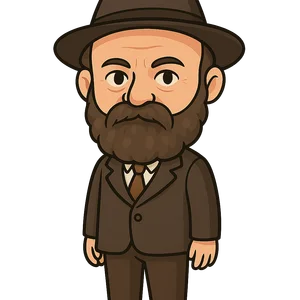
Paul Cézanne was a French Post-Impressionist painter whose work laid the foundations for the transition to…
Reads at Grades 3–5 Listens at Grades 1–5
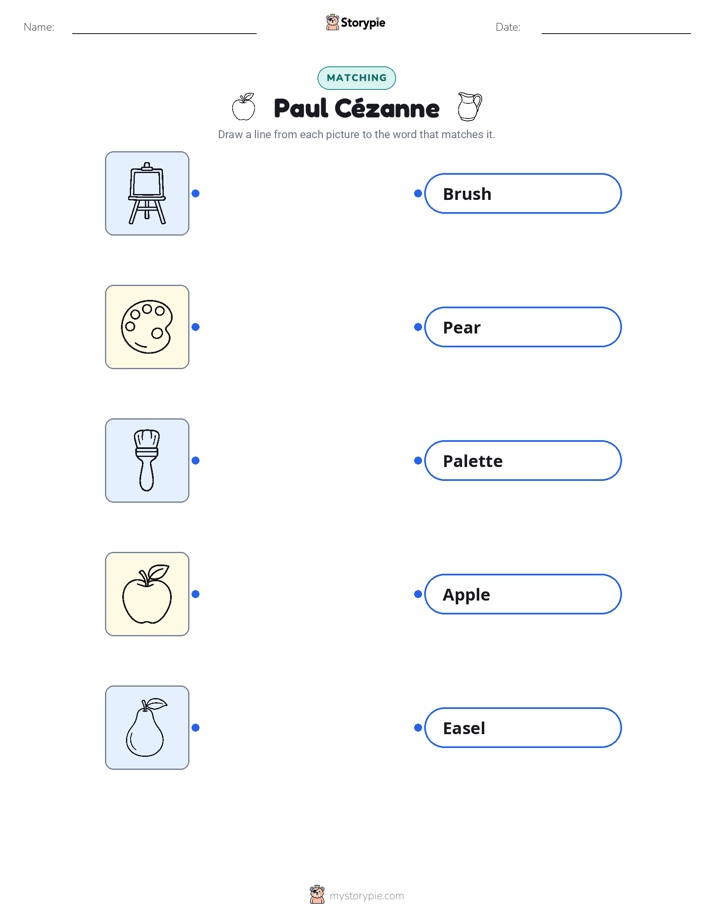
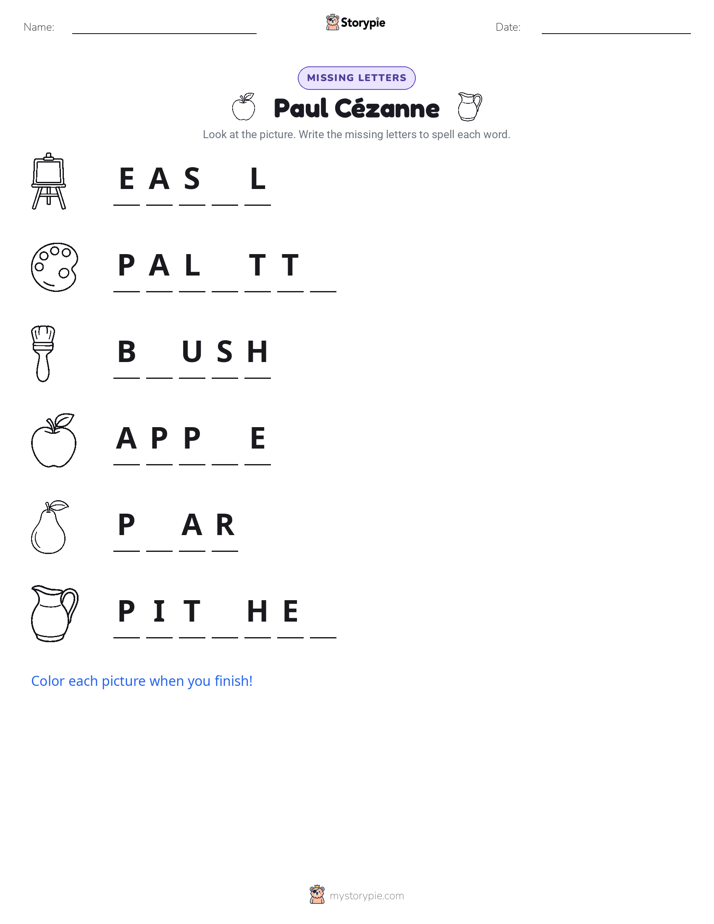
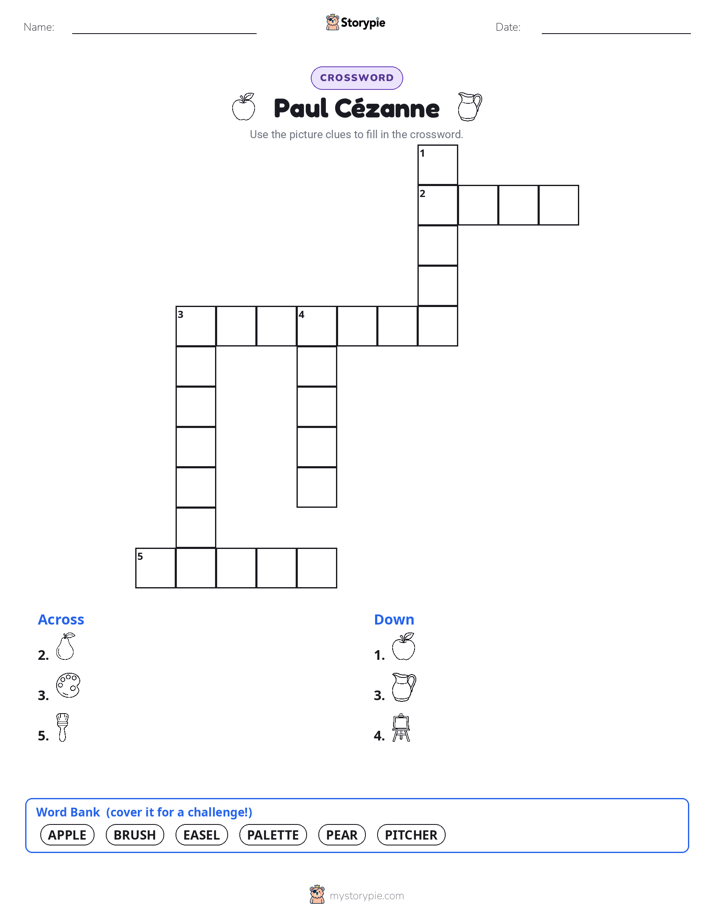
Print & create
Answer keys·No prep·Free with an account
28 worksheets · answer keys · full story · quiz · Ages 8-10 · CEFR B1
Plus adds 208,000+ more stories in 27 languages, audio for every one, and printables for all of them.
Just want Paul Cézanne?
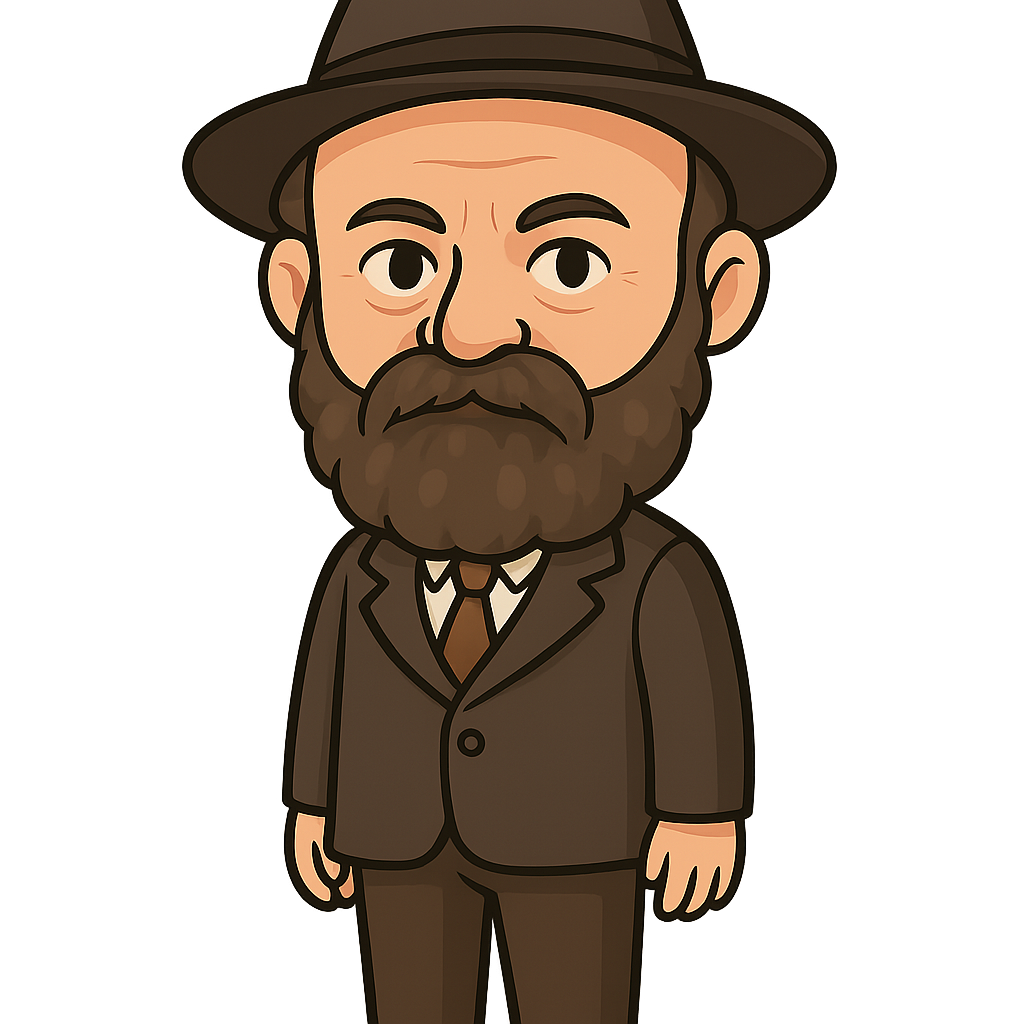
Hello! My name is Paul Cézanne, and I am a painter. My story begins in a sunny town in the south of France called Aix-en-Provence, where I was born on January 19th, 1839. As a boy, I loved roaming the countryside with my best friend, Émile Zola, who grew up to be a famous writer. We would explore the hills and fields, and I was always drawing what I saw. My father was a successful banker and had a different plan for me. He wanted me to become a lawyer, so I even went to law school for a little while to please him. But my heart wasn't in it. I knew my true passion was for art, and all I wanted to do was paint and draw.
In 1861, I finally convinced my father to let me move to Paris to study art. The city was so alive and buzzing with new ideas! I met many other painters there who called themselves the Impressionists. My good friend and teacher, Camille Pissarro, was one of them. They loved to paint outdoors, trying to capture the feeling of a moment and the way light changed everything. I learned a lot from them and even showed some of my paintings at their very first exhibition in 1874. However, many people didn't understand my style. The official art shows in Paris, called the Salon, often rejected my work. It was very discouraging to see my paintings turned away time after time.
After a while, I realized that I didn't want to paint exactly like the Impressionists or anyone else. I wanted to create something more solid and lasting in my art, something that felt as real and sturdy as the world around me. I moved back to my quiet life in Aix-en-Provence and began to experiment. I developed a new idea: that you could see everything in nature as simple shapes, like cylinders, spheres, and cones. I painted the same subjects over and over again to understand them better. I painted many still lifes with bowls of fruit, especially apples, and I painted the beautiful Mont Sainte-Victoire, a mountain I could see from my window, countless times. I used thick, deliberate patches of color to build up my paintings, making them feel heavy and real.
Paul Cézanne: The Father of Modern Art
Hello! My name is Paul Cézanne, and I am a painter. My story begins in a sunny town in the south of France called Aix-en-Provence, where I was born on January 19th, 1839. As a boy, I loved roaming the countryside with my best friend, Émile Zola, who grew up to be a famous writer. We would explore the hills and fields, and I was always drawing what I saw. My father was a successful banker and had a different plan for me. He wanted me to become a lawyer, so I even went to law school for a little while to please him. But my heart wasn't in it. I knew my true passion was for art, and all I wanted to do was paint and draw.
In 1861, I finally convinced my father to let me move to Paris to study art. The city was so alive and buzzing with new ideas! I met many other painters there who called themselves the Impressionists. My good friend and teacher, Camille Pissarro, was one of them. They loved to paint outdoors, trying to capture the feeling of a moment and the way light changed everything. I learned a lot from them and even showed some of my paintings at their very first exhibition in 1874. However, many people didn't understand my style. The official art shows in Paris, called the Salon, often rejected my work. It was very discouraging to see my paintings turned away time after time.
After a while, I realized that I didn't want to paint exactly like the Impressionists or anyone else. I wanted to create something more solid and lasting in my art, something that felt as real and sturdy as the world around me. I moved back to my quiet life in Aix-en-Provence and began to experiment. I developed a new idea: that you could see everything in nature as simple shapes, like cylinders, spheres, and cones. I painted the same subjects over and over again to understand them better. I painted many still lifes with bowls of fruit, especially apples, and I painted the beautiful Mont Sainte-Victoire, a mountain I could see from my window, countless times. I used thick, deliberate patches of color to build up my paintings, making them feel heavy and real.
For many years, I worked mostly alone, and very few people were interested in buying my paintings. I didn't let that stop me, because I truly loved the work I was doing. Then, something wonderful happened that changed everything. In 1895, a young and clever art dealer in Paris named Ambroise Vollard decided to give me my very first solo art show. For the first time, people could see a large collection of my work all in one place. Suddenly, younger artists started to pay attention. They were amazed by how I used bold colors and simple shapes to build my pictures. Famous artists who came after me, like Pablo Picasso and Henri Matisse, said that my work showed them a brand new way to think about painting.
I continued painting for the rest of my life, always exploring and learning new things about color, light, and form. I lived to be 67 years old. Even though I was not very famous for most of my life, my ideas ended up changing art forever. The way I broke down objects into their basic shapes helped inspire a whole new art movement called Cubism. Today, people often call me the 'Father of Modern Art.' My paintings of apples and mountains are now in museums all over the world, reminding everyone to look closely and find the beauty in the simple shapes and colors that are all around us.
Wow facts
About
Paul Cézanne was a French Post-Impressionist painter whose work laid the foundations for the transition to modern art in the 20th century, profoundly influencing movements like Cubism.
Take a Quiz
Question 1 of 5
Why was Paul Cézanne's first solo show in 1895 so important for his career?
Explore next



Want to do even more?
Go beyond exploring. Unlock tools that turn every story into real learning.

Storypie Plus for families
Full stories, quizzes, and printables. Nights and car rides, sorted.
- Unlimited audio stories
- Create Mode: your child stars in the story
- Offline downloads
- Printable worksheets & coloring pages

Why Storypie for Schools
Students engaged. Prep in seconds. Evenings back to you.
- Worksheets & Quizzes
- Classroom Management
- Formative Assessment
- Custom Curriculum & Lesson Plans
- 27 Languages

Why Storypie for Homeschool
Curriculum done. They'll ask for more. Hours back in your day.
- Worksheet Generator
- First-Person Audio Stories
- Built-in Comprehension Quizzes
- Custom Curriculum & Lesson Plans
- Print & Go Activities