English

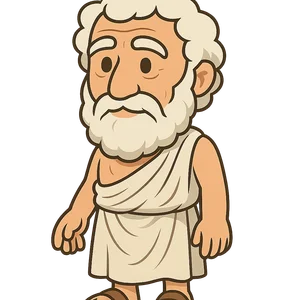
Solon
Solon was an Athenian statesman, lawmaker, and poet who lived in the early 6th century BCE.
Reads at Grades 6–8 Listens at Grades 4–8
Print & create
Answer keys·No prep·Free with an account
28 worksheets · answer keys · full story · quiz · Ages 10-12 · CEFR B2
Plus adds 244,000+ more stories in 27 languages, audio for every one, and printables for all of them.
Just want Solon?
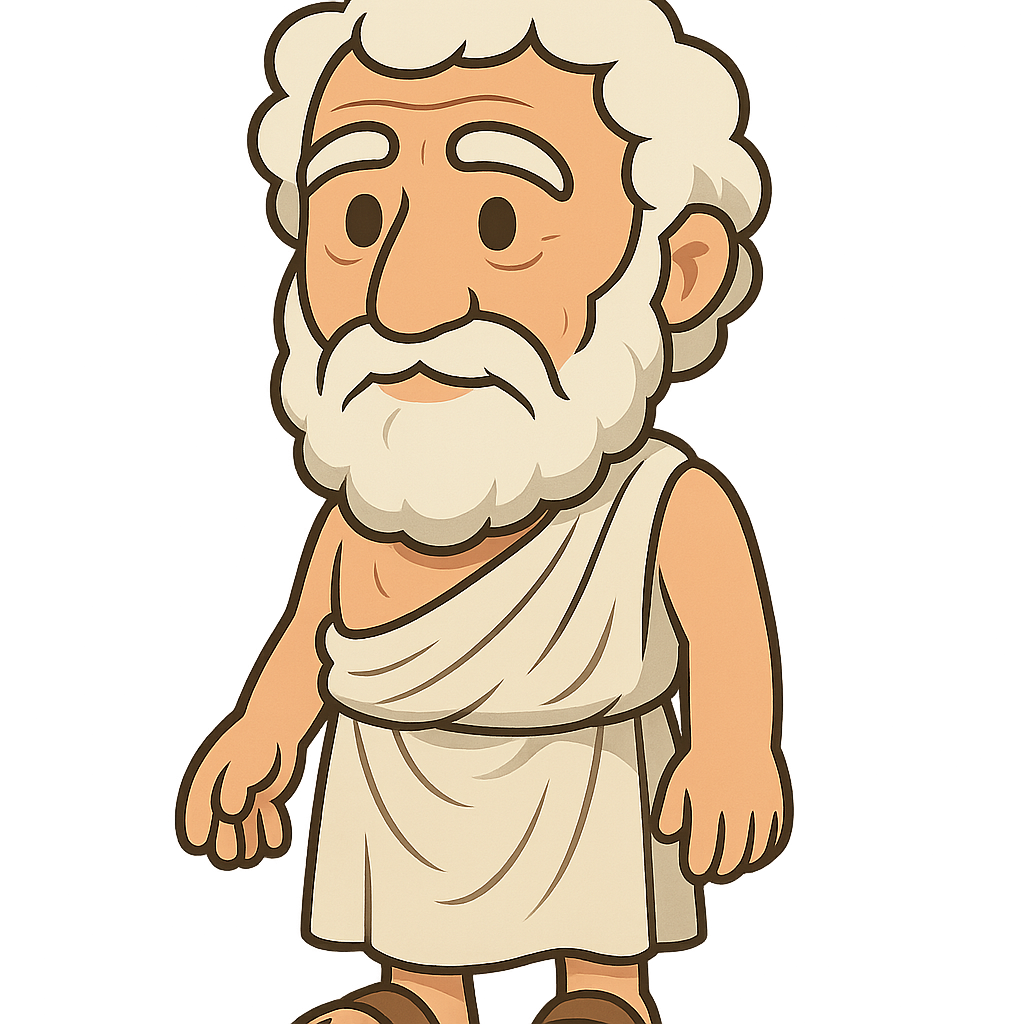
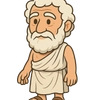
Hello! My name is Solon. I was born in the great city of Athens around the year 630 BCE. In my time, Athens was a city of beauty and ideas, but it was also a city in turmoil. The rich were growing richer, while many poor farmers were losing their land and even being forced into slavery to pay their debts. I came from a noble family, but my heart ached for the injustice I saw all around me. I spent time traveling as a merchant and also wrote poetry. I didn't just write about myths and gods; I used my poems to describe the real problems our city faced, hoping my words could inspire change and bring people together.
As the years passed, the anger between the wealthy and the poor grew so intense that it felt like our city would tear itself apart in a civil war. The people of Athens desperately needed someone who could find a middle path and heal the city's deep wounds before it was too late. In the year 594 BCE, the citizens turned to me for leadership. I was elected archon, which is like being a chief ruler, and they gave me the special authority to rewrite the laws of our city. It was a tremendous responsibility, as everyone, from the richest aristocrat to the poorest farmer, was counting on me to save Athens from itself.
My first and most important task was to address the crisis of debt that was crushing so many of our citizens. I created a set of laws that came to be known as the 'Seisachtheia,' a word that means 'the shaking-off of burdens.' With one bold act, I canceled all outstanding debts throughout Athens. I also created a law that made it illegal for any Athenian to be forced into slavery simply because they couldn't pay what they owed. I even worked to find and bring back citizens who had been sold into slavery in foreign lands. This was a radical idea, and it certainly angered some of the wealthy who lost money, but it was a necessary step to give the people of Athens a fresh start.
Solon of Athens
Hello! My name is Solon. I was born in the great city of Athens around the year 630 BCE. In my time, Athens was a city of beauty and ideas, but it was also a city in turmoil. The rich were growing richer, while many poor farmers were losing their land and even being forced into slavery to pay their debts. I came from a noble family, but my heart ached for the injustice I saw all around me. I spent time traveling as a merchant and also wrote poetry. I didn't just write about myths and gods; I used my poems to describe the real problems our city faced, hoping my words could inspire change and bring people together.
As the years passed, the anger between the wealthy and the poor grew so intense that it felt like our city would tear itself apart in a civil war. The people of Athens desperately needed someone who could find a middle path and heal the city's deep wounds before it was too late. In the year 594 BCE, the citizens turned to me for leadership. I was elected archon, which is like being a chief ruler, and they gave me the special authority to rewrite the laws of our city. It was a tremendous responsibility, as everyone, from the richest aristocrat to the poorest farmer, was counting on me to save Athens from itself.
My first and most important task was to address the crisis of debt that was crushing so many of our citizens. I created a set of laws that came to be known as the 'Seisachtheia,' a word that means 'the shaking-off of burdens.' With one bold act, I canceled all outstanding debts throughout Athens. I also created a law that made it illegal for any Athenian to be forced into slavery simply because they couldn't pay what they owed. I even worked to find and bring back citizens who had been sold into slavery in foreign lands. This was a radical idea, and it certainly angered some of the wealthy who lost money, but it was a necessary step to give the people of Athens a fresh start.
Freeing people from the chains of debt was only the beginning of my work. I knew that to prevent such problems from happening again, we needed a new system of government that was fairer to everyone. I created four new classes of citizens, but unlike the old system, these classes were based on a person's wealth and farm production, not just their noble birth. This was a major change. For the first time, even the poorest citizens, who were called thetes, were given the right to participate in the public assembly and to serve on juries. This reform gave every man a voice in our city's future and planted the seeds of what would later blossom into democracy.
After I established my new laws, I knew it would be tempting for people to try and change them right away. To prevent this, I made the Athenians swear a solemn oath that they would follow my laws for ten years without making any changes. To ensure they kept their promise, and to avoid being pressured to alter the laws myself, I decided to leave Athens for that entire time. I traveled the ancient world, visiting the wise priests of Egypt and the magnificent kingdom of Lydia. It was in Lydia that I met the incredibly wealthy King Croesus. I taught him a valuable lesson: that no person can be called truly happy until their life has ended, because a person's fortune can change in an instant.
When I returned to Athens, the city was more stable, though new political challenges were already beginning to rise. I lived to be about 70 years old, and my life came to an end around the year 560 BCE. I am remembered today as one of the Seven Sages of Ancient Greece. My laws were not perfect, and they did not solve all of Athens' problems forever. However, they saved our city from collapse and created a foundation of justice and citizen participation. The great idea of democracy, which my city later gave to the world, grew from the seeds I planted so long ago.
Wow facts
About
Solon was an Athenian statesman, lawmaker, and poet who lived in the early 6th century BCE. He is remembered for his laws that reformed Athens, laying the foundations for democracy by addressing economic inequality and political rights.
Take a Quiz
Question 1 of 5
What was the main purpose of Solon's laws known as the 'Seisachtheia'?
Explore next




Want to do even more?
Go beyond exploring. Unlock tools that turn every story into real learning.

Storypie Plus for families
Full stories, quizzes, and printables. Nights and car rides, sorted.
- Unlimited audio stories
- Create Mode: your child stars in the story
- Offline downloads
- Printable worksheets & coloring pages

Why Storypie for Schools
Students engaged. Prep in seconds. Evenings back to you.
- Worksheets & Quizzes
- Classroom Management
- Formative Assessment
- Custom Curriculum & Lesson Plans
- 27 Languages

Why Storypie for Homeschool
Curriculum done. They'll ask for more. Hours back in your day.
- Worksheet Generator
- First-Person Audio Stories
- Built-in Comprehension Quizzes
- Custom Curriculum & Lesson Plans
- Print & Go Activities