English

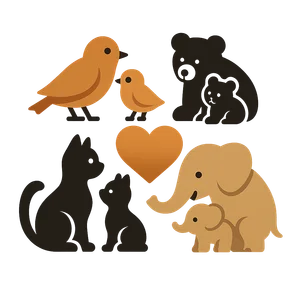
Baby Animals and Their Parents
The biological and behavioral relationship between animal parents and their offspring…
Reads at Grades K-2 Listens at K–3
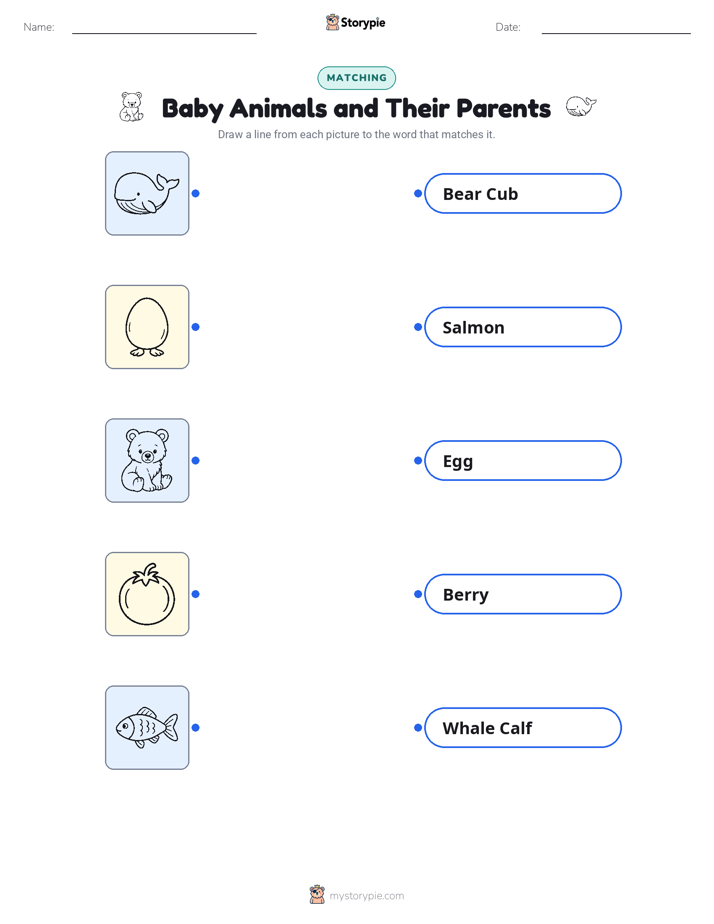
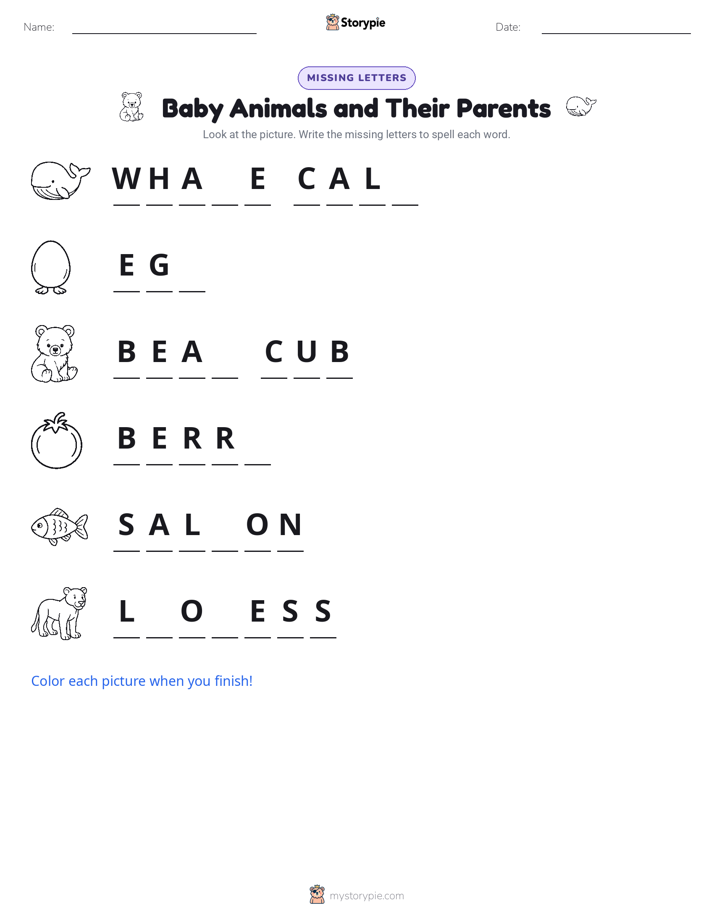
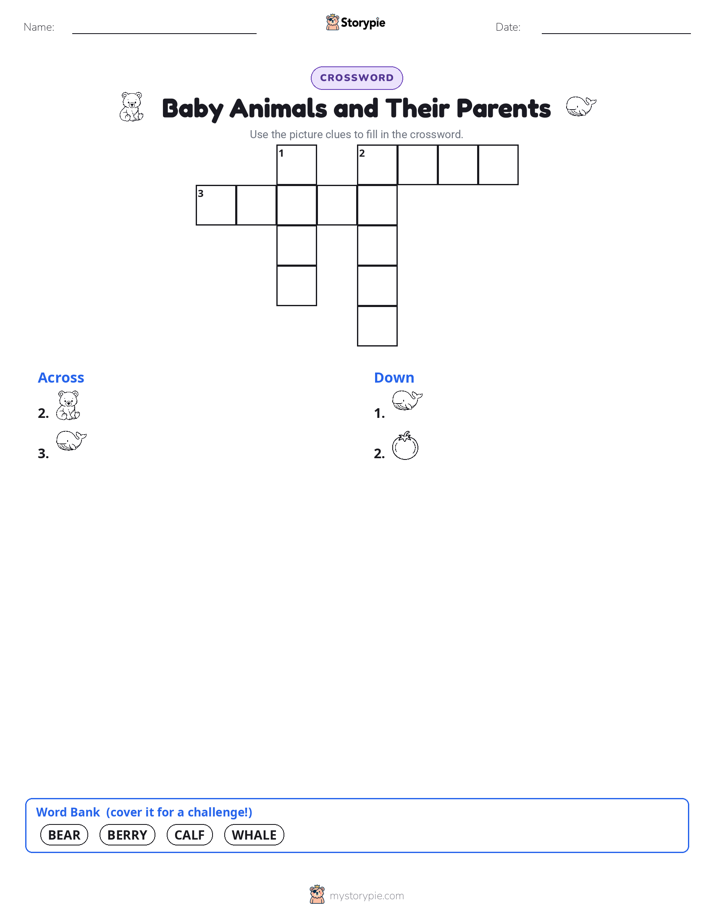
Print & create
Answer keys·No prep·Free with an account
28 worksheets · answer keys · full story · quiz · Ages 6-8 · CEFR A2
Plus adds 244,000+ more stories in 27 languages, audio for every one, and printables for all of them.
Just want Baby Animals and Their Parents?
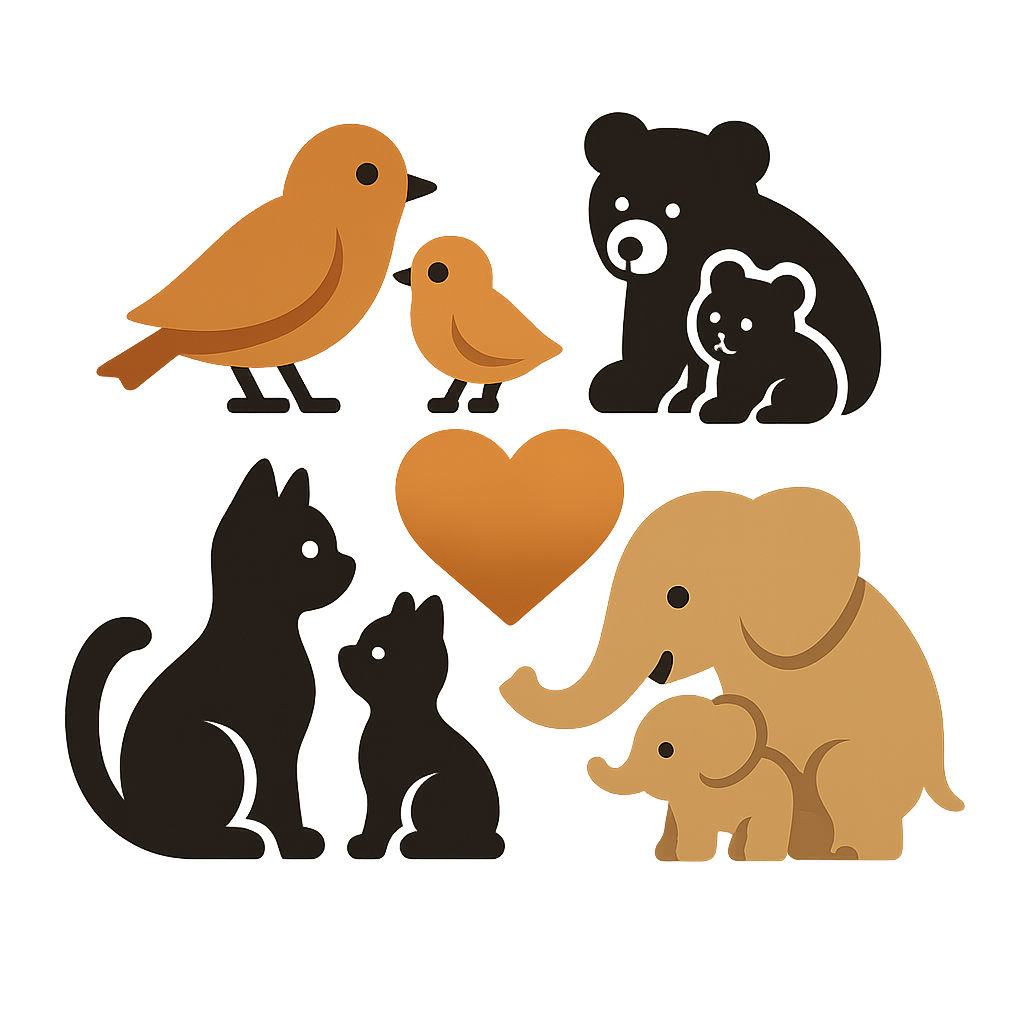
Imagine being tucked in somewhere warm and soft, listening to a gentle thump-thump-thump. Or maybe you hear a tiny pecking sound as you try to break free from a smooth, white shell. When you finally open your eyes, you feel a little wobbly on your new legs, but you are not scared. You feel a warm nuzzle or hear a soft chirp that tells you everything is okay. I am that safe feeling. I am the invisible string that ties you to your parent, helping you know who to follow and who will teach you how to find food and stay safe. I am the special bond between Baby Animals and Their Parents, and I have been here since the very first animal family.
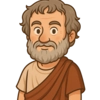
For a long, long time, people have watched me work my magic. Way back, around 10,000 BCE, when people first started living with animals, they saw me. They noticed how a mother dog licked her puppies clean and how a mother sheep kept her lambs close to protect them from danger. They didn't have a special name for me, but they knew I was important. Thousands of years later, a very smart man in Ancient Greece named Aristotle, who lived in the 4th century BCE, spent hours just watching animals. He was one of the first people to ever write down his observations, describing how different animal parents cared for their babies. He wrote about birds building nests and fish guarding their eggs. Then, much more recently, in the 1930s, a kind scientist named Konrad Lorenz became very curious about me. He wanted to understand exactly how I worked with birds. He did a famous experiment with geese and ducklings. He discovered that when they hatch, they follow the very first moving thing they see. This is called imprinting. Usually, that first thing is their mother, but sometimes, it was Konrad himself. Little ducklings would follow him in a line wherever he went, just as if he were their parent. This showed everyone how powerful I am, starting from the very first moment of life.
The First Follow
Imagine being tucked in somewhere warm and soft, listening to a gentle thump-thump-thump. Or maybe you hear a tiny pecking sound as you try to break free from a smooth, white shell. When you finally open your eyes, you feel a little wobbly on your new legs, but you are not scared. You feel a warm nuzzle or hear a soft chirp that tells you everything is okay. I am that safe feeling. I am the invisible string that ties you to your parent, helping you know who to follow and who will teach you how to find food and stay safe. I am the special bond between Baby Animals and Their Parents, and I have been here since the very first animal family.
For a long, long time, people have watched me work my magic. Way back, around 10,000 BCE, when people first started living with animals, they saw me. They noticed how a mother dog licked her puppies clean and how a mother sheep kept her lambs close to protect them from danger. They didn't have a special name for me, but they knew I was important. Thousands of years later, a very smart man in Ancient Greece named Aristotle, who lived in the 4th century BCE, spent hours just watching animals. He was one of the first people to ever write down his observations, describing how different animal parents cared for their babies. He wrote about birds building nests and fish guarding their eggs. Then, much more recently, in the 1930s, a kind scientist named Konrad Lorenz became very curious about me. He wanted to understand exactly how I worked with birds. He did a famous experiment with geese and ducklings. He discovered that when they hatch, they follow the very first moving thing they see. This is called imprinting. Usually, that first thing is their mother, but sometimes, it was Konrad himself. Little ducklings would follow him in a line wherever he went, just as if he were their parent. This showed everyone how powerful I am, starting from the very first moment of life.
Understanding me is more important than ever. Because people like Konrad Lorenz studied me, scientists today know how to help animal families in the wild. If a baby animal gets lost, they know how important it is to help it find its family. Zookeepers use this knowledge to make sure that animal parents and babies in the zoo are happy, healthy, and feel safe together. It even helps you understand your own pets, like why a kitten follows its mother or why your puppy loves to cuddle with you. I am a forever family feeling, a beautiful connection that is part of life all over the world. Whether a family has fur, feathers, or skin, the love and lessons they share is a wonderful thing that connects all of us.
Wow facts
About
The biological and behavioral relationship between animal parents and their offspring, encompassing instinctual care, protection, and learned behaviors essential for survival.
Take a Quiz
Question 1 of 4
Who was one of the first people to write down his ideas about how animal parents cared for their babies?
Explore next



Want to do even more?
Go beyond exploring. Unlock tools that turn every story into real learning.

Storypie Plus for families
Full stories, quizzes, and printables. Nights and car rides, sorted.
- Unlimited audio stories
- Create Mode: your child stars in the story
- Offline downloads
- Printable worksheets & coloring pages

Why Storypie for Schools
Students engaged. Prep in seconds. Evenings back to you.
- Worksheets & Quizzes
- Classroom Management
- Formative Assessment
- Custom Curriculum & Lesson Plans
- 27 Languages

Why Storypie for Homeschool
Curriculum done. They'll ask for more. Hours back in your day.
- Worksheet Generator
- First-Person Audio Stories
- Built-in Comprehension Quizzes
- Custom Curriculum & Lesson Plans
- Print & Go Activities