English

Caste System in India
The Caste System is a traditional social hierarchy in India that divides people into ranked groups based on…
Reads at Grades K-2 Listens at K–3
Print & create
Answer keys·No prep·Free with an account
28 worksheets · answer keys · full story · quiz · Ages 6-8 · CEFR A2
Plus adds 102,000+ more stories in 27 languages, audio for every one, and printables for all of them.
Just want Caste System in India?
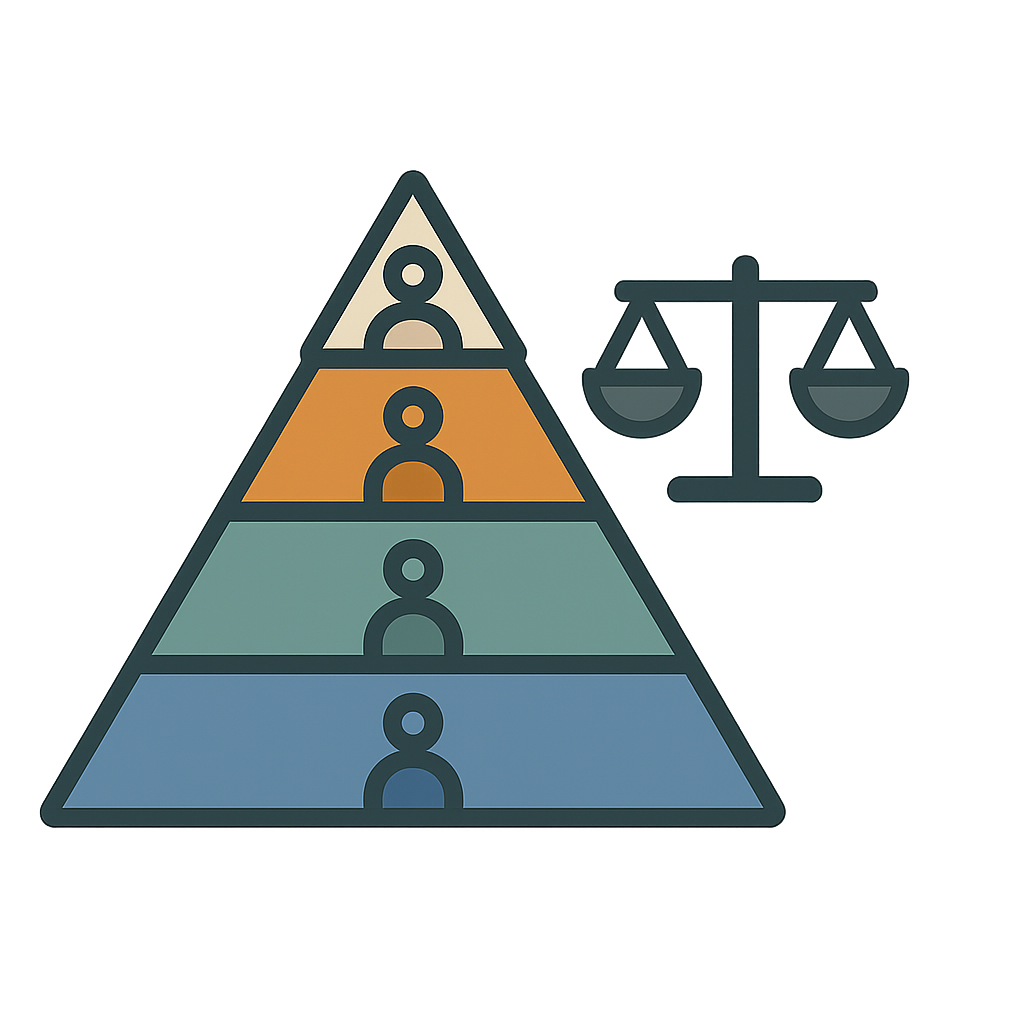
Imagine if the job you would have as a grown-up was decided before you were even born. What if it was the same job your parents had, and their parents before them? For a very long time, I was an idea that sorted people into groups based on their family's work. Some families were teachers, others were soldiers, some were farmers, and others had jobs serving everyone else. It wasn't about what you wanted to be, but about the family you belonged to. Hello there. I am a very old way of thinking about where everyone fits in society. My name is the Caste System.
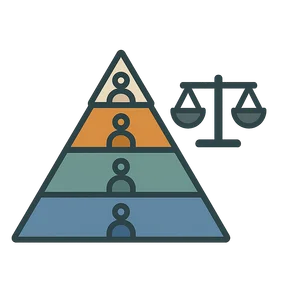
My story began in India more than 3,000 years ago, around 1500 BCE. My first blueprint appeared in ancient sacred texts called the Vedas. These writings described four main groups, called 'varnas,' to keep society organized. The Brahmins were the priests and teachers. The Kshatriyas were the rulers and warriors. The Vaishyas were the merchants and farmers. And the Shudras were the laborers who helped the other groups. At first, these were just broad categories. But over many, many centuries, these four groups divided into thousands of smaller groups called 'jatis.' Life became very rigid. Your jati could decide your job, who you could marry, and even who you could eat with. Sadly, this meant many people, especially those in groups considered 'low,' were treated unfairly. They weren't given the same chances, and their lives were made very difficult.
Many people knew this wasn't right and worked hard to change me. One of the most important leaders was Dr. B.R. Ambedkar. He believed everyone deserved to be treated with respect, no matter what group they were born into. Thanks to him and many others, a wonderful thing happened. On January 26th, 1950, India adopted a new set of rules for the country, called the Constitution. This amazing document declared that it is against the law to treat people badly because of their caste. It said that every single person is equal and should have the freedom to choose their own path in life. Today, people in India are still working hard to make that beautiful promise a reality for everyone. They are teaching a new idea: that your value comes from your kindness and your dreams, not the group you were born into. And that is the best idea of all.
The Idea That Sorted People
Imagine if the job you would have as a grown-up was decided before you were even born. What if it was the same job your parents had, and their parents before them? For a very long time, I was an idea that sorted people into groups based on their family's work. Some families were teachers, others were soldiers, some were farmers, and others had jobs serving everyone else. It wasn't about what you wanted to be, but about the family you belonged to. Hello there. I am a very old way of thinking about where everyone fits in society. My name is the Caste System.
My story began in India more than 3,000 years ago, around 1500 BCE. My first blueprint appeared in ancient sacred texts called the Vedas. These writings described four main groups, called 'varnas,' to keep society organized. The Brahmins were the priests and teachers. The Kshatriyas were the rulers and warriors. The Vaishyas were the merchants and farmers. And the Shudras were the laborers who helped the other groups. At first, these were just broad categories. But over many, many centuries, these four groups divided into thousands of smaller groups called 'jatis.' Life became very rigid. Your jati could decide your job, who you could marry, and even who you could eat with. Sadly, this meant many people, especially those in groups considered 'low,' were treated unfairly. They weren't given the same chances, and their lives were made very difficult.
Many people knew this wasn't right and worked hard to change me. One of the most important leaders was Dr. B.R. Ambedkar. He believed everyone deserved to be treated with respect, no matter what group they were born into. Thanks to him and many others, a wonderful thing happened. On January 26th, 1950, India adopted a new set of rules for the country, called the Constitution. This amazing document declared that it is against the law to treat people badly because of their caste. It said that every single person is equal and should have the freedom to choose their own path in life. Today, people in India are still working hard to make that beautiful promise a reality for everyone. They are teaching a new idea: that your value comes from your kindness and your dreams, not the group you were born into. And that is the best idea of all.
Wow facts
About
The Caste System is a traditional social hierarchy in India that divides people into ranked groups based on their heredity and occupation, with origins tracing back over 3,000 years.
Take a Quiz
Question 1 of 4
Who was one important leader who worked to make things fairer for people in India?
Explore next





Want to do even more?
Go beyond exploring. Unlock tools that turn every story into real learning.

Storypie Plus for families
Full stories, quizzes, and printables. Nights and car rides, sorted.
- Unlimited audio stories
- Create Mode: your child stars in the story
- Offline downloads
- Printable worksheets & coloring pages

Why Storypie for Schools
Students engaged. Prep in seconds. Evenings back to you.
- Worksheets & Quizzes
- Classroom Management
- Formative Assessment
- Custom Curriculum & Lesson Plans
- 27 Languages

Why Storypie for Homeschool
Curriculum done. They'll ask for more. Hours back in your day.
- Worksheet Generator
- First-Person Audio Stories
- Built-in Comprehension Quizzes
- Custom Curriculum & Lesson Plans
- Print & Go Activities