English

Cybersecurity
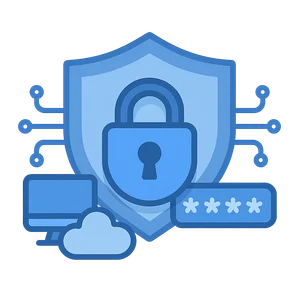
Cybersecurity is the practice of protecting computers, servers, mobile devices, electronic systems, networks…
Reads at Grades 6–8 Listens at Grades 4–8
Print & create
Answer keys·No prep·Free with an account
28 worksheets · answer keys · full story · quiz · Ages 10-12 · CEFR B2
Plus adds 244,000+ more stories in 27 languages, audio for every one, and printables for all of them.
Just want Cybersecurity?
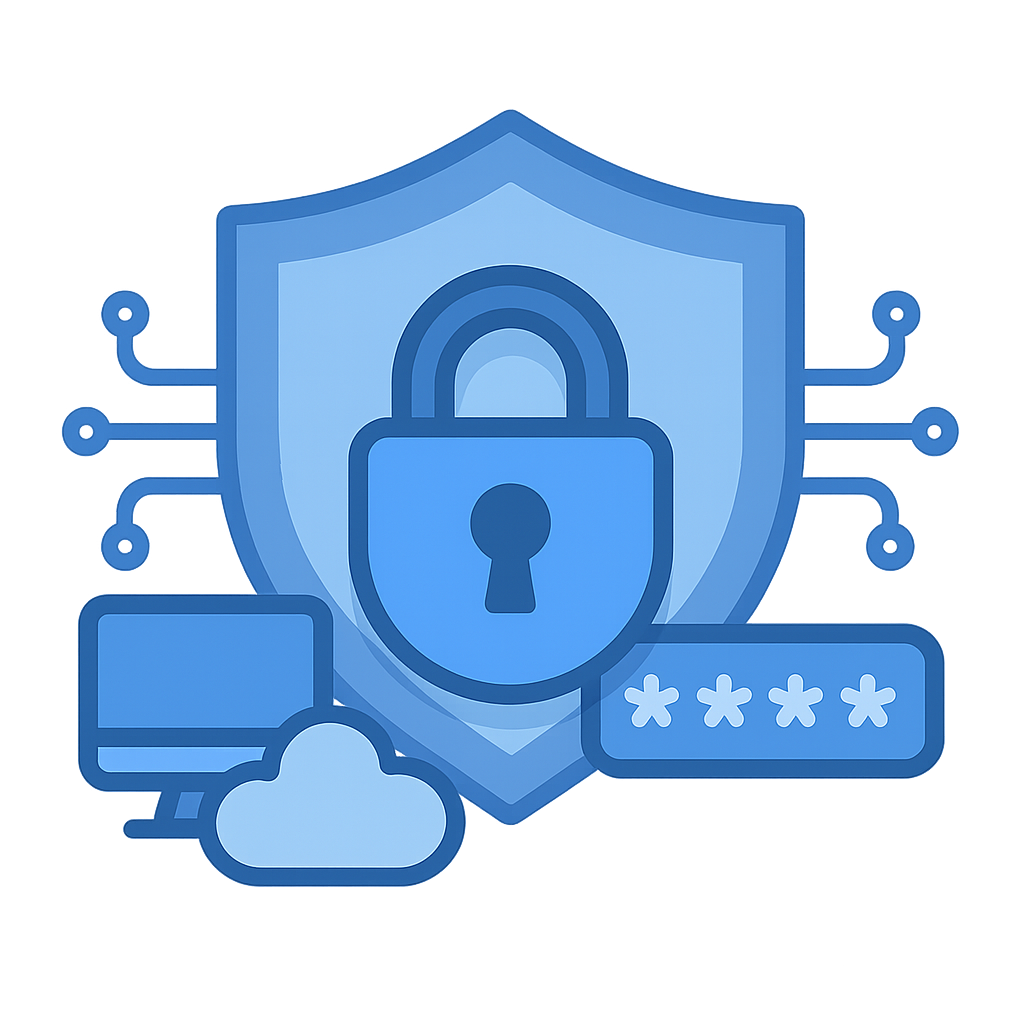
I am the invisible lock on your digital diary, the secret keeper for your text messages, and the shield that protects your character in your favorite online game. I work silently, a constant hum of activity just beneath the surface of your screen, watching over the pathways of information that connect you to your friends and the world. Before I existed in a meaningful way, this world of connected computers was like a tiny village where everyone knew their neighbors and left their doors unlocked. But as that village grew into a sprawling, global city, its citizens needed someone to watch over them, to ensure their conversations remained private and their digital homes stayed safe. I am that guardian. I make sure that when your parents buy something online, their secret numbers stay secret. When you log into your school portal, I am the one making sure it is really you and not someone else. I'm like a friendly, super-smart guard dog for all the important things you and your family keep on your computers, phones, and tablets. I don’t have a body, but I am everywhere in the digital world, constantly on patrol. You've probably used me dozens of times today without even realizing it. So, who am I, this tireless digital protector? I am Cybersecurity.
My story begins a long time ago, back when the internet was just a tiny, quiet neighborhood called ARPANET, built by the United States Department of Defense in the late 1960s. It was a special place where only a small group of trusted scientists and researchers shared information. They didn't really need me back then because everyone knew and trusted each other. It was a digital community built on honor and a shared mission. But change was coming. In 1971, a programmer at Bolt, Beranek and Newman named Bob Thomas was working on a project and created a little experimental program, just for fun. He called it 'Creeper.' It wasn't mean or designed to cause harm; it was more like a digital ghost, designed to hop from one computer to another on the ARPANET, leaving a simple, taunting message: 'I'M THE CREEPER: CATCH ME IF YOU CAN.' It was the world's first computer worm, a playful little traveler proving that a program could move across the network on its own. The scientists were more fascinated than worried. But soon, another programmer, Ray Tomlinson—the same person who invented email—decided to play the game. In 1972, he wrote a new program he called 'Reaper.' Reaper's entire job was to be the hero of the story; it was designed to chase after Creeper across the network and delete it. This was the first time anyone had created a program specifically to stop another one. In this simple game of tag, the first piece of antivirus software was born, and with it, the very first spark of my existence. People began to realize that if a playful program could travel the network, so could a malicious one. As more people got personal computers in the 1980s, the digital world grew from a small town into a bustling city, and my job was about to get much more serious.
The Digital Guardian
I am the invisible lock on your digital diary, the secret keeper for your text messages, and the shield that protects your character in your favorite online game. I work silently, a constant hum of activity just beneath the surface of your screen, watching over the pathways of information that connect you to your friends and the world. Before I existed in a meaningful way, this world of connected computers was like a tiny village where everyone knew their neighbors and left their doors unlocked. But as that village grew into a sprawling, global city, its citizens needed someone to watch over them, to ensure their conversations remained private and their digital homes stayed safe. I am that guardian. I make sure that when your parents buy something online, their secret numbers stay secret. When you log into your school portal, I am the one making sure it is really you and not someone else. I'm like a friendly, super-smart guard dog for all the important things you and your family keep on your computers, phones, and tablets. I don’t have a body, but I am everywhere in the digital world, constantly on patrol. You've probably used me dozens of times today without even realizing it. So, who am I, this tireless digital protector? I am Cybersecurity.
My story begins a long time ago, back when the internet was just a tiny, quiet neighborhood called ARPANET, built by the United States Department of Defense in the late 1960s. It was a special place where only a small group of trusted scientists and researchers shared information. They didn't really need me back then because everyone knew and trusted each other. It was a digital community built on honor and a shared mission. But change was coming. In 1971, a programmer at Bolt, Beranek and Newman named Bob Thomas was working on a project and created a little experimental program, just for fun. He called it 'Creeper.' It wasn't mean or designed to cause harm; it was more like a digital ghost, designed to hop from one computer to another on the ARPANET, leaving a simple, taunting message: 'I'M THE CREEPER: CATCH ME IF YOU CAN.' It was the world's first computer worm, a playful little traveler proving that a program could move across the network on its own. The scientists were more fascinated than worried. But soon, another programmer, Ray Tomlinson—the same person who invented email—decided to play the game. In 1972, he wrote a new program he called 'Reaper.' Reaper's entire job was to be the hero of the story; it was designed to chase after Creeper across the network and delete it. This was the first time anyone had created a program specifically to stop another one. In this simple game of tag, the first piece of antivirus software was born, and with it, the very first spark of my existence. People began to realize that if a playful program could travel the network, so could a malicious one. As more people got personal computers in the 1980s, the digital world grew from a small town into a bustling city, and my job was about to get much more serious.
The day everyone truly understood how vital I was came on November 2nd, 1988. A clever graduate student at Cornell University named Robert Tappan Morris wanted to see just how big the internet had become. He created a program he hoped would quietly and harmlessly travel across the network, counting the connected machines along the way. But a small mistake in its code, a tiny error in its instructions, turned his curious creation into a digital disaster. This program, later called the Morris Worm, started copying itself way too fast, like a magical broom that wouldn't stop carrying water. It spread with incredible speed, infecting one computer and then using it to infect others. Soon, thousands of computers—about one-tenth of the entire internet at the time—were so busy dealing with the endlessly replicating worm that they slowed to a crawl and crashed. The flow of information stopped. Research was halted. For the first time, the digital world went quiet, not from peace, but from paralysis. It was an accident, but it was a huge wake-up call. For the first time, people saw that the amazing world they were building was fragile and needed protecting. In response to this event, the U.S. government helped create the very first Computer Emergency Response Team, or CERT, in November of 1988. Think of them as the first digital fire department. They were a team of experts whose job was to rush to the scene of a digital problem, figure out how to fix it, and teach others how to prevent it from happening again. This was the moment I went from being a simple idea to a real, full-time job for people around the world.
Today, the internet isn't just a city; it's a whole connected world, a universe of information, creativity, and friendship. It's where you learn for school, build amazing things in games, and talk with friends and family across the globe. My job has grown, too. I help protect everything from your family's photos and your school's computers to the massive systems that control electricity, water, and banking for whole countries. The challenge is bigger than ever, but the most amazing thing is that I don't work alone. I need your help. I rely on a team of millions of people just like you to be my eyes and ears. Every time you create a strong password that’s hard to guess, mixing letters, numbers, and symbols like a secret handshake only you know, you're helping me. Every time you think twice before clicking on a strange link or downloading an unknown file, you are acting as a Cyber Hero. You are part of my team, standing on the front lines of digital defense. Together, we can make sure the digital world stays a safe, creative, and wonderful place for everyone to explore. The future is full of amazing new technologies, and with you as my partner, we can keep it secure and open for all the incredible discoveries yet to come.
Wow facts
About
Cybersecurity is the practice of protecting computers, servers, mobile devices, electronic systems, networks, and data from malicious attacks, damage, or unauthorized access.
Take a Quiz
Question 1 of 5
What is the main idea of this story?
Explore next





Want to do even more?
Go beyond exploring. Unlock tools that turn every story into real learning.

Storypie Plus for families
Full stories, quizzes, and printables. Nights and car rides, sorted.
- Unlimited audio stories
- Create Mode: your child stars in the story
- Offline downloads
- Printable worksheets & coloring pages

Why Storypie for Schools
Students engaged. Prep in seconds. Evenings back to you.
- Worksheets & Quizzes
- Classroom Management
- Formative Assessment
- Custom Curriculum & Lesson Plans
- 27 Languages

Why Storypie for Homeschool
Curriculum done. They'll ask for more. Hours back in your day.
- Worksheet Generator
- First-Person Audio Stories
- Built-in Comprehension Quizzes
- Custom Curriculum & Lesson Plans
- Print & Go Activities