English

Fibonacci Sequence
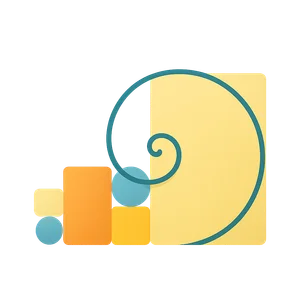
A mathematical sequence where each number is the sum of the two preceding ones, starting from 0 and 1.
Reads at Pre-K Listens at Pre-K–1
Print & create
Answer keys·No prep·Free with an account
28 worksheets · answer keys · full story · quiz · Ages 3-5 · CEFR A1
Plus adds 116,000+ more stories in 27 languages, audio for every one, and printables for all of them.
Just want Fibonacci Sequence?
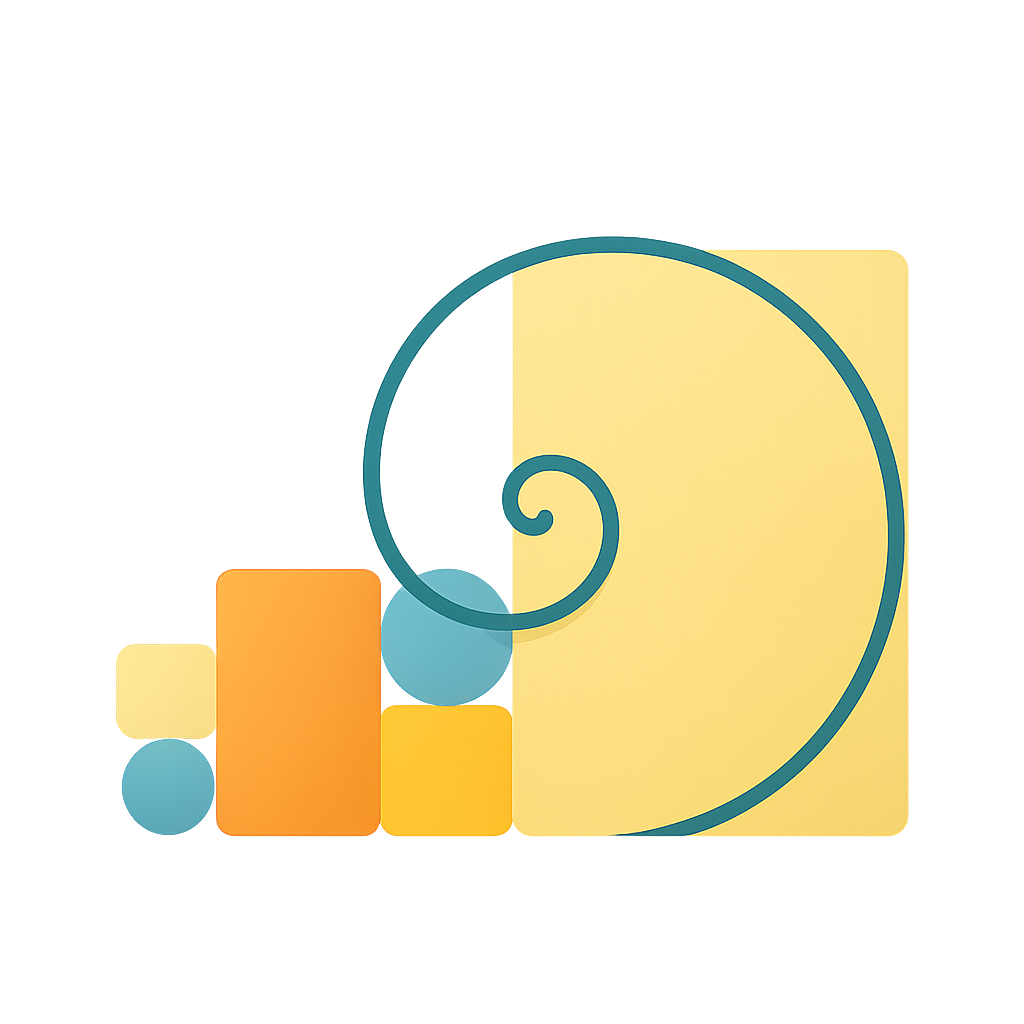
Shhh, can you keep a secret. I'm a special pattern that loves to grow bigger and bigger. You can see me in the pretty petals of a flower. You can see me in the beautiful swirl of a snail's shell. A long, long time ago, people in a faraway land called India saw me hiding in their happy songs. That was as early as 200 BCE. I was their little secret for making things beautiful.
Then, one day, a man who loved numbers found me. His name was Leonardo of Pisa, but people now call him Fibonacci. In the year 1202, he wrote about me in a big book. He saw how I work. I start with 1, then another 1. Then I add them together to make 2. Next, I add the last two numbers, 1 and 2, to make 3. Then, 2 and 3 make 5. I just keep growing and growing by adding my last two steps together. Leonardo thought about how fluffy bunnies might have babies, and guess what. I was there, helping him count them all: 1, 1, 2, 3, 5, 8.
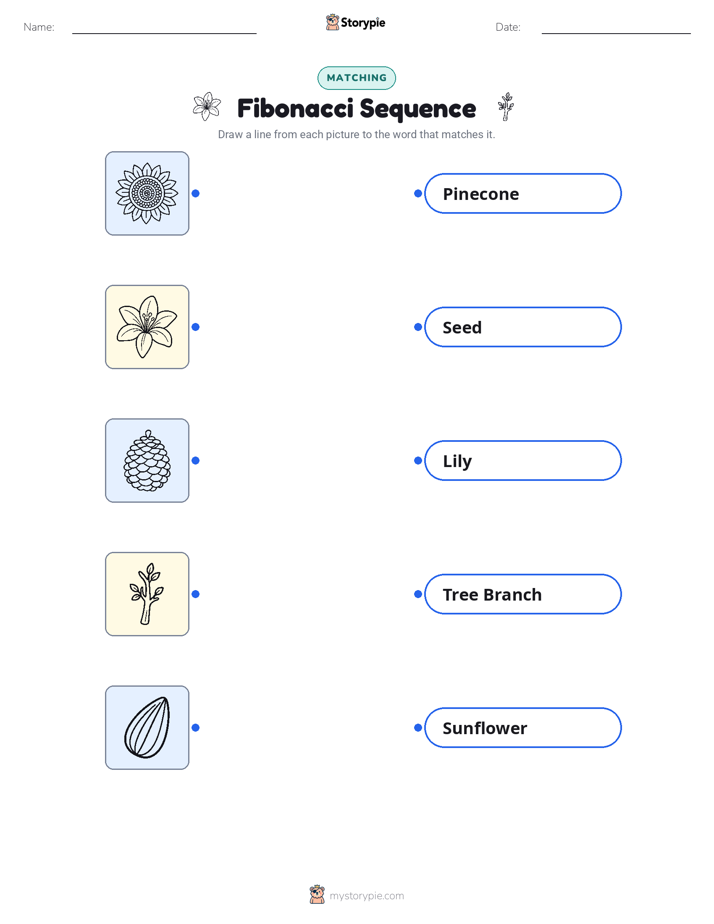
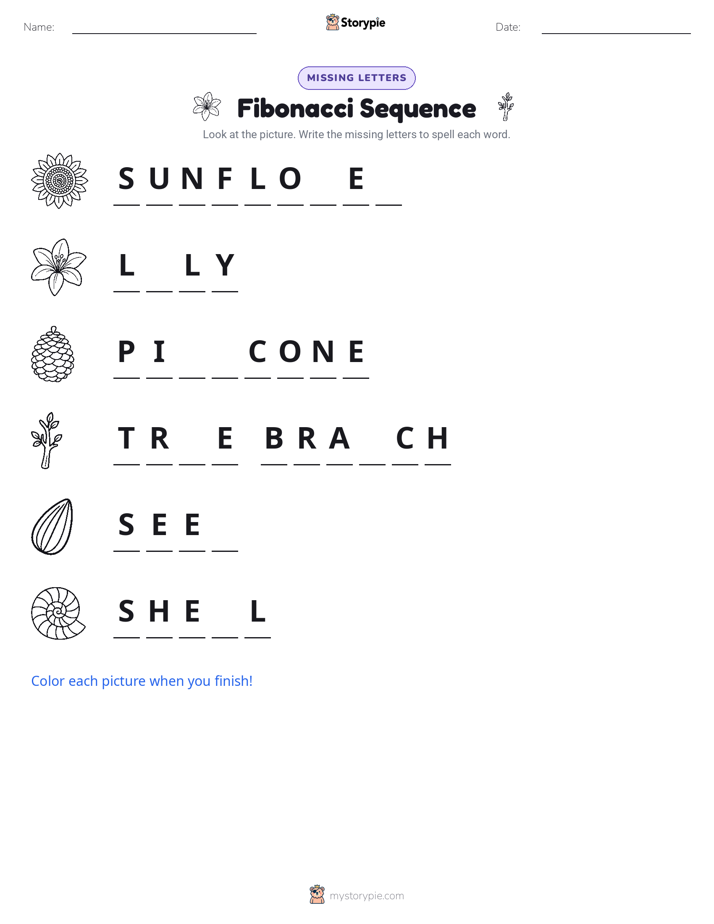
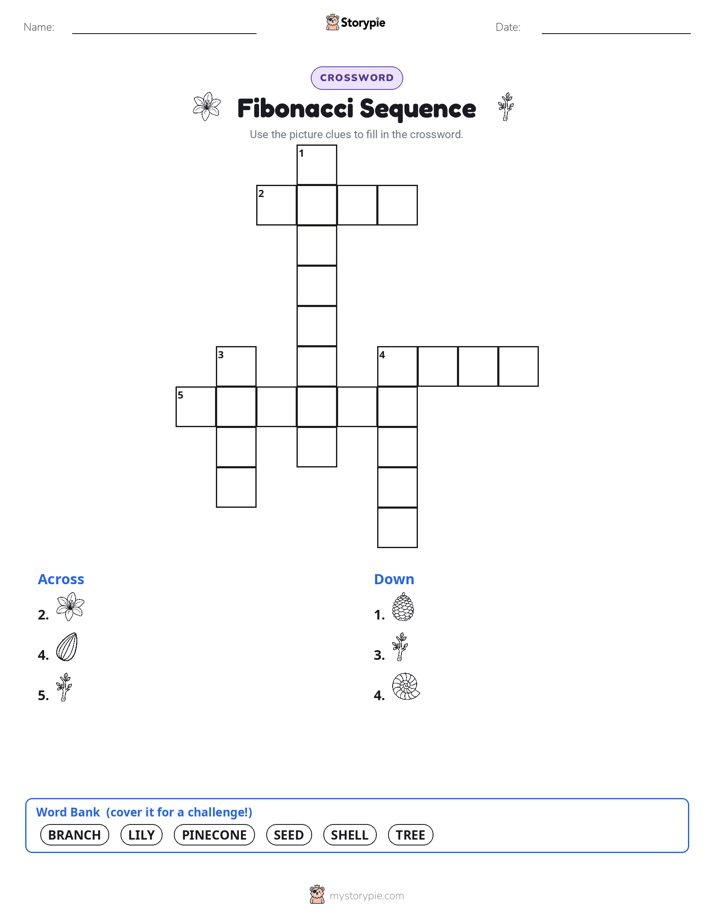
Today, you can find me everywhere if you look very close. Try counting the little spirals on a pinecone. Look for me in the middle of a big, sunny sunflower. That's me. I am the Fibonacci Sequence, a secret code that nature uses to grow. The next time you see a flower or a seashell, you can wave hello to me. I show how numbers can be a beautiful and happy part of our world.
The Secret Growing Pattern
Shhh, can you keep a secret. I'm a special pattern that loves to grow bigger and bigger. You can see me in the pretty petals of a flower. You can see me in the beautiful swirl of a snail's shell. A long, long time ago, people in a faraway land called India saw me hiding in their happy songs. That was as early as 200 BCE. I was their little secret for making things beautiful.
Then, one day, a man who loved numbers found me. His name was Leonardo of Pisa, but people now call him Fibonacci. In the year 1202, he wrote about me in a big book. He saw how I work. I start with 1, then another 1. Then I add them together to make 2. Next, I add the last two numbers, 1 and 2, to make 3. Then, 2 and 3 make 5. I just keep growing and growing by adding my last two steps together. Leonardo thought about how fluffy bunnies might have babies, and guess what. I was there, helping him count them all: 1, 1, 2, 3, 5, 8.
Today, you can find me everywhere if you look very close. Try counting the little spirals on a pinecone. Look for me in the middle of a big, sunny sunflower. That's me. I am the Fibonacci Sequence, a secret code that nature uses to grow. The next time you see a flower or a seashell, you can wave hello to me. I show how numbers can be a beautiful and happy part of our world.
Wow facts
About
A mathematical sequence where each number is the sum of the two preceding ones, starting from 0 and 1. It appears in nature, particularly in the arrangement of leaves and petals.
Take a Quiz
Question 1 of 3
Who was the man who loved numbers?
Explore next






Want to do even more?
Go beyond exploring. Unlock tools that turn every story into real learning.

Storypie Plus for families
Full stories, quizzes, and printables. Nights and car rides, sorted.
- Unlimited audio stories
- Create Mode: your child stars in the story
- Offline downloads
- Printable worksheets & coloring pages

Why Storypie for Schools
Students engaged. Prep in seconds. Evenings back to you.
- Worksheets & Quizzes
- Classroom Management
- Formative Assessment
- Custom Curriculum & Lesson Plans
- 27 Languages

Why Storypie for Homeschool
Curriculum done. They'll ask for more. Hours back in your day.
- Worksheet Generator
- First-Person Audio Stories
- Built-in Comprehension Quizzes
- Custom Curriculum & Lesson Plans
- Print & Go Activities