English

Jazz
Jazz is a music genre that originated in the African-American communities of New Orleans, Louisiana…
Reads at Grades 6–8 Listens at Grades 4–8
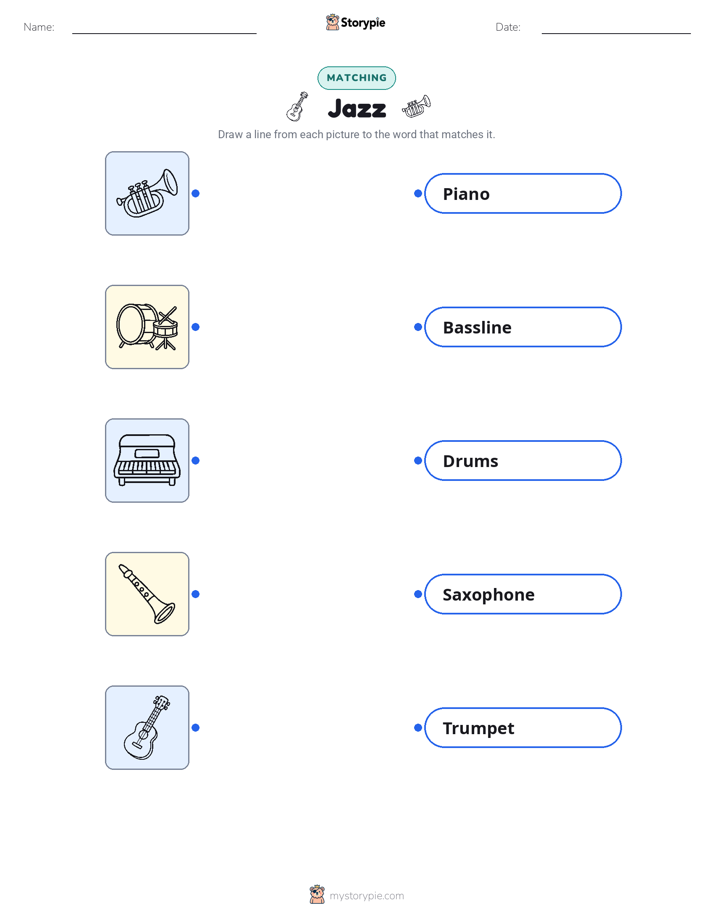
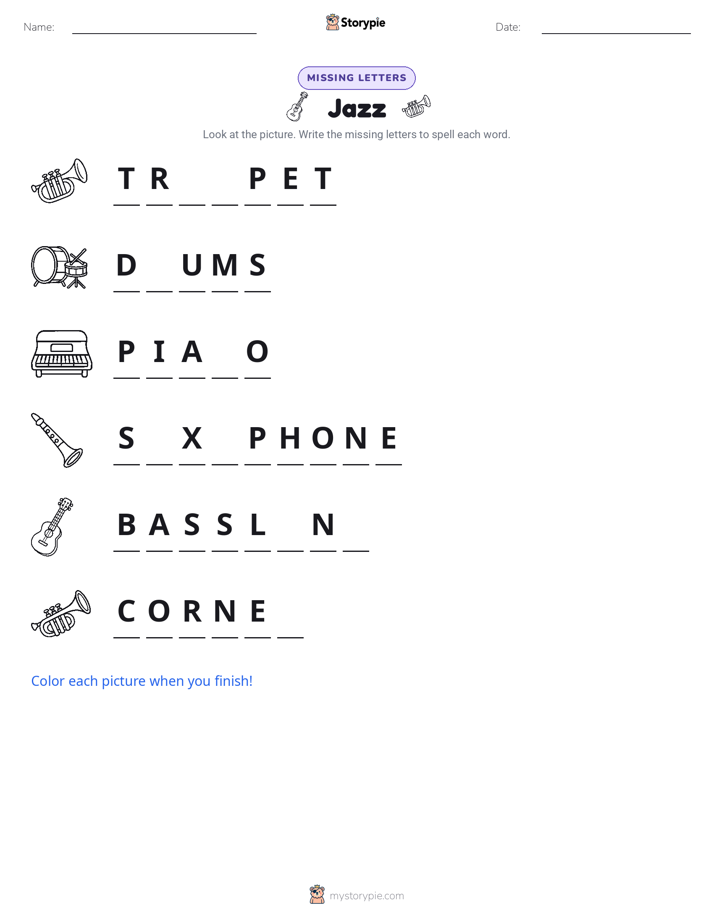
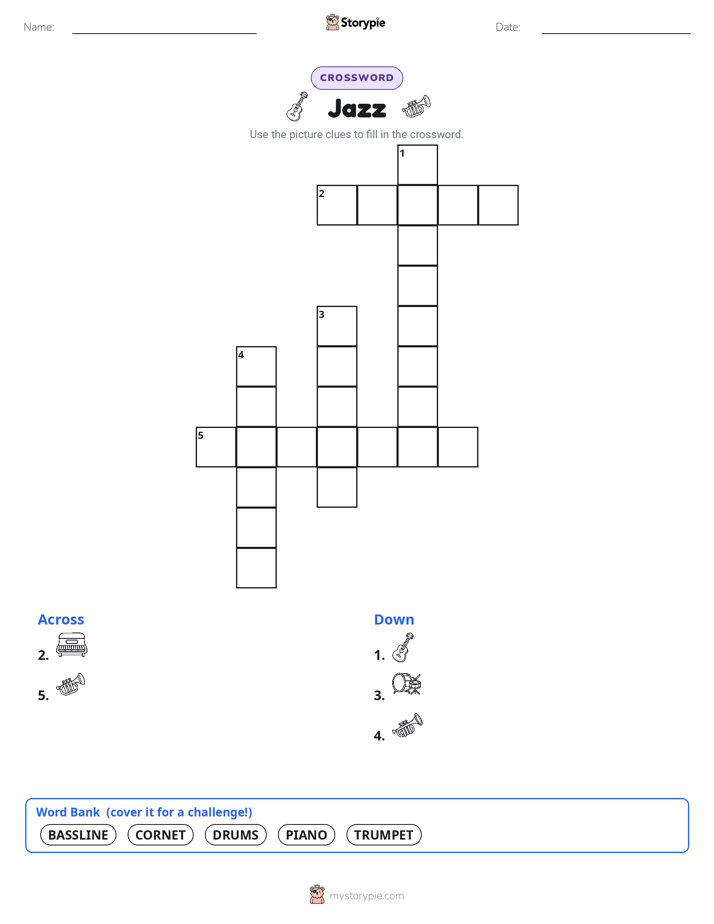
Print & create
Answer keys·No prep·Free with an account
28 worksheets · answer keys · full story · quiz · Ages 10-12 · CEFR B2
Plus adds 244,000+ more stories in 27 languages, audio for every one, and printables for all of them.
Just want Jazz?
I begin without a name. I am a feeling, a rhythm that makes your feet tap when you don't expect it, a surprise note from a trumpet that makes you smile. I am the sound of a conversation where instruments talk to each other, taking turns to share a story. I might start with a steady beat from the drums and a walking bassline, then a piano might add some color before a saxophone sings a lonely, beautiful melody. My structure has rules, but my soul is free; my most important principle is that musicians must listen and respond to one another. Before people knew my name, they knew my spirit. I am the sound of surprise, struggle, and joy. I am Jazz.
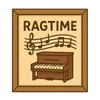
I was born from many parents in a city that was a wonderful melting pot of sounds and cultures: New Orleans, Louisiana. In the late 19th century and the early 20th century, you could hear the echoes of my ancestors everywhere. There were the powerful spirituals and work songs born from African traditions, the heartfelt storytelling of the Blues that traveled up from the Mississippi Delta, and the jumpy, syncopated rhythms of Ragtime piano played in lively halls. In places like Congo Square, a rare public space where enslaved Africans and their descendants were allowed to gather on Sundays, my earliest heartbeats were felt in the drums and dances. It was there that the foundational rhythms of my being were kept alive. Around the 1890s, musicians like the legendary cornet player Buddy Bolden started mixing these sounds together in a new way. They used brass instruments from marching bands to play this exciting, improvised music for parades and parties, and in doing so, they gave me my first true voice. I didn't appear on a single day; I grew like a strong plant from the rich, complicated soil of this unique city.
The Story of Jazz
I begin without a name. I am a feeling, a rhythm that makes your feet tap when you don't expect it, a surprise note from a trumpet that makes you smile. I am the sound of a conversation where instruments talk to each other, taking turns to share a story. I might start with a steady beat from the drums and a walking bassline, then a piano might add some color before a saxophone sings a lonely, beautiful melody. My structure has rules, but my soul is free; my most important principle is that musicians must listen and respond to one another. Before people knew my name, they knew my spirit. I am the sound of surprise, struggle, and joy. I am Jazz.
I was born from many parents in a city that was a wonderful melting pot of sounds and cultures: New Orleans, Louisiana. In the late 19th century and the early 20th century, you could hear the echoes of my ancestors everywhere. There were the powerful spirituals and work songs born from African traditions, the heartfelt storytelling of the Blues that traveled up from the Mississippi Delta, and the jumpy, syncopated rhythms of Ragtime piano played in lively halls. In places like Congo Square, a rare public space where enslaved Africans and their descendants were allowed to gather on Sundays, my earliest heartbeats were felt in the drums and dances. It was there that the foundational rhythms of my being were kept alive. Around the 1890s, musicians like the legendary cornet player Buddy Bolden started mixing these sounds together in a new way. They used brass instruments from marching bands to play this exciting, improvised music for parades and parties, and in doing so, they gave me my first true voice. I didn't appear on a single day; I grew like a strong plant from the rich, complicated soil of this unique city.
I couldn't stay in one place for long. In the early 20th century, during the Great Migration, I hopped on riverboats and trains and traveled up the Mississippi River with the musicians who loved me. By the 1920s, I had found new homes in big cities like Chicago and New York. This decade became known as the 'Jazz Age' because my sound was the soundtrack for a changing world. A brilliant young trumpeter from New Orleans named Louis Armstrong taught me how to truly sing. He showed everyone that one musician could step forward and play an amazing solo, a personal story full of feeling and fire that had never been heard before. His gravelly voice also introduced 'scat' singing—using nonsense syllables to sound just like an instrument, a joyful and spontaneous expression. Meanwhile, in New York City, the elegant Duke Ellington took me to fancy ballrooms and clubs like the Cotton Club in Harlem. He was a master composer and pianist who led a big band, an orchestra that used my rhythms and harmonies to create music that was as complex and beautiful as any symphony. He showed the world that I could be sophisticated, artistic, and deeply emotional.
Like any living thing, I continued to grow and change. In the 1930s and 1940s, I became the sound of dance halls during the Swing era. Big bands led by people like Count Basie and Benny Goodman played my rhythms with so much energy that it was impossible for anyone to stand still. I was the force that brought people together on the dance floor. Then, in the mid-1940s, a new generation of musicians felt a need to explore my more complicated side. In small, smoky clubs in New York, players like the genius saxophonist Charlie Parker and the fiery trumpeter Dizzy Gillespie created Bebop. It was lightning-fast, full of surprising harmonic twists and turns, and was meant more for intense listening than for dancing. It was a revolution. A bit later, some musicians, like the thoughtful and innovative trumpeter Miles Davis, decided to cool things down. They created Cool Jazz, which was more relaxed, subtle, and spacious. I have had so many voices—from the vibrant Latin Jazz that dances with rhythms from Cuba and Brazil, to the experimental Free Jazz that breaks all the rules. My ability to change and adapt is my greatest strength.
Today, you can hear me all over the globe. I have traveled to every continent, making friends with local music and creating new, exciting sounds that blend traditions. My spirit is about more than just notes; it’s about freedom, communication, and democracy. When a jazz band plays, each musician has an individual voice and the freedom to express it, but they must also listen carefully to each other to create something beautiful together. It's a delicate balance of independence and cooperation. I teach people the art of improvisation—how to create something new, meaningful, and beautiful in the moment. My story is a reminder that the most powerful things can be born when different voices and cultures come together to share their stories. So next time you hear a walking bassline or a soaring saxophone solo, listen closely. It’s me, Jazz, still telling my story and inviting you to add your own voice to the song.
Wow facts
About
Jazz is a music genre that originated in the African-American communities of New Orleans, Louisiana, in the late 19th and early 20th centuries, with its roots in blues and ragtime. It is characterized by swing and blue notes, complex chords, call and response vocals, polyrhythms and improvisation.
Take a Quiz
Question 1 of 5
According to the story, which of these were considered the 'ancestors' of Jazz in New Orleans?
Explore next



Want to do even more?
Go beyond exploring. Unlock tools that turn every story into real learning.

Storypie Plus for families
Full stories, quizzes, and printables. Nights and car rides, sorted.
- Unlimited audio stories
- Create Mode: your child stars in the story
- Offline downloads
- Printable worksheets & coloring pages

Why Storypie for Schools
Students engaged. Prep in seconds. Evenings back to you.
- Worksheets & Quizzes
- Classroom Management
- Formative Assessment
- Custom Curriculum & Lesson Plans
- 27 Languages

Why Storypie for Homeschool
Curriculum done. They'll ask for more. Hours back in your day.
- Worksheet Generator
- First-Person Audio Stories
- Built-in Comprehension Quizzes
- Custom Curriculum & Lesson Plans
- Print & Go Activities