English

Volcanology
Volcanology is the scientific study of volcanoes, lava, magma, and related geological, geophysical…
Reads at Grades K-2 Listens at K–3
Print & create
Answer keys·No prep·Free with an account
28 worksheets · answer keys · full story · quiz · Ages 6-8 · CEFR A2
Plus adds 164,000+ more stories in 27 languages, audio for every one, and printables for all of them.
Just want Volcanology?
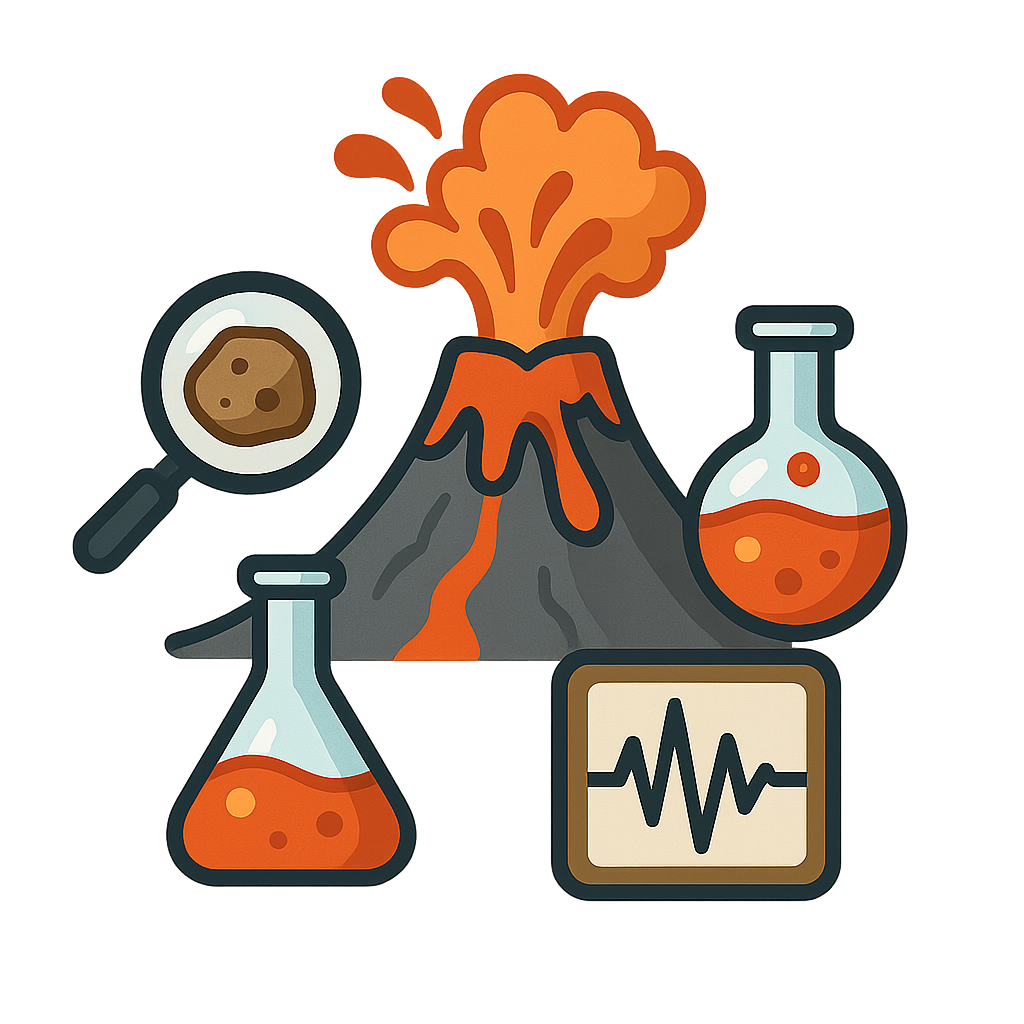
Have you ever seen a mountain that can breathe fire and smoke? A mountain that rumbles and shakes the ground, sending puffy gray clouds high into the sky? Sometimes, these special mountains let glowing orange rivers of melted rock slide down their sides. For a long time, people were mystified and a little scared of this incredible power. They didn't understand what was happening inside these amazing mountains. I am the secret keeper of these fiery mountains. I help people understand why they exist and what they do. Hello! I am Volcanology!
For a very, very long time, people told stories to explain the fiery mountains. Some believed powerful gods lived inside and would get angry. But slowly, people started to watch and learn instead of just being afraid. One of the very first people to write down what he saw was a Roman man named Pliny the Younger. When the great Mount Vesuvius erupted in the year 79 CE, he carefully described the giant cloud that shot into the sky, saying it looked like a tall pine tree. His notes were like the first page in my diary, helping future scientists begin to understand me. Much, much later, in 1841, people built the world's first volcano-watching station right on the side of Mount Vesuvius. For the first time, scientists could study a volcano up close, day and night. They learned that the Earth’s surface is like a giant puzzle, and sometimes hot melted rock called magma pushes its way up from below. Many years after that, on May 18th, 1980, a volcano named Mount St. Helens in America had a huge eruption. Scientists studied it very carefully and learned so much about how to predict when a volcano might wake up, which helps keep people safe.
The Fiery Mountains
Have you ever seen a mountain that can breathe fire and smoke? A mountain that rumbles and shakes the ground, sending puffy gray clouds high into the sky? Sometimes, these special mountains let glowing orange rivers of melted rock slide down their sides. For a long time, people were mystified and a little scared of this incredible power. They didn't understand what was happening inside these amazing mountains. I am the secret keeper of these fiery mountains. I help people understand why they exist and what they do. Hello! I am Volcanology!
For a very, very long time, people told stories to explain the fiery mountains. Some believed powerful gods lived inside and would get angry. But slowly, people started to watch and learn instead of just being afraid. One of the very first people to write down what he saw was a Roman man named Pliny the Younger. When the great Mount Vesuvius erupted in the year 79 CE, he carefully described the giant cloud that shot into the sky, saying it looked like a tall pine tree. His notes were like the first page in my diary, helping future scientists begin to understand me. Much, much later, in 1841, people built the world's first volcano-watching station right on the side of Mount Vesuvius. For the first time, scientists could study a volcano up close, day and night. They learned that the Earth’s surface is like a giant puzzle, and sometimes hot melted rock called magma pushes its way up from below. Many years after that, on May 18th, 1980, a volcano named Mount St. Helens in America had a huge eruption. Scientists studied it very carefully and learned so much about how to predict when a volcano might wake up, which helps keep people safe.
Today, I help scientists, who are called volcanologists, act like volcano detectives. They use special tools to listen for rumbles deep underground, to sniff the air for volcanic gases, and to watch if the mountain starts to swell like a balloon. Because of me, they can often warn people to move to a safe place before an eruption happens. I help save lives! But I also show how amazing our planet is. Volcanoes create new islands and mountains, and their ash makes the soil wonderful for growing food. They are a reminder that our Earth is powerful, alive, and always changing. I am Volcanology, and I love helping people understand the fiery, fantastic world beneath their feet.
Wow facts
About
Volcanology is the scientific study of volcanoes, lava, magma, and related geological, geophysical, and geochemical phenomena. It aims to understand how volcanoes work, predict eruptions, and assess their impact.
Take a Quiz
Question 1 of 4
Who was one of the first people to write down what he saw during a volcano eruption?
Explore next

Want to do even more?
Go beyond exploring. Unlock tools that turn every story into real learning.

Storypie Plus for families
Full stories, quizzes, and printables. Nights and car rides, sorted.
- Unlimited audio stories
- Create Mode: your child stars in the story
- Offline downloads
- Printable worksheets & coloring pages

Why Storypie for Schools
Students engaged. Prep in seconds. Evenings back to you.
- Worksheets & Quizzes
- Classroom Management
- Formative Assessment
- Custom Curriculum & Lesson Plans
- 27 Languages

Why Storypie for Homeschool
Curriculum done. They'll ask for more. Hours back in your day.
- Worksheet Generator
- First-Person Audio Stories
- Built-in Comprehension Quizzes
- Custom Curriculum & Lesson Plans
- Print & Go Activities