English

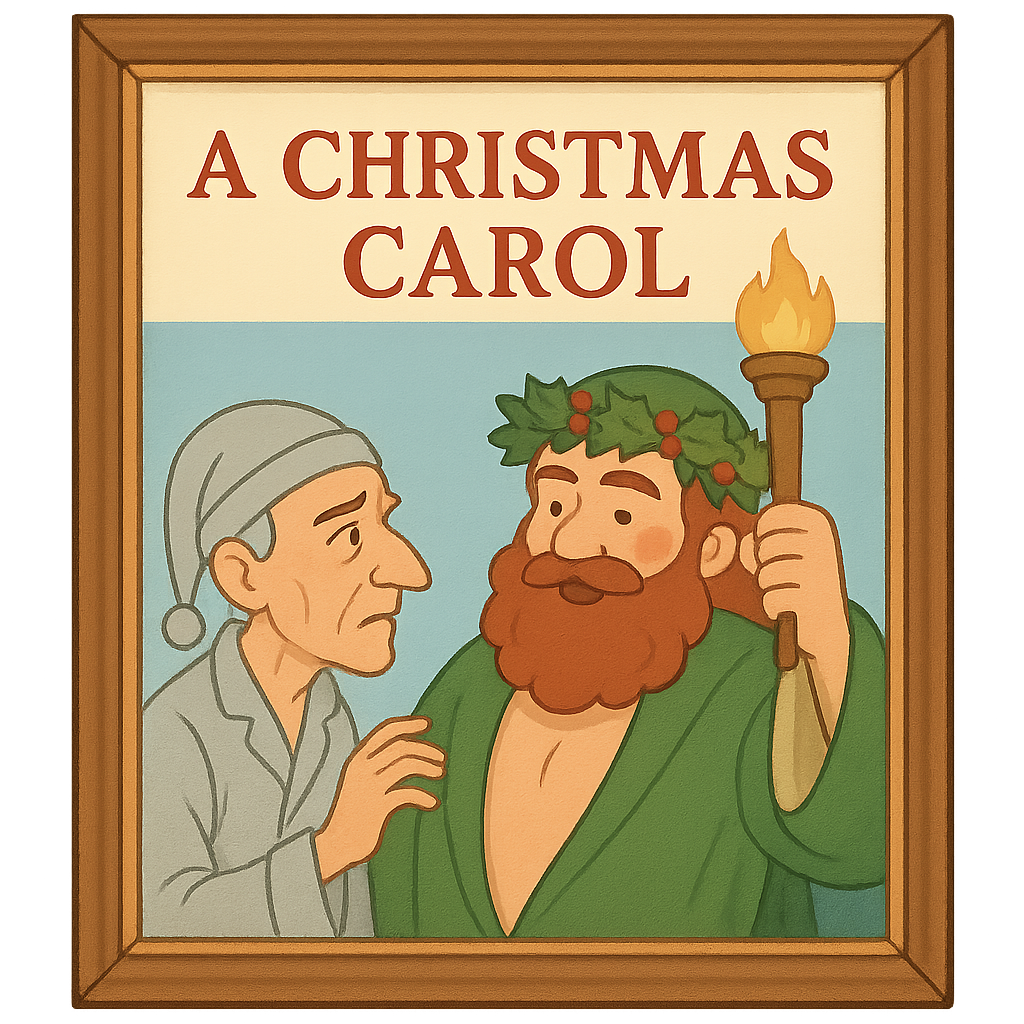
A Christmas Carol
A novella by Charles Dickens, first published in 1843, about the redemption of the miserly Ebenezer Scrooge…
Reads at Grades 6–8 Listens at Grades 4–8
Print & create
Answer keys·No prep·Free with an account
28 worksheets · answer keys · full story · quiz · Ages 10-12 · CEFR B2
Plus adds 208,000+ more stories in 27 languages, audio for every one, and printables for all of them.
Just want A Christmas Carol?
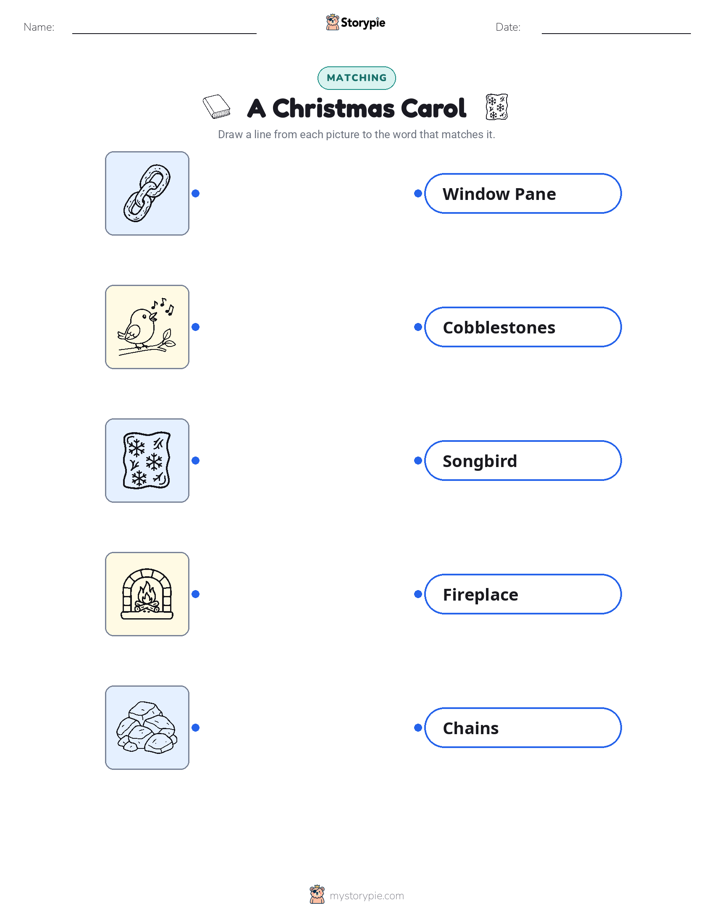
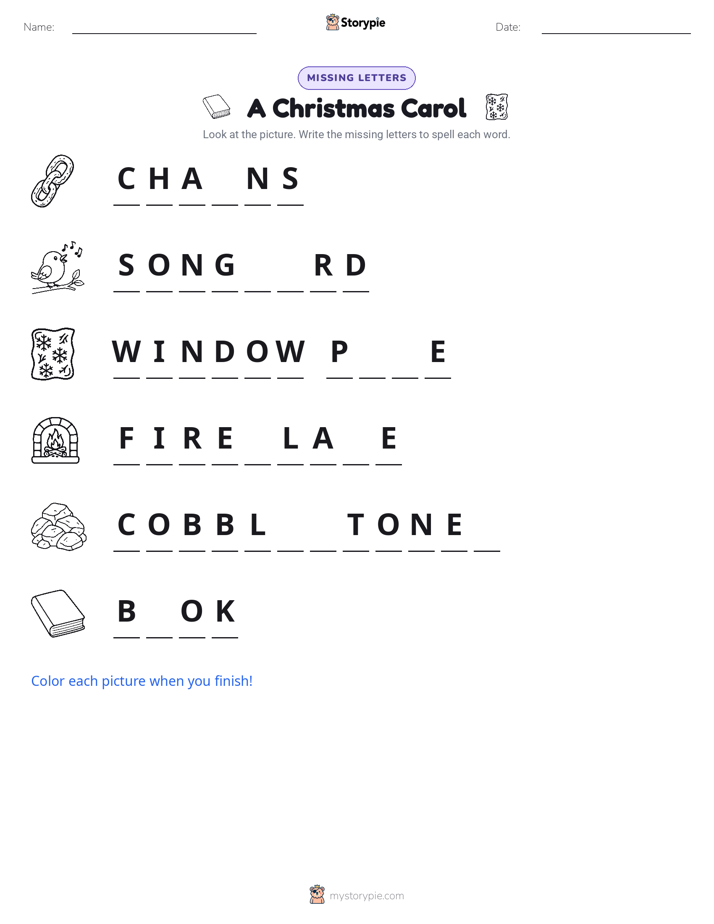
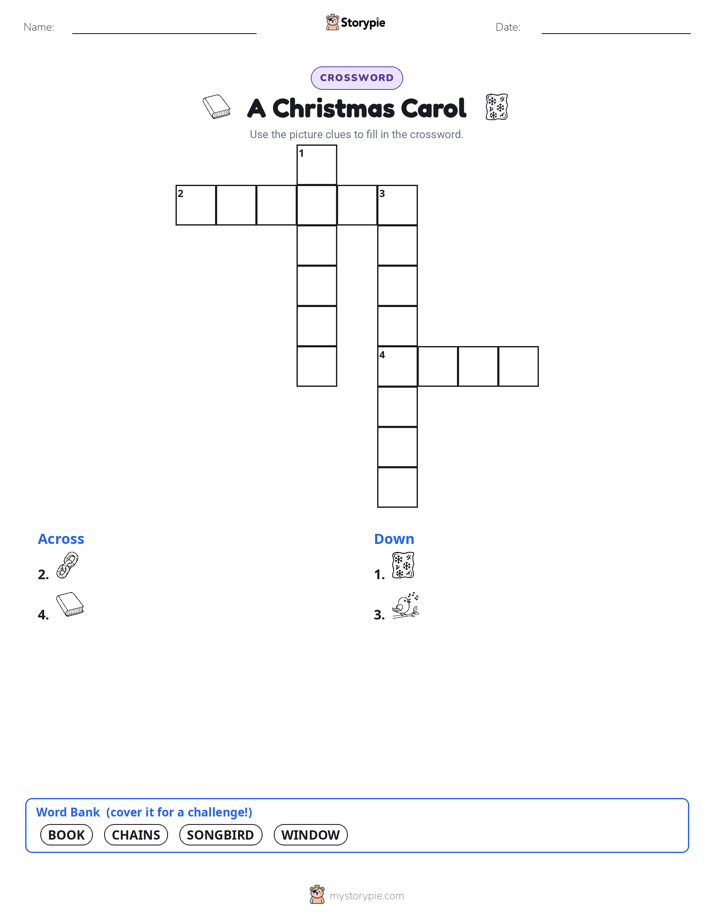
The air on a London night can be thick and ghostly, especially in winter when the fog rolls in from the River Thames. Listen closely. Can you hear the rattle of chains, as if dragged by an unseen phantom? In the distance, a joyful song escapes from a lively party, its melody muffled by the cold. Through a frosty window pane, you can see the warm glow of a fireplace, a stark contrast to the biting chill outside. There is a sense of a journey about to begin, one that will travel through the deep shadows of the past and into the bright, uncertain light of the future, all guided by spirits. At the heart of this journey is a man, as cold and hard as the winter cobblestones, a grumpy, miserly man who has forgotten the meaning of joy and connection. But I am not a person, a building, or a painting. I am a story that lives in your imagination, a tale that has been whispered and shouted for generations. I am the story of Ebenezer Scrooge's incredible transformation, and my name is A Christmas Carol.
My story began with a spark in the mind of a man with a brilliant imagination and a deeply compassionate heart. His name was Charles Dickens. In the autumn of 1843, he walked the bustling, fog-choked streets of London, observing the world around him with a keen eye. He saw a city undergoing immense change. This was the era of the Industrial Revolution, a time of steam engines, clanging factories, and incredible new wealth. But beneath the surface of progress, Dickens saw a darker reality. He witnessed profound poverty, where families huddled in cold, cramped homes and children were forced to work long, dangerous hours. He felt a burning desire to do something, to write a story so powerful that it would strike a blow for the poor. He wanted to reach into the homes of the wealthy and remind them of their duty to care for those less fortunate. He decided a ghost story, set during the festive Christmas season, would be the perfect vessel for his urgent message of charity, kindness, and social responsibility.
A Christmas Carol: The Story of a Story
The air on a London night can be thick and ghostly, especially in winter when the fog rolls in from the River Thames. Listen closely. Can you hear the rattle of chains, as if dragged by an unseen phantom? In the distance, a joyful song escapes from a lively party, its melody muffled by the cold. Through a frosty window pane, you can see the warm glow of a fireplace, a stark contrast to the biting chill outside. There is a sense of a journey about to begin, one that will travel through the deep shadows of the past and into the bright, uncertain light of the future, all guided by spirits. At the heart of this journey is a man, as cold and hard as the winter cobblestones, a grumpy, miserly man who has forgotten the meaning of joy and connection. But I am not a person, a building, or a painting. I am a story that lives in your imagination, a tale that has been whispered and shouted for generations. I am the story of Ebenezer Scrooge's incredible transformation, and my name is A Christmas Carol.
My story began with a spark in the mind of a man with a brilliant imagination and a deeply compassionate heart. His name was Charles Dickens. In the autumn of 1843, he walked the bustling, fog-choked streets of London, observing the world around him with a keen eye. He saw a city undergoing immense change. This was the era of the Industrial Revolution, a time of steam engines, clanging factories, and incredible new wealth. But beneath the surface of progress, Dickens saw a darker reality. He witnessed profound poverty, where families huddled in cold, cramped homes and children were forced to work long, dangerous hours. He felt a burning desire to do something, to write a story so powerful that it would strike a blow for the poor. He wanted to reach into the homes of the wealthy and remind them of their duty to care for those less fortunate. He decided a ghost story, set during the festive Christmas season, would be the perfect vessel for his urgent message of charity, kindness, and social responsibility.
Charles Dickens then began a race against time. Over six intense weeks in the late autumn of 1843, he poured all his energy into bringing me to life. His process was anything but quiet. He would walk for fifteen or twenty miles through the dark streets of London late at night, completely lost in my world. People on the street might have seen a man muttering to himself, laughing aloud at a clever line from Scrooge or weeping for the struggles of the Cratchit family. He was not just writing my story; he was living it. While he wrote the words, he collaborated with a talented artist named John Leech, who created the illustrations that would give the world its first visual glimpse of Scrooge in his nightcap and Tiny Tim on his father's shoulder. I was finally published on December 19th, 1843, a handsome little book with a red cloth cover and gold lettering on the spine. My arrival was met with incredible excitement. The first printing of six thousand copies sold out completely by Christmas Eve. Families gathered by their firesides to read my chapters aloud, their hearts captured by the tale of ghosts and redemption.
From the moment I was born, I began to echo through time, changing the very holiday I celebrated. Before I came along, Christmas was a much quieter affair in England. I helped to revive and popularize many of the traditions we now consider essential to the holiday, such as large family feasts with turkey, festive games, and, most importantly, the spirit of charitable giving. Phrases from my pages flew into everyday language, and soon people all over the world were wishing each other a 'Merry Christmas!' or dismissing something they disliked with a grumpy 'Bah! Humbug!'. I have been reborn hundreds of times since that first printing. I have taken the stage as a play, flickered across screens as a movie, been drawn as a cartoon, and sung as a grand musical. But my story is more than just about ghosts or a single holiday. It is a timeless reminder that it is never too late for anyone to change, to open their heart to others, and to choose compassion. I am a promise that the spirit of generosity can connect us all, not just at Christmas, but all year long.
Wow facts
About
A novella by Charles Dickens, first published in 1843, about the redemption of the miserly Ebenezer Scrooge, which has had a lasting influence on Christmas traditions.
Take a Quiz
Question 1 of 5
What is the main theme that 'A Christmas Carol' continues to share with the world, according to the narrator?
Explore next





Want to do even more?
Go beyond exploring. Unlock tools that turn every story into real learning.

Storypie Plus for families
Full stories, quizzes, and printables. Nights and car rides, sorted.
- Unlimited audio stories
- Create Mode: your child stars in the story
- Offline downloads
- Printable worksheets & coloring pages

Why Storypie for Schools
Students engaged. Prep in seconds. Evenings back to you.
- Worksheets & Quizzes
- Classroom Management
- Formative Assessment
- Custom Curriculum & Lesson Plans
- 27 Languages

Why Storypie for Homeschool
Curriculum done. They'll ask for more. Hours back in your day.
- Worksheet Generator
- First-Person Audio Stories
- Built-in Comprehension Quizzes
- Custom Curriculum & Lesson Plans
- Print & Go Activities