English

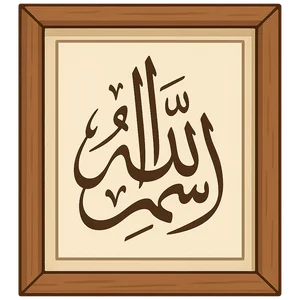
Arabic Calligraphy
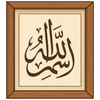
Arabic calligraphy is the artistic practice of handwriting and calligraphy based on the Arabic alphabet.
Reads at Grades 6–8 Listens at Grades 4–8
Print & create
Answer keys·No prep·Free with an account
28 worksheets · answer keys · full story · quiz · Ages 10-12 · CEFR B2
Plus adds 164,000+ more stories in 27 languages, audio for every one, and printables for all of them.
Just want Arabic Calligraphy?
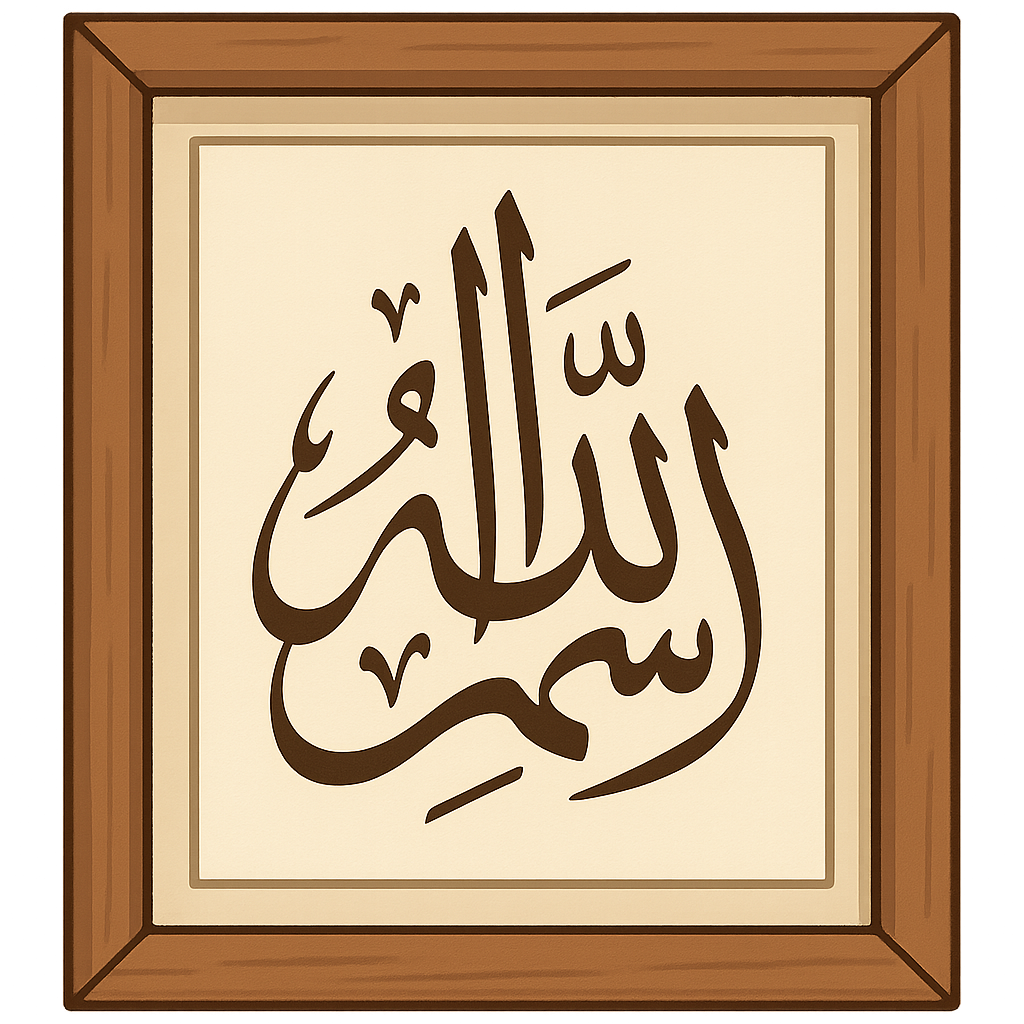
I am a river of ink flowing across a page, a pattern of prayer carved into a palace wall. Sometimes my letters stand strong and straight, like a tall cypress tree reaching for the sky. Other times, my curves loop and swirl with the grace of a gentle breeze, dancing in delicate harmony. I can be decorated with shimmering gold leaf that catches the light or written in the deepest black ink, bold and profound. I am a paradox, both a language that can be read and a picture that can be felt. I carry within my forms the weight of history, the passion of poems, and the reverence of sacred words. My shapes create a visual rhythm, a kind of music for the eyes that invites quiet contemplation. For centuries, people have called me 'the art of the beautiful pen,' a name that captures my essence but only hints at my soul. I am an expression of faith, a symbol of culture, and a celebration of beauty itself. I am Arabic Calligraphy.
My story begins not in a grand studio, but in the vast deserts of the Arabian Peninsula during the 7th century. A new faith, Islam, was spreading, and with it, the sacred words of the holy book, the Qur'an. The early followers of this faith believed these words were a divine message, and they felt a deep need to record them with the utmost reverence and beauty. From this spiritual purpose, I was born. My form grew from the letters of the Arabic alphabet, but I was designed to be more than just simple writing. My earliest formal style was called Kufic, named after the city of Kufa in what is now Iraq. Kufic was majestic and powerful, with bold, angular lines that looked magnificent carved into stone architecture or written on sheets of parchment. My purpose was clear: to transform the holy text into a visual masterpiece. I was meant to elevate the words, turning the physical act of reading into a spiritual act of worship. I was not just a script; I was a prayer made visible for all to see.
The Story of Arabic Calligraphy
I am a river of ink flowing across a page, a pattern of prayer carved into a palace wall. Sometimes my letters stand strong and straight, like a tall cypress tree reaching for the sky. Other times, my curves loop and swirl with the grace of a gentle breeze, dancing in delicate harmony. I can be decorated with shimmering gold leaf that catches the light or written in the deepest black ink, bold and profound. I am a paradox, both a language that can be read and a picture that can be felt. I carry within my forms the weight of history, the passion of poems, and the reverence of sacred words. My shapes create a visual rhythm, a kind of music for the eyes that invites quiet contemplation. For centuries, people have called me 'the art of the beautiful pen,' a name that captures my essence but only hints at my soul. I am an expression of faith, a symbol of culture, and a celebration of beauty itself. I am Arabic Calligraphy.
My story begins not in a grand studio, but in the vast deserts of the Arabian Peninsula during the 7th century. A new faith, Islam, was spreading, and with it, the sacred words of the holy book, the Qur'an. The early followers of this faith believed these words were a divine message, and they felt a deep need to record them with the utmost reverence and beauty. From this spiritual purpose, I was born. My form grew from the letters of the Arabic alphabet, but I was designed to be more than just simple writing. My earliest formal style was called Kufic, named after the city of Kufa in what is now Iraq. Kufic was majestic and powerful, with bold, angular lines that looked magnificent carved into stone architecture or written on sheets of parchment. My purpose was clear: to transform the holy text into a visual masterpiece. I was meant to elevate the words, turning the physical act of reading into a spiritual act of worship. I was not just a script; I was a prayer made visible for all to see.
As the centuries passed, my influence traveled with merchants and scholars to the bustling cultural centers of the Islamic world, cities like Baghdad, Damascus, and Cairo. It was during the great Islamic Golden Age, which began around the 8th century, that I truly blossomed into a sophisticated art form. Master calligraphers, artists who dedicated their entire lives to perfecting my every stroke, developed new and more fluid styles. One of the most famous masters was a man named Ibn Muqla, who worked in Baghdad during the 10th century. He was a visionary who developed a brilliant system of proportion. He used a series of dots and circles to ensure that every letter had a perfect, mathematical relationship to every other letter, creating an incredible sense of balance and harmony. His system became the foundation from which many new styles grew. The elegant and monumental Thuluth script was used for grand titles and inscriptions on mosques. The clear and highly readable Naskh script became the standard for copying the Qur'an and other books. And later, in the Ottoman Empire, the flowing and intricate Diwani style danced across official documents, a secret, beautiful code for the sultan's court.
My beauty was not confined to the pages of books. I decorated almost everything imaginable, weaving myself into the fabric of daily life and culture. I wrapped around the soaring domes of mosques in intricate patterns, ran along the painted edges of beautiful ceramic pottery, and was woven into the complex designs of luxurious carpets. My lines were even engraved onto the gleaming blades of swords, offering blessings and protection. I traveled far and wide with traders and thinkers along the Silk Road, my influence reaching as far as Spain in the west, where I adorned the walls of the Alhambra palace, and India in the east, where I decorated the stunning Taj Mahal. My journey continues today. Contemporary artists use me in modern paintings and digital designs, finding new ways for my ancient lines to speak to a modern audience. Graphic designers draw inspiration from my flowing forms to create elegant logos for companies. I am not a relic of the past; I am a living, breathing art form, constantly being reimagined and rediscovered by new generations.
I am a bridge that connects millions of people across time and space. Though my forms are ancient, my spirit is always new, speaking a universal language of harmony and beauty. I am proof that something as practical as an alphabet can be transformed into a source of infinite creativity and deep spiritual meaning. The next time you see my swirling lines on a building, in a museum, or in a book, I invite you to look closely. See the balance, the rhythm, and the grace in every stroke. I am more than just letters on a page. I am the history of a culture, the expression of faith, and a celebration of beauty that continues to whisper its timeless stories to the world.
Wow facts
About
Arabic calligraphy is the artistic practice of handwriting and calligraphy based on the Arabic alphabet. It is highly revered in Islamic culture, historically used to transcribe the Qur'an and decorate art and architecture.
Take a Quiz
Question 1 of 5
In your own words, describe the journey of Arabic Calligraphy from its origins to its use in the modern world.
Explore next

Want to do even more?
Go beyond exploring. Unlock tools that turn every story into real learning.

Storypie Plus for families
Full stories, quizzes, and printables. Nights and car rides, sorted.
- Unlimited audio stories
- Create Mode: your child stars in the story
- Offline downloads
- Printable worksheets & coloring pages

Why Storypie for Schools
Students engaged. Prep in seconds. Evenings back to you.
- Worksheets & Quizzes
- Classroom Management
- Formative Assessment
- Custom Curriculum & Lesson Plans
- 27 Languages

Why Storypie for Homeschool
Curriculum done. They'll ask for more. Hours back in your day.
- Worksheet Generator
- First-Person Audio Stories
- Built-in Comprehension Quizzes
- Custom Curriculum & Lesson Plans
- Print & Go Activities