English

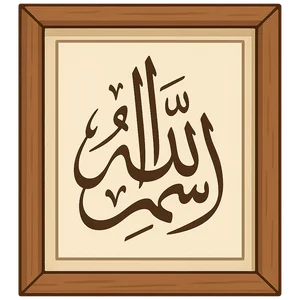
Arabic Calligraphy
Arabic calligraphy is the artistic practice of handwriting and calligraphy based on the Arabic alphabet.
Reads at Grades 3–5 Listens at Grades 1–5
Print & create
Answer keys·No prep·Free with an account
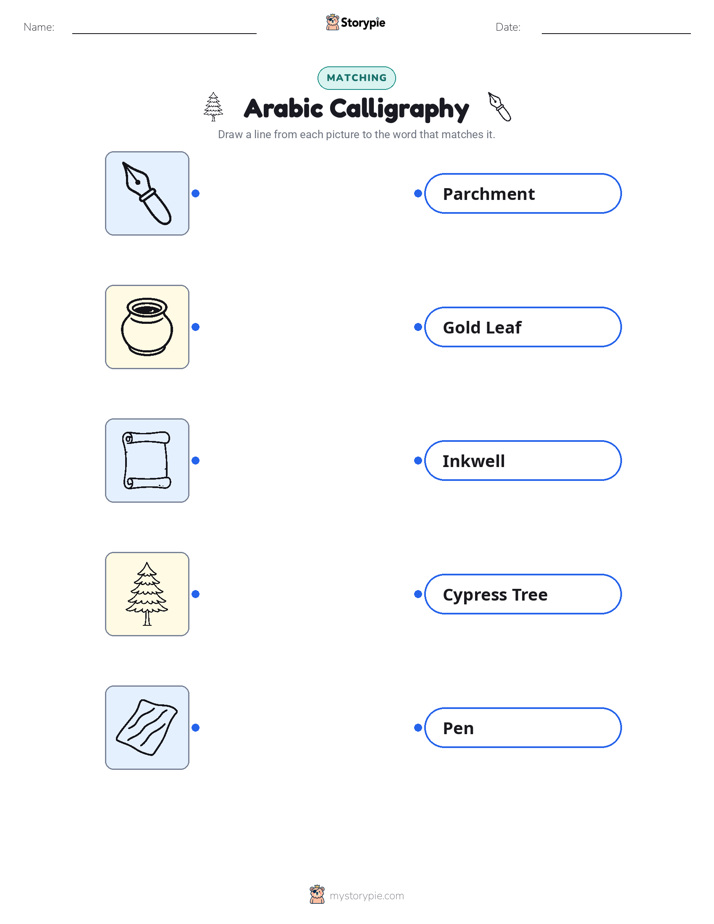
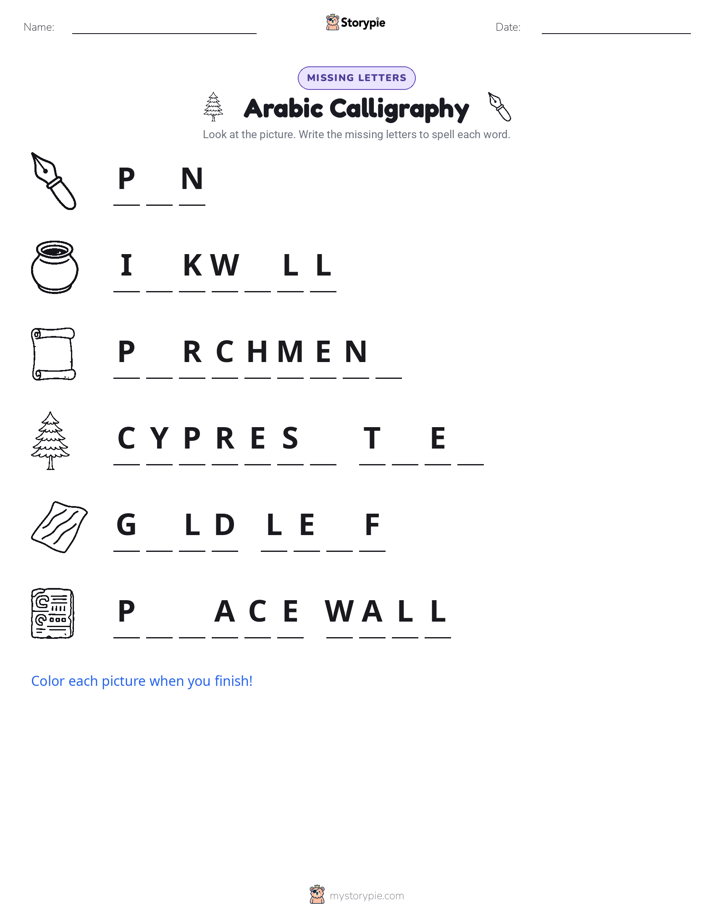
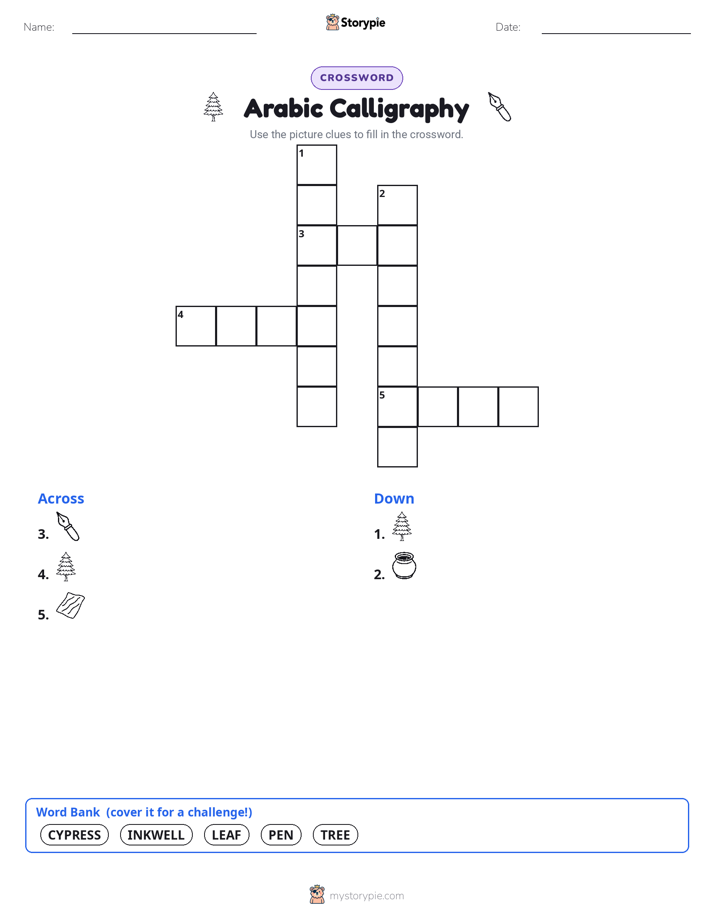
28 worksheets · answer keys · full story · quiz · Ages 8-10 · CEFR B1
Plus adds 164,000+ more stories in 27 languages, audio for every one, and printables for all of them.
Just want Arabic Calligraphy?
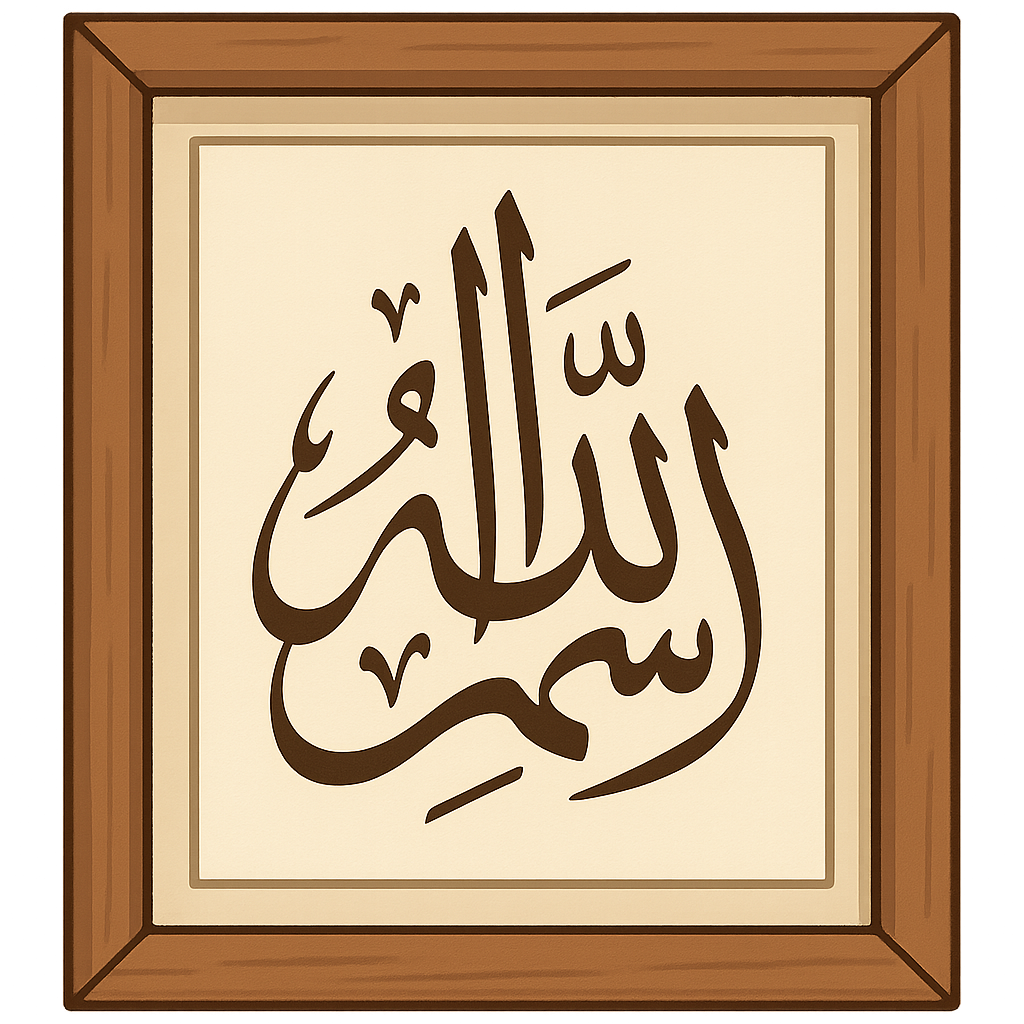
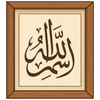
Have you ever seen a line dance? Not with people, but with ink on a page. My lines can flow like rivers, stand tall and strong like trees, or swirl with the energy of the wind. You might see me shimmering in golden ink on the delicate pages of a book, carved into the stone walls of a grand palace, or woven into the rich colors of a carpet. I am a picture made of words, a secret language of shapes that carries feeling in every curve. My beauty is meant to be seen and felt, a puzzle of elegance for your eyes to solve. I am Arabic Calligraphy, the art of beautiful writing.
My story begins a very long time ago, in the deserts of the Arabian Peninsula around the 7th century. I was born from a deep desire to honor something very special: the sacred words of a book called the Qur'an. The people who cherished these words believed that such important ideas should be presented with the greatest possible beauty. This is why I came to be. My creators were amazing artists called calligraphers. Can you imagine spending your whole life learning how to perfect just 28 letters? That’s what they did. They used special pens, often carved from reeds, and mixed their own dark ink. They would practice for years, learning to control every tiny movement of their hand. For them, I wasn't just writing; I was a form of devotion. Each dot, each curve, and each sweeping line was filled with care and purpose. I was made not just for reading, but for feeling a sense of peace and wonder.
Like a person, I grew and developed many different personalities over the centuries. One of my earliest styles was called Kufic, and it first became popular around the end of the 7th century. My Kufic letters are strong, straight, and angular, almost like neat building blocks. You could find them decorating the walls of the first mosques and stamped onto shiny gold coins. But as more and more books were written, people needed a style that was faster to write and easier to read. So, calligraphers developed flowing, cursive styles like Naskh, with round, elegant letters that danced across the page. A truly brilliant man named Ibn Muqla came along in the 10th century. He was like a mathematician of art. He created a clever system using dots and circles to make sure every single letter had perfect proportions. His work helped standardize the main styles of calligraphy, which became known as 'the six pens,' making me more balanced and graceful than ever before.
A Dance of Ink and Light
Have you ever seen a line dance? Not with people, but with ink on a page. My lines can flow like rivers, stand tall and strong like trees, or swirl with the energy of the wind. You might see me shimmering in golden ink on the delicate pages of a book, carved into the stone walls of a grand palace, or woven into the rich colors of a carpet. I am a picture made of words, a secret language of shapes that carries feeling in every curve. My beauty is meant to be seen and felt, a puzzle of elegance for your eyes to solve. I am Arabic Calligraphy, the art of beautiful writing.
My story begins a very long time ago, in the deserts of the Arabian Peninsula around the 7th century. I was born from a deep desire to honor something very special: the sacred words of a book called the Qur'an. The people who cherished these words believed that such important ideas should be presented with the greatest possible beauty. This is why I came to be. My creators were amazing artists called calligraphers. Can you imagine spending your whole life learning how to perfect just 28 letters? That’s what they did. They used special pens, often carved from reeds, and mixed their own dark ink. They would practice for years, learning to control every tiny movement of their hand. For them, I wasn't just writing; I was a form of devotion. Each dot, each curve, and each sweeping line was filled with care and purpose. I was made not just for reading, but for feeling a sense of peace and wonder.
Like a person, I grew and developed many different personalities over the centuries. One of my earliest styles was called Kufic, and it first became popular around the end of the 7th century. My Kufic letters are strong, straight, and angular, almost like neat building blocks. You could find them decorating the walls of the first mosques and stamped onto shiny gold coins. But as more and more books were written, people needed a style that was faster to write and easier to read. So, calligraphers developed flowing, cursive styles like Naskh, with round, elegant letters that danced across the page. A truly brilliant man named Ibn Muqla came along in the 10th century. He was like a mathematician of art. He created a clever system using dots and circles to make sure every single letter had perfect proportions. His work helped standardize the main styles of calligraphy, which became known as 'the six pens,' making me more balanced and graceful than ever before.
From the pages of books and the walls of mosques, I traveled across the world. I decorated everything from simple pottery bowls to the breathtaking tilework of palaces. My journey proved that writing could be much more than just information; it could be magnificent art. The most amazing thing is that you don't even have to read the Arabic language to understand me. You can look at my shapes and feel the power, joy, or tranquility the calligrapher put into each stroke. Today, artists still use my forms to create modern paintings, sculptures, and designs. I am a bridge through time, connecting people from centuries ago to people today, reminding everyone of the incredible beauty that can be found in a single, graceful line.
Wow facts
About
Arabic calligraphy is the artistic practice of handwriting and calligraphy based on the Arabic alphabet. It is highly revered in Islamic culture, historically used to transcribe the Qur'an and decorate art and architecture.
Take a Quiz
Question 1 of 5
In the story, calligraphy is described as a 'bridge through time.' What does this phrase mean?
Explore next


Want to do even more?
Go beyond exploring. Unlock tools that turn every story into real learning.

Storypie Plus for families
Full stories, quizzes, and printables. Nights and car rides, sorted.
- Unlimited audio stories
- Create Mode: your child stars in the story
- Offline downloads
- Printable worksheets & coloring pages

Why Storypie for Schools
Students engaged. Prep in seconds. Evenings back to you.
- Worksheets & Quizzes
- Classroom Management
- Formative Assessment
- Custom Curriculum & Lesson Plans
- 27 Languages

Why Storypie for Homeschool
Curriculum done. They'll ask for more. Hours back in your day.
- Worksheet Generator
- First-Person Audio Stories
- Built-in Comprehension Quizzes
- Custom Curriculum & Lesson Plans
- Print & Go Activities