English

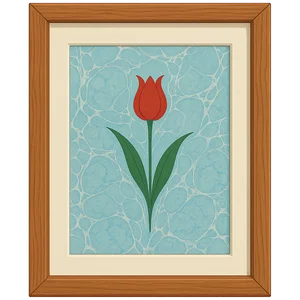
Ebru
Ebru is the traditional Turkish art of paper marbling…
Reads at Grades 6–8 Listens at Grades 4–8
Print & create
Answer keys·No prep·Free with an account
28 worksheets · answer keys · full story · quiz · Ages 10-12 · CEFR B2
Plus adds 164,000+ more stories in 27 languages, audio for every one, and printables for all of them.
Just want Ebru?
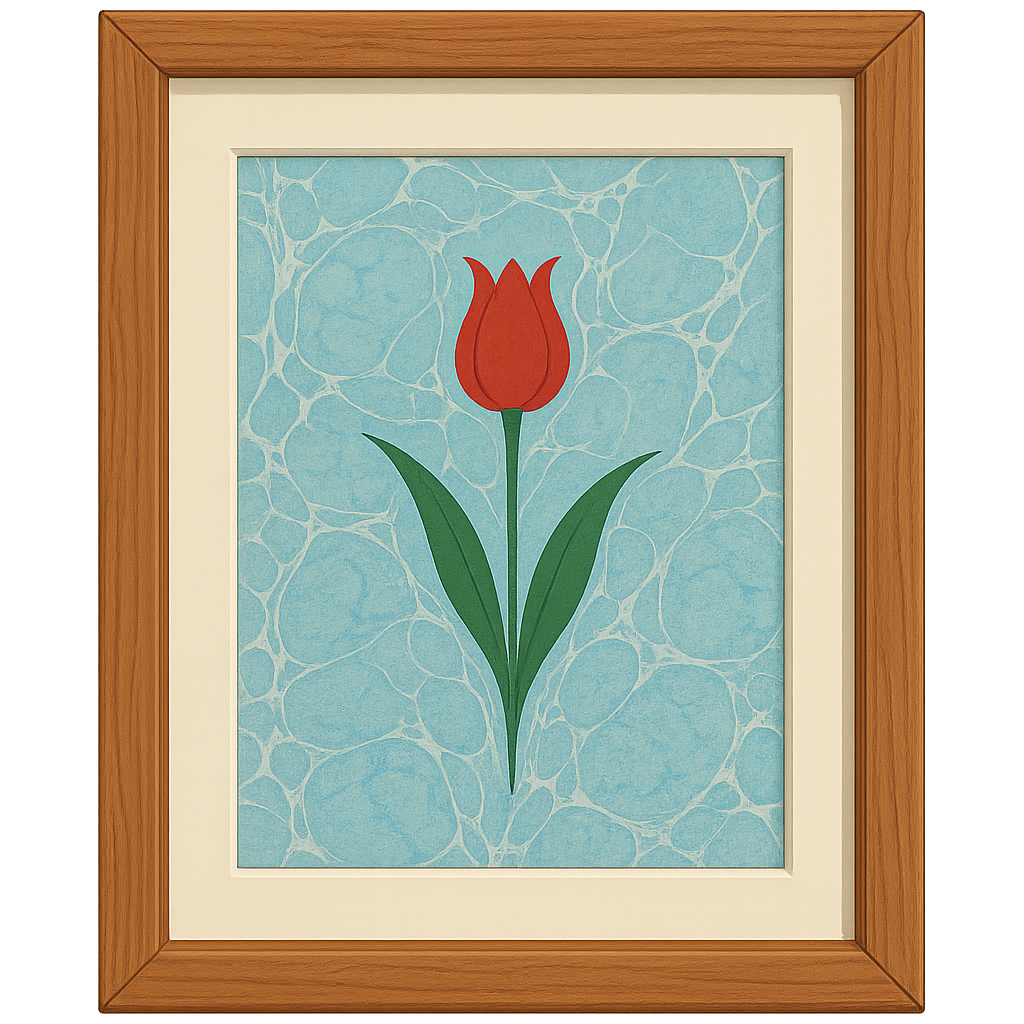
I am a liquid canvas, a shallow tray of water that holds secrets. On my surface, colors as bright and deep as jewels float, refusing to mix. Instead, they dance and swirl, propelled by the gentlest breath of air or the delicate touch of a fine needle. An artist leans over me, a silent partner in creation. With practiced hands, they guide the pigments, coaxing them into blossoms that have never grown in an earthly garden and forming swirling galaxies that have never been seen in the night sky. They might use a brush made of rose stems and horsehair to sprinkle me with a fine mist of color, creating a background like a starry night. Then, with a stylus, they might draw a line through a drop of blue, and it transforms into the delicate, veined petal of a tulip, a flower deeply cherished by the people who perfected my art. The studio is quiet, filled only with the scent of water and earth pigments. The artist holds their breath, knowing this moment is unique and can never be repeated. Once the design is complete, a sheet of special, absorbent paper is carefully laid upon my surface. For a few heartbeats, the paper rests on me, drinking in the floating image. Then, it is lifted away, and in that breathtaking moment of magic, the painting is transferred from water to paper, captured forever. I am Ebru, the ancient and beautiful art of painting on water, and this is my story.
My story begins centuries ago, a whisper of an idea traveling through time and across vast lands. Some say my earliest forms emerged as early as the 13th century in the region of Turkestan in Central Asia. From there, I traveled with merchants, scholars, and artisans along the great Silk Road, that incredible network of routes that connected the East and the West. With each new culture I met, I changed and grew, absorbing new ideas and techniques. It was in the Ottoman Empire, starting around the 15th century, that I truly found my home and my purpose. In the bustling workshops of cities like Istanbul, artists dedicated themselves to perfecting my secrets. They became my masters. They learned how to thicken my water with a special seaweed or a plant gum called 'kitre'. This gave me the perfect viscosity, a body that could hold the colors without letting them sink. They ground colorful earth, minerals, and plant materials into fine powders to create my paints. The true magic, however, was in a single drop of ox gall mixed with each color. This special ingredient allowed the pigments to defy gravity, spreading out in thin, vibrant films on my surface. The artists crafted their own tools: brushes were made from bundles of horsehair tied to a rose stem, which they used to flick or sprinkle me with a universe of tiny dots. For drawing, they used sharp metal styluses, combs, and rakes, which they would pull through the colors to create intricate patterns like combed waves, peacock feathers, or the delicate veins on a leaf. They especially loved to create tulips, a flower that symbolized divine love and beauty in their culture.
The Water That Remembers
I am a liquid canvas, a shallow tray of water that holds secrets. On my surface, colors as bright and deep as jewels float, refusing to mix. Instead, they dance and swirl, propelled by the gentlest breath of air or the delicate touch of a fine needle. An artist leans over me, a silent partner in creation. With practiced hands, they guide the pigments, coaxing them into blossoms that have never grown in an earthly garden and forming swirling galaxies that have never been seen in the night sky. They might use a brush made of rose stems and horsehair to sprinkle me with a fine mist of color, creating a background like a starry night. Then, with a stylus, they might draw a line through a drop of blue, and it transforms into the delicate, veined petal of a tulip, a flower deeply cherished by the people who perfected my art. The studio is quiet, filled only with the scent of water and earth pigments. The artist holds their breath, knowing this moment is unique and can never be repeated. Once the design is complete, a sheet of special, absorbent paper is carefully laid upon my surface. For a few heartbeats, the paper rests on me, drinking in the floating image. Then, it is lifted away, and in that breathtaking moment of magic, the painting is transferred from water to paper, captured forever. I am Ebru, the ancient and beautiful art of painting on water, and this is my story.
My story begins centuries ago, a whisper of an idea traveling through time and across vast lands. Some say my earliest forms emerged as early as the 13th century in the region of Turkestan in Central Asia. From there, I traveled with merchants, scholars, and artisans along the great Silk Road, that incredible network of routes that connected the East and the West. With each new culture I met, I changed and grew, absorbing new ideas and techniques. It was in the Ottoman Empire, starting around the 15th century, that I truly found my home and my purpose. In the bustling workshops of cities like Istanbul, artists dedicated themselves to perfecting my secrets. They became my masters. They learned how to thicken my water with a special seaweed or a plant gum called 'kitre'. This gave me the perfect viscosity, a body that could hold the colors without letting them sink. They ground colorful earth, minerals, and plant materials into fine powders to create my paints. The true magic, however, was in a single drop of ox gall mixed with each color. This special ingredient allowed the pigments to defy gravity, spreading out in thin, vibrant films on my surface. The artists crafted their own tools: brushes were made from bundles of horsehair tied to a rose stem, which they used to flick or sprinkle me with a universe of tiny dots. For drawing, they used sharp metal styluses, combs, and rakes, which they would pull through the colors to create intricate patterns like combed waves, peacock feathers, or the delicate veins on a leaf. They especially loved to create tulips, a flower that symbolized divine love and beauty in their culture.
In the grand city of Istanbul, the heart of the Ottoman Empire, I was far more than just a pretty picture. I became a guardian of truth and a symbol of exquisite craftsmanship. Because no two of my patterns can ever be exactly the same, my unique designs were used to decorate the borders of important government documents, royal decrees, and official letters. My swirling, one-of-a-kind patterns acted as an ingenious form of security. Any attempt to erase or alter the writing on the document would inevitably disturb my delicate design, revealing the forgery to any sharp-eyed official. I was a silent, beautiful witness to history. I was also cherished in the world of books. I was often used as the endpapers, the decorative sheets lining the inside of book covers, protecting precious, hand-written manuscripts. But my meaning ran even deeper than my practical uses. For many artists, especially those who followed the mystical path of Sufism, creating me was a spiritual practice. The process was a form of meditation, requiring immense patience and focus. Each drop of color sprinkled onto my surface was like a deliberate choice or an action in life. However, how that color spread and interacted with the others was a beautiful surprise, a force beyond the artist's complete control. This taught a profound lesson: life is a delicate balance between human intention and the beautiful, unpredictable flow of the universe. Creating me was a lesson in letting go of the need for perfect control and embracing the wonder of the moment.
My journey did not end in the Ottoman Empire. By the 17th century, travelers and diplomats from Europe who visited Istanbul were mesmerized by my liquid dance. They had never seen anything like me. They collected my finished sheets and brought them home, where I was given a new name: 'Turkish paper.' In cities like Venice, Paris, and London, my vibrant patterns were highly prized. I was used by bookbinders to add a touch of exotic beauty to the covers and endpapers of fine books. I also lined the insides of chests, boxes, and even furniture, my patterns bringing a piece of a faraway land into European homes. Today, my journey continues, a living river of art flowing through time. Artists all over the world now dip their brushes into my watery canvas. They study the ancient techniques passed down through generations, but they also invent new methods, pushing my boundaries with modern colors and creative designs. I live on not just in museums or rare book collections, but in vibrant art studios, community workshops, and school classrooms. People of all ages still find joy and a sense of peace in my unpredictable magic. I am a living tradition, a reminder that beauty can be found in a single, fleeting moment, and that with a little water, color, and imagination, you can capture a dream on paper and connect with centuries of human creativity.
Wow facts
About
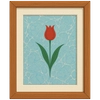
Ebru is the traditional Turkish art of paper marbling, which involves creating colorful patterns by sprinkling and brushing color pigments on a pan of oily water and then transferring this unique pattern to paper.
Take a Quiz
Question 1 of 5
Why were Ebru patterns used on the borders of important Ottoman documents?
Explore next

Want to do even more?
Go beyond exploring. Unlock tools that turn every story into real learning.

Storypie Plus for families
Full stories, quizzes, and printables. Nights and car rides, sorted.
- Unlimited audio stories
- Create Mode: your child stars in the story
- Offline downloads
- Printable worksheets & coloring pages

Why Storypie for Schools
Students engaged. Prep in seconds. Evenings back to you.
- Worksheets & Quizzes
- Classroom Management
- Formative Assessment
- Custom Curriculum & Lesson Plans
- 27 Languages

Why Storypie for Homeschool
Curriculum done. They'll ask for more. Hours back in your day.
- Worksheet Generator
- First-Person Audio Stories
- Built-in Comprehension Quizzes
- Custom Curriculum & Lesson Plans
- Print & Go Activities