English

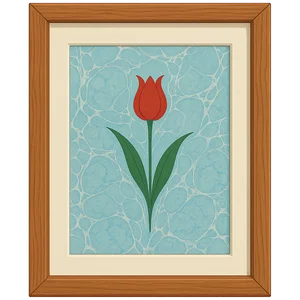
Ebru
Ebru is the traditional Turkish art of paper marbling…
Reads at Grades 3–5 Listens at Grades 1–5
Print & create
Answer keys·No prep·Free with an account
28 worksheets · answer keys · full story · quiz · Ages 8-10 · CEFR B1
Plus adds 164,000+ more stories in 27 languages, audio for every one, and printables for all of them.
Just want Ebru?
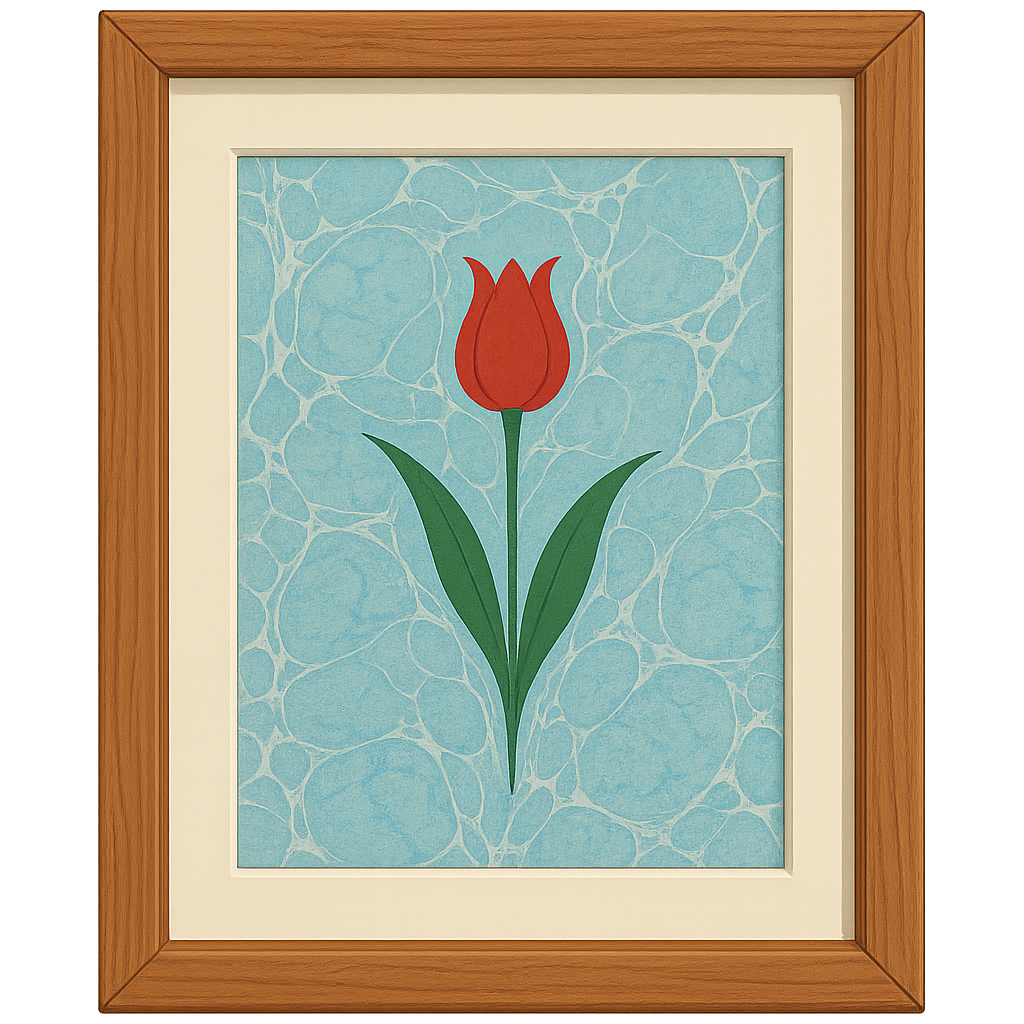
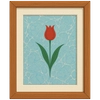
Have you ever seen a flower bloom on water? Or watched a rainbow burst into a swirl of stars right before your eyes? I am not a painting you would find on a wall or in a frame. I am a moment, a dance of colors on a special, watery stage, captured forever on a sheet of paper. You can hear the whisper of pigments as they spread out, floating like tiny, colorful islands. A gentle hand guides a thin needle through the water, and suddenly a straight line wiggles into the stem of a tulip, or a dot blossoms into a perfect petal. I am a fleeting dream given form. I am Ebru, which means 'cloud' in the Persian language. Many people call me the art of painting on clouds, and that’s exactly what it feels like.
My story began a very, very long time ago, perhaps as early as the 10th century, in the heart of Central Asia. I am an old soul, born from curiosity and a love for color. I traveled for hundreds of years in the bags of merchants and the minds of thinkers along the famous Silk Road. Can you imagine that journey? Bumping along on the back of a camel, I crossed vast deserts and high mountains. I eventually arrived in Persia, and then, around the 15th century, I found a special home in the Ottoman Empire, in the land we now call Turkey. The artisans there welcomed me with open arms. They perfected my secrets and helped me become the art I am today. They learned how to make the water just right—a thick, clear liquid called 'size' or 'kitre', which they made from the sap of a plant called tragacanth. It’s like a magical, watery jelly. Then they mixed colorful paints with a liquid from an ox called ox gall. It sounds a bit strange, but it was the magic ingredient that allowed the colors to float instead of sinking. They would drop colors onto the size, then use styluses, needles, and special combs to comb the water itself into beautiful patterns before laying a piece of paper on top to catch the design.
Ebru: The Art of Cloud Painting
Have you ever seen a flower bloom on water? Or watched a rainbow burst into a swirl of stars right before your eyes? I am not a painting you would find on a wall or in a frame. I am a moment, a dance of colors on a special, watery stage, captured forever on a sheet of paper. You can hear the whisper of pigments as they spread out, floating like tiny, colorful islands. A gentle hand guides a thin needle through the water, and suddenly a straight line wiggles into the stem of a tulip, or a dot blossoms into a perfect petal. I am a fleeting dream given form. I am Ebru, which means 'cloud' in the Persian language. Many people call me the art of painting on clouds, and that’s exactly what it feels like.
My story began a very, very long time ago, perhaps as early as the 10th century, in the heart of Central Asia. I am an old soul, born from curiosity and a love for color. I traveled for hundreds of years in the bags of merchants and the minds of thinkers along the famous Silk Road. Can you imagine that journey? Bumping along on the back of a camel, I crossed vast deserts and high mountains. I eventually arrived in Persia, and then, around the 15th century, I found a special home in the Ottoman Empire, in the land we now call Turkey. The artisans there welcomed me with open arms. They perfected my secrets and helped me become the art I am today. They learned how to make the water just right—a thick, clear liquid called 'size' or 'kitre', which they made from the sap of a plant called tragacanth. It’s like a magical, watery jelly. Then they mixed colorful paints with a liquid from an ox called ox gall. It sounds a bit strange, but it was the magic ingredient that allowed the colors to float instead of sinking. They would drop colors onto the size, then use styluses, needles, and special combs to comb the water itself into beautiful patterns before laying a piece of paper on top to catch the design.
In the Ottoman Empire, I wasn't just a pretty picture; I was a treasure. My swirling, unique patterns were used to decorate the borders of important royal decrees from the sultan. My designs were so complex and impossible to copy that they acted like a secret code, proving the document was real and hadn't been changed. I also became the beautiful lining on the inside of book covers, a secret garden of color that greeted you before you even read the first word of a poem or a scientific text. I held knowledge and beauty together. Then, in the 17th century, travelers from Europe saw me for the first time. They were completely amazed. They had never seen anything like me. They called me 'Turkish Paper' and carefully carried sheets of me back to their homes in England, France, and Italy. There, I was used for the most luxurious things, like lining fancy wooden chests and binding very special books. I was a little piece of Ottoman magic that had traveled the world.
My journey didn't end there. I am still alive and floating in trays of water in artists' studios all across the globe. The old traditions are passed down from teacher to student, a quiet ripple across time. I even received a great honor. On November 27th, 2014, the organization UNESCO recognized me as a special treasure of human culture that should be protected and celebrated forever. Every time an artist lays a piece of paper on the water, they are capturing a moment that is completely unique. Just like a snowflake or a fingerprint, no two of my creations can ever be exactly the same. I am a beautiful reminder that every swirl, every drop of color, and every single person is wonderfully one-of-a-kind.
Wow facts
About
Ebru is the traditional Turkish art of paper marbling, which involves creating colorful patterns by sprinkling and brushing color pigments on a pan of oily water and then transferring this unique pattern to paper.
Take a Quiz
Question 1 of 5
According to the story, what did European travelers name the art of Ebru when they first discovered it?
Explore next



Want to do even more?
Go beyond exploring. Unlock tools that turn every story into real learning.

Storypie Plus for families
Full stories, quizzes, and printables. Nights and car rides, sorted.
- Unlimited audio stories
- Create Mode: your child stars in the story
- Offline downloads
- Printable worksheets & coloring pages

Why Storypie for Schools
Students engaged. Prep in seconds. Evenings back to you.
- Worksheets & Quizzes
- Classroom Management
- Formative Assessment
- Custom Curriculum & Lesson Plans
- 27 Languages

Why Storypie for Homeschool
Curriculum done. They'll ask for more. Hours back in your day.
- Worksheet Generator
- First-Person Audio Stories
- Built-in Comprehension Quizzes
- Custom Curriculum & Lesson Plans
- Print & Go Activities