English

Emancipation Proclamation
A presidential proclamation and executive order issued by United States President Abraham Lincoln during the…
Reads at Grades 3–5 Listens at Grades 1–5
Print & create
Answer keys·No prep·Free with an account
28 worksheets · answer keys · full story · quiz · Ages 8-10 · CEFR B1
Plus adds 102,000+ more stories in 27 languages, audio for every one, and printables for all of them.
Just want Emancipation Proclamation?
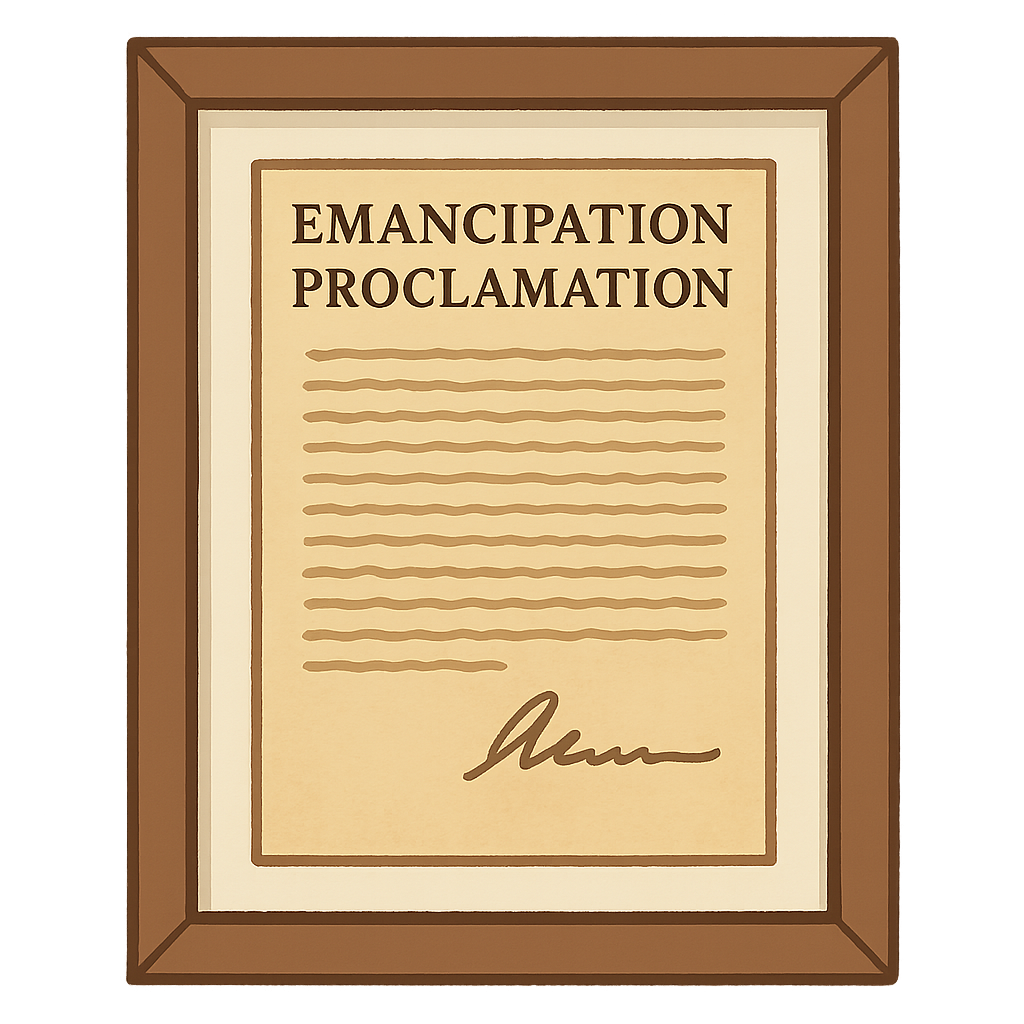
Before I had a name, I was just a collection of thoughts in a very troubled time. Imagine a country filled with the sounds of marching boots and booming cannons, a nation where brothers fought against brothers. My world was one of quiet offices filled with flickering gaslight, but outside, a great storm of war was raging. I started as ink on paper, just simple black lines on a white page, but I carried the weight of millions of hopes. People who had known nothing but chains and hardship whispered prayers that someone, somewhere, would write the words that could set them free. I was that whisper turned into a roar, a promise made when it seemed like promises were easily broken. My words were chosen carefully, because they had to be strong enough to change the course of a war and reshape a nation. I am the Emancipation Proclamation.
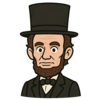
I was born from the mind and hand of a very tall, thoughtful man: President Abraham Lincoln. He worked in a grand building called the White House, in a city named Washington, D.C. The country was split in two, and he was searching for a way to bring it back together and heal its deepest wound. He believed that to win the war, the Union needed a greater purpose than just preserving the nation—it needed to fight for freedom for all. He drafted a first version of me, called the Preliminary Emancipation Proclamation, and he announced it to the world on September 22nd, 1862. It was a warning, a promise of what was to come. Then, on a chilly New Year's Day, January 1st, 1863, he sat down to sign my final version. People who were there said his hand shook as he picked up the pen. Can you imagine that. It wasn’t because he was afraid. It was because he knew the power my words held. He told everyone, 'I never, in my life, felt more certain that I was doing right, than I do in signing this paper.'
A Promise Written in Ink
Before I had a name, I was just a collection of thoughts in a very troubled time. Imagine a country filled with the sounds of marching boots and booming cannons, a nation where brothers fought against brothers. My world was one of quiet offices filled with flickering gaslight, but outside, a great storm of war was raging. I started as ink on paper, just simple black lines on a white page, but I carried the weight of millions of hopes. People who had known nothing but chains and hardship whispered prayers that someone, somewhere, would write the words that could set them free. I was that whisper turned into a roar, a promise made when it seemed like promises were easily broken. My words were chosen carefully, because they had to be strong enough to change the course of a war and reshape a nation. I am the Emancipation Proclamation.
I was born from the mind and hand of a very tall, thoughtful man: President Abraham Lincoln. He worked in a grand building called the White House, in a city named Washington, D.C. The country was split in two, and he was searching for a way to bring it back together and heal its deepest wound. He believed that to win the war, the Union needed a greater purpose than just preserving the nation—it needed to fight for freedom for all. He drafted a first version of me, called the Preliminary Emancipation Proclamation, and he announced it to the world on September 22nd, 1862. It was a warning, a promise of what was to come. Then, on a chilly New Year's Day, January 1st, 1863, he sat down to sign my final version. People who were there said his hand shook as he picked up the pen. Can you imagine that. It wasn’t because he was afraid. It was because he knew the power my words held. He told everyone, 'I never, in my life, felt more certain that I was doing right, than I do in signing this paper.'
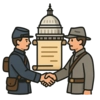
My message spread across the land like wildfire. My most important sentence declared that all enslaved people in the states that were fighting against the Union 'shall be then, thenceforward, and forever free.' Now, I wasn't a magic spell. I couldn't free everyone in an instant. My power depended on the Union Army. As soldiers marched south, they carried my promise with them, freeing enslaved people town by town. On the night before I was to be signed, many African Americans gathered for 'Watch Night' services, praying and waiting for midnight. When news of my signing finally reached them, celebrations erupted. People sang, cheered, and cried tears of joy. I did something else just as important. I officially changed the reason for the war into a fight for freedom. And for the first time, I declared that African American men could join the Union Army. Nearly 200,000 brave men signed up to fight for the very freedom I promised, their own and their families'.
My work was a giant leap, but it was not the final step. I was a wartime promise from the president, not a law for the entire country forever. But my powerful words paved the way for something even stronger. Inspired by my promise, the country passed the Thirteenth Amendment to the Constitution in 1865, which officially ended slavery everywhere in the United States for good. My job was done, but my story was not over. Today, I am kept very safe in a special case at the National Archives in Washington, D.C. My ink has faded over the years, and the paper is delicate, but my message is as strong as ever. Visitors peer through the glass to see the words that changed a nation. I am a reminder to everyone that ideas, written down with purpose and courage, have the power to change the world. The fight for freedom and fairness is a promise that every generation must keep alive.
Wow facts
About
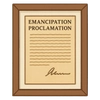
A presidential proclamation and executive order issued by United States President Abraham Lincoln during the American Civil War, which declared that all enslaved individuals in the Confederate states were to be freed, but it did not apply to those in border states loyal to the Union.
Take a Quiz
Question 1 of 5
Why did President Lincoln's hand shake when he signed the document?
Explore next


Want to do even more?
Go beyond exploring. Unlock tools that turn every story into real learning.

Storypie Plus for families
Full stories, quizzes, and printables. Nights and car rides, sorted.
- Unlimited audio stories
- Create Mode: your child stars in the story
- Offline downloads
- Printable worksheets & coloring pages

Why Storypie for Schools
Students engaged. Prep in seconds. Evenings back to you.
- Worksheets & Quizzes
- Classroom Management
- Formative Assessment
- Custom Curriculum & Lesson Plans
- 27 Languages

Why Storypie for Homeschool
Curriculum done. They'll ask for more. Hours back in your day.
- Worksheet Generator
- First-Person Audio Stories
- Built-in Comprehension Quizzes
- Custom Curriculum & Lesson Plans
- Print & Go Activities