English

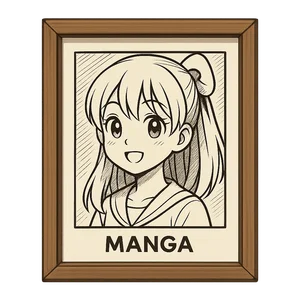
Manga
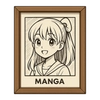
Manga is a Japanese style of comic books and graphic novels, known for its distinctive art style with large…
Reads at Grades 3–5 Listens at Grades 1–5
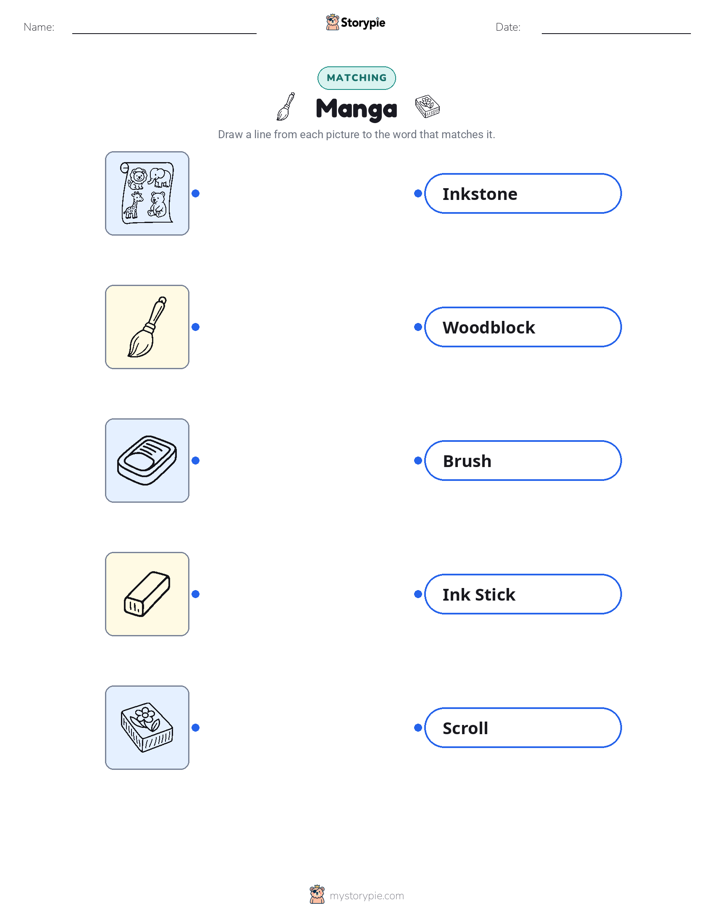
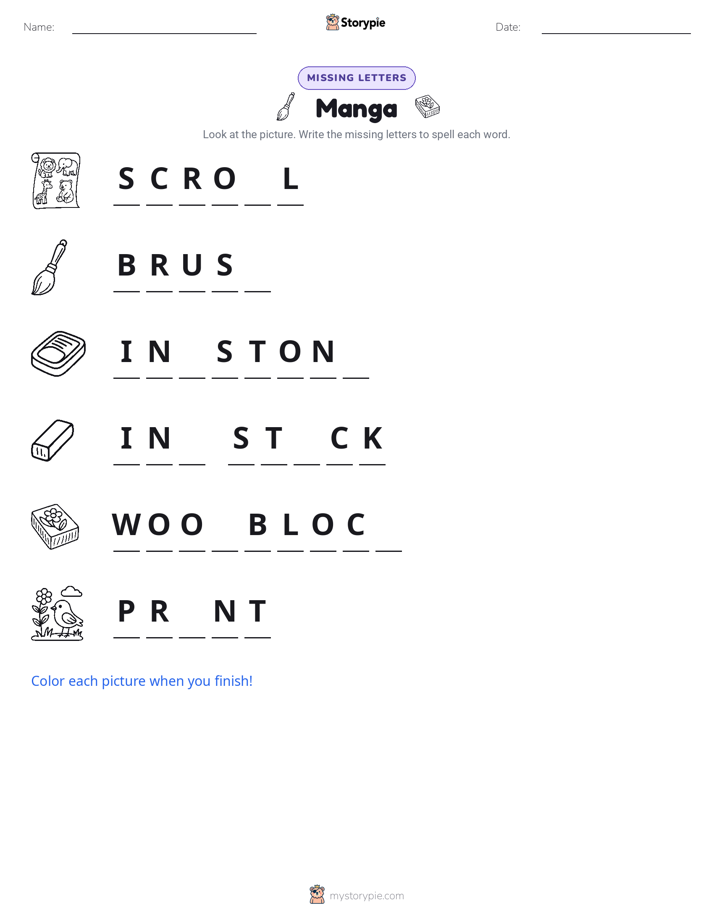
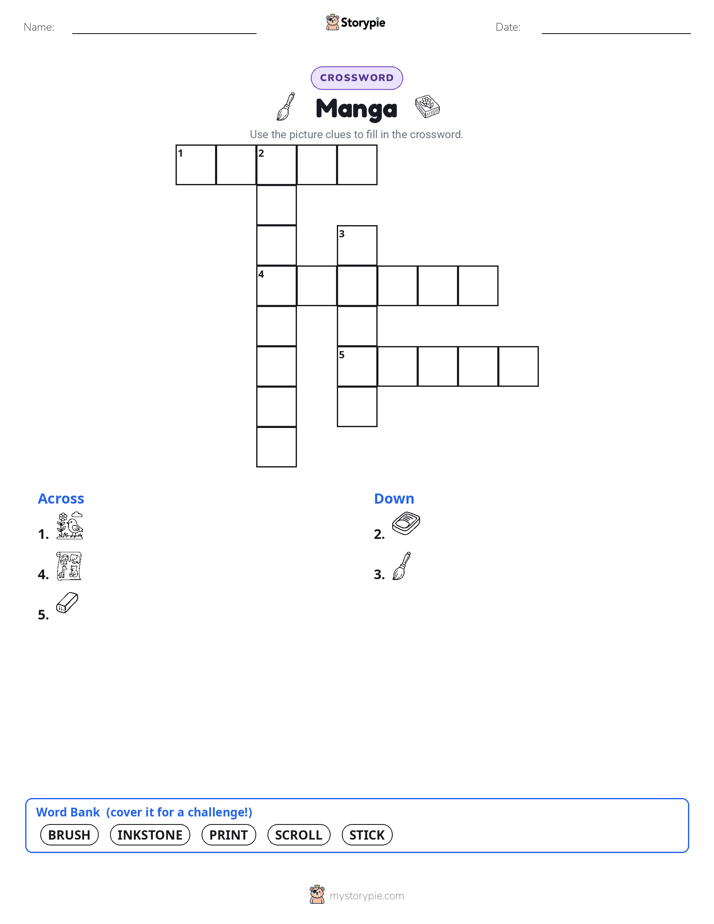
Print & create
Answer keys·No prep·Free with an account
28 worksheets · answer keys · full story · quiz · Ages 8-10 · CEFR B1
Plus adds 164,000+ more stories in 27 languages, audio for every one, and printables for all of them.
Just want Manga?
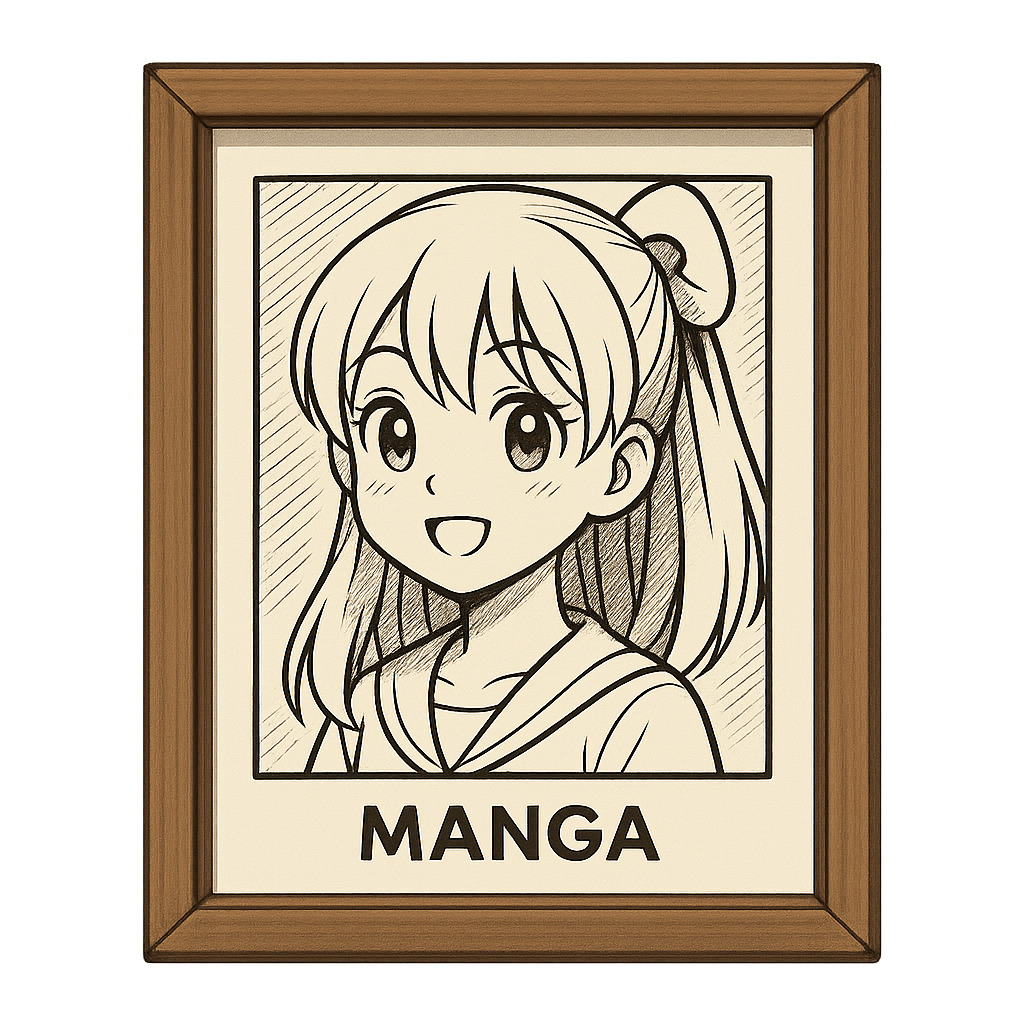
Before you even know my name, you’ve felt my energy. I live on the pages of a book, but I don’t stay still. I leap and fly in bold black lines. My characters have eyes as big as dinner plates, sparkling with surprise, joy, or determination. Their hair might be spiky and wild, and when they move, swooshing speed lines follow them across the page, showing just how fast they’re going. I am a world of pictures that tells a story, a language of art that anyone can understand, no matter where they are from. Can you imagine telling a whole adventure with just drawings? That's what I do. I am Manga, and I was born in the beautiful country of Japan.
My story begins a very long time ago, long before I was called by my current name. In the 12th century, my earliest ancestors were painted on long paper scrolls called Chōjū-jinbutsu-giga, which means 'Scrolls of Frolicking Animals.' It sounds fancy, but they were really just funny pictures of rabbits, monkeys, and frogs acting like people. Think of a frog winning a wrestling match against a rabbit. They were some of the very first comics in the world. Hundreds of years passed, and during a time called the Edo period, from 1603 to 1868, artists in Japan created colorful woodblock prints called ukiyo-e. These prints showed scenes from everyday life, famous actors, and beautiful landscapes. One of the most famous artists, Katsushika Hokusai, was always sketching. He drew everything he saw: people, animals, plants, and even mythical creatures. Around the year 1814, he gathered his sketches into books and called them 'Hokusai Manga.' The word 'manga' back then meant something like 'whimsical pictures' or 'random drawings.' He had no idea that he was giving a name to a future global phenomenon. That's how I got my name.
The Story of Manga
Before you even know my name, you’ve felt my energy. I live on the pages of a book, but I don’t stay still. I leap and fly in bold black lines. My characters have eyes as big as dinner plates, sparkling with surprise, joy, or determination. Their hair might be spiky and wild, and when they move, swooshing speed lines follow them across the page, showing just how fast they’re going. I am a world of pictures that tells a story, a language of art that anyone can understand, no matter where they are from. Can you imagine telling a whole adventure with just drawings? That's what I do. I am Manga, and I was born in the beautiful country of Japan.
My story begins a very long time ago, long before I was called by my current name. In the 12th century, my earliest ancestors were painted on long paper scrolls called Chōjū-jinbutsu-giga, which means 'Scrolls of Frolicking Animals.' It sounds fancy, but they were really just funny pictures of rabbits, monkeys, and frogs acting like people. Think of a frog winning a wrestling match against a rabbit. They were some of the very first comics in the world. Hundreds of years passed, and during a time called the Edo period, from 1603 to 1868, artists in Japan created colorful woodblock prints called ukiyo-e. These prints showed scenes from everyday life, famous actors, and beautiful landscapes. One of the most famous artists, Katsushika Hokusai, was always sketching. He drew everything he saw: people, animals, plants, and even mythical creatures. Around the year 1814, he gathered his sketches into books and called them 'Hokusai Manga.' The word 'manga' back then meant something like 'whimsical pictures' or 'random drawings.' He had no idea that he was giving a name to a future global phenomenon. That's how I got my name.
For a long time, I was mostly collections of sketches and short, funny stories. But after a very difficult time in Japan's history, World War II, which ended in 1945, everything changed. The people of Japan needed new stories filled with hope, adventure, and dreams for a better future. That’s when a brilliant artist named Osamu Tezuka came along. He had a dream to tell long, exciting stories with pictures, just like movies. He loved American cartoons, and he was inspired to give my characters those huge, expressive eyes to show all their feelings—from the deepest sadness to the biggest joy. He drew his stories with exciting camera angles and action that flowed from one picture panel to the next, making you feel like you were right there in the middle of the adventure. In 1952, he created a story about a powerful robot boy with a kind and loving heart called 'Astro Boy.' It was a huge success. People loved the story of a hero who used his powers for good. Mr. Tezuka became known as the 'God of Manga' because he helped me grow from simple sketches into the epic storytelling art form I am today.
From that moment on, I grew and grew. Soon, I wasn't just one type of story. There were all kinds of manga: shōnen for action-packed adventures full of battles and teamwork, shōjo for stories about friendship, feelings, and romance, and many more for every interest you can imagine, from sports to cooking to science fiction. I traveled out of Japan and across the oceans, and soon children and adults all over the world began to read my stories, even in different languages. Today, you can find me not just in books, but as animated shows called anime, in video games, and in blockbuster movies. I am a way for people everywhere to share their biggest dreams, their funniest jokes, and their most thrilling adventures. I am a bridge that connects people and cultures through the power of a good story. So, the next time you see me, turn my page. Let’s see what world we can explore together.
Wow facts
About
Manga is a Japanese style of comic books and graphic novels, known for its distinctive art style with large, expressive eyes and many different kinds of stories, including action-packed, funny, and sweet tales.
Take a Quiz
Question 1 of 5
In the story, manga says its name originally meant 'whimsical pictures.' What does the word 'whimsical' mean in this context?
Explore next



Want to do even more?
Go beyond exploring. Unlock tools that turn every story into real learning.

Storypie Plus for families
Full stories, quizzes, and printables. Nights and car rides, sorted.
- Unlimited audio stories
- Create Mode: your child stars in the story
- Offline downloads
- Printable worksheets & coloring pages

Why Storypie for Schools
Students engaged. Prep in seconds. Evenings back to you.
- Worksheets & Quizzes
- Classroom Management
- Formative Assessment
- Custom Curriculum & Lesson Plans
- 27 Languages

Why Storypie for Homeschool
Curriculum done. They'll ask for more. Hours back in your day.
- Worksheet Generator
- First-Person Audio Stories
- Built-in Comprehension Quizzes
- Custom Curriculum & Lesson Plans
- Print & Go Activities