English

Moai
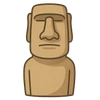
Moai are monolithic human figures carved by the Rapa Nui people on Easter Island in eastern Polynesia between…
Reads at Grades 6–8 Listens at Grades 4–8
Print & create
Answer keys·No prep·Free with an account
28 worksheets · answer keys · full story · quiz · Ages 10-12 · CEFR B2
Plus adds 244,000+ more stories in 27 languages, audio for every one, and printables for all of them.
Just want Moai?
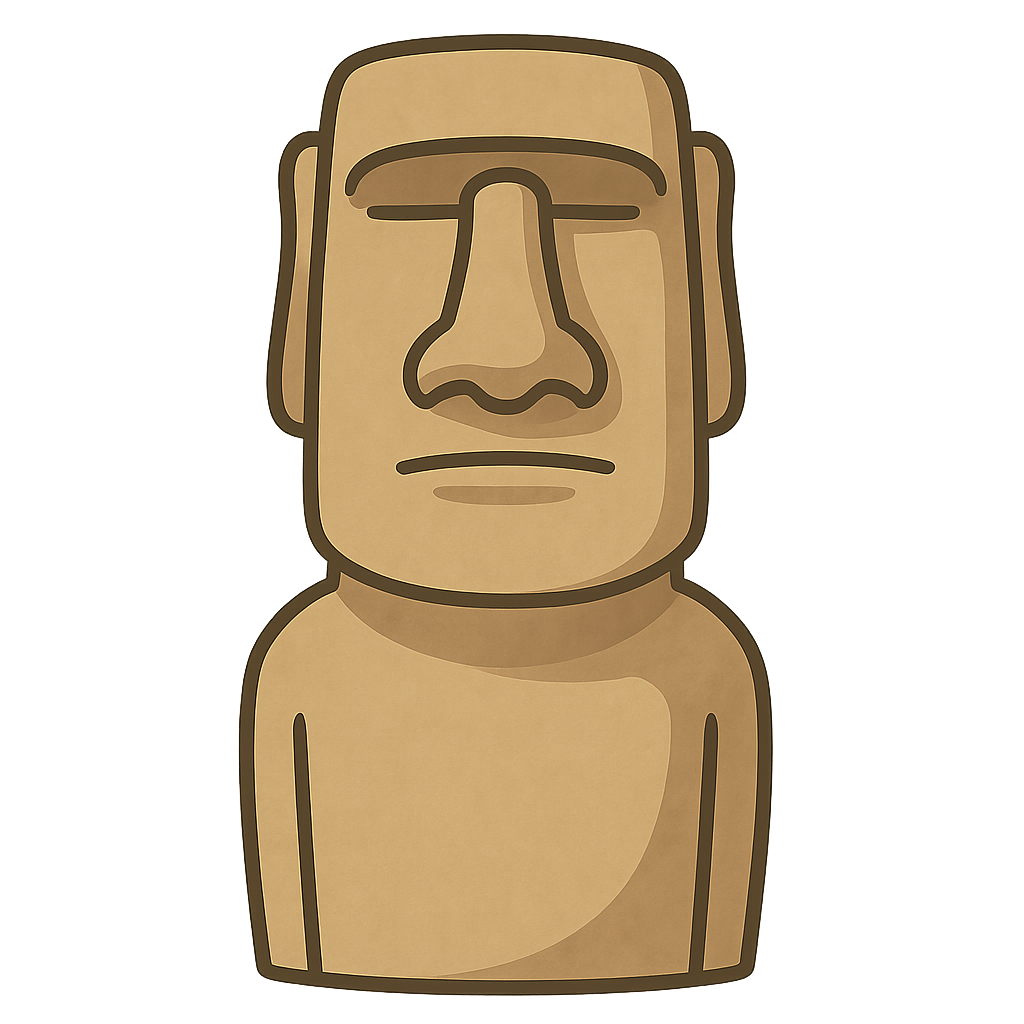
For centuries, the salty wind of the Pacific has been my only constant companion, whipping around my stone face and whispering secrets from the endless blue water. I feel the warm sun on my brow and the cool, damp grass that grows at my base. I am one of nearly a thousand silent brothers standing sentinel on this lonely island, our backs to the crashing waves and our gaze fixed inland. Before the world knew my name, it felt my presence—an immense guardian carved from the very heart of a volcano. I am a Moai, one of the great stone watchers of Rapa Nui.
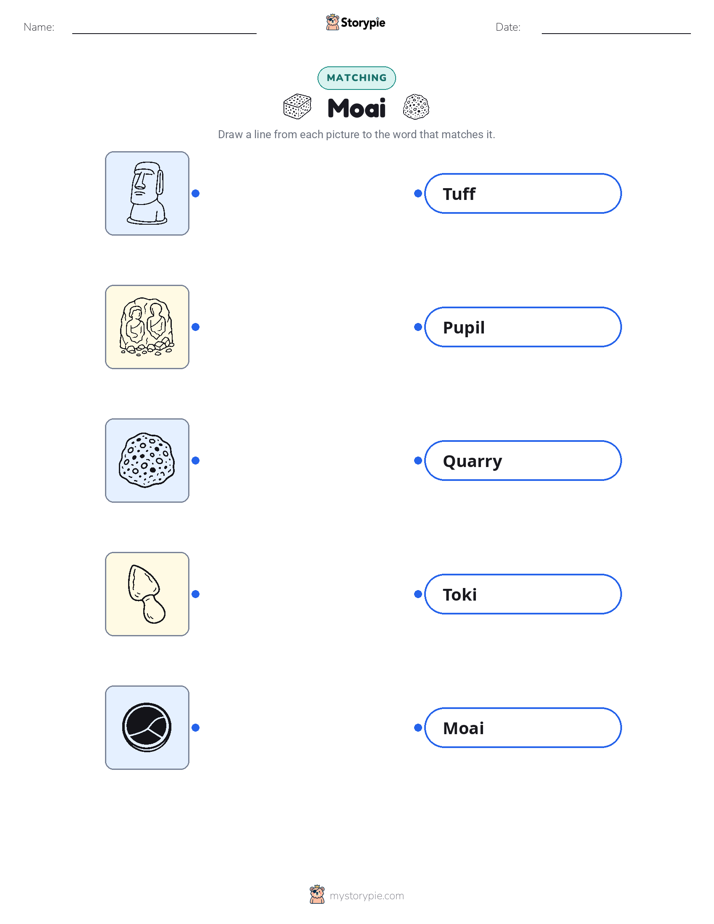
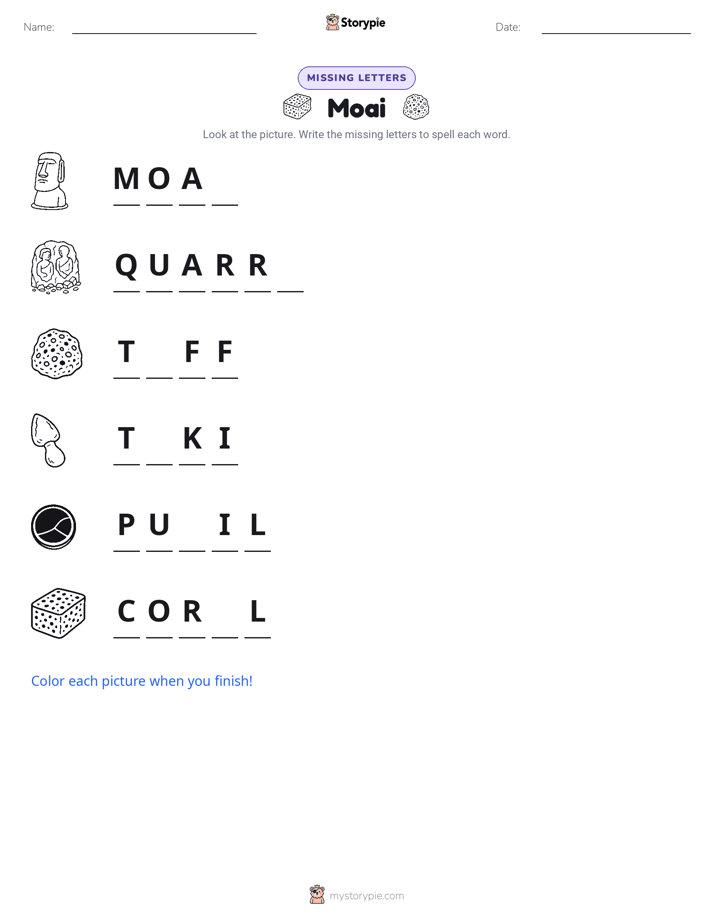
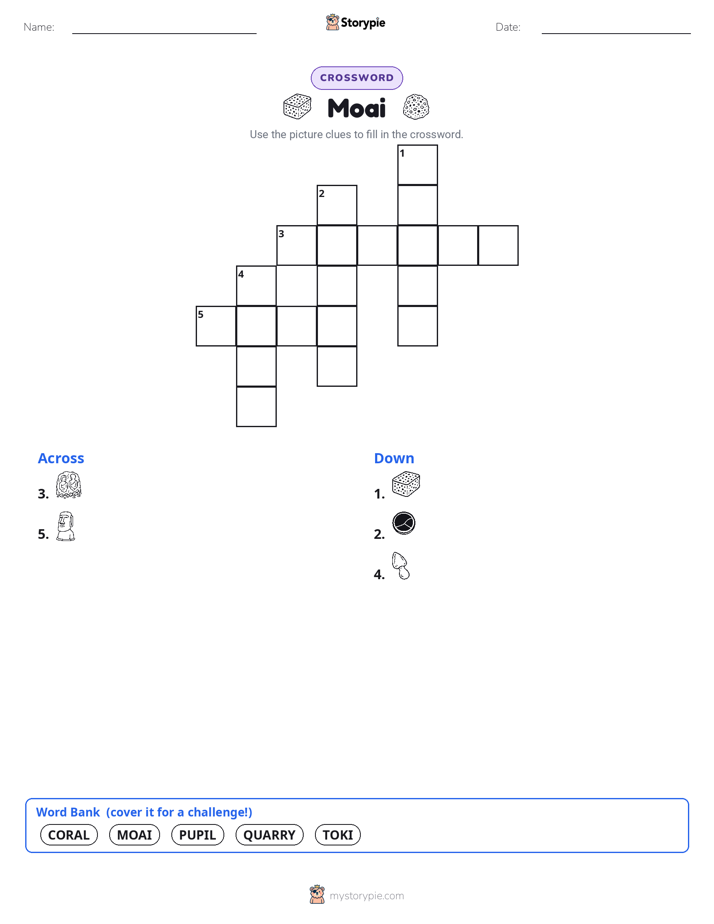
My life began not with a breath, but with the rhythmic strike of stone on stone. I was born between the 13th and 16th centuries, not built, but awakened from the volcanic tuff of the Rano Raraku quarry. The Rapa Nui people, my creators, saw my form within the rock before their work even began. They were master artisans who understood the soul of the mountain. With handheld stone tools called toki, teams of skilled carvers chipped away for years, patiently releasing my towering form from my stone cradle. I remember the echoing sounds of their work and the sacred chants they sang, infusing me with purpose. They shaped my distinctive long ears, my strong, resolute jaw, and my deep-set eyes. Those eyes were carved to one day hold pupils of sacred white coral and black obsidian, allowing me to channel spiritual power and watch over my people.
To be carved was only the beginning; my true purpose awaited me miles away, at a ceremonial platform called an ahu. My great journey from the quarry was a monumental feat of engineering and faith. Even today, no one is certain exactly how my creators moved me, as I weigh many tons. Some modern experts believe they used a ladder of logs and strong ropes made from tree bark to slide me across the island. Others have theorized that the Rapa Nui people made me “walk.” Using a clever system of ropes, they would rock me from side to side, inching me forward in a slow, careful, and sacred procession that could take months. When I finally reached my ahu, I was raised to stand tall, overlooking a village. My gaze was meant to be a protective one, watching over the community and its resources. Some of my most distinguished brothers were even given a pukao, a separate, heavy crown of red scoria stone, signifying our immense spiritual authority.
The Stone Watcher of Rapa Nui
For centuries, the salty wind of the Pacific has been my only constant companion, whipping around my stone face and whispering secrets from the endless blue water. I feel the warm sun on my brow and the cool, damp grass that grows at my base. I am one of nearly a thousand silent brothers standing sentinel on this lonely island, our backs to the crashing waves and our gaze fixed inland. Before the world knew my name, it felt my presence—an immense guardian carved from the very heart of a volcano. I am a Moai, one of the great stone watchers of Rapa Nui.
My life began not with a breath, but with the rhythmic strike of stone on stone. I was born between the 13th and 16th centuries, not built, but awakened from the volcanic tuff of the Rano Raraku quarry. The Rapa Nui people, my creators, saw my form within the rock before their work even began. They were master artisans who understood the soul of the mountain. With handheld stone tools called toki, teams of skilled carvers chipped away for years, patiently releasing my towering form from my stone cradle. I remember the echoing sounds of their work and the sacred chants they sang, infusing me with purpose. They shaped my distinctive long ears, my strong, resolute jaw, and my deep-set eyes. Those eyes were carved to one day hold pupils of sacred white coral and black obsidian, allowing me to channel spiritual power and watch over my people.
To be carved was only the beginning; my true purpose awaited me miles away, at a ceremonial platform called an ahu. My great journey from the quarry was a monumental feat of engineering and faith. Even today, no one is certain exactly how my creators moved me, as I weigh many tons. Some modern experts believe they used a ladder of logs and strong ropes made from tree bark to slide me across the island. Others have theorized that the Rapa Nui people made me “walk.” Using a clever system of ropes, they would rock me from side to side, inching me forward in a slow, careful, and sacred procession that could take months. When I finally reached my ahu, I was raised to stand tall, overlooking a village. My gaze was meant to be a protective one, watching over the community and its resources. Some of my most distinguished brothers were even given a pukao, a separate, heavy crown of red scoria stone, signifying our immense spiritual authority.
But the sounds of creation eventually faded. The carving of my brothers in the quarry stopped around the 16th century, and the world of my creators changed. A period of conflict and environmental strain came to the island. One by one, many of my brothers were pushed from their platforms, their powerful gaze turned to the soil. For centuries, we slept, our stories buried with us. Then, new sails appeared on the horizon. On a day the newcomers called Easter Sunday, in the year 1722, a different kind of canoe arrived. It was a European ship, captained by a man named Jacob Roggeveen. He and his crew stared in disbelief, wondering who could have made such colossal figures and how we were moved. Their arrival marked the beginning of the world's fascination with my island and its silent stone guardians.
My long silence was finally broken in the 20th century. Archaeologists from around the world, working hand-in-hand with the modern descendants of my creators, began the painstaking work of raising my fallen brothers and me once again. Today, I stand as a testament to the ingenuity, artistry, and enduring spirit of the Rapa Nui people. I am part of a UNESCO World Heritage site, a profound mystery that still captivates scientists, historians, and travelers. I remind everyone who sees me that even on the most remote island on Earth, human creativity can leave a legacy that stands for a thousand years, a silent story in stone that continues to connect the past to the future.
Wow facts
About
Moai are monolithic human figures carved by the Rapa Nui people on Easter Island in eastern Polynesia between the years 1250 and 1500.
Take a Quiz
Question 1 of 5
According to the story, what was the ceremonial platform where a Moai was placed called?
Explore next





Want to do even more?
Go beyond exploring. Unlock tools that turn every story into real learning.

Storypie Plus for families
Full stories, quizzes, and printables. Nights and car rides, sorted.
- Unlimited audio stories
- Create Mode: your child stars in the story
- Offline downloads
- Printable worksheets & coloring pages

Why Storypie for Schools
Students engaged. Prep in seconds. Evenings back to you.
- Worksheets & Quizzes
- Classroom Management
- Formative Assessment
- Custom Curriculum & Lesson Plans
- 27 Languages

Why Storypie for Homeschool
Curriculum done. They'll ask for more. Hours back in your day.
- Worksheet Generator
- First-Person Audio Stories
- Built-in Comprehension Quizzes
- Custom Curriculum & Lesson Plans
- Print & Go Activities