English

Festa Junina
Festa Junina, or the 'June Festival…
Reads at Grades 6–8 Listens at Grades 4–8
Print & create
Answer keys·No prep·Free with an account
28 worksheets · answer keys · full story · quiz · Ages 10-12 · CEFR B2
Plus adds 116,000+ more stories in 27 languages, audio for every one, and printables for all of them.
Just want Festa Junina?
Come, sit with me here on the porch. Can you feel that? The air in the Brazilian countryside gets a little crisp in June, a welcome change from the usual warmth. My name is João, but my grandchildren call me Vovô João, and that’s what you can call me, too. Breathe deep. You can smell the woodsmoke from a distant bonfire and the sweet scent of roasting corn. This smell tells me my favorite time of year has arrived: Festa Junina, the June Festival. It feels like the whole country takes a happy breath and gets ready to celebrate. Though it’s a Brazilian treasure now, its roots stretch all the way across the Atlantic Ocean. Hundreds of years ago, the Portuguese brought their midsummer harvest festivals to our shores. These were ancient celebrations tied to the changing of the seasons and the gathering of crops.
Over time, these traditions blended with our Catholic faith. The festival became a time to honor three important saints, each with their own special day. We start by celebrating Saint Anthony on June 13th, the patron saint of marriages. Then comes the biggest celebration of all for Saint John the Baptist on June 24th, and we finish the month by honoring Saint Peter on June 29th. But here in Brazil, the festival took on its own unique flavor. For us, it became a wonderful way to give thanks for the life-giving rains that help our crops grow strong and, most importantly, to celebrate the bountiful corn harvest. Corn is the absolute star of Festa Junina. It’s in our food, our decorations, and our hearts during this special month. It represents our connection to the land and the simple, good life of the countryside.
Vovô João and the Heartbeat of Festa Junina
Come, sit with me here on the porch. Can you feel that? The air in the Brazilian countryside gets a little crisp in June, a welcome change from the usual warmth. My name is João, but my grandchildren call me Vovô João, and that’s what you can call me, too. Breathe deep. You can smell the woodsmoke from a distant bonfire and the sweet scent of roasting corn. This smell tells me my favorite time of year has arrived: Festa Junina, the June Festival. It feels like the whole country takes a happy breath and gets ready to celebrate. Though it’s a Brazilian treasure now, its roots stretch all the way across the Atlantic Ocean. Hundreds of years ago, the Portuguese brought their midsummer harvest festivals to our shores. These were ancient celebrations tied to the changing of the seasons and the gathering of crops.
Over time, these traditions blended with our Catholic faith. The festival became a time to honor three important saints, each with their own special day. We start by celebrating Saint Anthony on June 13th, the patron saint of marriages. Then comes the biggest celebration of all for Saint John the Baptist on June 24th, and we finish the month by honoring Saint Peter on June 29th. But here in Brazil, the festival took on its own unique flavor. For us, it became a wonderful way to give thanks for the life-giving rains that help our crops grow strong and, most importantly, to celebrate the bountiful corn harvest. Corn is the absolute star of Festa Junina. It’s in our food, our decorations, and our hearts during this special month. It represents our connection to the land and the simple, good life of the countryside.
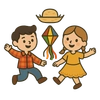
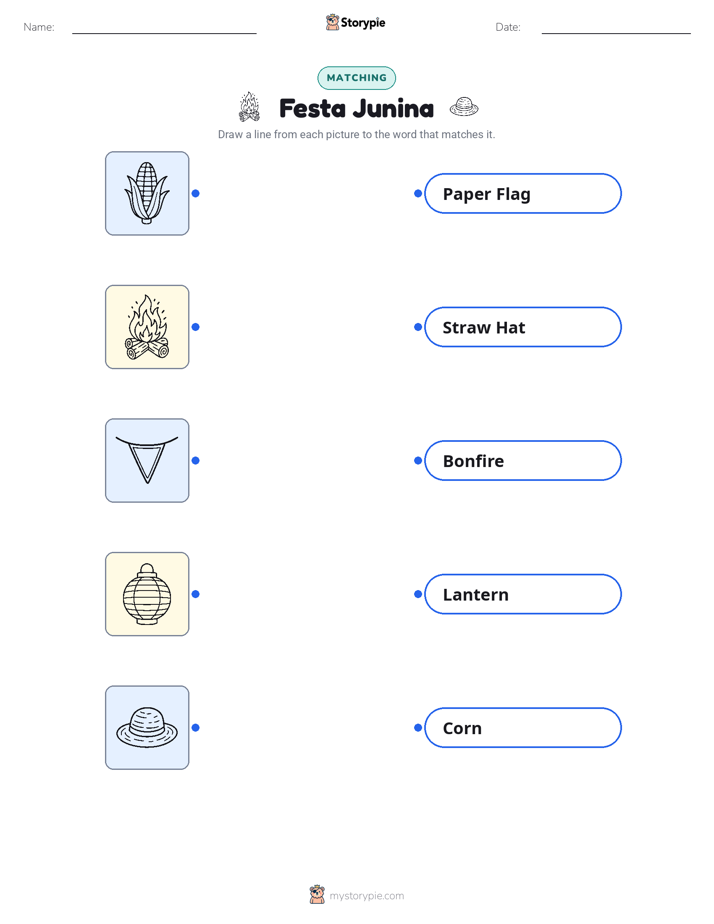
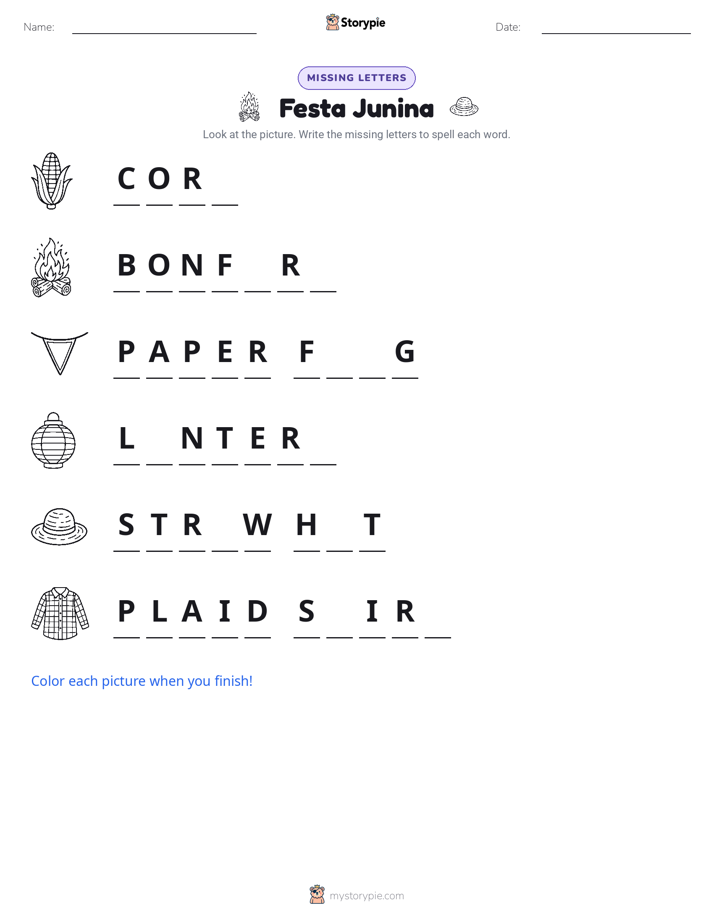
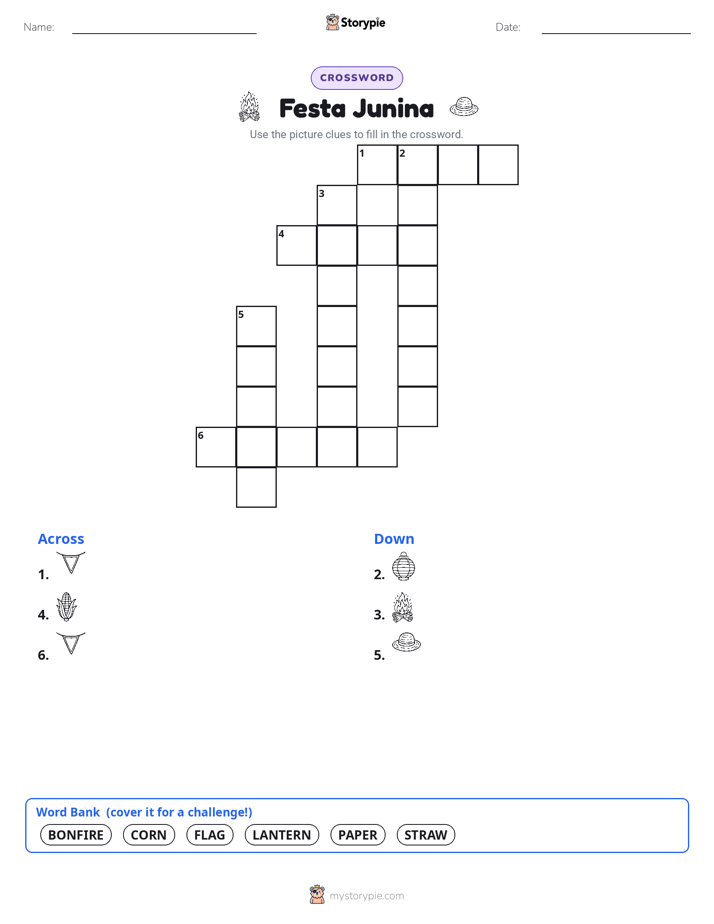
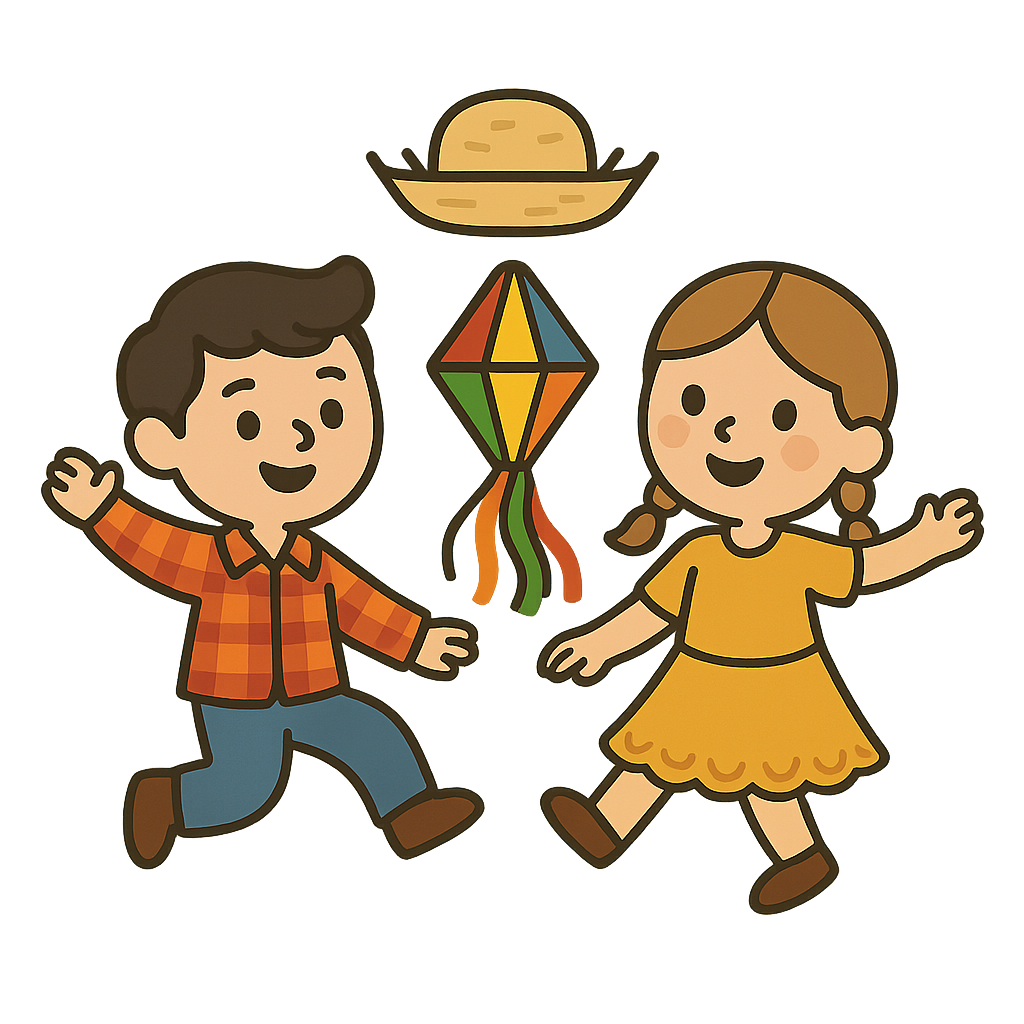
Oh, the memories I have. When I was a boy, my entire village would work together to prepare the arraial, the festival grounds. We would spend days stringing up colorful paper flags, called bandeirinhas, which would crisscross the sky and dance in the breeze. At night, paper lanterns would glow, casting a warm, magical light on everyone’s smiling faces. And the outfits. We didn’t wear our everyday clothes. We dressed up as caipiras, which means country folk, to honor our rural heritage. I’d pull on a plaid shirt, sometimes with colorful patches sewn on by my mother, and a worn straw hat. My sister would braid her hair, put on a frilly dress, and my mother would use a little bit of makeup to paint freckles across our noses. We all looked like we’d just stepped out of a charming old farm story. The heart of the celebration, for me, was always the quadrilha. It’s a traditional square dance that tells a story, usually about a country wedding. An announcer, the marcador, calls out the steps in a booming voice: 'Balance!', 'Look at the path!', 'The bridge has broken!'. We’d all follow his lead, weaving and turning, laughing as we pretended to navigate the twists and turns of the story. The music, driven by the cheerful accordion, the sharp beat of the triangle, and the steady rhythm of the zabumba drum, made it impossible to stand still. Dancing the quadrilha under the stars with my friends and family made me feel like I was part of something much bigger than myself—a living, breathing tradition.
Of course, you can't have a celebration without a feast. The air would be thick with the most delicious smells. My favorite was always pamonha, a sweet corn paste wrapped in a corn husk and boiled until it was soft and perfect. Then there was canjica, a creamy white corn pudding with cinnamon, and bolo de fubá, a simple but delicious corn cake that my grandmother made better than anyone. We’d drink hot quentão, a spiced drink that warmed us from the inside out, and eat roasted corn on the cob right from the fire. And at the center of it all was the fogueira, the bonfire. It was huge, crackling and sending bright sparks up into the dark night sky. We would gather around its warmth, telling stories, singing songs, and feeling the powerful sense of togetherness. The bonfire wasn't just for light or heat; it was the glowing heart of our community, a place where everyone felt welcome and connected.
As I’ve grown older, I’ve come to understand that Festa Junina is so much more than just a big party with wonderful food and dancing. It is a celebration of who we are. It’s about honoring our roots, the hardworking caipiras who farmed the land and built our communities. It’s a time to strengthen the bonds of family and friendship, to put aside our worries and just enjoy being together. The bonfire itself is a powerful symbol, an ancient tradition meant for purification, to burn away bad luck and protect us for the year to come. In a world that is always changing and moving so fast, this festival keeps us connected to the land, to the seasons, and to each other. It reminds us of the importance of community and the simple joys of life.
It fills my heart with pride to see my own children and grandchildren celebrate with the same excitement I did as a boy. They string up the bandeirinhas, they dance the quadrilha, and they share the same foods that their great-grandparents once did. This is how we keep our heritage alive. We pass it down, from one hand to the next, like a precious gift. My hope for you is that you cherish your own traditions, whatever they may be. Celebrate them with all your heart, because these are the moments that weave us together and create memories that will keep you warm for a lifetime, just like the glow of the fogueira.
Wow facts
About
Festa Junina, or the 'June Festival,' is a traditional Brazilian celebration held in June to honor Catholic saints and celebrate the rural harvest, featuring bonfires, folk music, dancing, and typical foods.
Take a Quiz
Question 1 of 5
In your own words, summarize the main events and traditions of a Festa Junina celebration as described by Vovô João.
Want to do even more?
Go beyond exploring. Unlock tools that turn every story into real learning.

Storypie Plus for families
Full stories, quizzes, and printables. Nights and car rides, sorted.
- Unlimited audio stories
- Create Mode: your child stars in the story
- Offline downloads
- Printable worksheets & coloring pages

Why Storypie for Schools
Students engaged. Prep in seconds. Evenings back to you.
- Worksheets & Quizzes
- Classroom Management
- Formative Assessment
- Custom Curriculum & Lesson Plans
- 27 Languages

Why Storypie for Homeschool
Curriculum done. They'll ask for more. Hours back in your day.
- Worksheet Generator
- First-Person Audio Stories
- Built-in Comprehension Quizzes
- Custom Curriculum & Lesson Plans
- Print & Go Activities