English

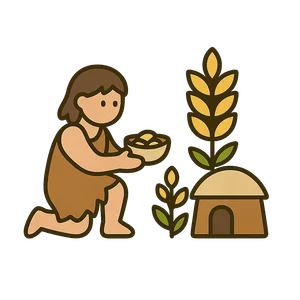
Neolithic Revolution
A period of major change in human history, beginning around 10,000 BCE…
Reads at Grades 3–5 Listens at Grades 1–5
Print & create
Answer keys·No prep·Free with an account
28 worksheets · answer keys · full story · quiz · Ages 8-10 · CEFR B1
Plus adds 102,000+ more stories in 27 languages, audio for every one, and printables for all of them.
Just want Neolithic Revolution?
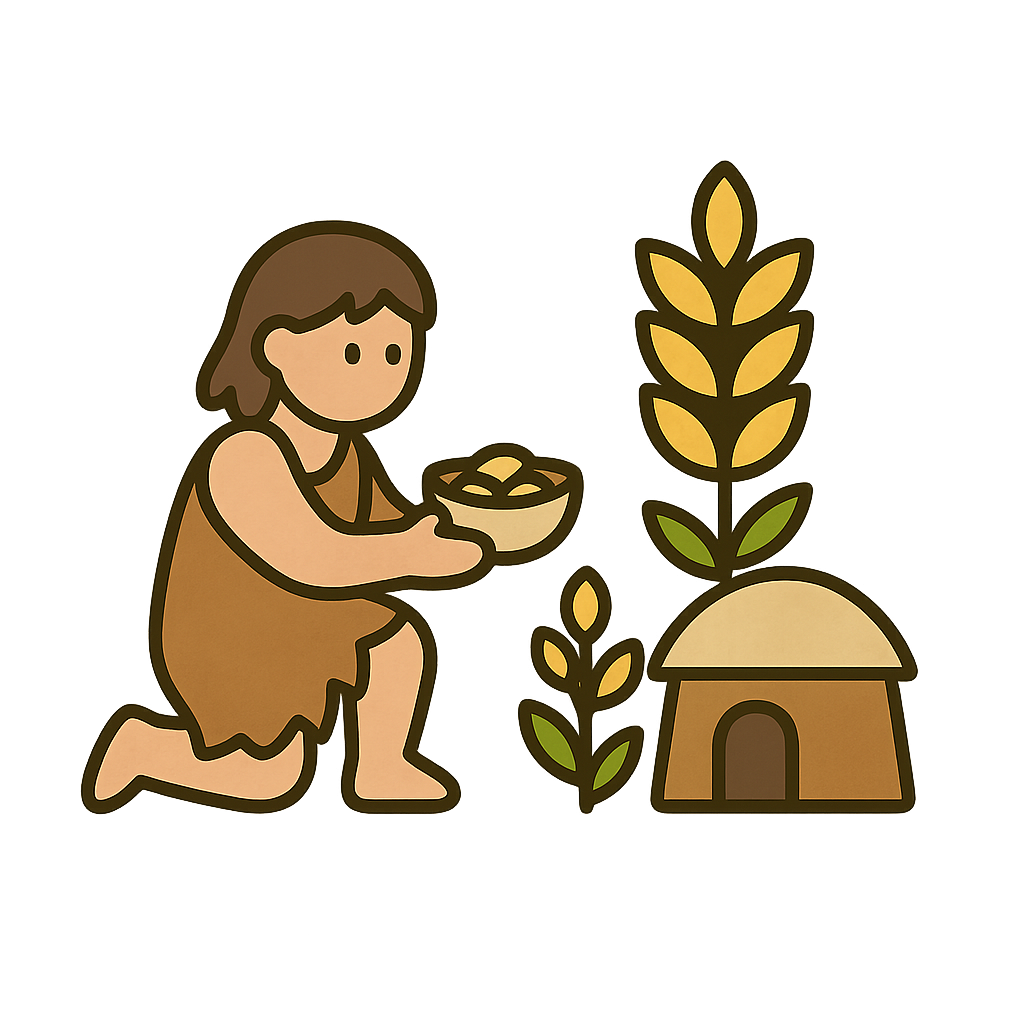
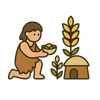
My name is Elara, and my story took place more than twelve thousand years ago. Back then, the world was very different. There were no towns, no cozy houses, and certainly no stores. My family and I were nomads, which is a fancy word for wanderers. We never stayed in one place for long. We followed the great herds of mammoths and wild deer, because they were our source of food and warm skins for clothing. We carried everything we owned on our backs: our flint tools for cutting, our animal-hide shelters, and our woven baskets for gathering. Life was a constant journey. Some days were full of sunshine and the sweet taste of berries we found in the forest. Other days were hard, filled with hunger and the cold wind whipping at our faces. We were free, but we were also tied to the seasons and the movement of the animals. We had to be experts at finding food, because if we weren't, we would go hungry. I often wondered if there was another way to live, a way where we didn’t have to worry so much about where our next meal would come from.
One year, we camped for a long time by a wide, gentle river in a land that people today call the Fertile Crescent. The ground there was rich and dark, and all along the riverbanks grew tall stalks of wild wheat. I loved to watch them wave in the breeze like a golden ocean. We would gather the grains, grind them between two stones, and make a thick, warm porridge. It was hard work for a little bit of food, but it was delicious. One afternoon, as I was carrying a basket full of grain back to our camp, I tripped over a root and spilled some of it on the ground. I was upset, thinking of the wasted food, but my mother told me not to worry. We forgot all about it. Weeks later, after a good rain, I was walking past that very spot and I saw something amazing. Tiny green shoots were pushing their way out of the earth right where I had spilled the seeds. It was the wild wheat, growing right where I had dropped it. A huge idea sparked in my mind, an idea that felt both exciting and scary. What if we didn't have to search for the wheat? What if we planted the seeds on purpose, right here by the river? I ran to tell my father. At first, he and the other elders were unsure. Staying in one place was risky. What if the herds moved on? What if the plants didn't grow? But I begged them to try. I explained how we could have food right outside our camp. Finally, they agreed to a small experiment. We chose a sunny patch of land and used sharp sticks to break up the soil. We carefully pushed the precious seeds into the ground, one by one. The waiting was the hardest part. Every day, I would check on our little field. We had to chase away hungry birds that tried to eat the seeds and pull up pesky weeds. I felt a knot of worry in my stomach. What if it failed? Then, one morning, I saw them. Rows and rows of tiny green sprouts. Our idea was working. We tended our little crop all summer, and when autumn came, we had our very first harvest. We had more wheat than we had ever gathered at one time. We had done it.
Elara's Great Discovery
My name is Elara, and my story took place more than twelve thousand years ago. Back then, the world was very different. There were no towns, no cozy houses, and certainly no stores. My family and I were nomads, which is a fancy word for wanderers. We never stayed in one place for long. We followed the great herds of mammoths and wild deer, because they were our source of food and warm skins for clothing. We carried everything we owned on our backs: our flint tools for cutting, our animal-hide shelters, and our woven baskets for gathering. Life was a constant journey. Some days were full of sunshine and the sweet taste of berries we found in the forest. Other days were hard, filled with hunger and the cold wind whipping at our faces. We were free, but we were also tied to the seasons and the movement of the animals. We had to be experts at finding food, because if we weren't, we would go hungry. I often wondered if there was another way to live, a way where we didn’t have to worry so much about where our next meal would come from.
One year, we camped for a long time by a wide, gentle river in a land that people today call the Fertile Crescent. The ground there was rich and dark, and all along the riverbanks grew tall stalks of wild wheat. I loved to watch them wave in the breeze like a golden ocean. We would gather the grains, grind them between two stones, and make a thick, warm porridge. It was hard work for a little bit of food, but it was delicious. One afternoon, as I was carrying a basket full of grain back to our camp, I tripped over a root and spilled some of it on the ground. I was upset, thinking of the wasted food, but my mother told me not to worry. We forgot all about it. Weeks later, after a good rain, I was walking past that very spot and I saw something amazing. Tiny green shoots were pushing their way out of the earth right where I had spilled the seeds. It was the wild wheat, growing right where I had dropped it. A huge idea sparked in my mind, an idea that felt both exciting and scary. What if we didn't have to search for the wheat? What if we planted the seeds on purpose, right here by the river? I ran to tell my father. At first, he and the other elders were unsure. Staying in one place was risky. What if the herds moved on? What if the plants didn't grow? But I begged them to try. I explained how we could have food right outside our camp. Finally, they agreed to a small experiment. We chose a sunny patch of land and used sharp sticks to break up the soil. We carefully pushed the precious seeds into the ground, one by one. The waiting was the hardest part. Every day, I would check on our little field. We had to chase away hungry birds that tried to eat the seeds and pull up pesky weeds. I felt a knot of worry in my stomach. What if it failed? Then, one morning, I saw them. Rows and rows of tiny green sprouts. Our idea was working. We tended our little crop all summer, and when autumn came, we had our very first harvest. We had more wheat than we had ever gathered at one time. We had done it.
That first successful harvest changed everything. Because we knew we would have food from our field the next year, we didn't have to pack up and leave when the weather turned cold. For the first time in our lives, we stayed put. Instead of our flimsy animal-hide shelters, my father and uncles learned to build a sturdier home. They mixed mud from the riverbank with reeds and straw and built thick walls that kept out the wind. It felt so strange and wonderful to have a real home. Soon, other families who wandered through the area saw our fields of grain and our solid houses. They saw that we had a surplus of food, meaning we had more than enough to eat. They decided to stay, too. They cleared their own patches of land and built their own mud-brick homes next to ours. Our single camp grew into a small village. With plenty of food, we had time for other things. My mother became very skilled at making clay pots, which were perfect for storing our grain and keeping it safe from mice. My aunt started weaving cloth from the fibers of a plant called flax. A man named Kael was the best at making sharp flint axe heads for clearing trees. We were no longer just hunter-gatherers; we were farmers, potters, and weavers. Looking at our bustling village, I realized that my small, accidental discovery had planted the seed for a whole new way of life. We had security and community, and we were building a future, all because we learned to work with the land instead of just wandering across it.
Wow facts
About
A period of major change in human history, beginning around 10,000 BCE, when people shifted from a nomadic hunter-gatherer lifestyle to settled agriculture and farming.
Take a Quiz
Question 1 of 5
Why was Elara's family's decision to try farming a 'risky idea'?
Explore next



Want to do even more?
Go beyond exploring. Unlock tools that turn every story into real learning.

Storypie Plus for families
Full stories, quizzes, and printables. Nights and car rides, sorted.
- Unlimited audio stories
- Create Mode: your child stars in the story
- Offline downloads
- Printable worksheets & coloring pages

Why Storypie for Schools
Students engaged. Prep in seconds. Evenings back to you.
- Worksheets & Quizzes
- Classroom Management
- Formative Assessment
- Custom Curriculum & Lesson Plans
- 27 Languages

Why Storypie for Homeschool
Curriculum done. They'll ask for more. Hours back in your day.
- Worksheet Generator
- First-Person Audio Stories
- Built-in Comprehension Quizzes
- Custom Curriculum & Lesson Plans
- Print & Go Activities