English

New Deal
A series of programs, public work projects, financial reforms…
Reads at Grades 6–8 Listens at Grades 4–8
Print & create
Answer keys·No prep·Free with an account
28 worksheets · answer keys · full story · quiz · Ages 10-12 · CEFR B2
Plus adds 102,000+ more stories in 27 languages, audio for every one, and printables for all of them.
Just want New Deal?
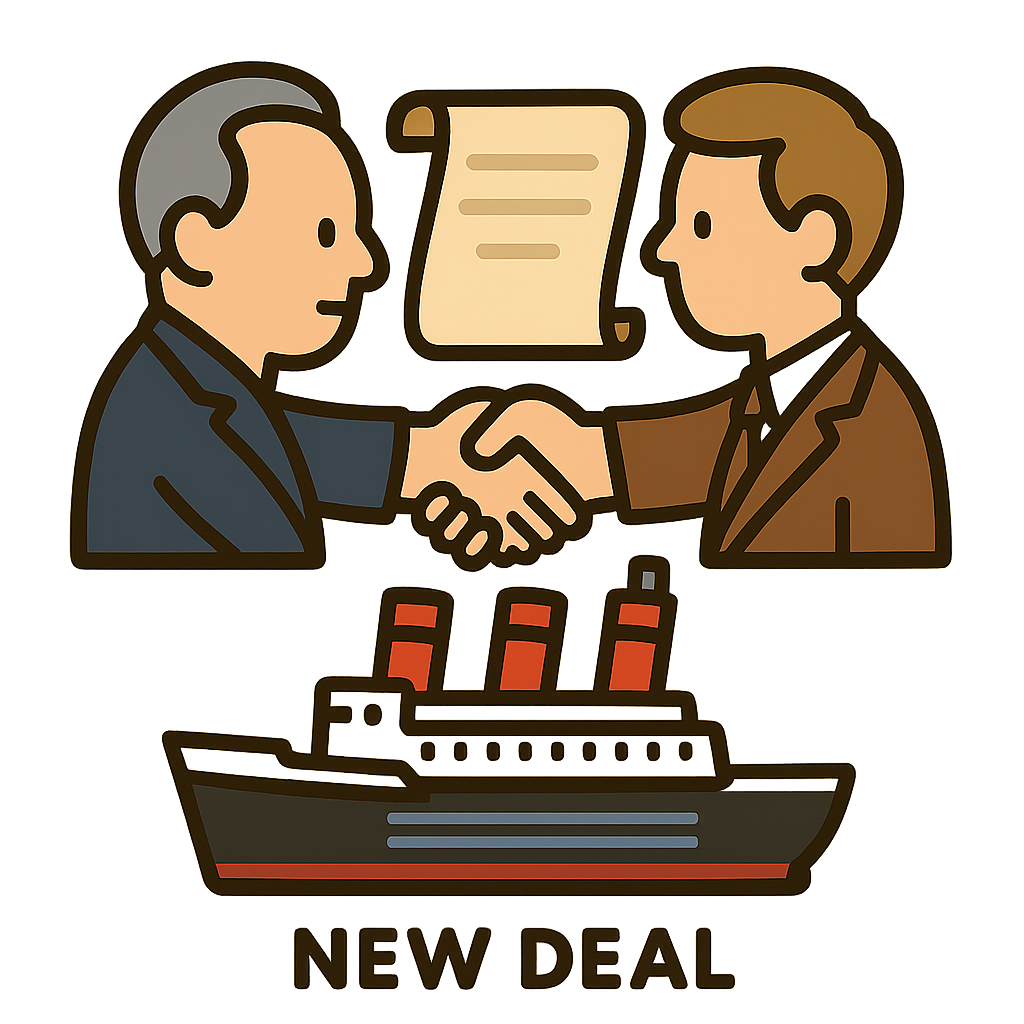
My name is Franklin Delano Roosevelt, and I had the profound honor of serving as the President of the United States during one of its most challenging times. Before I tell you about what we did to fix things, I must first paint a picture of the world as it was in the early 1930s. The decade before, the “Roaring Twenties,” had been a time of excitement and prosperity for some. But that prosperity was like a fragile glass house, and on October 29th, 1929, the glass shattered. That was the day the stock market crashed. Imagine a place where people buy and sell tiny pieces of large companies, called stocks. When people believe the companies will do well, the price of these stocks goes up. But on that day, panic set in, and everyone tried to sell at once, making the stocks nearly worthless. This event, which became known as Black Tuesday, triggered a crisis we called the Great Depression. By the time I was campaigning for president in 1932, the country was gripped by a deep and painful hardship. Factories that once hummed with activity stood silent, their smokestacks like lonely ghosts against the sky. Millions of hardworking Americans lost their jobs, their savings, and sometimes even their homes. I traveled the country and saw the worry etched on people's faces. I saw long lines of men and women waiting for a simple bowl of soup, their pride wounded but their spirit not entirely broken. A feeling of despair had settled over the nation, a quiet fear that our best days were behind us. It was in those moments, seeing the strength and resilience of the American people, that I knew we couldn't just wait for things to get better. We needed a bold plan, and we needed it immediately.
A Promise of Hope: My New Deal for America
My name is Franklin Delano Roosevelt, and I had the profound honor of serving as the President of the United States during one of its most challenging times. Before I tell you about what we did to fix things, I must first paint a picture of the world as it was in the early 1930s. The decade before, the “Roaring Twenties,” had been a time of excitement and prosperity for some. But that prosperity was like a fragile glass house, and on October 29th, 1929, the glass shattered. That was the day the stock market crashed. Imagine a place where people buy and sell tiny pieces of large companies, called stocks. When people believe the companies will do well, the price of these stocks goes up. But on that day, panic set in, and everyone tried to sell at once, making the stocks nearly worthless. This event, which became known as Black Tuesday, triggered a crisis we called the Great Depression. By the time I was campaigning for president in 1932, the country was gripped by a deep and painful hardship. Factories that once hummed with activity stood silent, their smokestacks like lonely ghosts against the sky. Millions of hardworking Americans lost their jobs, their savings, and sometimes even their homes. I traveled the country and saw the worry etched on people's faces. I saw long lines of men and women waiting for a simple bowl of soup, their pride wounded but their spirit not entirely broken. A feeling of despair had settled over the nation, a quiet fear that our best days were behind us. It was in those moments, seeing the strength and resilience of the American people, that I knew we couldn't just wait for things to get better. We needed a bold plan, and we needed it immediately.
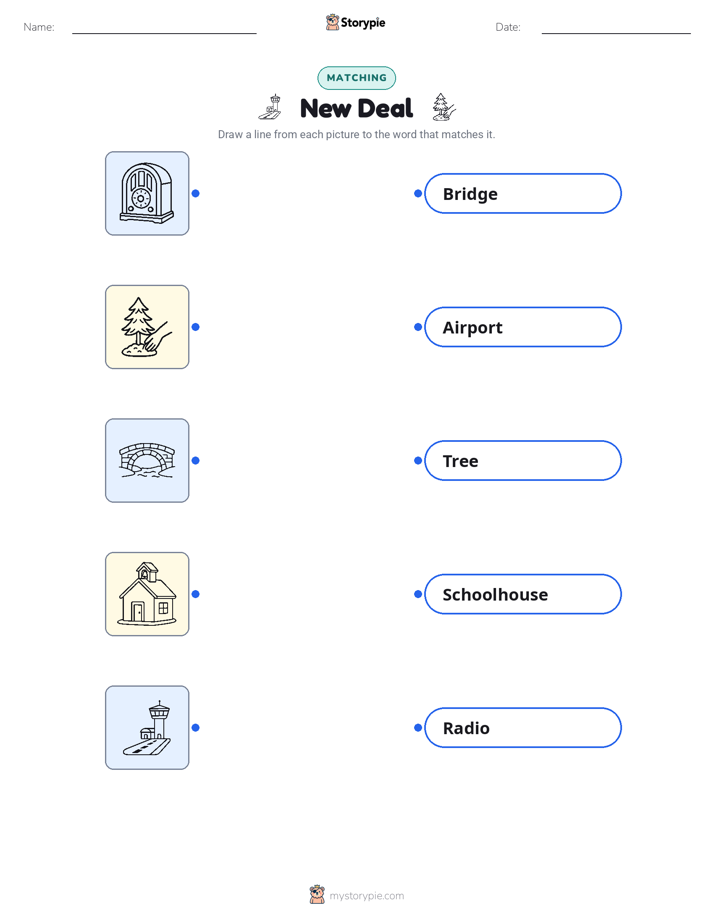
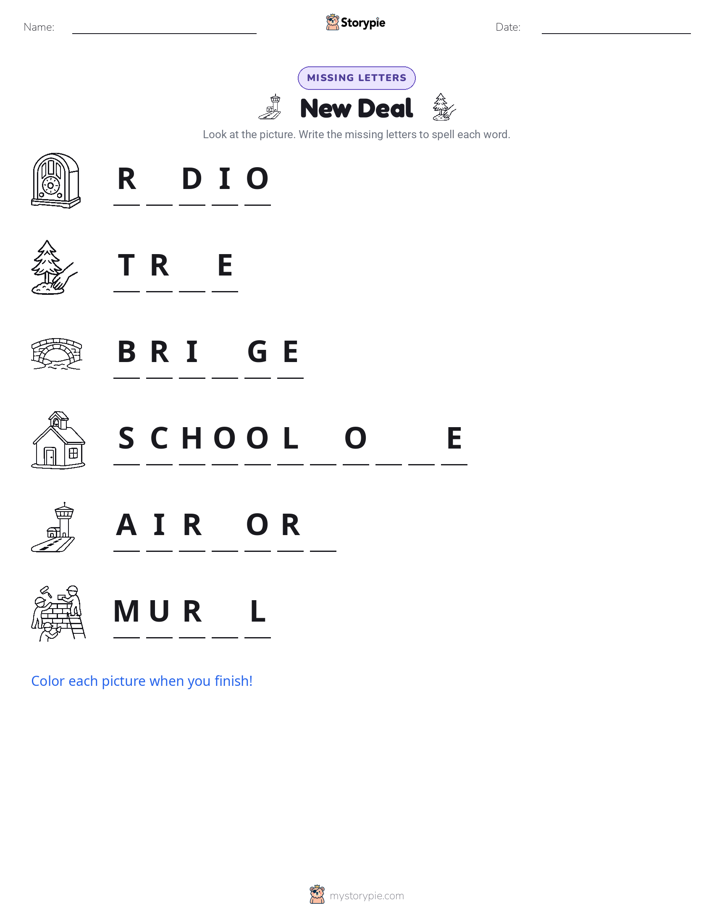
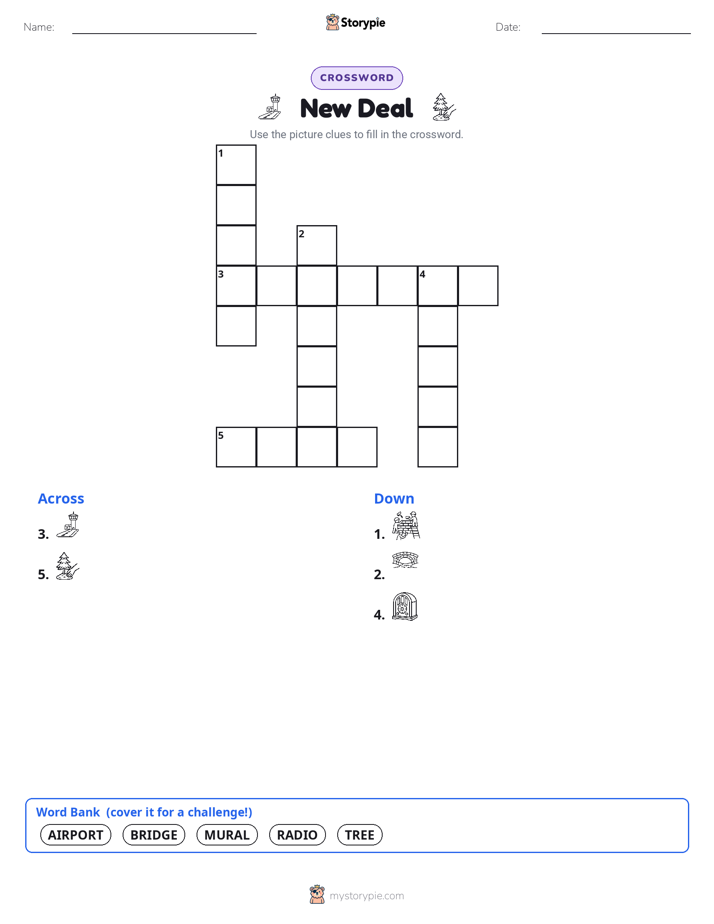
On March 4th, 1933, I stood before the nation to take the oath of office as president. The air was thick with uncertainty, but I wanted to replace that fear with resolve. In my inaugural address, I told the American people, “the only thing we have to fear is fear itself.” I promised them “action, and action now.” This was the beginning of what we called the New Deal. The idea was simple but revolutionary for its time: if people could not find work in the private sector, then the government would step in to help create it. Our first priority was to restore confidence. Most people didn't have televisions back then, so I used the radio to speak directly to families. We called these my “fireside chats.” I would sit in my office and explain our plans in simple, clear language, as if we were all gathered in the same living room. I wanted everyone to feel that they had a president who was listening and, more importantly, fighting for them. Then, we got to work. We created dozens of new programs, which we nicknamed “alphabet soup” because of their acronyms. One of my favorites was the Civilian Conservation Corps, or the CCC. We sent hundreds of thousands of young men out to the countryside to plant trees, fight forest fires, and build trails in our national parks. They earned a wage, which they could send home to their families, and they restored the beauty of our nation. Another was the Works Progress Administration, the WPA. The WPA hired millions of people to build things our country desperately needed, like roads, schools, bridges, and airports. But it didn't stop there. The WPA also hired artists to paint murals, musicians to give concerts, and writers to document American life. We believed that feeding the spirit was just as important as feeding the body. My dear wife, Eleanor, was my partner in this mission. She traveled all over the country, visiting coal mines, city slums, and rural farms. She was my eyes and ears, and she would return with stories of the people she met, their struggles, and their hopes. Her reports helped me understand where our policies were working and where we needed to do more. Of course, not everyone agreed with our approach. Some said the government was getting too big and spending too much money. But when I saw millions of people without work and without hope, I believed the greatest risk was to do nothing at all. I was determined to keep trying new things until we found what worked.
While the New Deal did not end the Great Depression overnight, it did something incredibly important: it brought back hope. It put millions of people back to work, giving them not just a paycheck, but a sense of purpose and dignity. The bridges and parks they built stand to this day as a testament to their hard work during a difficult time. But beyond the immediate relief, we wanted to build a country that was more secure for future generations. That was the driving force behind one of our most significant achievements, the Social Security Act, which I signed into law on August 14th, 1935. This law created a promise, a national safety net, ensuring that elderly Americans would have an income after they retired. It also provided assistance for the unemployed, the disabled, and families who had lost a parent. It was a declaration that in a country as prosperous as ours, we have a responsibility to look out for one another. Looking back, the New Deal was a period of bold experimentation. It fundamentally changed the relationship between the American people and their government. It established the idea that the government has a duty to protect the economic well-being of its citizens. The greatest legacy of the New Deal, however, was the restoration of faith. It was a reminder that when we face great challenges, we are at our strongest when we face them together, as a united community. For all of you reading this, remember that even in the darkest of times, courage, innovation, and a commitment to helping your neighbors can light the way forward.
Wow facts
About
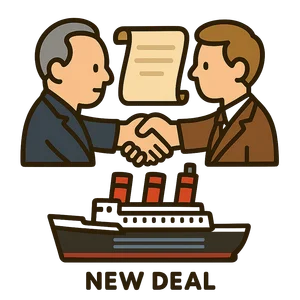
A series of programs, public work projects, financial reforms, and regulations enacted by President Franklin D. Roosevelt in the United States between 1933 and 1939. It was a response to the Great Depression.
Take a Quiz
Question 1 of 5
What is the central theme of Franklin D. Roosevelt's story about the New Deal?
Explore next





Want to do even more?
Go beyond exploring. Unlock tools that turn every story into real learning.

Storypie Plus for families
Full stories, quizzes, and printables. Nights and car rides, sorted.
- Unlimited audio stories
- Create Mode: your child stars in the story
- Offline downloads
- Printable worksheets & coloring pages

Why Storypie for Schools
Students engaged. Prep in seconds. Evenings back to you.
- Worksheets & Quizzes
- Classroom Management
- Formative Assessment
- Custom Curriculum & Lesson Plans
- 27 Languages

Why Storypie for Homeschool
Curriculum done. They'll ask for more. Hours back in your day.
- Worksheet Generator
- First-Person Audio Stories
- Built-in Comprehension Quizzes
- Custom Curriculum & Lesson Plans
- Print & Go Activities