English

Westward Expansion
The 19th-century movement of settlers, explorers, and institutions across North America…
Reads at Grades 6–8 Listens at Grades 4–8
Print & create
Answer keys·No prep·Free with an account
28 worksheets · answer keys · full story · quiz · Ages 10-12 · CEFR B2
Plus adds 102,000+ more stories in 27 languages, audio for every one, and printables for all of them.
Just want Westward Expansion?
My name is Sacagawea, and I am a woman of the Lemhi Shoshone people. But when my story with the two great captains began, I was living far from my home in the Shining Mountains. As a girl, I had been captured by the Hidatsa people and was living among them and the Mandan near the Missouri River. My life was one of routine, guided by the seasons. I was married to a French-Canadian trader named Toussaint Charbonneau. Then, in the cold winter of 1804, everything changed. Two men, Captain Meriwether Lewis and Captain William Clark, arrived with their Corps of Discovery. They were sent by their great chief, President Thomas Jefferson, on a mission that seemed impossible. They were to travel up the Missouri, cross the great mountains that I knew so well, and find a water route to the vast ocean in the west. They built a fort near our village to wait out the winter, and we watched them with curiosity. They needed someone who could speak Shoshone, as they knew they would need horses from my people to survive the mountain crossing. My husband was hired as an interpreter, but it was my language, my knowledge of the land, that they truly needed. And so, I was asked to join them on their great journey westward.
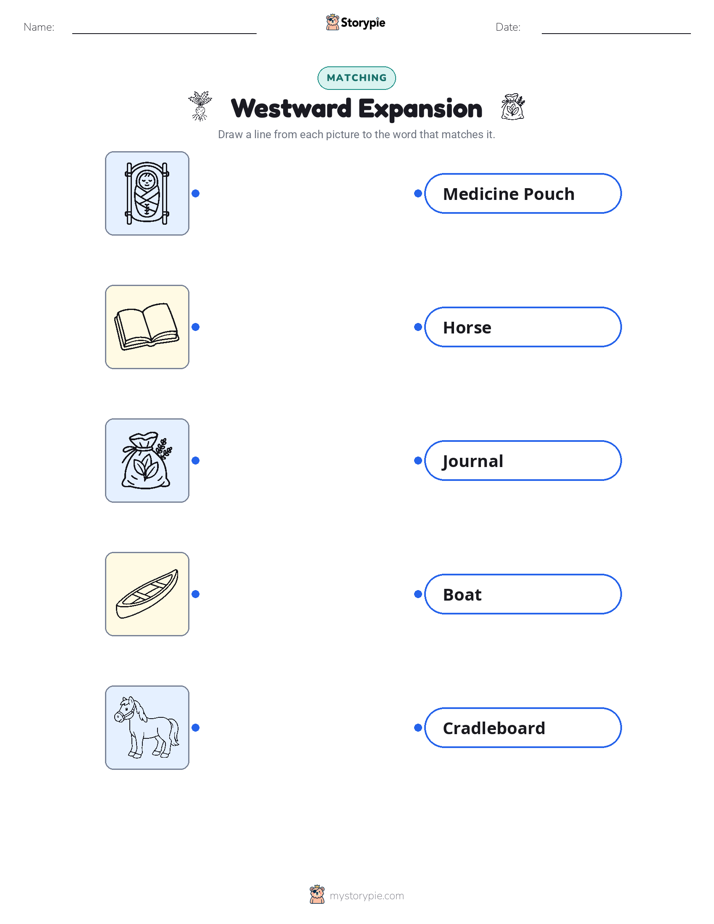
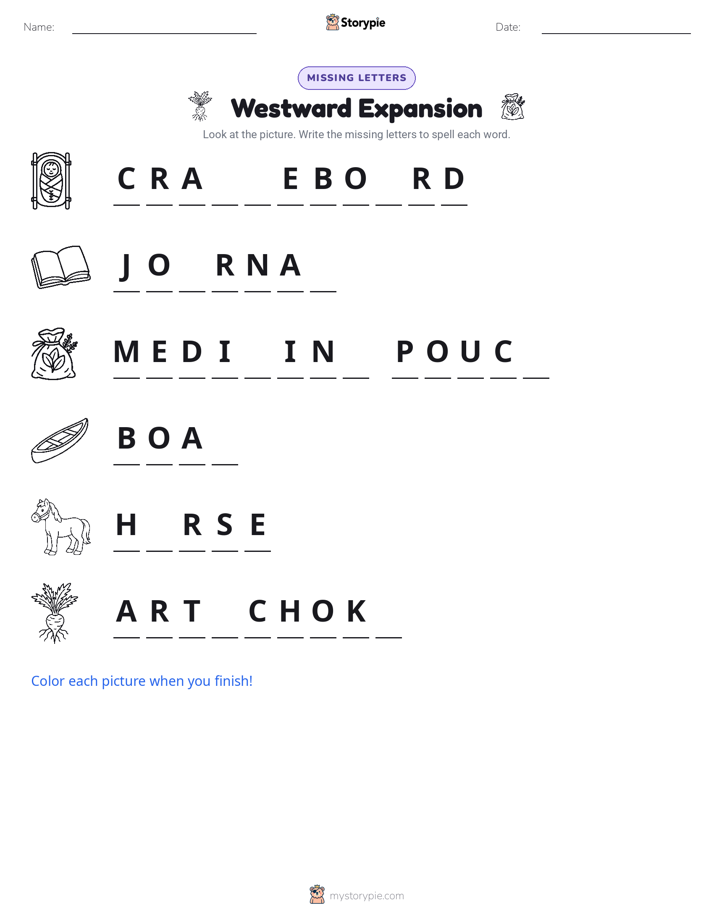
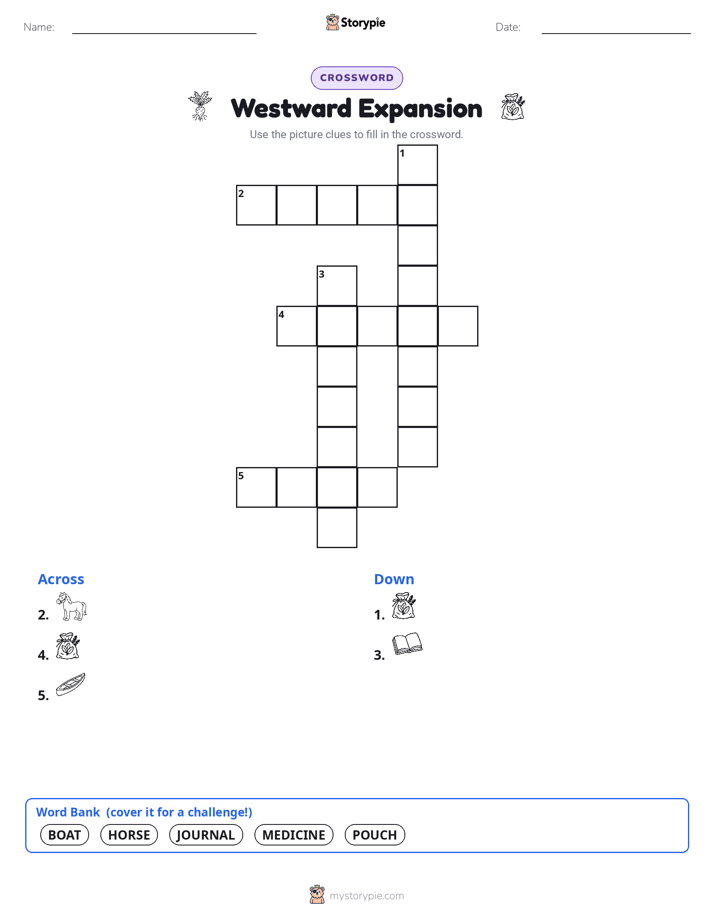
In the spring of 1805, as the ice broke on the river, our journey began. I carried my infant son, Jean Baptiste, on my back in a cradleboard. Captain Clark was very fond of him and gave him the nickname 'Pomp,' which means 'first born' in the Shoshone way. My presence was important for many reasons. I was not a warrior; I was a mother with a child. When other Native tribes saw us, they saw a peaceful party, not a war band, and were more willing to meet with us. I knew the land and its gifts. I could find wild artichokes, berries, and roots to add to our food supply when hunting was scarce. I was more than just an interpreter; I was a part of the expedition's survival. One day, on May 14th, 1805, a sudden gust of wind struck our boat. It tipped violently, and water poured in. While the men panicked, I calmly reached into the churning water, again and again, to save the captains' important journals, medicines, and scientific instruments. They were the records of their entire journey, and without them, much of their work would have been lost. Captain Lewis later said that my quick thinking and composure in the face of danger were remarkable. I simply did what needed to be done.
Sacagawea: My Journey to the Great Water
My name is Sacagawea, and I am a woman of the Lemhi Shoshone people. But when my story with the two great captains began, I was living far from my home in the Shining Mountains. As a girl, I had been captured by the Hidatsa people and was living among them and the Mandan near the Missouri River. My life was one of routine, guided by the seasons. I was married to a French-Canadian trader named Toussaint Charbonneau. Then, in the cold winter of 1804, everything changed. Two men, Captain Meriwether Lewis and Captain William Clark, arrived with their Corps of Discovery. They were sent by their great chief, President Thomas Jefferson, on a mission that seemed impossible. They were to travel up the Missouri, cross the great mountains that I knew so well, and find a water route to the vast ocean in the west. They built a fort near our village to wait out the winter, and we watched them with curiosity. They needed someone who could speak Shoshone, as they knew they would need horses from my people to survive the mountain crossing. My husband was hired as an interpreter, but it was my language, my knowledge of the land, that they truly needed. And so, I was asked to join them on their great journey westward.
In the spring of 1805, as the ice broke on the river, our journey began. I carried my infant son, Jean Baptiste, on my back in a cradleboard. Captain Clark was very fond of him and gave him the nickname 'Pomp,' which means 'first born' in the Shoshone way. My presence was important for many reasons. I was not a warrior; I was a mother with a child. When other Native tribes saw us, they saw a peaceful party, not a war band, and were more willing to meet with us. I knew the land and its gifts. I could find wild artichokes, berries, and roots to add to our food supply when hunting was scarce. I was more than just an interpreter; I was a part of the expedition's survival. One day, on May 14th, 1805, a sudden gust of wind struck our boat. It tipped violently, and water poured in. While the men panicked, I calmly reached into the churning water, again and again, to save the captains' important journals, medicines, and scientific instruments. They were the records of their entire journey, and without them, much of their work would have been lost. Captain Lewis later said that my quick thinking and composure in the face of danger were remarkable. I simply did what needed to be done.
As we traveled further west, the landscape began to change. The plains gave way to hills, and soon, we saw the towering peaks of the Rocky Mountains—my Shining Mountains. This was the land of my childhood, but it was also our greatest obstacle. The Missouri River grew too shallow and wild for our boats. Captain Lewis wrote that we needed horses, or the mission would fail. We were in the land of the Shoshone, my people, but we had not found them. I searched for signs I remembered from my youth, any landmark that could guide us. The men were growing weary and their spirits were low. Then, one day in August of 1805, we came upon a group of Shoshone. As we began to speak, I listened closely to their leader. There was something familiar in his voice. I looked at him, and he looked at me, and a shock of recognition passed between us. It was my brother, Cameahwait. We had been separated for years, and he was now the chief. Our reunion was filled with tears and joy. Because of this family connection, my brother trusted the captains. He traded with them, giving the expedition the horses and the guide they desperately needed to cross the treacherous mountain passes before the winter snows trapped them forever.
After a grueling journey through the mountains, we reached the rivers that flowed west. Finally, in November of 1805, we heard it—a distant, constant roar. It was the sound of the great Pacific Ocean. I had traveled thousands of miles from my home, and now I stood at the edge of the world's largest water. The waves crashed on the shore, and the salty air was a new and wonderful feeling. It was a moment of triumph for everyone. We needed to build a fort to survive the winter, and the captains did something extraordinary. They decided to let everyone vote on the location. I, a Native woman, and York, Captain Clark’s enslaved servant, were both given a vote. It was a moment of respect I will never forget. We built Fort Clatsop and spent a long, rainy winter there before beginning the long journey home. When we returned to the Mandan villages, I knew my part of the journey was over. I had helped bridge the world of my people with the world of these explorers. I believe my story shows that courage is not just about fighting, but about understanding, persisting, and connecting people from different worlds.
Wow facts
About
The 19th-century movement of settlers, explorers, and institutions across North America, as the United States expanded its territory from the Mississippi River to the Pacific Ocean.
Take a Quiz
Question 1 of 5
What was the main problem the Corps of Discovery faced in the Rocky Mountains, and how was it solved?
Explore next



Want to do even more?
Go beyond exploring. Unlock tools that turn every story into real learning.

Storypie Plus for families
Full stories, quizzes, and printables. Nights and car rides, sorted.
- Unlimited audio stories
- Create Mode: your child stars in the story
- Offline downloads
- Printable worksheets & coloring pages

Why Storypie for Schools
Students engaged. Prep in seconds. Evenings back to you.
- Worksheets & Quizzes
- Classroom Management
- Formative Assessment
- Custom Curriculum & Lesson Plans
- 27 Languages

Why Storypie for Homeschool
Curriculum done. They'll ask for more. Hours back in your day.
- Worksheet Generator
- First-Person Audio Stories
- Built-in Comprehension Quizzes
- Custom Curriculum & Lesson Plans
- Print & Go Activities