English

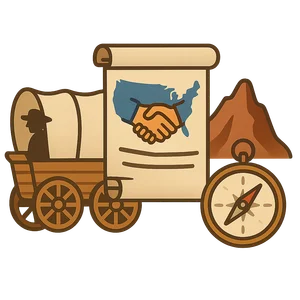
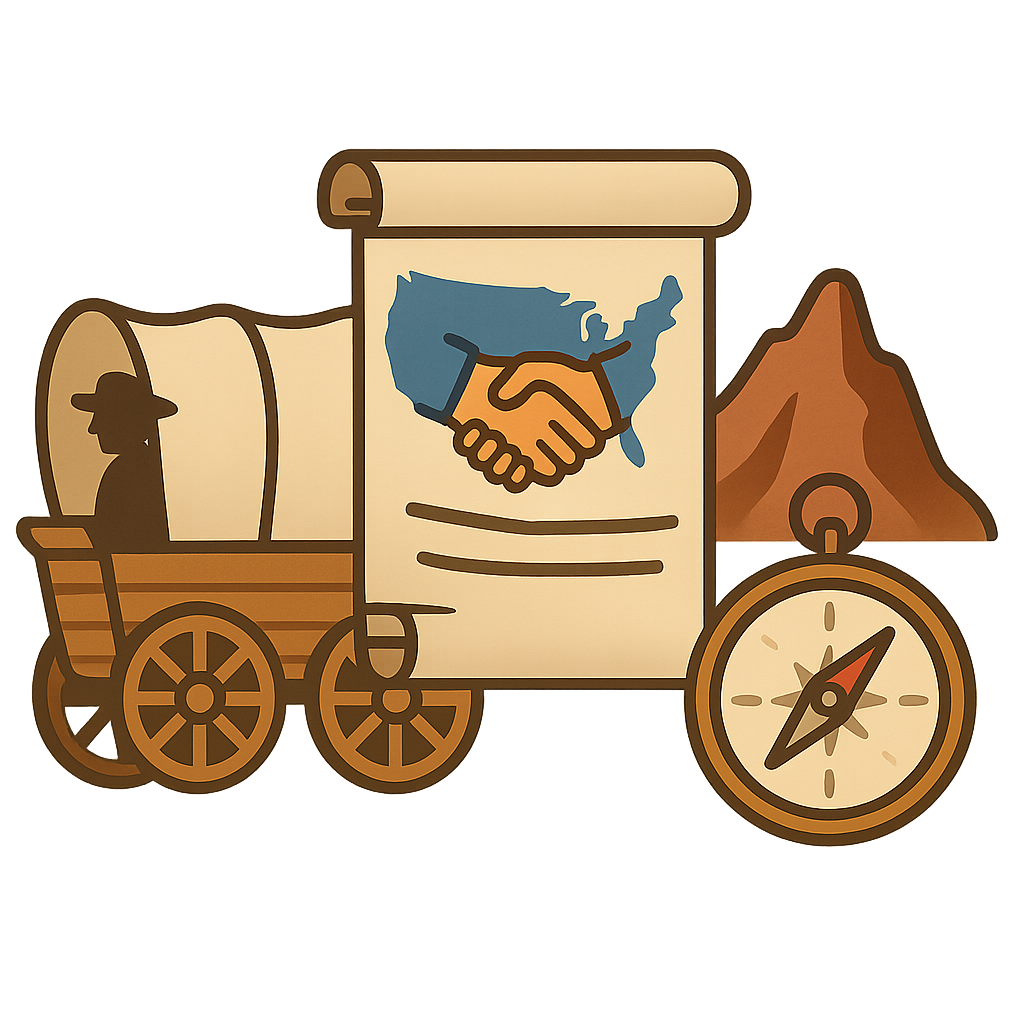
Westward Expansion
The 19th-century movement of settlers, explorers, and institutions across North America…
Reads at Grades 3–5 Listens at Grades 1–5
Print & create
Answer keys·No prep·Free with an account
28 worksheets · answer keys · full story · quiz · Ages 8-10 · CEFR B1
Plus adds 102,000+ more stories in 27 languages, audio for every one, and printables for all of them.
Just want Westward Expansion?
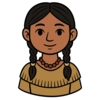
My name is Sacagawea, and the mountains of what is now Idaho were my first home. As a girl in the Lemhi Shoshone tribe, I learned the secrets of the land. I knew which roots were safe to eat, which berries were sweet, and how the rivers whispered stories to those who listened. My connection to the earth was as strong as the tallest pine tree. But my life changed when I was still a girl. I was taken from my home and went to live with the Hidatsa and Mandan peoples far to the east. It was there I met my husband, a trader named Toussaint Charbonneau. Life was different, but I learned new languages and new ways. Then, in the cold winter of 1804, two American captains arrived at our village near the Missouri River. Their names were Meriwether Lewis and William Clark, and they led a group called the Corps of Discovery. They told us they had been sent by their great leader, President Thomas Jefferson, on a mission to travel all the way to the great water in the west, the Pacific Ocean. They were looking for a path across the vast, unknown lands, and they needed help.
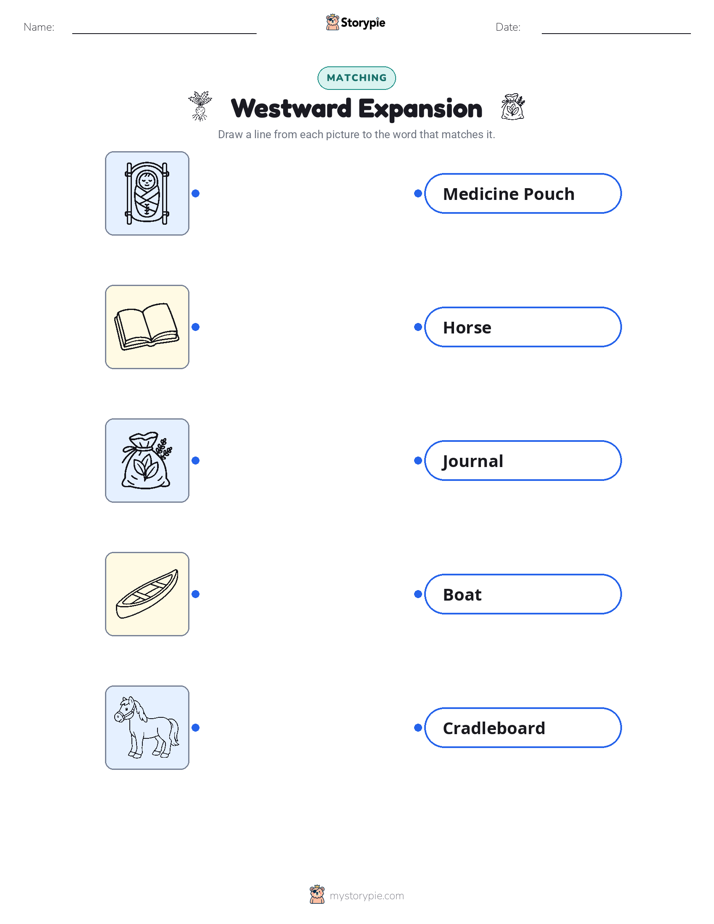
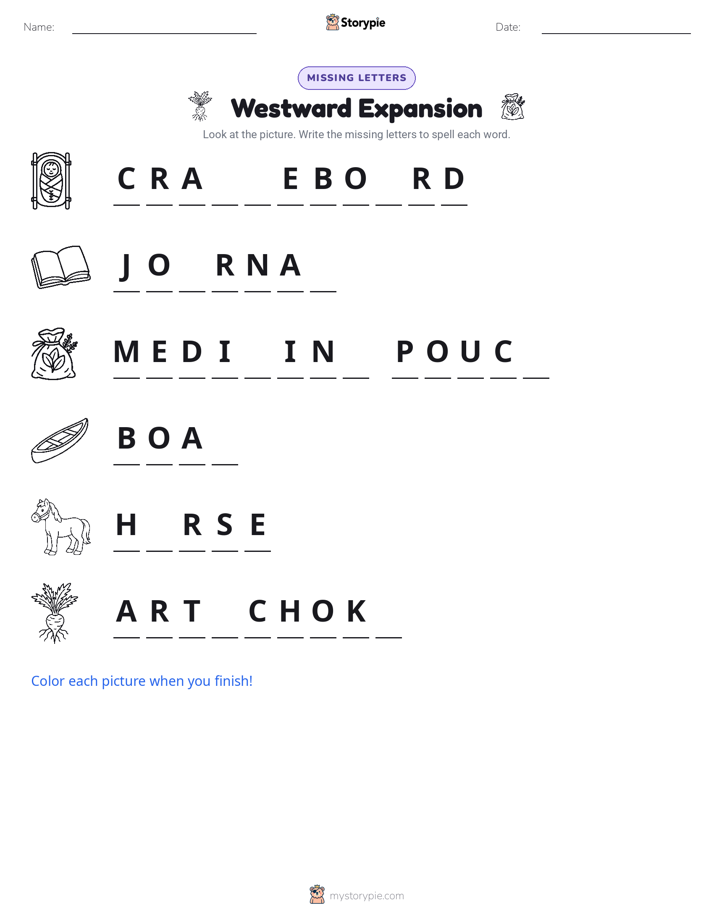
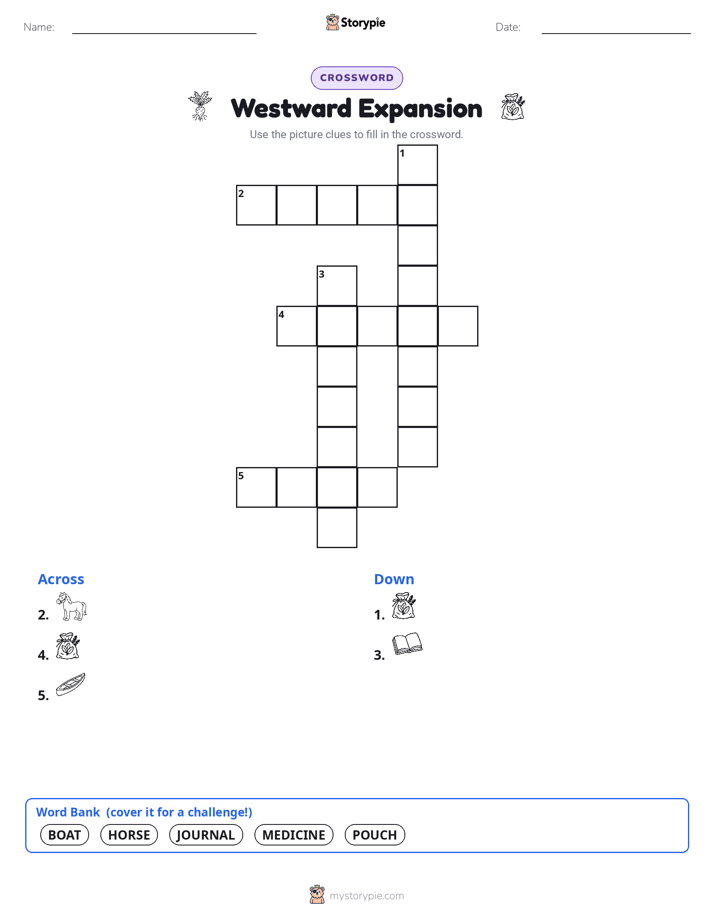
Captains Lewis and Clark asked my husband to join them as an interpreter, and since they knew they would soon be in the land of my people, they asked me to come, too. They needed someone who could speak Shoshone. On my back, I carried my greatest treasure, my baby son, Jean Baptiste, snug in his cradleboard. Captain Clark gave him the nickname “Pomp,” which meant “first-born” in the Shoshone language. As we began our journey in the spring of 1805, the men of the Corps quickly learned I could do more than just talk. When their food supplies ran low, I would take my sharp digging stick and find wild artichokes and tasty roots to fill their plates. I showed them which plants were medicine and which were food. My presence, along with my baby, was also a sign of peace. When other Native American tribes saw a woman and child with the group, they knew we came with peaceful intentions, not as a war party. One day, on May 14th, 1805, a sudden storm hit our boat. The men panicked as it tipped, and precious supplies began to fall into the churning river. While they struggled, I calmly reached into the cold water, again and again, saving the captains’ priceless journals, maps, and scientific instruments from being lost forever.
Sacagawea: My Journey to the Great Water
My name is Sacagawea, and the mountains of what is now Idaho were my first home. As a girl in the Lemhi Shoshone tribe, I learned the secrets of the land. I knew which roots were safe to eat, which berries were sweet, and how the rivers whispered stories to those who listened. My connection to the earth was as strong as the tallest pine tree. But my life changed when I was still a girl. I was taken from my home and went to live with the Hidatsa and Mandan peoples far to the east. It was there I met my husband, a trader named Toussaint Charbonneau. Life was different, but I learned new languages and new ways. Then, in the cold winter of 1804, two American captains arrived at our village near the Missouri River. Their names were Meriwether Lewis and William Clark, and they led a group called the Corps of Discovery. They told us they had been sent by their great leader, President Thomas Jefferson, on a mission to travel all the way to the great water in the west, the Pacific Ocean. They were looking for a path across the vast, unknown lands, and they needed help.
Captains Lewis and Clark asked my husband to join them as an interpreter, and since they knew they would soon be in the land of my people, they asked me to come, too. They needed someone who could speak Shoshone. On my back, I carried my greatest treasure, my baby son, Jean Baptiste, snug in his cradleboard. Captain Clark gave him the nickname “Pomp,” which meant “first-born” in the Shoshone language. As we began our journey in the spring of 1805, the men of the Corps quickly learned I could do more than just talk. When their food supplies ran low, I would take my sharp digging stick and find wild artichokes and tasty roots to fill their plates. I showed them which plants were medicine and which were food. My presence, along with my baby, was also a sign of peace. When other Native American tribes saw a woman and child with the group, they knew we came with peaceful intentions, not as a war party. One day, on May 14th, 1805, a sudden storm hit our boat. The men panicked as it tipped, and precious supplies began to fall into the churning river. While they struggled, I calmly reached into the cold water, again and again, saving the captains’ priceless journals, maps, and scientific instruments from being lost forever.
Our greatest challenge was yet to come: the giant, stony peaks of the Rocky Mountains. They stood before us like a great wall, and we had no idea how to cross them. The air grew thin and cold, and hunger became a constant companion. We knew we needed horses to survive the journey, but we had none. On August 17th, 1805, we met a group of Shoshone people. As I began to translate for the captains, I looked closely at the chief. There was something familiar in his eyes. Suddenly, my heart leaped. It was my brother, Cameahwait, whom I had not seen since I was taken from our home so many years ago. We cried and hugged, and our reunion was a miracle. Because he was my brother, he trusted me. I helped the captains trade for the horses they so desperately needed. With the help of my people, we were able to cross the giant mountains. After weeks of hard travel, we finally reached our goal in November of 1805. I stood on the shore and watched the waves of the Pacific Ocean crash against the sand. The water stretched out farther than my eyes could see, a great, salty sea at the end of the world.
The journey back home was long, but we were filled with a sense of accomplishment. We arrived back at the Mandan villages in August of 1806, having traveled thousands of miles. I had helped the captains make maps, meet new peoples, and understand the vast lands they had explored. My role in the Corps of Discovery was more than just being a guide or an interpreter. I was a provider, a symbol of peace, and a survivor. I showed them that a woman, a mother, could be as brave and strong as any explorer. Looking back, I am proud that I helped build a bridge between my world and theirs. My journey taught me that curiosity and courage can help us understand one another. I hope you, too, will always be an explorer in your own life, seeking to learn from the world and the people around you.
Wow facts
About
The 19th-century movement of settlers, explorers, and institutions across North America, as the United States expanded its territory from the Mississippi River to the Pacific Ocean.
Take a Quiz
Question 1 of 5
Why was Sacagawea's presence with her baby important for making peace with other tribes?
Explore next


Want to do even more?
Go beyond exploring. Unlock tools that turn every story into real learning.

Storypie Plus for families
Full stories, quizzes, and printables. Nights and car rides, sorted.
- Unlimited audio stories
- Create Mode: your child stars in the story
- Offline downloads
- Printable worksheets & coloring pages

Why Storypie for Schools
Students engaged. Prep in seconds. Evenings back to you.
- Worksheets & Quizzes
- Classroom Management
- Formative Assessment
- Custom Curriculum & Lesson Plans
- 27 Languages

Why Storypie for Homeschool
Curriculum done. They'll ask for more. Hours back in your day.
- Worksheet Generator
- First-Person Audio Stories
- Built-in Comprehension Quizzes
- Custom Curriculum & Lesson Plans
- Print & Go Activities