English


Epiphany - French
A Christian feast day celebrated in France on January 6th…
Reads at Grades 6–8 Listens at Grades 4–8
Print & create
Answer keys·No prep·Free with an account
28 worksheets · answer keys · full story · quiz · Ages 10-12 · CEFR B2
Plus adds 279,000+ more stories in 27 languages, audio for every one, and printables for all of them.
Just want Epiphany - French?
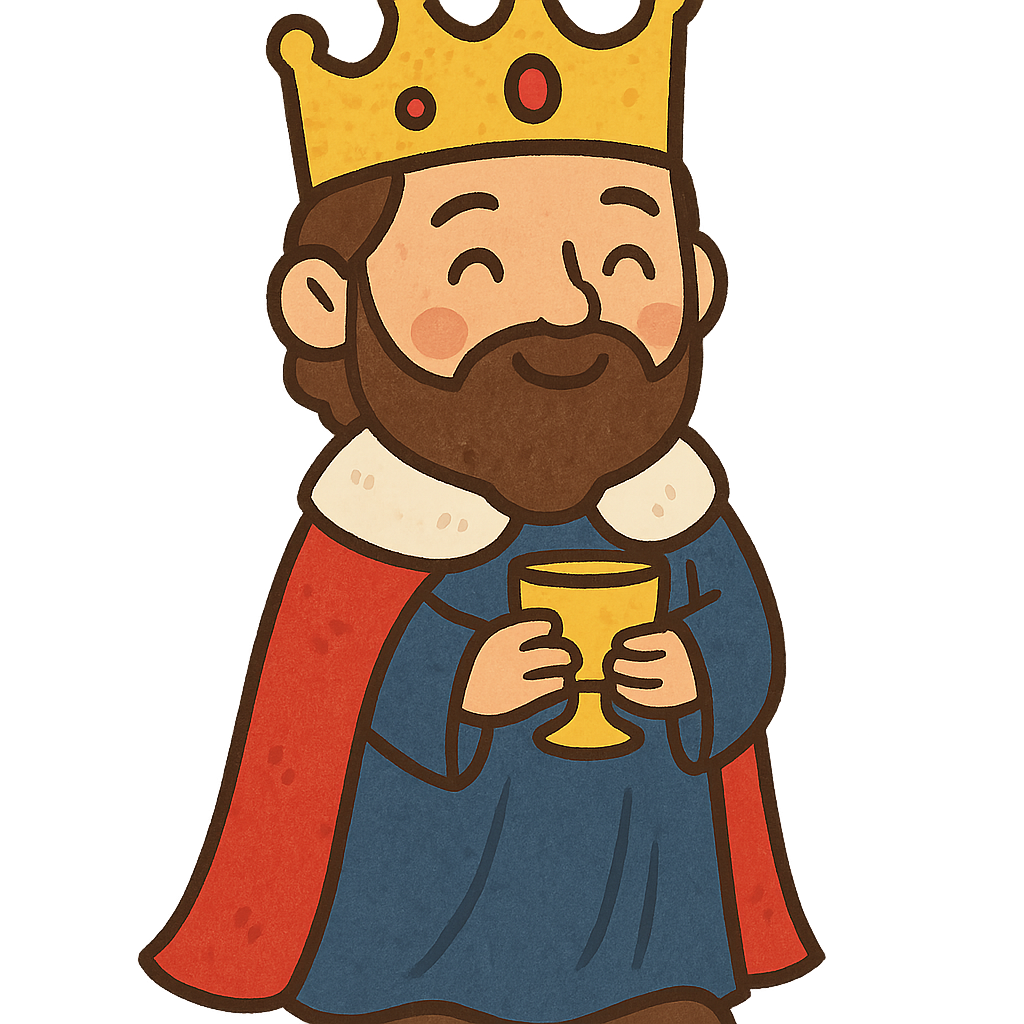
I am L'Épiphanie, the French way of observing the Christian holiday of Epiphany. My name itself points to a moment of revelation or appearance. At my core, I commemorate a story central to Christian tradition: the journey of the three Magi. These figures, also known as wise men or kings, are said to have been guided by a brilliant star across the desert to Bethlehem. Their purpose was to find and honor the infant Jesus. While my origins are rooted in this religious narrative, my observance in France has grown over many centuries into a much-loved cultural tradition. For many French people, my arrival signals a time for warmth and togetherness, a chance to gather with family and friends to share in a custom that is both ancient and full of modern fun, centered around a very special cake.
My official place on the calendar is January 6th. This date is significant because it marks the twelfth day after Christmas, concluding the Christmas season. However, modern life often makes a weekday celebration difficult for families and friends who wish to gather. To ensure everyone can participate, a practical adjustment was made. Today, most people in France celebrate me on the first Sunday that follows January 1st. This allows for a more relaxed, festive atmosphere. My presence isn't limited to a single day, though. The special cakes associated with me begin appearing in bakeries right after Christmas, and the celebrations can continue throughout the entire month of January, extending the joyful spirit of the holiday season.
Epiphany in France: A Royal Celebration
I am L'Épiphanie, the French way of observing the Christian holiday of Epiphany. My name itself points to a moment of revelation or appearance. At my core, I commemorate a story central to Christian tradition: the journey of the three Magi. These figures, also known as wise men or kings, are said to have been guided by a brilliant star across the desert to Bethlehem. Their purpose was to find and honor the infant Jesus. While my origins are rooted in this religious narrative, my observance in France has grown over many centuries into a much-loved cultural tradition. For many French people, my arrival signals a time for warmth and togetherness, a chance to gather with family and friends to share in a custom that is both ancient and full of modern fun, centered around a very special cake.
My official place on the calendar is January 6th. This date is significant because it marks the twelfth day after Christmas, concluding the Christmas season. However, modern life often makes a weekday celebration difficult for families and friends who wish to gather. To ensure everyone can participate, a practical adjustment was made. Today, most people in France celebrate me on the first Sunday that follows January 1st. This allows for a more relaxed, festive atmosphere. My presence isn't limited to a single day, though. The special cakes associated with me begin appearing in bakeries right after Christmas, and the celebrations can continue throughout the entire month of January, extending the joyful spirit of the holiday season.
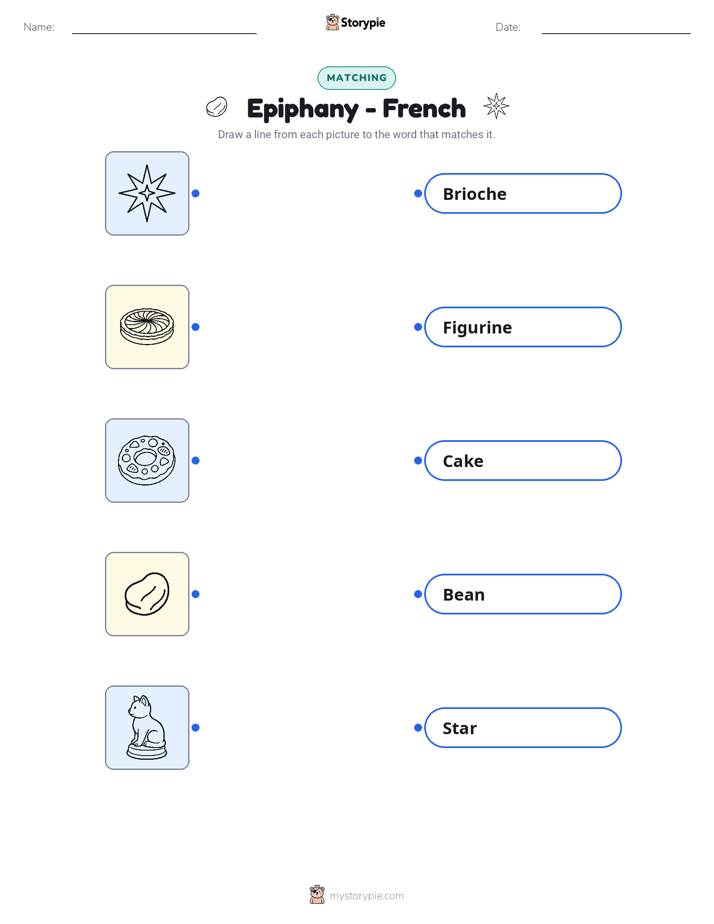
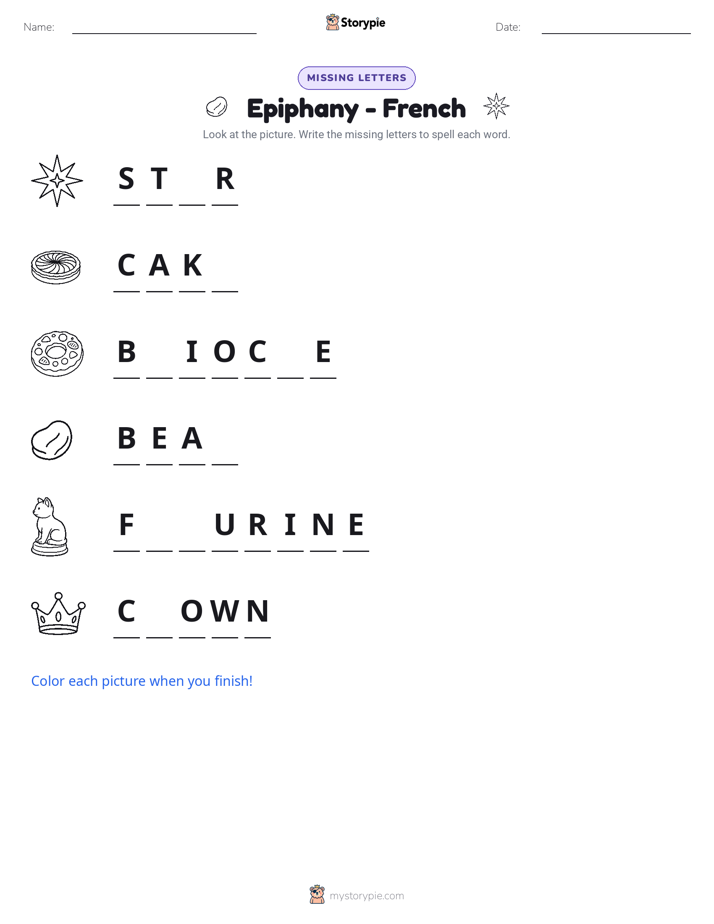
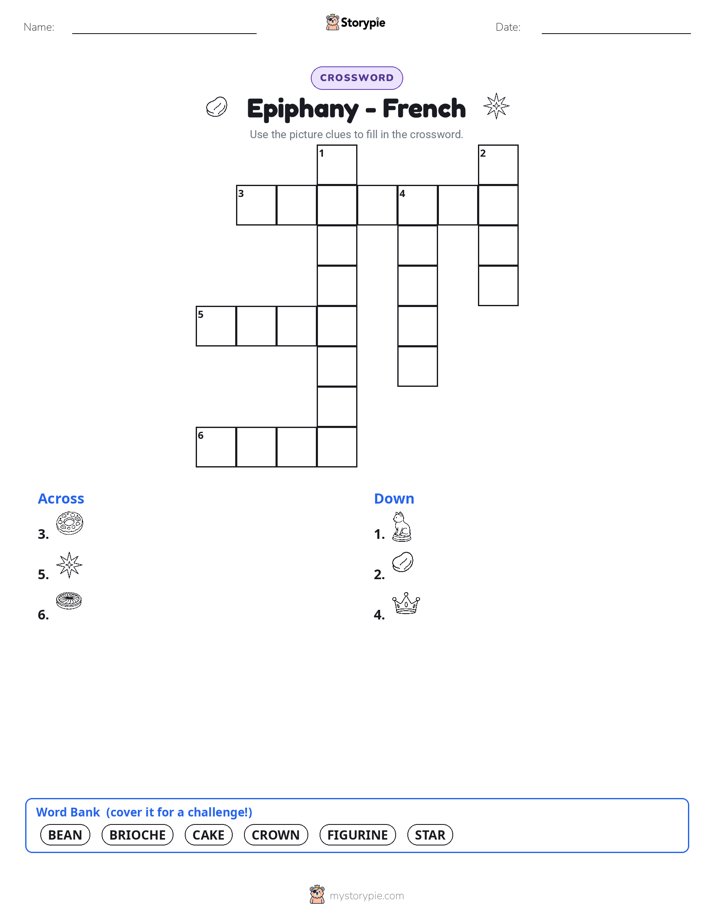
The most famous and cherished tradition associated with my observance is the sharing of the galette des rois, which translates to the 'cake of the kings.' This cake is the heart of my celebration. Its form, however, changes depending on the region of France. In the northern half of the country, the galette is a masterpiece of pastry-making. It consists of many thin, buttery layers of puff pastry that become golden and flaky when baked. This crisp exterior surrounds a rich, sweet filling of frangipane, a delicious cream made from almonds, butter, eggs, and sugar. When a slice is served warm, the aroma of toasted almonds fills the room.
In the south of France, a different but equally festive cake is prepared. There, people share a gâteau des rois, which is a brioche-style ring cake. Unlike the flat, flaky northern version, this one is a fluffy, sweet bread, often flavored with orange blossom water. Instead of a hidden filling, its beauty is on the outside. The crown-shaped brioche is decorated with colorful candied fruits and large grains of sugar, which sparkle like jewels. Though they look and taste very different, both of these 'king cakes' serve the same exciting purpose in my celebration: they each contain a hidden surprise.
Concealed inside every galette or gâteau des rois is a small object called la fève. The French word fève literally means 'broad bean,' and that is exactly what the first hidden trinkets were. For centuries, a single dried bean was tucked into the cake before baking. This practice of hiding a token in a cake to select a person for a special role is very old. Some historians believe the tradition may have roots in Saturnalia, an ancient Roman festival. During Saturnalia, social roles were often reversed for a day, and a 'king' was sometimes chosen by lot—occasionally by finding a bean in a cake—to preside over the festivities.
Over the centuries, la fève began a slow but fascinating transformation. The simple, humble bean gradually gave way to more permanent and elaborate tokens. By the 1870s, a significant change occurred when small porcelain figurines started to replace the bean. At first, these were often tiny representations of figures from the Christian nativity story. Today, however, the variety is almost limitless. Modern fèves are made from porcelain or plastic and can be shaped like anything imaginable, from famous landmarks and historical figures to beloved cartoon characters and movie heroes. This evolution has sparked a new tradition: many people in France now collect these intricate little figurines, known as fabophiles, and look forward to discovering the new designs released each year.
To ensure that the discovery of la fève is a matter of pure chance, a delightful ritual is often performed. The process guarantees that the person cutting the cake cannot influence who receives the special slice. The youngest person present at the gathering is given a very important job: they must hide under the table. As an adult slowly cuts the cake into slices, a moment of suspense begins. For each piece that is cut, the adult will ask, "Who is this piece for?" From beneath the table, the hidden child, who cannot see the cake, calls out the name of one of the guests. This continues until every person has been served a slice, their fate decided by the unseen judge.
Finally, the moment of discovery arrives. Everyone carefully eats their slice, anticipating the feel of the hidden trinket. The person who finds la fève in their piece is immediately declared le roi (the king) or la reine (the queen) for the rest of the day. A paper crown, which is typically sold with every galette, is placed upon their head. This moment is filled with laughter and excitement for everyone, young and old. The newly crowned monarch is the center of attention, and in some family traditions, they also accept a fun responsibility: they are expected to buy or bake the galette des rois for the following year's celebration, ensuring that the chain of this joyful tradition continues.
Wow facts
About
A Christian feast day celebrated in France on January 6th, and many people also celebrate it on the first Sunday of January, commemorating the visit of the Magi to the infant Jesus. It is famously marked by eating a special cake called 'galette des rois'.
Take a Quiz
Question 1 of 5
What is the central tradition associated with L'Épiphanie in France, according to the story?
Want to do even more?
Go beyond exploring. Unlock tools that turn every story into real learning.

Storypie Plus for families
Full stories, quizzes, and printables. Nights and car rides, sorted.
- Unlimited audio stories
- Create Mode: your child stars in the story
- Offline downloads
- Printable worksheets & coloring pages

Why Storypie for Schools
Students engaged. Prep in seconds. Evenings back to you.
- Worksheets & Quizzes
- Classroom Management
- Formative Assessment
- Custom Curriculum & Lesson Plans
- 27 Languages

Why Storypie for Homeschool
Curriculum done. They'll ask for more. Hours back in your day.
- Worksheet Generator
- First-Person Audio Stories
- Built-in Comprehension Quizzes
- Custom Curriculum & Lesson Plans
- Print & Go Activities