English


Epiphany - French
A Christian feast day celebrated in France on January 6th…
Reads at Grades 3–5 Listens at Grades 1–5
Print & create
Answer keys·No prep·Free with an account
28 worksheets · answer keys · full story · quiz · Ages 8-10 · CEFR B1
Plus adds 279,000+ more stories in 27 languages, audio for every one, and printables for all of them.
Just want Epiphany - French?
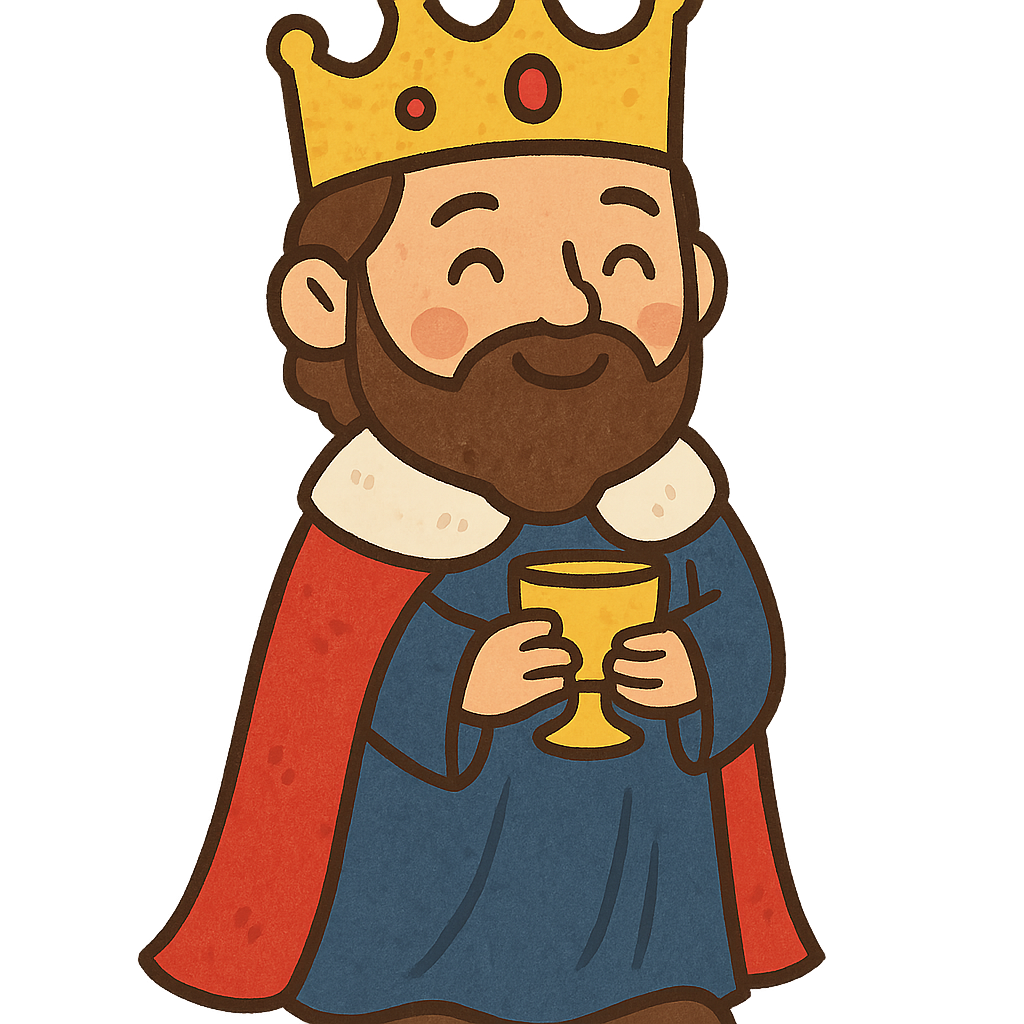
Hello! I am the holiday known in France as L'Épiphanie. You might also know me by my other names, Epiphany or Three Kings' Day. I am an important day in the Christian faith, and I mark a very special event described in the Bible. My purpose is to commemorate the story of three wise men, who are also called the Magi. According to this story, these men traveled a great distance, following a star in the sky, to find the infant Jesus in the town of Bethlehem. When they found him, they presented him with three precious gifts: gold, frankincense, and myrrh. These were valuable items long ago, with gold being a gift for a king, and frankincense and myrrh being fragrant resins used in perfumes and incense.
My traditional date on the calendar is January 6th. This timing is specific because it falls exactly twelve days after Christmas Day, marking the end of the Christmas season for many people. While January 6th is my historic day, the way people observe me has changed over time to fit modern life. In France today, many people celebrate me on the first Sunday that comes after New Year's Day. This change makes it much easier for families and friends to gather together for a special meal or party. Since Sunday is usually a day off from work and school, moving my celebration ensures that more loved ones can share in my joyful traditions without having to worry about their weekly schedules.
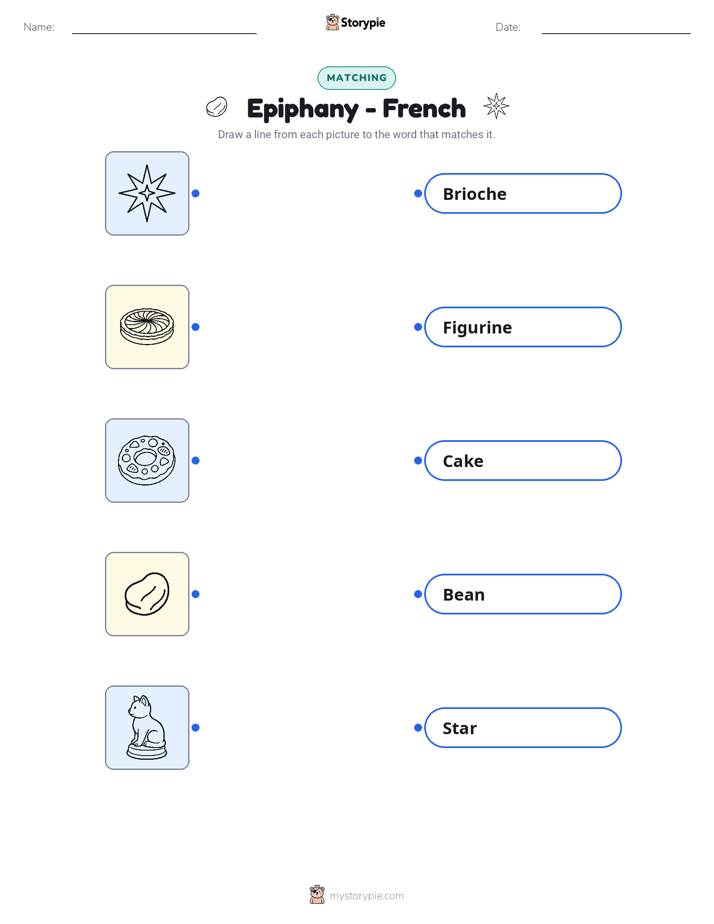
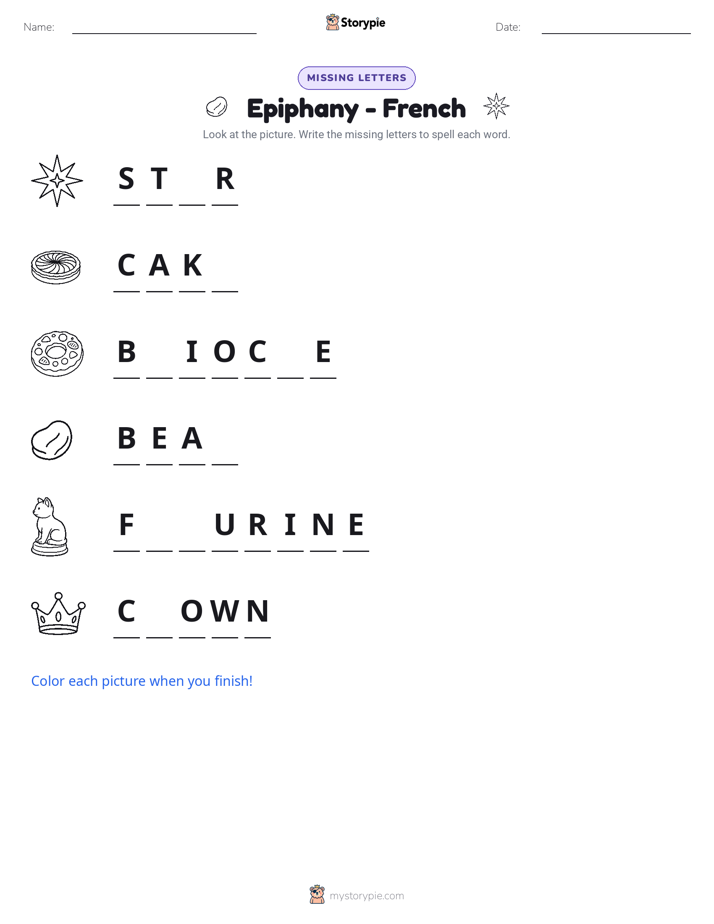
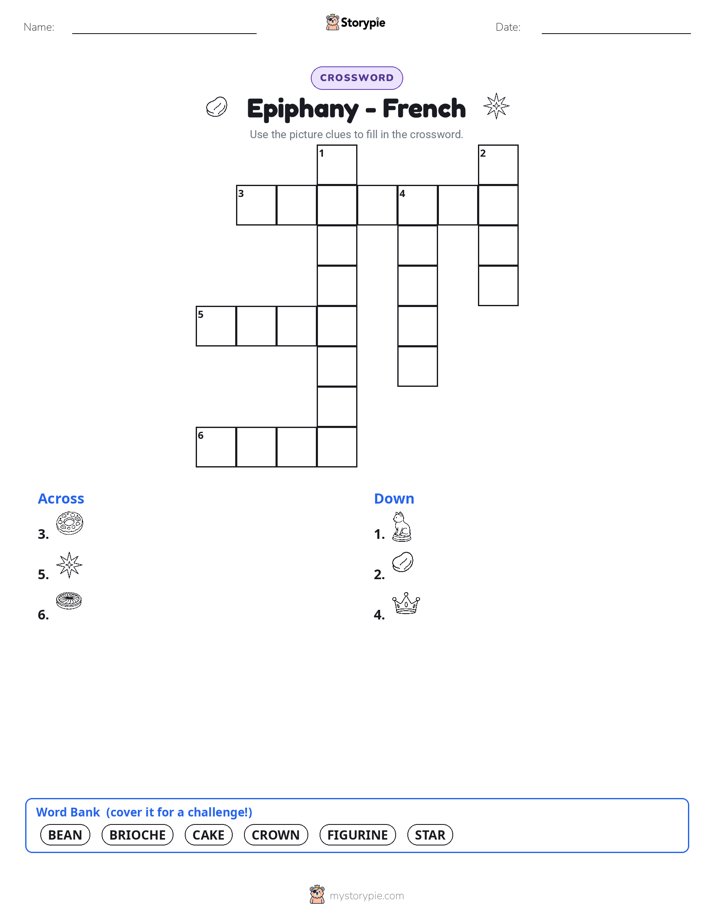
My most famous and delicious tradition in France is the sharing of a special cake. It is called the *galette des rois*, which translates to “king’s cake.” While there are different types of king cakes, the most common one in many parts of France is a beautiful, round pastry. It is made with layers of light, flaky puff pastry that turn golden brown when baked. Inside, there is a rich and sweet filling made from almond cream, which is called frangipane. This custom is not a new one; my connection to a special cake is very old. Historical records show that people in France were already eating a cake to mark my day as far back as the 14th century, which was more than 600 years ago!
The Story of Epiphany in France
Hello! I am the holiday known in France as L'Épiphanie. You might also know me by my other names, Epiphany or Three Kings' Day. I am an important day in the Christian faith, and I mark a very special event described in the Bible. My purpose is to commemorate the story of three wise men, who are also called the Magi. According to this story, these men traveled a great distance, following a star in the sky, to find the infant Jesus in the town of Bethlehem. When they found him, they presented him with three precious gifts: gold, frankincense, and myrrh. These were valuable items long ago, with gold being a gift for a king, and frankincense and myrrh being fragrant resins used in perfumes and incense.
My traditional date on the calendar is January 6th. This timing is specific because it falls exactly twelve days after Christmas Day, marking the end of the Christmas season for many people. While January 6th is my historic day, the way people observe me has changed over time to fit modern life. In France today, many people celebrate me on the first Sunday that comes after New Year's Day. This change makes it much easier for families and friends to gather together for a special meal or party. Since Sunday is usually a day off from work and school, moving my celebration ensures that more loved ones can share in my joyful traditions without having to worry about their weekly schedules.
My most famous and delicious tradition in France is the sharing of a special cake. It is called the galette des rois, which translates to “king’s cake.” While there are different types of king cakes, the most common one in many parts of France is a beautiful, round pastry. It is made with layers of light, flaky puff pastry that turn golden brown when baked. Inside, there is a rich and sweet filling made from almond cream, which is called frangipane. This custom is not a new one; my connection to a special cake is very old. Historical records show that people in France were already eating a cake to mark my day as far back as the 14th century, which was more than 600 years ago!
What makes the galette des rois so exciting is that there is always a surprise hidden inside. This little trinket is called la fève. The word fève actually means fava bean, and long ago, that is exactly what was hidden in the cake—a simple dried bean. Over the centuries, this tradition has evolved. Today, the fève is rarely a bean. Instead, it is usually a tiny charm made of porcelain or plastic. These charms come in all sorts of shapes and sizes. They might be tiny figures of historical people, cartoon characters, animals, or other good luck symbols. Many people even collect them! The person who is lucky enough to find the fève in their slice of cake receives a special honor. They are named the king or queen for the day and get to wear a paper crown, which is often sold with the cake.
Today, my observance in France is a wonderful occasion for people to gather with their family and friends and share a happy moment together. The serving of the galette des rois follows a fun and fair ritual that adds to the excitement. To begin, the youngest person in the room is asked to hide under the table. As an adult cuts the cake into slices, the child under the table calls out the name of the person who should receive each piece. This method ensures that the distribution is completely random. No one, not even the person cutting the cake, knows which slice contains the hidden fève. This makes the moment of discovery a genuine surprise, bringing laughter and fun to the gathering as everyone waits to see who will be crowned king or queen for the day.
Wow facts
About
A Christian feast day celebrated in France on January 6th, and many people also celebrate it on the first Sunday of January, commemorating the visit of the Magi to the infant Jesus. It is famously marked by eating a special cake called 'galette des rois'.
Take a Quiz
Question 1 of 5
What does the French name for the special cake, 'galette des rois', mean in English?
Want to do even more?
Go beyond exploring. Unlock tools that turn every story into real learning.

Storypie Plus for families
Full stories, quizzes, and printables. Nights and car rides, sorted.
- Unlimited audio stories
- Create Mode: your child stars in the story
- Offline downloads
- Printable worksheets & coloring pages

Why Storypie for Schools
Students engaged. Prep in seconds. Evenings back to you.
- Worksheets & Quizzes
- Classroom Management
- Formative Assessment
- Custom Curriculum & Lesson Plans
- 27 Languages

Why Storypie for Homeschool
Curriculum done. They'll ask for more. Hours back in your day.
- Worksheet Generator
- First-Person Audio Stories
- Built-in Comprehension Quizzes
- Custom Curriculum & Lesson Plans
- Print & Go Activities