English

Nyepi - Balinese
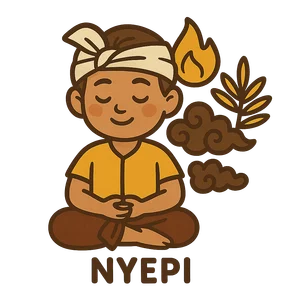
Nyepi is the Balinese Hindu New Year, a 24-hour period of silence, fasting, and meditation observed in Bali…
Reads at Grades 3–5 Listens at Grades 1–5
Print & create
Answer keys·No prep·Free with an account
28 worksheets · answer keys · full story · quiz · Ages 8-10 · CEFR B1
Plus adds 279,000+ more stories in 27 languages, audio for every one, and printables for all of them.
Just want Nyepi - Balinese?
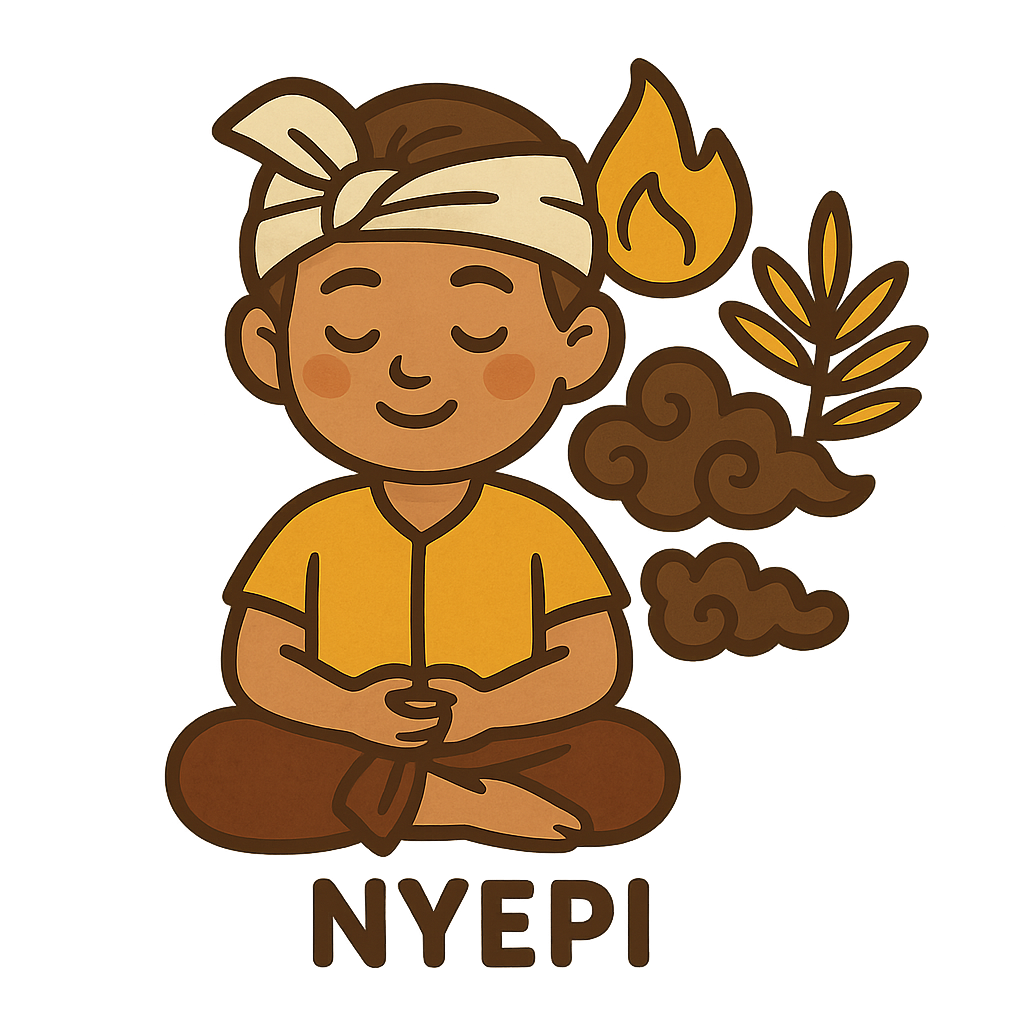
I am Nyepi, the Balinese Hindu New Year. While many new year celebrations around the world are filled with loud noises and bright fireworks, I am known as the Day of Silence. I arrive each year to mark the beginning of a new cycle on the Saka calendar, a traditional calendar used in Bali that is different from the Gregorian calendar used in many other places. My main purpose is to provide a quiet, peaceful time for self-reflection. It is an opportunity for people to cleanse themselves and the entire island of Bali from any negative influences or spirits left over from the year that has just passed. My arrival is a chance for everyone to start the new year completely fresh.
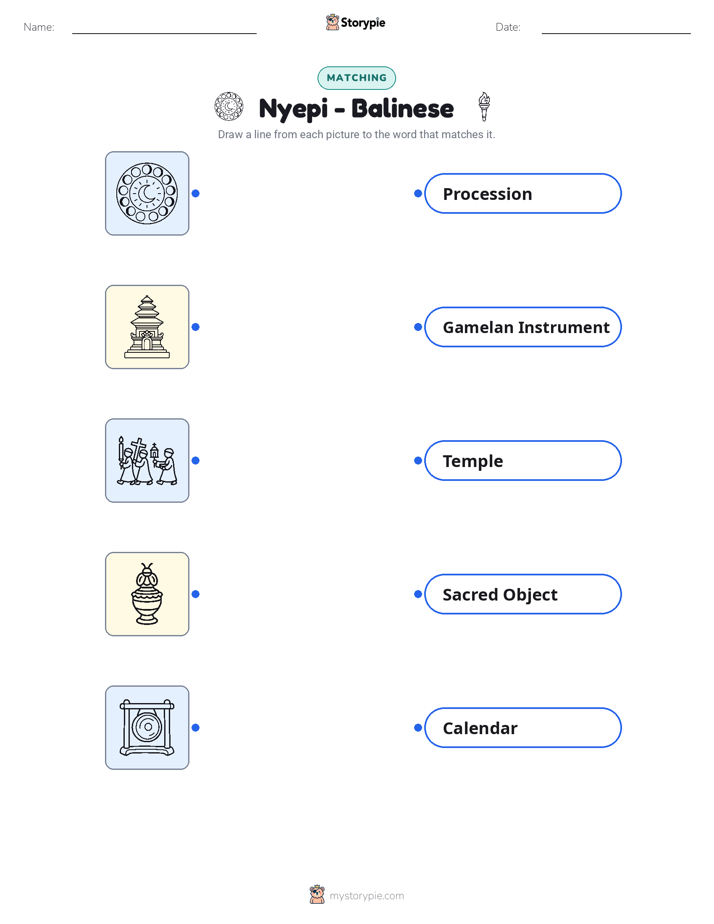
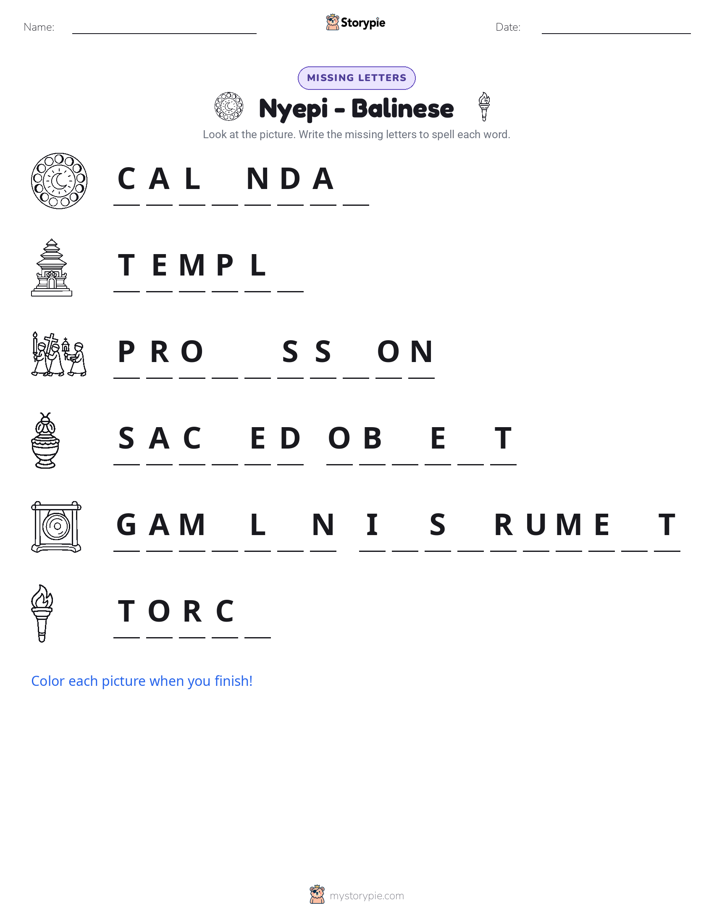
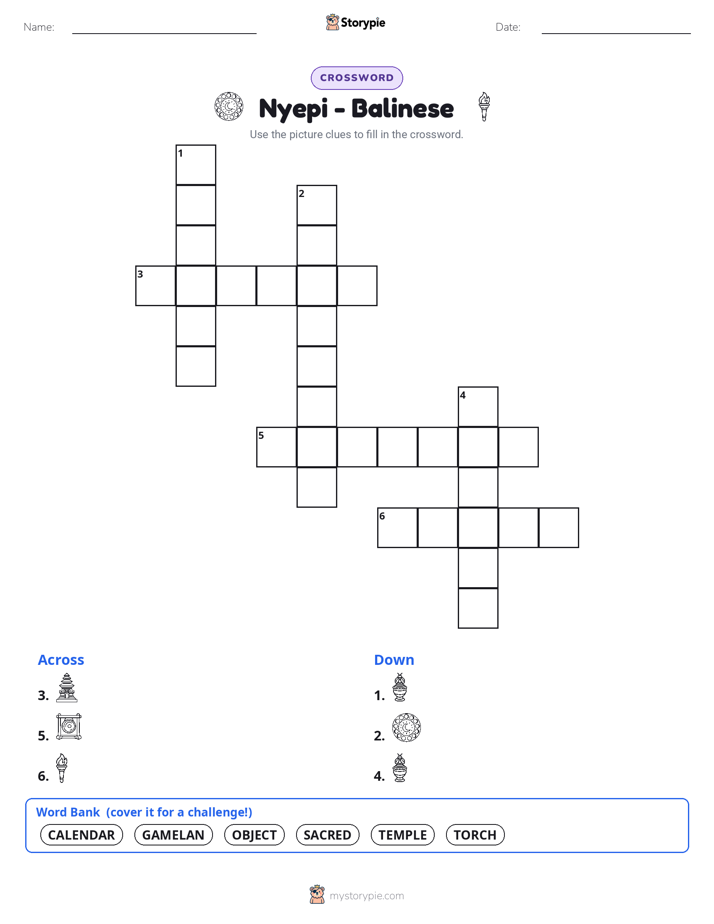
My observances actually begin several days before the great silence descends. The first important ritual is a beautiful ceremony called Melasti. To prepare for the new year, people from villages all over Bali participate in this cleansing rite. They dress in elegant, traditional clothing, creating long, colorful processions that wind their way from their local temples towards a source of water. These processions are a vibrant sight, with people carrying sacred objects and temple heirlooms. The destination is either the sea or a holy spring, where the sacred power of water is used for purification. The objects are spiritually cleansed, washing away any lingering negativity and ensuring that everything is pure for the new year ahead.
The evening right before my day of silence is the complete opposite of quiet. It is a loud, energetic, and exciting time known as the Pengerupukan ceremony. This is when communities come together for a special parade designed to chase away bad spirits. The stars of this parade are the ogoh-ogoh, which are giant figures built to look like monsters and demons. They can be frightening to look at, and that is their purpose. These enormous creations, which represent all the evil spirits and negative forces of the world, are paraded through the streets. The procession is full of energy, accompanied by the bright light of torches and the loud sounds of traditional gamelan music. The noise and commotion are believed to attract and then scare the spirits. At the end of the parade, the ogoh-ogoh are often taken to a central place and burned in a large fire, a symbolic act that is thought to banish all evil from the island, making it pure for the start of the new year.
Nyepi: My Day of Silence
I am Nyepi, the Balinese Hindu New Year. While many new year celebrations around the world are filled with loud noises and bright fireworks, I am known as the Day of Silence. I arrive each year to mark the beginning of a new cycle on the Saka calendar, a traditional calendar used in Bali that is different from the Gregorian calendar used in many other places. My main purpose is to provide a quiet, peaceful time for self-reflection. It is an opportunity for people to cleanse themselves and the entire island of Bali from any negative influences or spirits left over from the year that has just passed. My arrival is a chance for everyone to start the new year completely fresh.
My observances actually begin several days before the great silence descends. The first important ritual is a beautiful ceremony called Melasti. To prepare for the new year, people from villages all over Bali participate in this cleansing rite. They dress in elegant, traditional clothing, creating long, colorful processions that wind their way from their local temples towards a source of water. These processions are a vibrant sight, with people carrying sacred objects and temple heirlooms. The destination is either the sea or a holy spring, where the sacred power of water is used for purification. The objects are spiritually cleansed, washing away any lingering negativity and ensuring that everything is pure for the new year ahead.
The evening right before my day of silence is the complete opposite of quiet. It is a loud, energetic, and exciting time known as the Pengerupukan ceremony. This is when communities come together for a special parade designed to chase away bad spirits. The stars of this parade are the ogoh-ogoh, which are giant figures built to look like monsters and demons. They can be frightening to look at, and that is their purpose. These enormous creations, which represent all the evil spirits and negative forces of the world, are paraded through the streets. The procession is full of energy, accompanied by the bright light of torches and the loud sounds of traditional gamelan music. The noise and commotion are believed to attract and then scare the spirits. At the end of the parade, the ogoh-ogoh are often taken to a central place and burned in a large fire, a symbolic act that is thought to banish all evil from the island, making it pure for the start of the new year.
When the sun rises at 6 a.m. on my main day, the noise and activity of the previous night vanish. For the next 24 hours, the entire island of Bali becomes completely still and silent. During this time, the Balinese people observe a set of four rules known as Catur Brata Penyepian. The first is Amati Geni, which means no fire or light. This means no cooking and, in modern times, no electricity. The second is Amati Karya, meaning no work. All businesses close, and people stop their usual daily tasks. The third rule is Amati Lelungan, which means no traveling. People must stay inside their homes or hotel grounds for the full 24 hours. The final rule is Amati Lelanguan, meaning no entertainment or fun. This involves refraining from watching television, listening to music, or engaging in other forms of amusement.
These four rules together create a truly unique atmosphere. The belief behind this deep silence is that it will trick any evil spirits that might have escaped the Pengerupukan ceremony. When they pass over Bali and find it completely dark, quiet, and seemingly deserted, they are expected to believe that no one is there and will leave the island in peace for another year. The result is an island where the streets are completely empty. No cars or motorcycles are on the road. All the shops are closed, and even the busy international airport shuts down completely, with no flights arriving or departing. Everyone on the island, including tourists and visitors, is expected to respect the silence and stay indoors.
For many Balinese people, my quiet hours are a deeply important time for spiritual activities. Without the distractions of daily life, they can turn their focus inward. Many choose to fast, eating little or no food during the 24 hours of silence. It is also a very popular time for meditation and prayer. This period of self-reflection allows people to think about their lives and their actions over the past year. They consider the things they did right and the mistakes they might have made. It is a powerful opportunity to make resolutions and set intentions for the new year, deciding how they want to be better people in the months to come.
My day of silence ends the following morning, and the new year officially begins with a day called Ngembak Geni. The atmosphere shifts from quiet contemplation to joyful celebration as life returns to normal. Families and friends get together to visit one another, sharing special foods and enjoying each other’s company. A very important tradition on this day is to perform a ritual of asking for forgiveness. People apologize to their loved ones for any wrongdoings or hurtful words from the past year. This act helps to clear the air and mend relationships, allowing everyone to begin the new year with a feeling of harmony and a clean slate. It is the final step in my journey of renewal, ensuring the year starts with peace, both within oneself and within the community.
Wow facts
About
Nyepi is the Balinese Hindu New Year, a 24-hour period of silence, fasting, and meditation observed in Bali, Indonesia, to promote self-reflection and cleanse the island of evil spirits.
Take a Quiz
Question 1 of 5
What does the term 'Catur Brata Penyepian' refer to in the story?
Want to do even more?
Go beyond exploring. Unlock tools that turn every story into real learning.

Storypie Plus for families
Full stories, quizzes, and printables. Nights and car rides, sorted.
- Unlimited audio stories
- Create Mode: your child stars in the story
- Offline downloads
- Printable worksheets & coloring pages

Why Storypie for Schools
Students engaged. Prep in seconds. Evenings back to you.
- Worksheets & Quizzes
- Classroom Management
- Formative Assessment
- Custom Curriculum & Lesson Plans
- 27 Languages

Why Storypie for Homeschool
Curriculum done. They'll ask for more. Hours back in your day.
- Worksheet Generator
- First-Person Audio Stories
- Built-in Comprehension Quizzes
- Custom Curriculum & Lesson Plans
- Print & Go Activities