English

Sinulog - Filipino
Sinulog is a major cultural and religious festival held in Cebu City, Philippines…
Reads at Grades 3–5 Listens at Grades 1–5
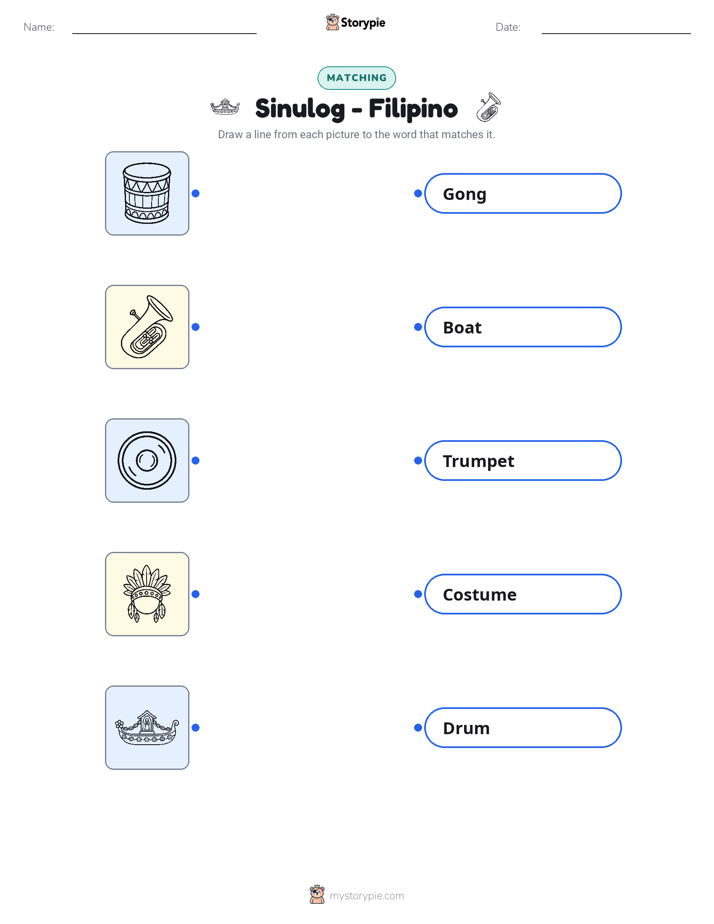
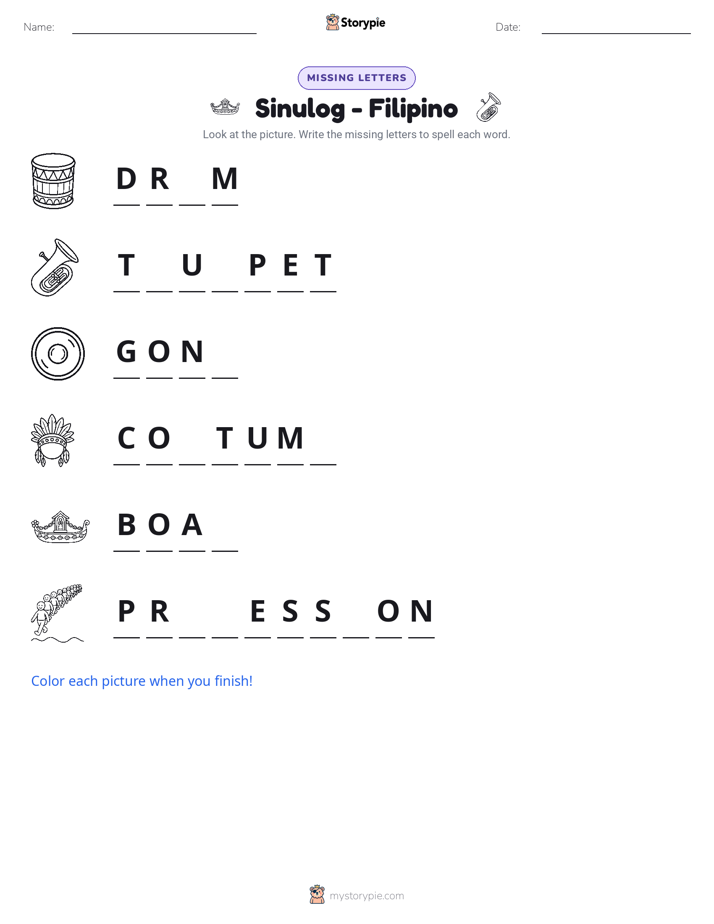
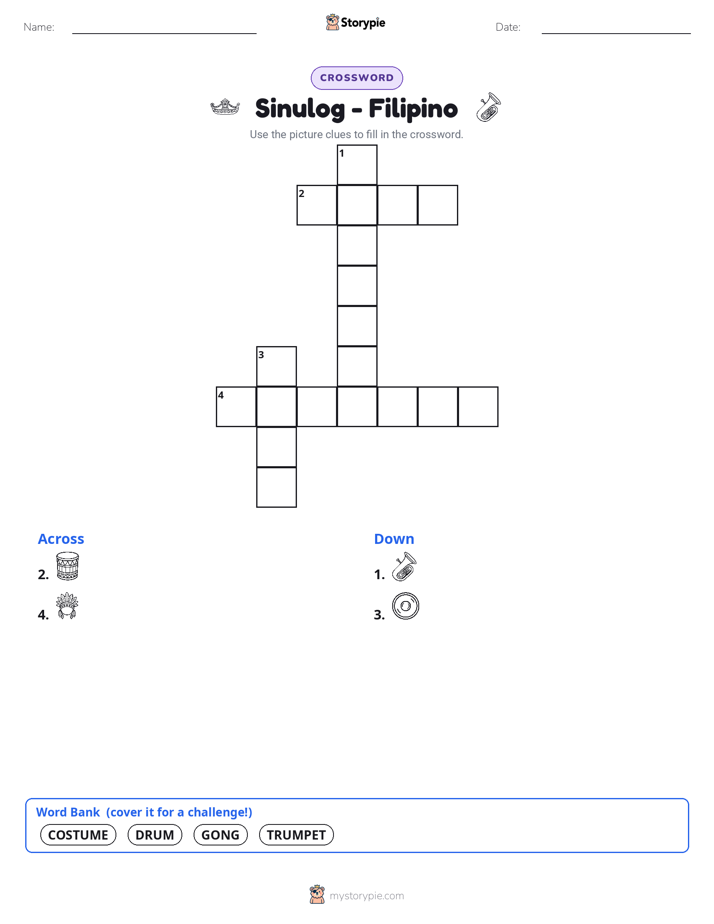
Print & create
Answer keys·No prep·Free with an account
28 worksheets · answer keys · full story · quiz · Ages 8-10 · CEFR B1
Plus adds 279,000+ more stories in 27 languages, audio for every one, and printables for all of them.
Just want Sinulog - Filipino?
Hello! I am the Sinulog Festival, a big and wonderfully colorful celebration that takes place in the Philippines. Every year in January, the streets of Cebu City fill with music, dancing, and millions of people who gather for my observance. My main purpose is to honor a very important religious figure known as the Santo Niño. In the Spanish language, this name means “Holy Child,” and it refers to a famous and beloved statue of the child Jesus that has a long and fascinating history in this city.
My story is deeply connected to the history of the Philippines. It all began a very long time ago, in the year 1521. A European explorer named Ferdinand Magellan sailed to the island of Cebu. When he arrived, he met the local rulers, and as a gesture of friendship and faith, he presented a special gift to the queen, whose name was Queen Juana. The gift was the very same statue of the Santo Niño that is honored today. This moment was significant because it marked the beginning of the Christian faith in the Philippines. That original statue, given as a gift so many centuries ago, is still carefully protected and cared for in a church in Cebu City, where it remains a powerful symbol of history and belief.
One of my most famous features is my special dance, and it’s actually where my name comes from. The word “Sinulog” is from a local Cebuano word that means “like the water current.” This name perfectly describes the unique rhythm of the dance that is central to my celebration. The dancers perform a graceful movement that consists of two steps forward and then one step back. This pattern is meant to look like the flowing water of a river, moving back and forth. It is more than just a dance; it is considered a prayer-dance. As they perform these steps, the dancers hold small images of the Santo Niño, making the dance a beautiful expression of their devotion and prayer.
The Story of the Sinulog Festival
Hello! I am the Sinulog Festival, a big and wonderfully colorful celebration that takes place in the Philippines. Every year in January, the streets of Cebu City fill with music, dancing, and millions of people who gather for my observance. My main purpose is to honor a very important religious figure known as the Santo Niño. In the Spanish language, this name means “Holy Child,” and it refers to a famous and beloved statue of the child Jesus that has a long and fascinating history in this city.
My story is deeply connected to the history of the Philippines. It all began a very long time ago, in the year 1521. A European explorer named Ferdinand Magellan sailed to the island of Cebu. When he arrived, he met the local rulers, and as a gesture of friendship and faith, he presented a special gift to the queen, whose name was Queen Juana. The gift was the very same statue of the Santo Niño that is honored today. This moment was significant because it marked the beginning of the Christian faith in the Philippines. That original statue, given as a gift so many centuries ago, is still carefully protected and cared for in a church in Cebu City, where it remains a powerful symbol of history and belief.
One of my most famous features is my special dance, and it’s actually where my name comes from. The word “Sinulog” is from a local Cebuano word that means “like the water current.” This name perfectly describes the unique rhythm of the dance that is central to my celebration. The dancers perform a graceful movement that consists of two steps forward and then one step back. This pattern is meant to look like the flowing water of a river, moving back and forth. It is more than just a dance; it is considered a prayer-dance. As they perform these steps, the dancers hold small images of the Santo Niño, making the dance a beautiful expression of their devotion and prayer.
While the tradition of honoring the Santo Niño is very old, going all the way back to 1521, my modern form as a grand festival is much younger. For hundreds of years, the devotion was a more personal or church-based practice. My transformation into a large public celebration happened much more recently, in 1980. In that year, a group of students had an idea to perform the traditional Sinulog prayer-dance in the streets of Cebu for everyone to see. Their performance was a huge success! People who watched it were so inspired and moved by the display of culture and faith that it sparked the idea for something much bigger. This single performance was the inspiration that led to the creation of the huge street parade and festival that I am known for around the world today.
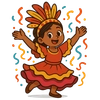
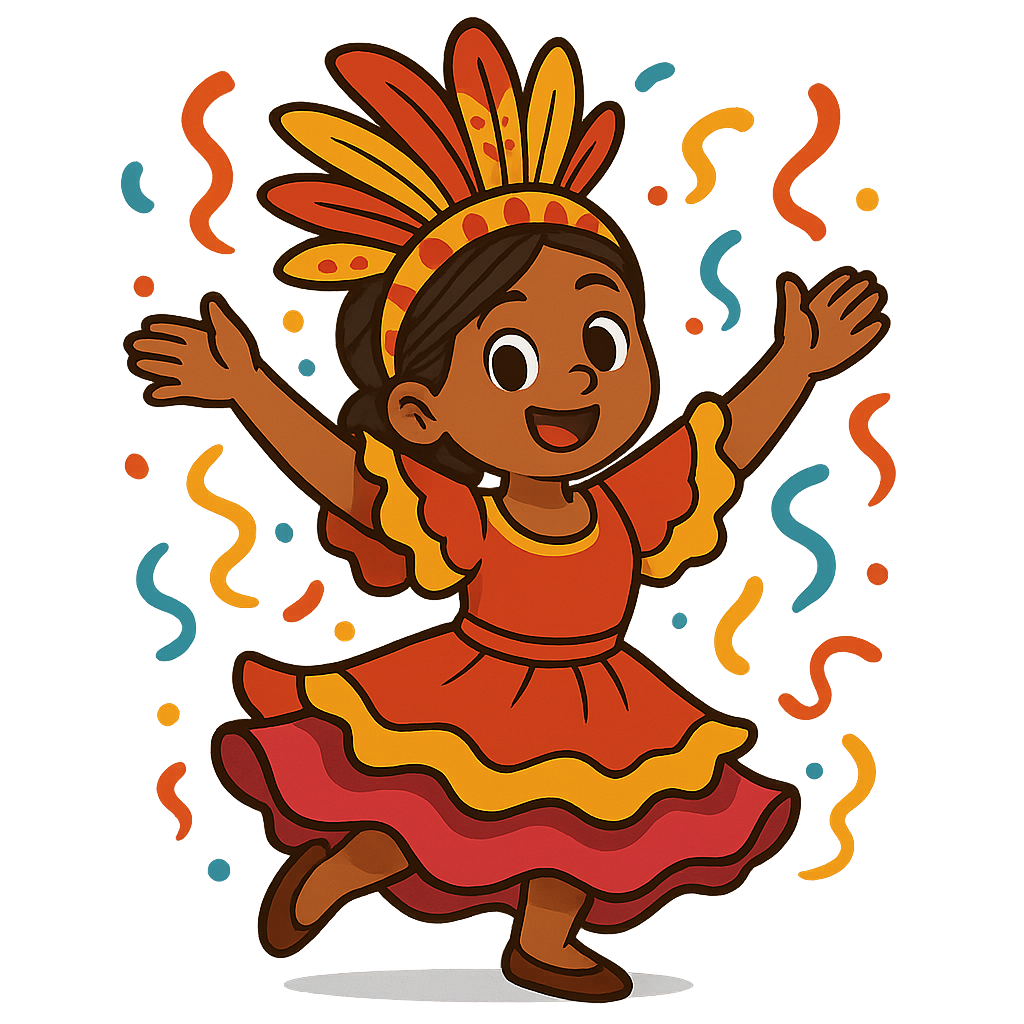
Today, people observe me over a period of nine days, with many different events and religious services. However, the most exciting and well-known part of my celebration is the Grand Parade, which takes place on the third Sunday of January. On this day, millions of people, including residents and visitors from all over the globe, line the streets of Cebu City. They come to watch thousands of dancers in bright, beautiful, and elaborate costumes. The air is filled with the powerful beat of drums, creating an energetic and joyful atmosphere. As the dancers move through the streets performing the Sinulog, you can hear them and the crowds shouting a special cheer: “Pit Señor!” This phrase is a heartfelt cheer to the Santo Niño, used both to ask for help and to give thanks for blessings.
Wow facts
About
Sinulog is a major cultural and religious festival held in Cebu City, Philippines, every third Sunday of January to honor the Santo Niño, or the child Jesus. It is famous for its street parades, traditional dance, and vibrant costumes.
Take a Quiz
Question 1 of 5
The story says the word 'Sinulog' means 'like the water current.' Why is this a good name for the festival's dance?
Want to do even more?
Go beyond exploring. Unlock tools that turn every story into real learning.

Storypie Plus for families
Full stories, quizzes, and printables. Nights and car rides, sorted.
- Unlimited audio stories
- Create Mode: your child stars in the story
- Offline downloads
- Printable worksheets & coloring pages

Why Storypie for Schools
Students engaged. Prep in seconds. Evenings back to you.
- Worksheets & Quizzes
- Classroom Management
- Formative Assessment
- Custom Curriculum & Lesson Plans
- 27 Languages

Why Storypie for Homeschool
Curriculum done. They'll ask for more. Hours back in your day.
- Worksheet Generator
- First-Person Audio Stories
- Built-in Comprehension Quizzes
- Custom Curriculum & Lesson Plans
- Print & Go Activities