English

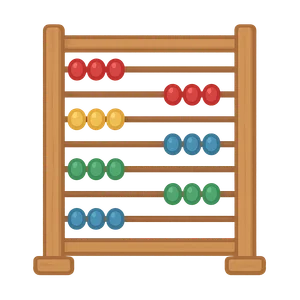
Abacus
An ancient counting tool, considered one of the first calculators…
Reads at Grades K-2 Listens at K–3
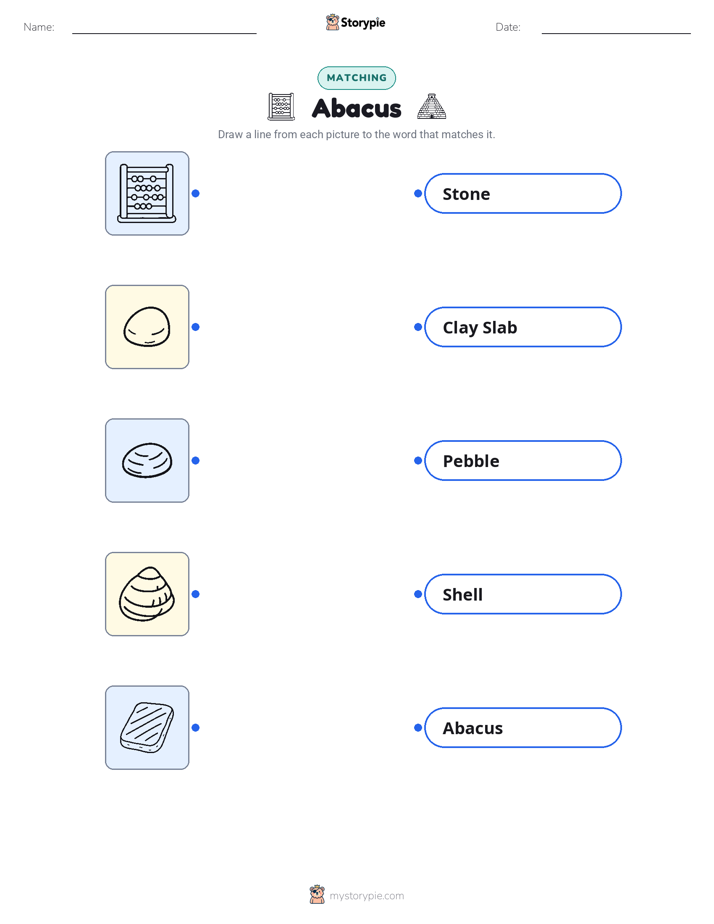
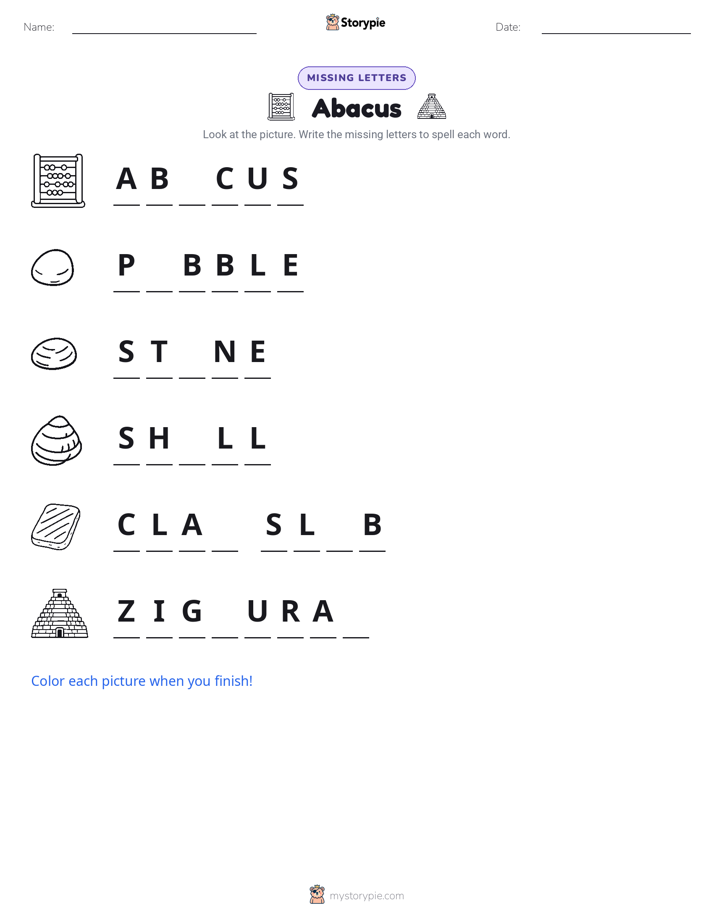
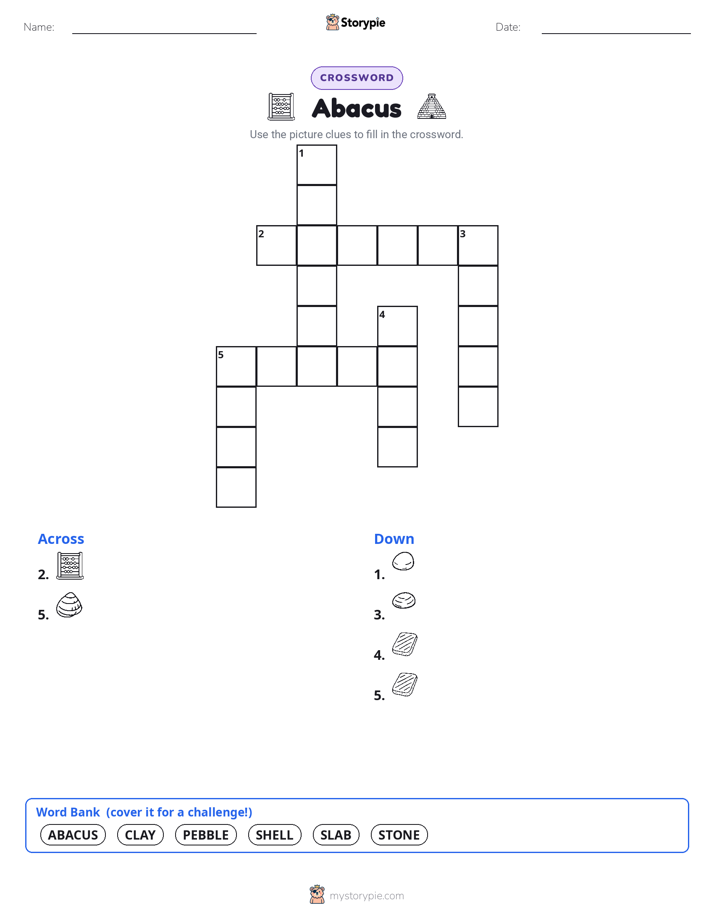
Print & create
Answer keys·No prep·Free with an account
28 worksheets · answer keys · full story · quiz · Ages 6-8 · CEFR A2
Plus adds 244,000+ more stories in 27 languages, audio for every one, and printables for all of them.
Just want Abacus?
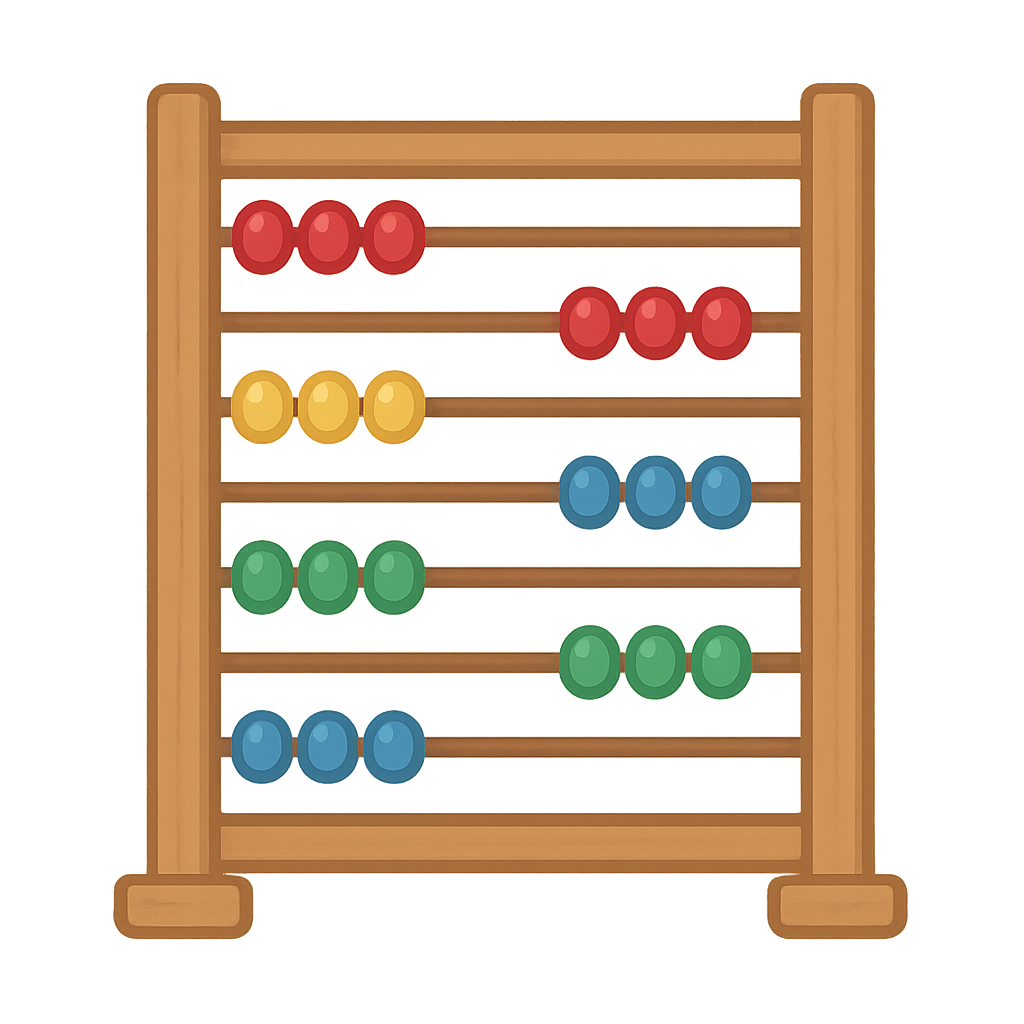
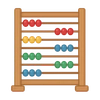
Hello! My name is Abacus, and I am one of the very first calculators in the whole world. I’m not like the calculators you see today with buttons and screens. I am a simple wooden frame with rows of colorful beads that slide back and forth on little rods. Click, clack, click. That’s the sound I make when I’m helping someone. Long ago, before I was born, people used their fingers and toes to count. That worked fine for counting a few apples or chickens. But what happened when a farmer had more sheep than all his fingers and toes combined? It was a real puzzle. That’s why I was created. I said, “Don’t worry. I can help you count very big numbers.” I turned tricky math into a fun game of sliding beads, and I was ready to help everyone from shoppers to builders.
My journey is a very long one, and I don’t have just one inventor. I was an idea that grew and changed over thousands of years. My story began way back around 2700 BCE in a sunny land called Mesopotamia. Back then, I didn’t have a wooden frame or colorful beads. I was just lines drawn in the sand, and people used little pebbles as my counters. Sumerian merchants would slide the pebbles along the lines to add up how much grain they were selling. Later, I traveled to ancient Rome. Roman engineers made me into a cool grooved tablet with little markers they could slide. I helped them measure and plan everything perfectly to build their amazing roads and giant buildings. I felt so proud. But I think I became my most famous self in China, around the 2nd century CE. There, I was called a 'suanpan.' I was given a sturdy wooden frame with a bar across the middle. I had beads above the bar and beads below it. Chinese scholars used my speedy beads to solve math problems, and merchants in busy markets used me to quickly figure out prices. Click, clack, click. I was the fastest calculator around.
The Story of the Abacus
Hello! My name is Abacus, and I am one of the very first calculators in the whole world. I’m not like the calculators you see today with buttons and screens. I am a simple wooden frame with rows of colorful beads that slide back and forth on little rods. Click, clack, click. That’s the sound I make when I’m helping someone. Long ago, before I was born, people used their fingers and toes to count. That worked fine for counting a few apples or chickens. But what happened when a farmer had more sheep than all his fingers and toes combined? It was a real puzzle. That’s why I was created. I said, “Don’t worry. I can help you count very big numbers.” I turned tricky math into a fun game of sliding beads, and I was ready to help everyone from shoppers to builders.
My journey is a very long one, and I don’t have just one inventor. I was an idea that grew and changed over thousands of years. My story began way back around 2700 BCE in a sunny land called Mesopotamia. Back then, I didn’t have a wooden frame or colorful beads. I was just lines drawn in the sand, and people used little pebbles as my counters. Sumerian merchants would slide the pebbles along the lines to add up how much grain they were selling. Later, I traveled to ancient Rome. Roman engineers made me into a cool grooved tablet with little markers they could slide. I helped them measure and plan everything perfectly to build their amazing roads and giant buildings. I felt so proud. But I think I became my most famous self in China, around the 2nd century CE. There, I was called a 'suanpan.' I was given a sturdy wooden frame with a bar across the middle. I had beads above the bar and beads below it. Chinese scholars used my speedy beads to solve math problems, and merchants in busy markets used me to quickly figure out prices. Click, clack, click. I was the fastest calculator around.
Today, I know you have amazing calculators on your phones and computers that can do math in a flash. Sometimes I wonder if an old tool like me is still needed. But I have a very special secret power that new calculators don’t have. I am not just for getting answers quickly; I am for helping your brain understand numbers in a whole new way. When children use me, they don’t just see numbers, they can actually hold them and move them. Sliding my beads from one side to the other helps you see what it really means to add and subtract. It turns math into a fun, hands-on game, like building with number blocks. That’s why, even though I am thousands of years old, I am still clicking and clacking away in schools all over the world. I love showing kids that a simple idea can be the most powerful one of all, and I am always ready to help them on their next great number adventure.
Wow facts
About
An ancient counting tool, considered one of the first calculators, that uses a frame with beads or stones on rods to perform arithmetic.
Take a Quiz
Question 1 of 4
Why was the abacus needed a long, long time ago?
Explore next



Want to do even more?
Go beyond exploring. Unlock tools that turn every story into real learning.

Storypie Plus for families
Full stories, quizzes, and printables. Nights and car rides, sorted.
- Unlimited audio stories
- Create Mode: your child stars in the story
- Offline downloads
- Printable worksheets & coloring pages

Why Storypie for Schools
Students engaged. Prep in seconds. Evenings back to you.
- Worksheets & Quizzes
- Classroom Management
- Formative Assessment
- Custom Curriculum & Lesson Plans
- 27 Languages

Why Storypie for Homeschool
Curriculum done. They'll ask for more. Hours back in your day.
- Worksheet Generator
- First-Person Audio Stories
- Built-in Comprehension Quizzes
- Custom Curriculum & Lesson Plans
- Print & Go Activities