English

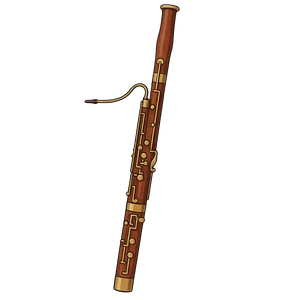
Bassoon
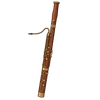
The bassoon is a woodwind instrument in the double reed family that plays music in the bass and tenor ranges.
Reads at Grades 3–5 Listens at Grades 1–5
Print & create
Answer keys·No prep·Free with an account
28 worksheets · answer keys · full story · quiz · Ages 8-10 · CEFR B1
Plus adds 273,000+ more stories in 27 languages, audio for every one, and printables for all of them.
Just want Bassoon?
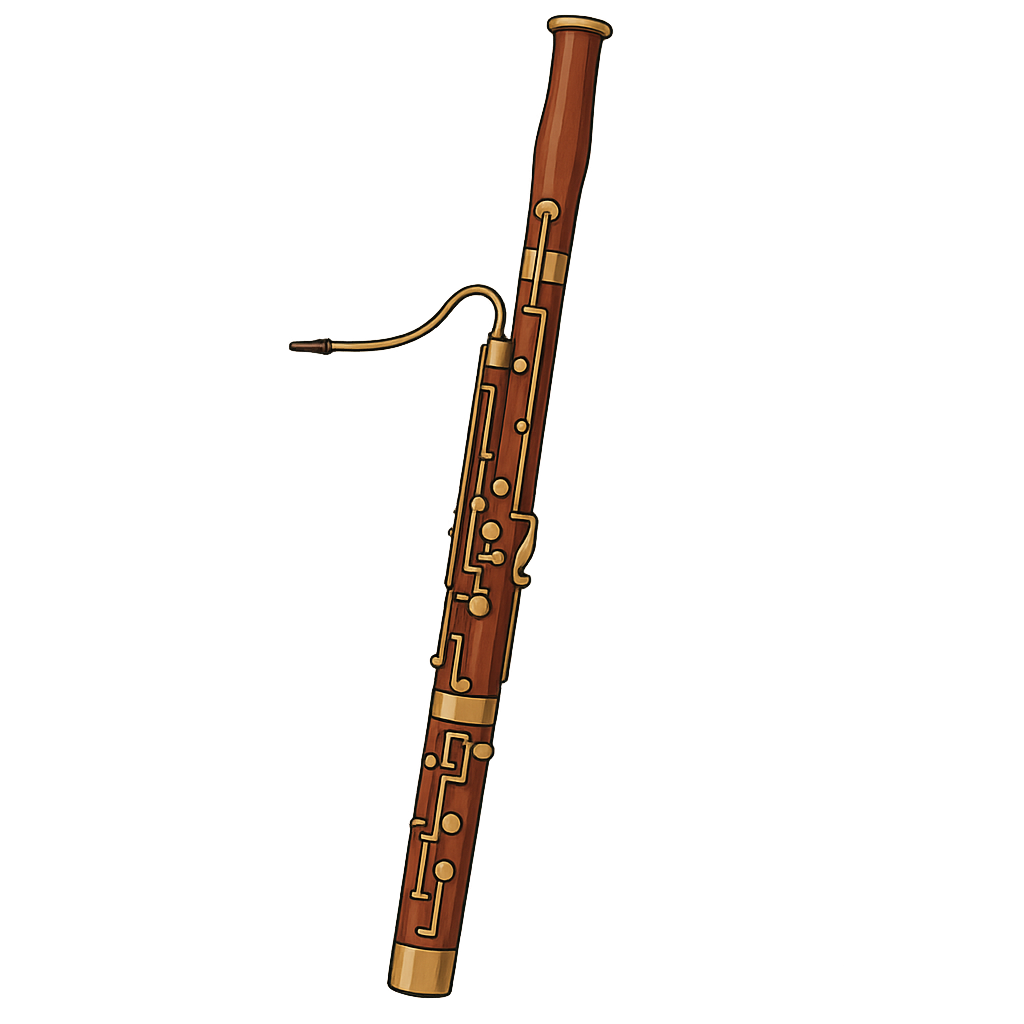
Hello there. My name is Bassoon, and I’m a proud member of the orchestra’s woodwind family. If you see me, you can’t miss me. I am a very long wooden tube, so long that I have to be bent in half just to fit on stage. My voice is deep and warm, like a gentle giant humming a tune. But don't be fooled, I can also be quite playful and even make a funny, buzzy sound that makes people giggle. To speak, I need a special little helper called a double reed. It’s made of two thin pieces of cane tied together. When a musician blows through it, the reeds vibrate, and that’s how my voice begins. I was born from a need for something new. Long ago, musicians and composers wanted a bass voice for the woodwind family that was strong, flexible, and could play all sorts of beautiful melodies. They needed a voice like mine.
Before I existed, my ancestor, the dulcian, was the star of the show. Back in the 1500s, the dulcian was quite popular. It had a similar deep voice, but it was made from a single, solid piece of wood. This made it a bit tricky to work with. It was hard to get the tuning just right, and it couldn't play as many different notes as musicians were starting to write in their music. But then, around the 1650s in France, a very clever family of instrument makers called the Hotteterres had a brilliant idea. They looked at the dulcian and thought, 'What if we made it in different sections?'. They decided to craft me from four separate pieces, or joints, that fit together perfectly. This was a huge change. Suddenly, musicians could adjust the joints to tune me more precisely. This new design also meant my makers could drill the holes for my keys more accurately, which let me sing a wider range of notes, from very low rumbles to surprisingly high melodies. I was becoming much more versatile.
A Voice from the Orchestra: The Story of the Bassoon
Hello there. My name is Bassoon, and I’m a proud member of the orchestra’s woodwind family. If you see me, you can’t miss me. I am a very long wooden tube, so long that I have to be bent in half just to fit on stage. My voice is deep and warm, like a gentle giant humming a tune. But don't be fooled, I can also be quite playful and even make a funny, buzzy sound that makes people giggle. To speak, I need a special little helper called a double reed. It’s made of two thin pieces of cane tied together. When a musician blows through it, the reeds vibrate, and that’s how my voice begins. I was born from a need for something new. Long ago, musicians and composers wanted a bass voice for the woodwind family that was strong, flexible, and could play all sorts of beautiful melodies. They needed a voice like mine.
Before I existed, my ancestor, the dulcian, was the star of the show. Back in the 1500s, the dulcian was quite popular. It had a similar deep voice, but it was made from a single, solid piece of wood. This made it a bit tricky to work with. It was hard to get the tuning just right, and it couldn't play as many different notes as musicians were starting to write in their music. But then, around the 1650s in France, a very clever family of instrument makers called the Hotteterres had a brilliant idea. They looked at the dulcian and thought, 'What if we made it in different sections?'. They decided to craft me from four separate pieces, or joints, that fit together perfectly. This was a huge change. Suddenly, musicians could adjust the joints to tune me more precisely. This new design also meant my makers could drill the holes for my keys more accurately, which let me sing a wider range of notes, from very low rumbles to surprisingly high melodies. I was becoming much more versatile.
My new, improved design made me very popular. By the 1700s, during a time called the Baroque era, I had found a permanent home in the orchestra. Composers like Bach and Vivaldi loved my rich, full-bodied sound and wrote beautiful music for me. I felt so important, providing the deep foundation for the other instruments to build upon. But my journey wasn't over. As music became more complex, so did the demands on me. Fast forward to the 1830s in Germany. A very talented bassoon player named Carl Almenräder knew I could be even better. He had dreams of a bassoon that was easier to play and had a more even, beautiful tone across all its notes. He partnered with a brilliant instrument maker, Johann Adam Heckel, and together, they gave me a major upgrade. They redesigned my shape, changed the positions of the holes, and added many new keys. This made it much easier for musicians to play fast passages and difficult notes. This 'Heckel system' bassoon is the version of me that you see in most orchestras today. They turned me into the powerful and expressive instrument I was always meant to be.
Today, my voice is heard in music all over the world. I have a very versatile personality. I can sound very serious and grand, or I can sing a melody that is full of sorrow and longing. But I also have a mischievous side. I am often called the 'clown of the orchestra' because of the funny, staccato notes I can play. My most famous funny role is playing the part of the grumpy but lovable grandfather in the musical story 'Peter and the Wolf.'. Every time you hear my deep, grumbling theme, you know the grandfather is nearby. From the grandest concert halls to school bands just starting out, I love adding my unique, deep voice to the music. I get to share stories and feelings with people everywhere, all without saying a single word.
Wow facts
About
The bassoon is a woodwind instrument in the double reed family that plays music in the bass and tenor ranges. It is known for its distinctive deep tone and is a standard member of the modern orchestra.
Take a Quiz
Question 1 of 5
What problem did making the bassoon in several pieces, or joints, solve for musicians?
Explore next






Want to do even more?
Go beyond exploring. Unlock tools that turn every story into real learning.

Storypie Plus for families
Full stories, quizzes, and printables. Nights and car rides, sorted.
- Unlimited audio stories
- Create Mode: your child stars in the story
- Offline downloads
- Printable worksheets & coloring pages

Why Storypie for Schools
Students engaged. Prep in seconds. Evenings back to you.
- Worksheets & Quizzes
- Classroom Management
- Formative Assessment
- Custom Curriculum & Lesson Plans
- 27 Languages

Why Storypie for Homeschool
Curriculum done. They'll ask for more. Hours back in your day.
- Worksheet Generator
- First-Person Audio Stories
- Built-in Comprehension Quizzes
- Custom Curriculum & Lesson Plans
- Print & Go Activities