English

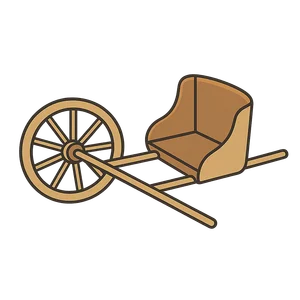
Chariot
A light, two-wheeled vehicle pulled by horses, which revolutionized ancient warfare, transportation…
Reads at Grades 6–8 Listens at Grades 4–8
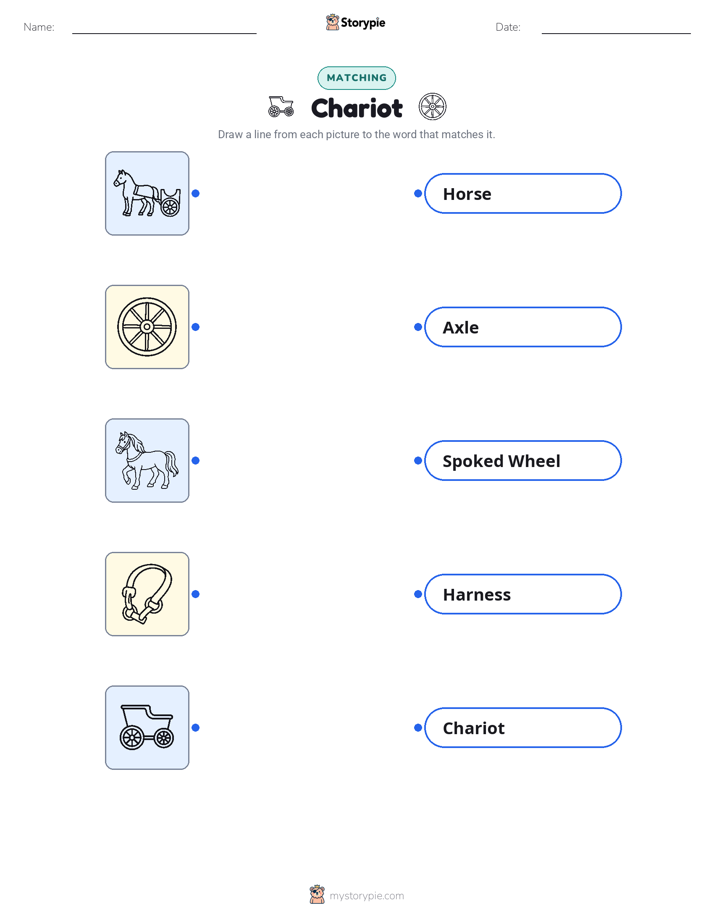
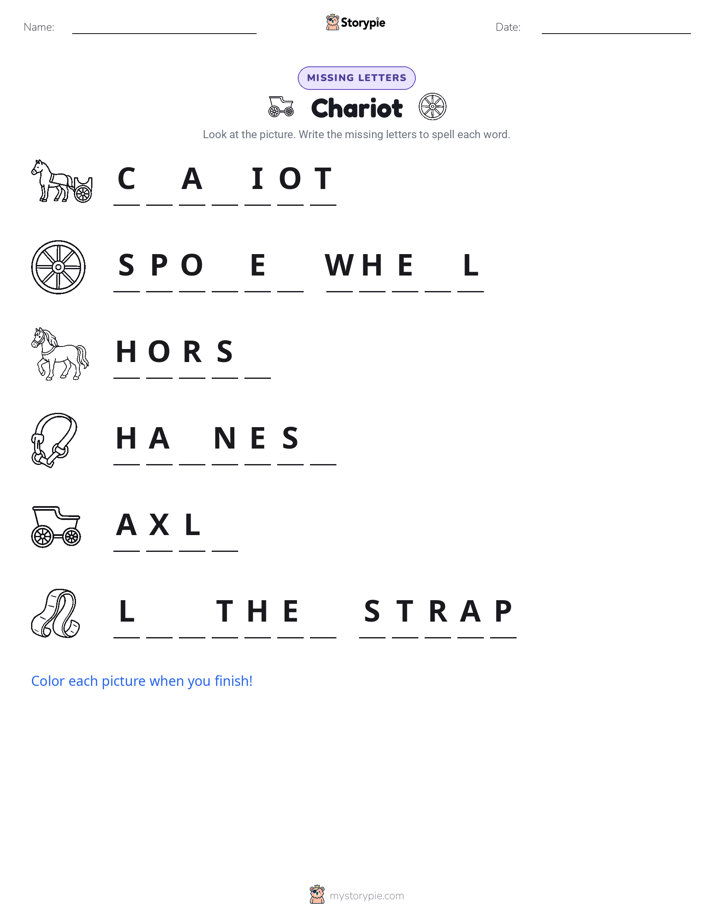
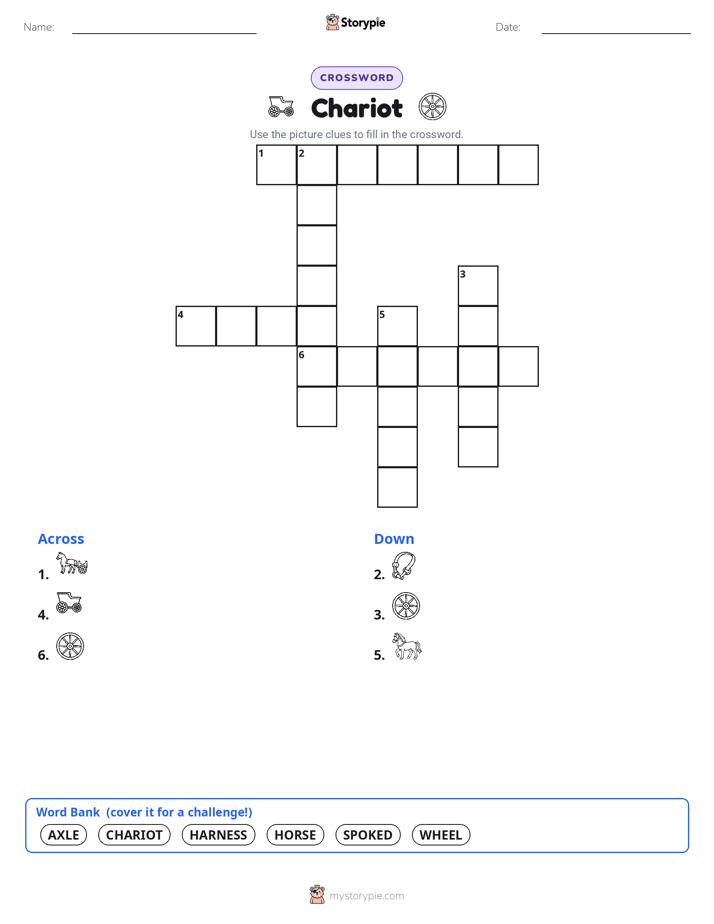
Print & create
Answer keys·No prep·Free with an account
28 worksheets · answer keys · full story · quiz · Ages 10-12 · CEFR B2
Plus adds 164,000+ more stories in 27 languages, audio for every one, and printables for all of them.
Just want Chariot?
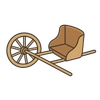
My story begins in a world of whispers and footsteps, a time when the horizon felt impossibly far away. Before I came to be, the world moved at the pace of a person's walk or the slow, steady plod of an ox. I am a chariot, a creation of bent wood, stretched leather, and gleaming bronze, and I was born from a dream of speed. Imagine a world with no cars, no trains, not even a swift horse carrying a rider. There were only heavy, clumsy carts with solid, stone-like wheels that groaned and squeaked as they were dragged through mud and over rocky ground. They were useful for hauling grain, but they were not built for adventure or urgency. People needed something more. They needed to chase the swift gazelle for a meal, to travel between settlements before nightfall, and to protect their homes from distant threats. The need for speed was a deep, unspoken hunger in the human heart. They looked at the wind rushing through the tall grass and the eagles soaring in the sky and wondered, "How can we move like that?". It was into this slow, waiting world that the idea of me was born, an idea that would soon change everything.
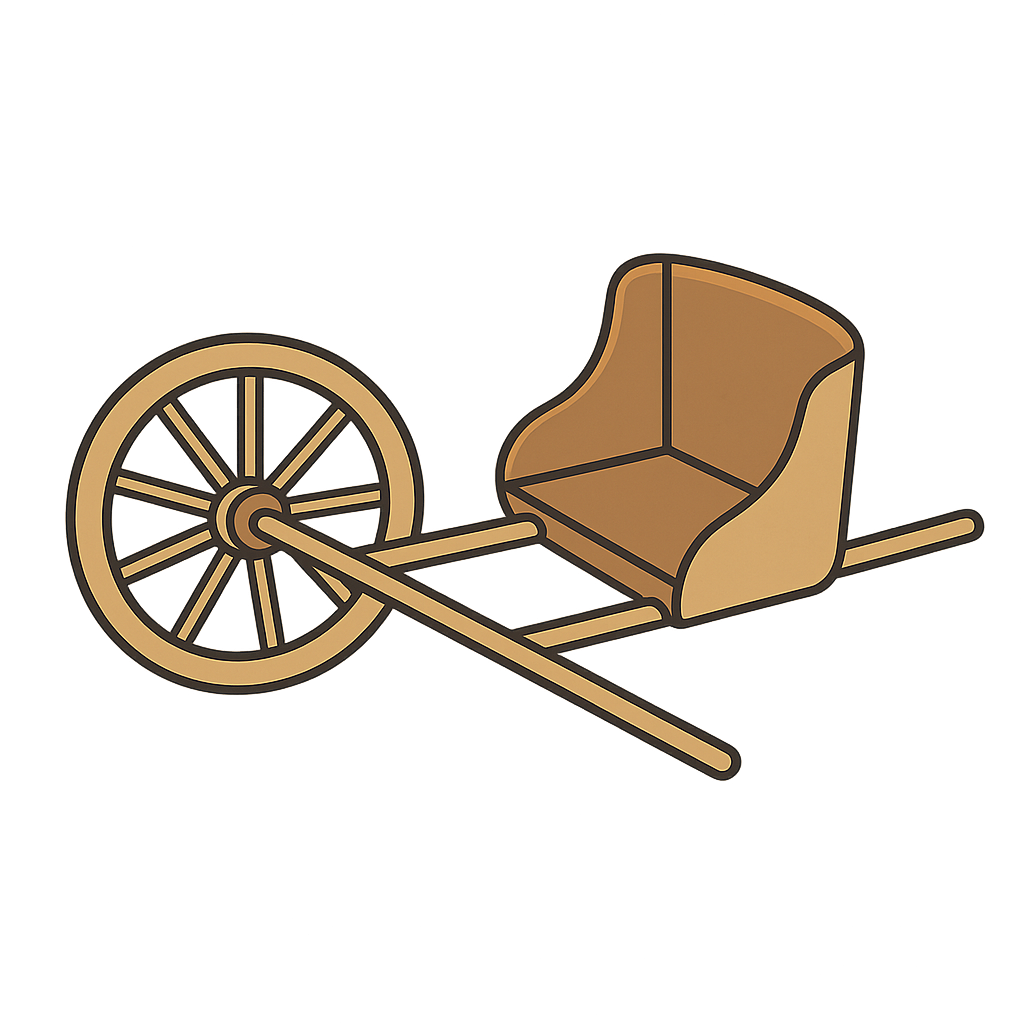
I took my first breath, so to speak, on the vast, grassy plains of the Eurasian Steppe around the year 2000 BCE. My creators were a clever people known as the Sintashta culture. There was no single inventor who shouted "Eureka." and drew my plans in the dirt. Instead, I was the result of many brilliant minds working together, a puzzle solved piece by piece over time. The most important piece of that puzzle was the spoked wheel. My ancestors, the carts, had wheels made from solid planks of wood, making them incredibly heavy and slow. But my wheels were different. They had a central hub, a thin outer rim, and slender spokes connecting the two. This design made me astonishingly light and strong. My body was a simple, U-shaped platform, just big enough for one or two people to stand on, connected to a strong axle. But my wheels and light frame were only half of the secret to my speed. The other half was who pulled me. Instead of slow, lumbering oxen, I was hitched to the most energetic and spirited animals on the plains: horses. I remember the first time a team was harnessed to my frame. I could feel their power, their eagerness to run. And then we were off. It was not like rolling; it was like flying. The wind roared past, the ground became a blur, and for the first time, humans were moving across the land faster than any predator, faster than they had ever dreamed possible. It was a feeling of pure freedom.
The Story of the Chariot
My story begins in a world of whispers and footsteps, a time when the horizon felt impossibly far away. Before I came to be, the world moved at the pace of a person's walk or the slow, steady plod of an ox. I am a chariot, a creation of bent wood, stretched leather, and gleaming bronze, and I was born from a dream of speed. Imagine a world with no cars, no trains, not even a swift horse carrying a rider. There were only heavy, clumsy carts with solid, stone-like wheels that groaned and squeaked as they were dragged through mud and over rocky ground. They were useful for hauling grain, but they were not built for adventure or urgency. People needed something more. They needed to chase the swift gazelle for a meal, to travel between settlements before nightfall, and to protect their homes from distant threats. The need for speed was a deep, unspoken hunger in the human heart. They looked at the wind rushing through the tall grass and the eagles soaring in the sky and wondered, "How can we move like that?". It was into this slow, waiting world that the idea of me was born, an idea that would soon change everything.
I took my first breath, so to speak, on the vast, grassy plains of the Eurasian Steppe around the year 2000 BCE. My creators were a clever people known as the Sintashta culture. There was no single inventor who shouted "Eureka." and drew my plans in the dirt. Instead, I was the result of many brilliant minds working together, a puzzle solved piece by piece over time. The most important piece of that puzzle was the spoked wheel. My ancestors, the carts, had wheels made from solid planks of wood, making them incredibly heavy and slow. But my wheels were different. They had a central hub, a thin outer rim, and slender spokes connecting the two. This design made me astonishingly light and strong. My body was a simple, U-shaped platform, just big enough for one or two people to stand on, connected to a strong axle. But my wheels and light frame were only half of the secret to my speed. The other half was who pulled me. Instead of slow, lumbering oxen, I was hitched to the most energetic and spirited animals on the plains: horses. I remember the first time a team was harnessed to my frame. I could feel their power, their eagerness to run. And then we were off. It was not like rolling; it was like flying. The wind roared past, the ground became a blur, and for the first time, humans were moving across the land faster than any predator, faster than they had ever dreamed possible. It was a feeling of pure freedom.
Once I proved how fast and useful I could be, my design began a grand journey across the ancient world. I was an idea that could not be contained. By 1700 BCE, I had galloped far from the steppes and arrived in the great civilizations of Mesopotamia and Egypt. Each culture saw my potential and adapted me to fit their own needs and style. In Egypt, I became more than just a vehicle; I was a symbol of divine power and royalty. Pharaohs adorned me with sheets of shimmering gold and intricate carvings. The famous young pharaoh, Tutankhamun, loved me so much that when he died around 1324 BCE, he had six of my finest Egyptian brothers placed in his tomb to serve him in the afterlife. But I had a fiercer side as well. I became a dominant weapon of war, a terrifying force that could shatter enemy lines. Imagine the chaos and thunder of the Battle of Kadesh, fought around 1274 BCE. Thousands of my Hittite brothers squared off against thousands of my Egyptian siblings. We were the tanks of our day, a fast-moving platform for skilled archers who could rain down arrows on foot soldiers, or for warriors with long spears who could strike with lightning speed. Being a part of such a battle was terrifying and exhilarating. I was the key to victory, a mobile fortress that changed the very nature of warfare and became the ultimate expression of a king's might.
For centuries, I was the undisputed king of the battlefield, but no reign lasts forever. As time moved into the 1st millennium BCE, clever generals and soldiers developed new tactics. They learned to ride directly on horseback, creating swift and agile cavalry units that could maneuver in ways I could not. My time as the premier weapon of war began to fade. But just as one door closed, another, even more exciting one, opened. I found a new life and a new kind of glory, not in war, but in sport. I became a star athlete. In sprawling empires like Greece and Rome, my name was chanted by thousands of cheering fans. The roar of the crowd in the Circus Maximus in Rome was like thunder. Four-horse teams, called quadrigas, would be hitched to my frame, and we would race at breathtaking speeds around a sandy track. The turns were sharp, the danger was real, and the charioteers who drove me became legendary heroes, more famous than generals. Though you will not see me on the roads or battlefields today, my spirit of speed and innovation is everywhere. I was the first machine that truly conquered distance and gave humans the thrill of high velocity. The same spark of creative genius that designed my spoked wheels and lightweight frame is the same spark that builds the sleek race cars and powerful rockets of your time. I am a reminder that sometimes, the most revolutionary change in the world can begin with the simple, powerful dream of moving just a little bit faster.
Wow facts
About
A light, two-wheeled vehicle pulled by horses, which revolutionized ancient warfare, transportation, and sport with its innovative spoked-wheel design.
Take a Quiz
Question 1 of 5
Retell the story of the chariot's 'career' in your own words, describing its journey from a tool of war to a star of the racetrack.
Explore next


Want to do even more?
Go beyond exploring. Unlock tools that turn every story into real learning.

Storypie Plus for families
Full stories, quizzes, and printables. Nights and car rides, sorted.
- Unlimited audio stories
- Create Mode: your child stars in the story
- Offline downloads
- Printable worksheets & coloring pages

Why Storypie for Schools
Students engaged. Prep in seconds. Evenings back to you.
- Worksheets & Quizzes
- Classroom Management
- Formative Assessment
- Custom Curriculum & Lesson Plans
- 27 Languages

Why Storypie for Homeschool
Curriculum done. They'll ask for more. Hours back in your day.
- Worksheet Generator
- First-Person Audio Stories
- Built-in Comprehension Quizzes
- Custom Curriculum & Lesson Plans
- Print & Go Activities