English

London Underground
The London Underground is the world's first underground railway system…
Reads at Grades 6–8 Listens at Grades 4–8
Print & create
Answer keys·No prep·Free with an account
28 worksheets · answer keys · full story · quiz · Ages 10-12 · CEFR B2
Plus adds 208,000+ more stories in 27 languages, audio for every one, and printables for all of them.
Just want London Underground?
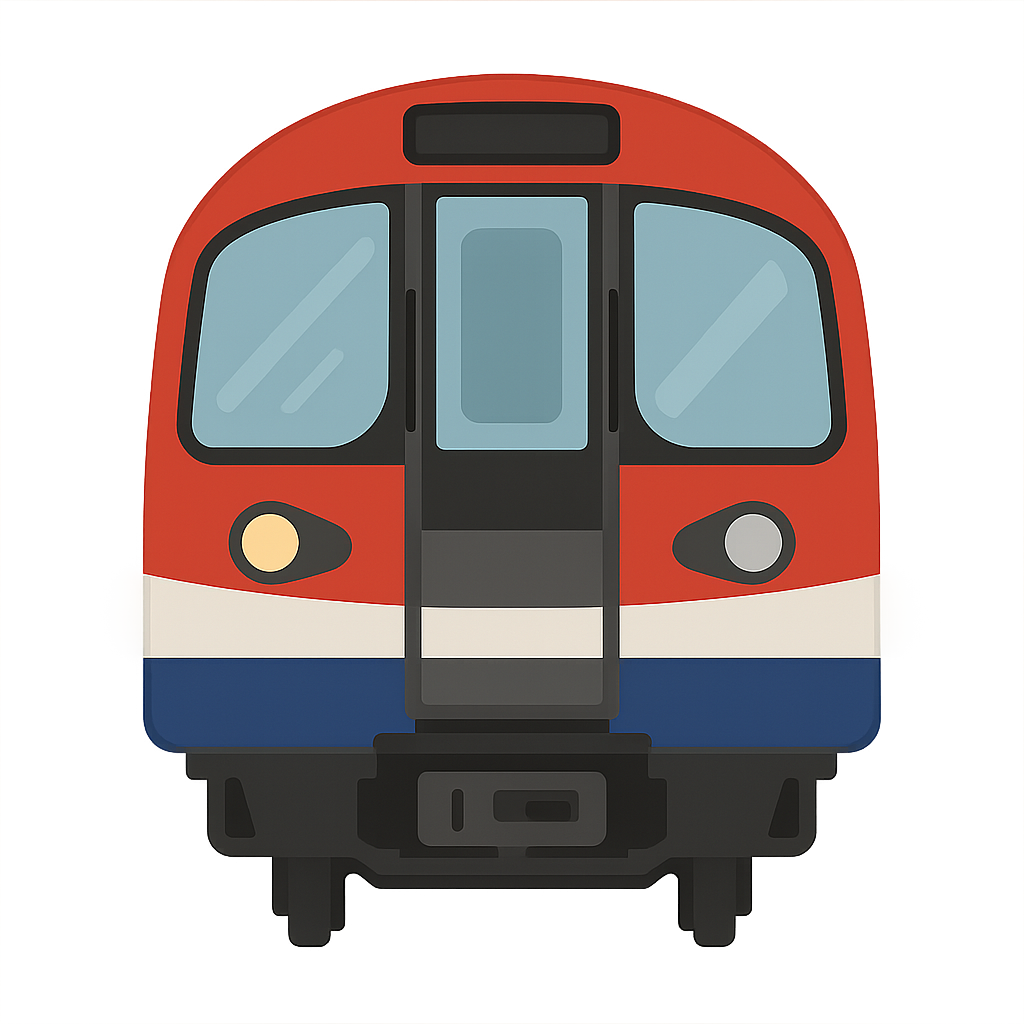
Before I was a network of tunnels, a map of colored lines, or even a whisper of an idea, I was a problem. Or rather, I was the solution to a problem that was choking the greatest city in the world. My story begins in the mid-1800s, in a Victorian London bursting at the seams. Imagine streets so packed with horse-drawn carriages, rumbling omnibuses, and a sea of people that the entire city was trapped in a permanent traffic jam. It could take hours to travel just a few miles. The air was thick with coal smoke and the noise was a constant roar. It was into this chaos that a man named Charles Pearson, a city solicitor with a grand vision, dared to imagine something impossible: a railway that ran not through the city, but beneath it. People thought he was mad. An underground railway. The idea was absurd. But Mr. Pearson saw a future where people could move quickly and freely, and he believed in it with all his heart. He saw me, the London Underground, long before the first shovel ever broke ground. He knew London needed a new set of arteries, a secret system that could carry its lifeblood, its people, without clogging its streets.
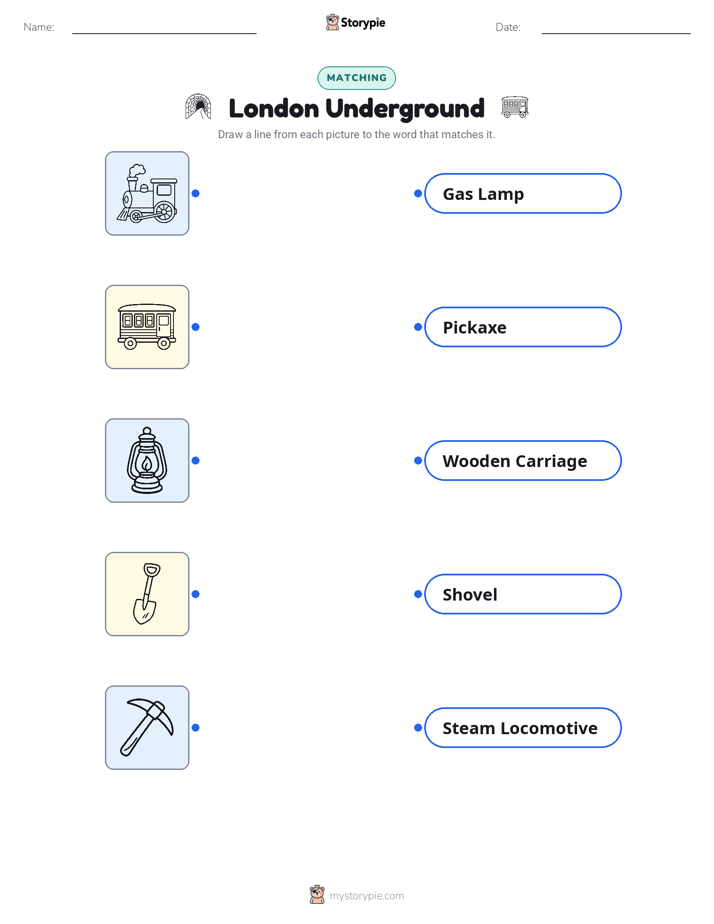
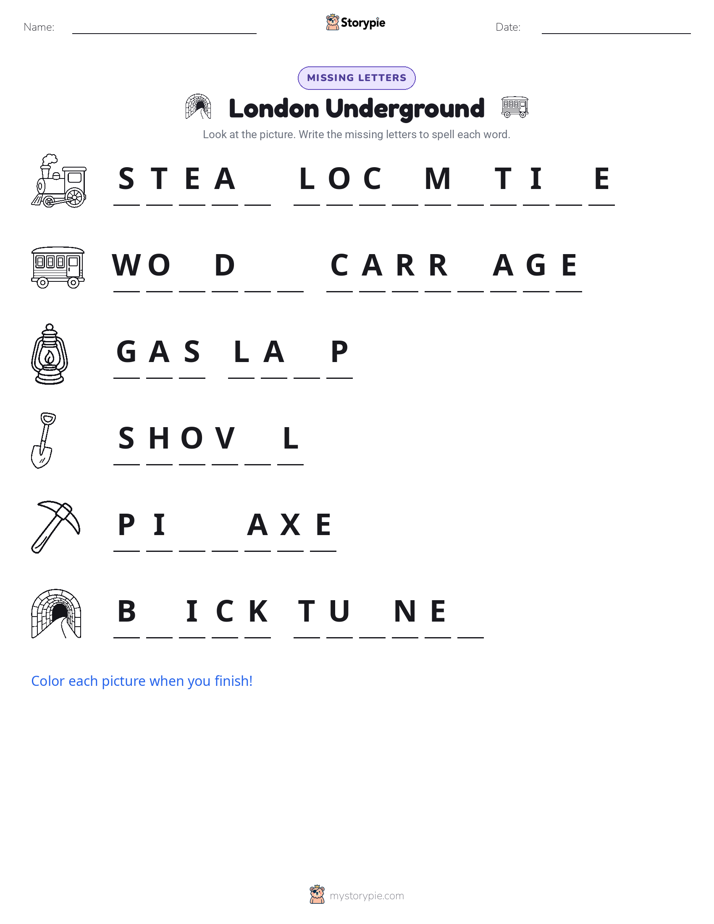
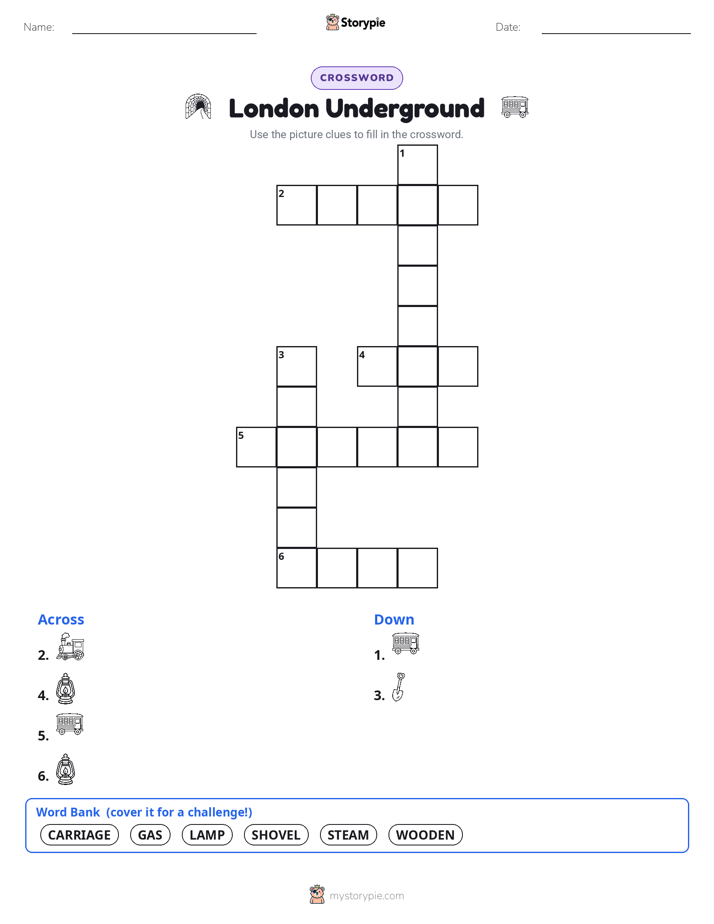
Bringing me to life was one of the most difficult engineering feats of the age. The first method my builders used was called 'cut-and-cover.' It was as brutal as it sounds. They dug enormous, long trenches directly down the middle of major roads, like Marylebone Road and Euston Road, turning the city into a massive construction site. They laid my tracks at the bottom of these canyons, built brick walls and an arched roof over me, and then put the road back on top. Thousands of men, called 'navvies,' worked with little more than shovels, pickaxes, and steam-powered excavators. It was dangerous work. They were constantly battling London’s soft clay and gravel, and they never knew when they might accidentally break into a fragile sewer line or a gas pipe. After years of this messy, monumental effort, the day finally arrived. On January 10th, 1863, I officially opened as the Metropolitan Railway. The first passengers climbed aboard wooden carriages lit by flickering gas lamps. As the steam locomotive pulled them into my dark, brick-lined tunnels for the first time, I could feel their mix of terror and wonder. They were traveling underground, moving beneath the city's chaos at an incredible speed. I wasn't perfect—the steam and smoke from the locomotives filled my tunnels with a sulfurous haze—but I was a revolution.
I Am the London Underground
Before I was a network of tunnels, a map of colored lines, or even a whisper of an idea, I was a problem. Or rather, I was the solution to a problem that was choking the greatest city in the world. My story begins in the mid-1800s, in a Victorian London bursting at the seams. Imagine streets so packed with horse-drawn carriages, rumbling omnibuses, and a sea of people that the entire city was trapped in a permanent traffic jam. It could take hours to travel just a few miles. The air was thick with coal smoke and the noise was a constant roar. It was into this chaos that a man named Charles Pearson, a city solicitor with a grand vision, dared to imagine something impossible: a railway that ran not through the city, but beneath it. People thought he was mad. An underground railway. The idea was absurd. But Mr. Pearson saw a future where people could move quickly and freely, and he believed in it with all his heart. He saw me, the London Underground, long before the first shovel ever broke ground. He knew London needed a new set of arteries, a secret system that could carry its lifeblood, its people, without clogging its streets.
Bringing me to life was one of the most difficult engineering feats of the age. The first method my builders used was called 'cut-and-cover.' It was as brutal as it sounds. They dug enormous, long trenches directly down the middle of major roads, like Marylebone Road and Euston Road, turning the city into a massive construction site. They laid my tracks at the bottom of these canyons, built brick walls and an arched roof over me, and then put the road back on top. Thousands of men, called 'navvies,' worked with little more than shovels, pickaxes, and steam-powered excavators. It was dangerous work. They were constantly battling London’s soft clay and gravel, and they never knew when they might accidentally break into a fragile sewer line or a gas pipe. After years of this messy, monumental effort, the day finally arrived. On January 10th, 1863, I officially opened as the Metropolitan Railway. The first passengers climbed aboard wooden carriages lit by flickering gas lamps. As the steam locomotive pulled them into my dark, brick-lined tunnels for the first time, I could feel their mix of terror and wonder. They were traveling underground, moving beneath the city's chaos at an incredible speed. I wasn't perfect—the steam and smoke from the locomotives filled my tunnels with a sulfurous haze—but I was a revolution.
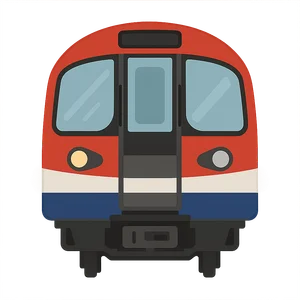
My smoky beginnings were a serious problem. While people loved the convenience, the air in my tunnels and stations was often thick and unpleasant. A better way had to be found if I was ever going to expand and truly serve the city. The answer was a brilliant and clean new power: electricity. This innovation changed everything. In 1890, a new line, the City & South London Railway, opened, becoming the world's first deep-level electric underground railway. Instead of digging a huge trench, engineers used a circular shield to bore deep into the earth, far below the tangled mess of pipes and foundations near the surface. This created perfectly round tunnels, which soon gave me my famous nickname: 'the Tube.' There was no smoke, no soot, just the quiet hum of electric motors. Riding these new lines felt like stepping into the future. It was cleaner, faster, and the air was fresh. This new technology meant I could go deeper and spread further. My lines began to stretch out like the roots of a great tree, reaching new parts of London and connecting distant communities into one sprawling, interconnected city. The age of steam was over, and my electric heart had just begun to beat.
As my network grew, I needed a clear identity so that people could find me easily. Around 1908, I was given my iconic symbol: a red circle with a horizontal blue bar through the middle. This emblem, known as the roundel, became a welcoming beacon on every street corner where you could find one of my stations. But a symbol wasn't enough; people needed to understand my complex, growing web of tunnels. In 1933, an engineering draftsman named Harry Beck had a stroke of genius. He realized that a map of the Underground didn't need to be geographically accurate. Instead, he designed a map that was more like an electrical circuit diagram, with straight lines, clean angles, and evenly spaced stations. It was simple, elegant, and made navigating my system intuitive for everyone. My map became as famous as my logo. But my most profound role was yet to come. During World War II, as bombs rained down on London, my deep-level stations became a place of refuge. I transformed from a transport system into a sanctuary. Thousands of families would bring their blankets and spend the night on my platforms, safe from the destruction above. I became a home, a shelter, and a symbol of London's resilience.
Today, I am the beating heart of London. My journey from a radical Victorian dream to a modern necessity has been long and full of challenges, but the vision of my creators has endured. I am still growing, with new lines like the Elizabeth line stretching further than ever before. My classic roundel and Harry Beck’s map still guide millions of people every single day as they travel to work, to school, to see friends, or to explore this incredible city. I have carried generations of Londoners and visitors from around the world. I am more than just steel tracks and electric trains; I am the circulatory system of London, a testament to human ingenuity and the relentless drive to solve problems and connect people. I was born from chaos, and I continue to bring order, speed, and connection to the city I proudly serve.
Wow facts
About
The London Underground is the world's first underground railway system, serving Greater London and surrounding areas. Known as 'The Tube,' it was a pioneering solution to urban traffic congestion in the 19th century.
Take a Quiz
Question 1 of 5
In your own words, describe the main problem in Victorian London that led to the creation of the Underground and the first method used to build it.
Explore next





Want to do even more?
Go beyond exploring. Unlock tools that turn every story into real learning.

Storypie Plus for families
Full stories, quizzes, and printables. Nights and car rides, sorted.
- Unlimited audio stories
- Create Mode: your child stars in the story
- Offline downloads
- Printable worksheets & coloring pages

Why Storypie for Schools
Students engaged. Prep in seconds. Evenings back to you.
- Worksheets & Quizzes
- Classroom Management
- Formative Assessment
- Custom Curriculum & Lesson Plans
- 27 Languages

Why Storypie for Homeschool
Curriculum done. They'll ask for more. Hours back in your day.
- Worksheet Generator
- First-Person Audio Stories
- Built-in Comprehension Quizzes
- Custom Curriculum & Lesson Plans
- Print & Go Activities