English

London Underground
The London Underground is the world's first underground railway system…
Reads at Grades K-2 Listens at K–3
Print & create
Answer keys·No prep·Free with an account
28 worksheets · answer keys · full story · quiz · Ages 6-8 · CEFR A2
Plus adds 208,000+ more stories in 27 languages, audio for every one, and printables for all of them.
Just want London Underground?
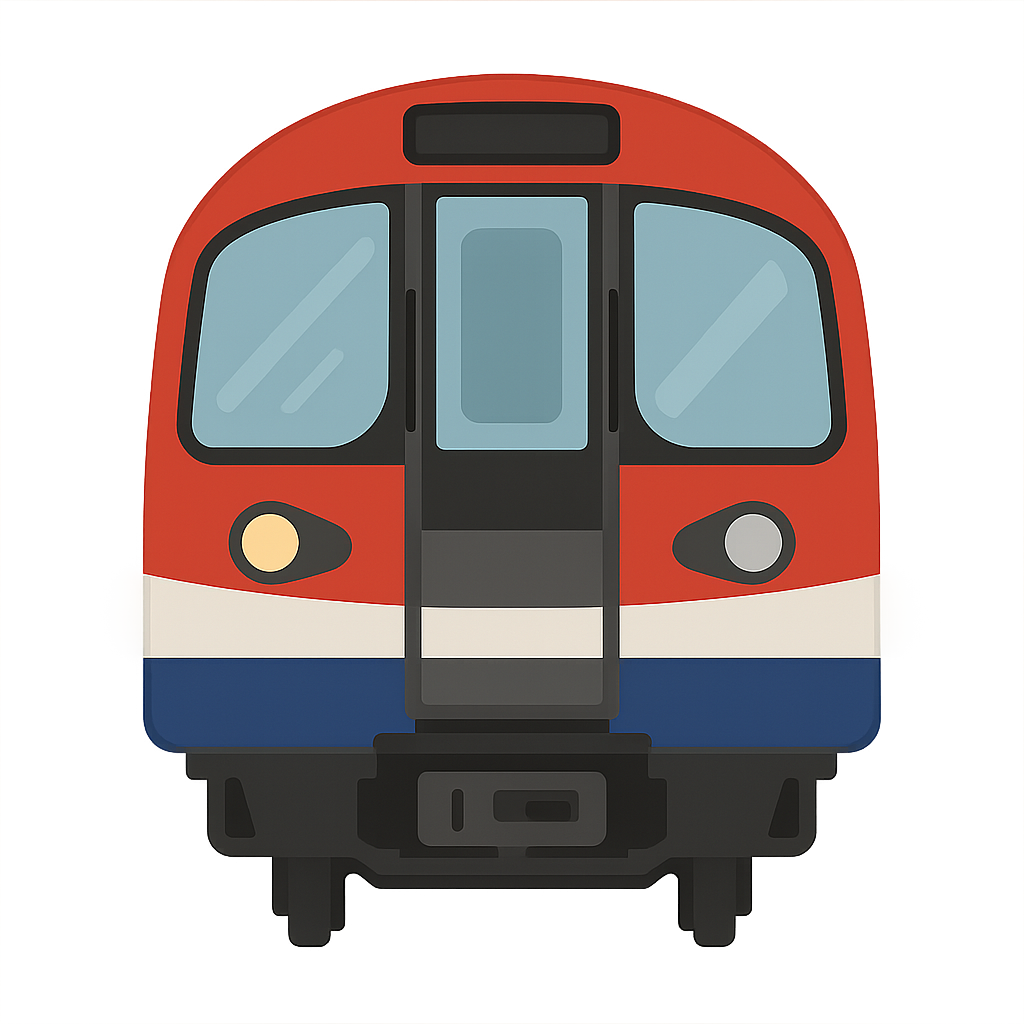
Hello. I am the London Underground, but many of my friends call me the Tube. Long ago, in the 1800s, the city of London was very, very crowded. Imagine streets filled with so many horses pulling carriages that it was like a giant traffic jam that never stopped. It was noisy and slow. A clever man named Charles Pearson looked at the busy streets and had a brilliant idea. He thought, “What if we could build a railway for people to travel under the ground?”. It sounded like a wild idea to some, but he knew it could help everyone get around much faster. He wanted to help people zip from one side of the big city to the other without getting stuck.
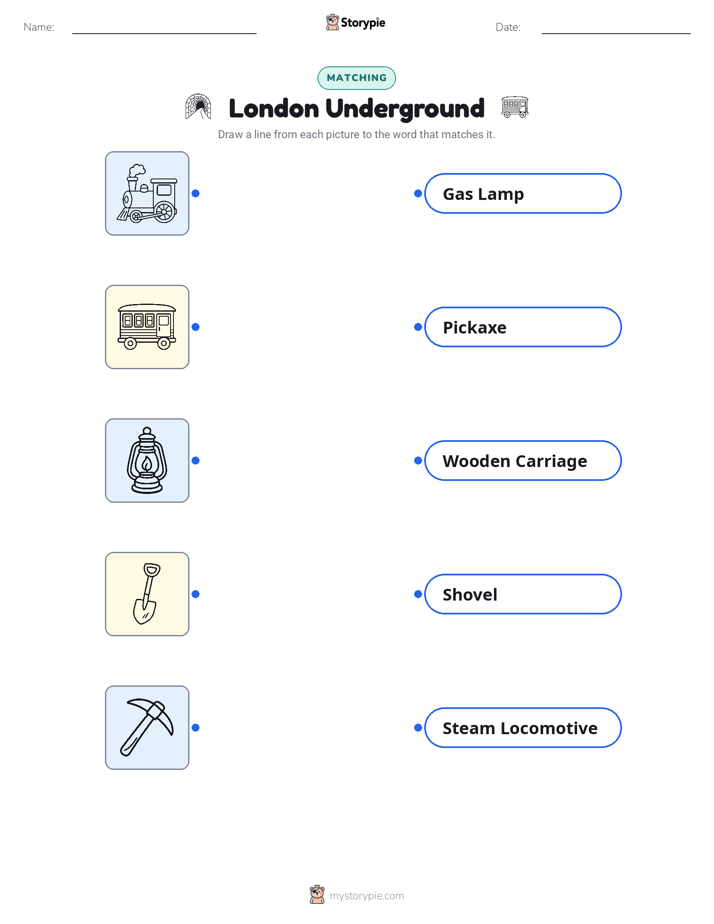
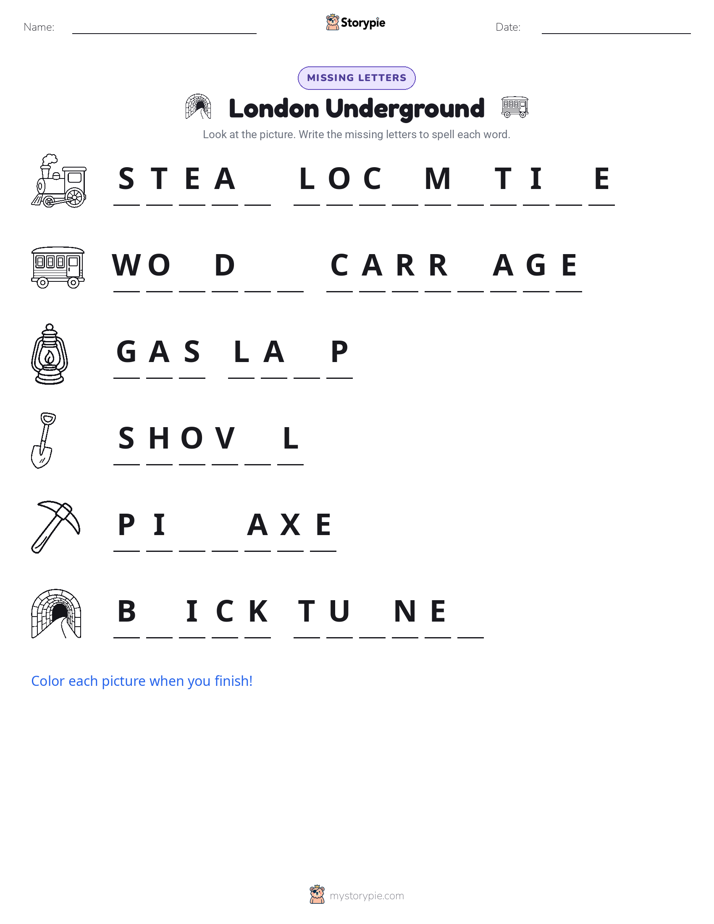
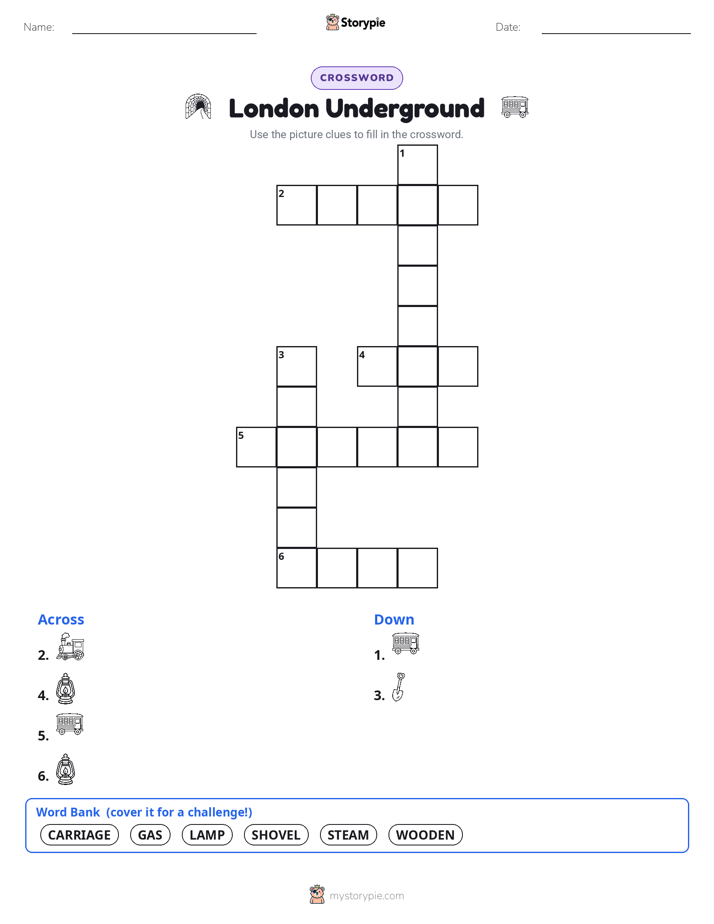
Building me was a huge job. Workers used a method called ‘cut and cover.’ They dug a big, long trench right in the middle of a street, built my tunnel walls with strong bricks, and then put a roof on top. After that, they covered me back up with the street again, so the horses and carriages could travel over me. I was so excited for people to finally meet me. My grand opening day was on January 10th, 1863. Thousands of people lined up, curious and a little nervous to ride a train underground for the first time. My first trains were not like the ones you see today. They were steam trains, pulled by big locomotives that went ‘chuff, chuff, chuff.’ and puffed out lots of smoke and steam. It made my tunnels a bit dark and smoky, but the passengers were just happy to be moving quickly beneath the busy city.
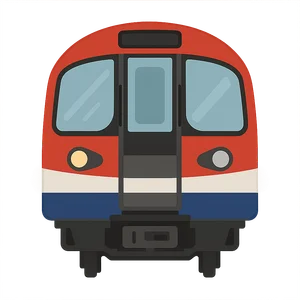
After many years of being smoky, I had a wonderful change. Around the year 1905, I started using new electric trains. Zap. They were so much quieter and cleaner than the old steam ones. There was no more smoke and no more steam. I felt so fresh and bright. “Hooray.” I thought, “Now everyone can breathe easily and see better.” Because the new trains did not need chimneys for smoke, the builders could dig my tunnels much, much deeper underground. They used special machines to bore round, tube-shaped tunnels deep beneath the city’s buildings and rivers. These new tunnels looked just like long tubes, and that is how I got my famous nickname, ‘the Tube.’ I loved my new name. It made me feel modern and special. Traveling deep underground was a new kind of adventure for everyone in London.
The Story of the London Underground
Hello. I am the London Underground, but many of my friends call me the Tube. Long ago, in the 1800s, the city of London was very, very crowded. Imagine streets filled with so many horses pulling carriages that it was like a giant traffic jam that never stopped. It was noisy and slow. A clever man named Charles Pearson looked at the busy streets and had a brilliant idea. He thought, “What if we could build a railway for people to travel under the ground?”. It sounded like a wild idea to some, but he knew it could help everyone get around much faster. He wanted to help people zip from one side of the big city to the other without getting stuck.
Building me was a huge job. Workers used a method called ‘cut and cover.’ They dug a big, long trench right in the middle of a street, built my tunnel walls with strong bricks, and then put a roof on top. After that, they covered me back up with the street again, so the horses and carriages could travel over me. I was so excited for people to finally meet me. My grand opening day was on January 10th, 1863. Thousands of people lined up, curious and a little nervous to ride a train underground for the first time. My first trains were not like the ones you see today. They were steam trains, pulled by big locomotives that went ‘chuff, chuff, chuff.’ and puffed out lots of smoke and steam. It made my tunnels a bit dark and smoky, but the passengers were just happy to be moving quickly beneath the busy city.
After many years of being smoky, I had a wonderful change. Around the year 1905, I started using new electric trains. Zap. They were so much quieter and cleaner than the old steam ones. There was no more smoke and no more steam. I felt so fresh and bright. “Hooray.” I thought, “Now everyone can breathe easily and see better.” Because the new trains did not need chimneys for smoke, the builders could dig my tunnels much, much deeper underground. They used special machines to bore round, tube-shaped tunnels deep beneath the city’s buildings and rivers. These new tunnels looked just like long tubes, and that is how I got my famous nickname, ‘the Tube.’ I loved my new name. It made me feel modern and special. Traveling deep underground was a new kind of adventure for everyone in London.
Over the years, I grew and grew. I have many different lines now, each with its own color on my famous map, like a big, beautiful rainbow connecting the city. During a scary time called World War II, I had a very important job. My deep tunnels became a safe shelter where thousands of people could hide from the bombs falling on the city. I kept them warm and safe until it was okay to go outside again. Today, I am busier than ever. Millions of people ride on my trains every single day. I help them get to work, to school, and to see all the wonderful sights of London. I am proud to be the heart of the city, helping everyone on their journey.
Wow facts
About
The London Underground is the world's first underground railway system, serving Greater London and surrounding areas. Known as 'The Tube,' it was a pioneering solution to urban traffic congestion in the 19th century.
Take a Quiz
Question 1 of 4
What was the name of the man who had the idea to build me?
Explore next





Want to do even more?
Go beyond exploring. Unlock tools that turn every story into real learning.

Storypie Plus for families
Full stories, quizzes, and printables. Nights and car rides, sorted.
- Unlimited audio stories
- Create Mode: your child stars in the story
- Offline downloads
- Printable worksheets & coloring pages

Why Storypie for Schools
Students engaged. Prep in seconds. Evenings back to you.
- Worksheets & Quizzes
- Classroom Management
- Formative Assessment
- Custom Curriculum & Lesson Plans
- 27 Languages

Why Storypie for Homeschool
Curriculum done. They'll ask for more. Hours back in your day.
- Worksheet Generator
- First-Person Audio Stories
- Built-in Comprehension Quizzes
- Custom Curriculum & Lesson Plans
- Print & Go Activities