English

CITES
An international agreement between governments to ensure that international trade in specimens of wild…
Reads at Grades 6–8 Listens at Grades 4–8
Print & create
Answer keys·No prep·Free with an account
28 worksheets · answer keys · full story · quiz · Ages 10-12 · CEFR B2
Plus adds 164,000+ more stories in 27 languages, audio for every one, and printables for all of them.
Just want CITES?

Hello. We are an international agreement between governments, and our name is the Convention on International Trade in Endangered Species of Wild Fauna and Flora. That’s a long name, so most people know us by our acronym, CITES. We are not a single organization with our own police force or scientists; instead, we are a shared promise, a legal framework that countries around the world agree to follow. Our main purpose is to make sure that the global trade of wild animals and plants does not threaten their survival in the wild. Our story began in 1973. By that time, many nations had come to a powerful realization: the buying and selling of wildlife across borders was pushing some species toward extinction. They understood that protecting these species from the negative effects of international trade required worldwide cooperation. No single country, no matter how powerful, could solve this problem alone. That is why we were created—to provide a structure for that essential global teamwork.
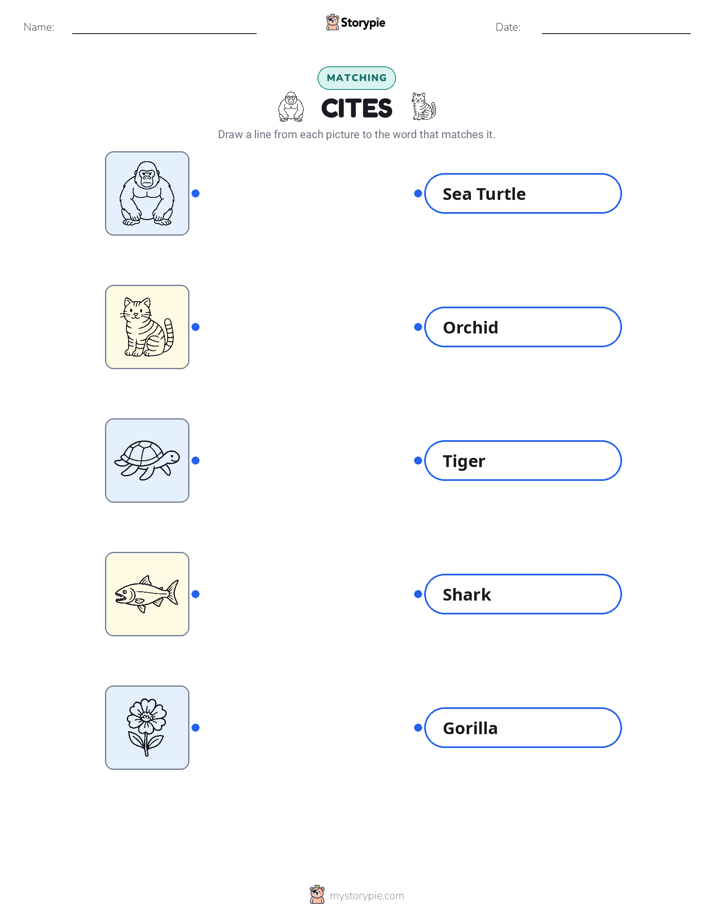
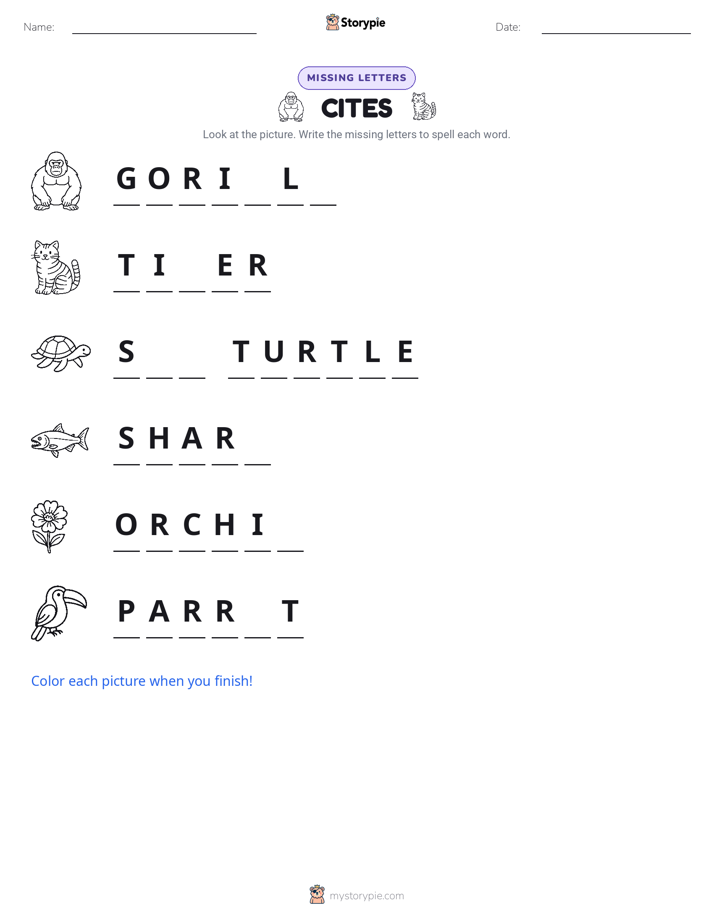
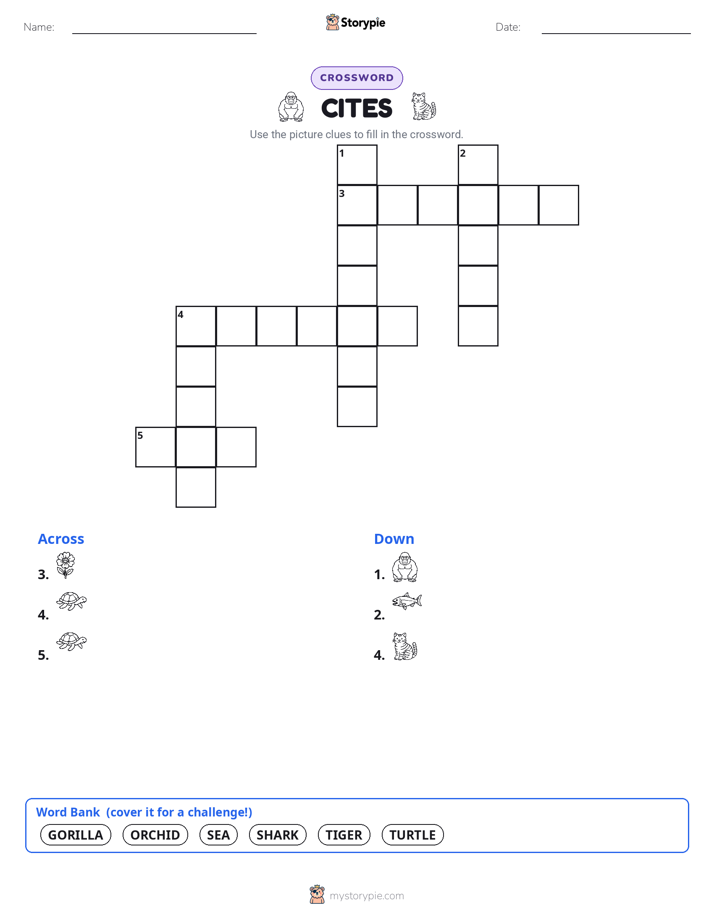
To accomplish our goal, we use a primary tool: a set of lists called the Appendices. These lists categorize species based on the level of danger they face from international trade. There are three different Appendices, each with its own set of rules. Appendix I offers the highest level of protection. It includes species that are most threatened with extinction, such as gorillas, tigers, and many sea turtles. For these species, any commercial trade is almost completely banned. The goal is to remove the pressure of trade entirely so their populations can have a chance to recover. Appendix II is for species that are not necessarily threatened with extinction right now, but could become so if trade is not strictly controlled. Great white sharks and many species of orchids fall into this category. Trade in Appendix II species is allowed, but it is carefully regulated to ensure it is sustainable. Finally, Appendix III is a special category. It contains species that are protected in at least one country, which has then asked other CITES member countries for help in controlling the trade. This allows a nation to get international support for its own conservation laws.
Our Global Promise: The Story of CITES
Hello. We are an international agreement between governments, and our name is the Convention on International Trade in Endangered Species of Wild Fauna and Flora. That’s a long name, so most people know us by our acronym, CITES. We are not a single organization with our own police force or scientists; instead, we are a shared promise, a legal framework that countries around the world agree to follow. Our main purpose is to make sure that the global trade of wild animals and plants does not threaten their survival in the wild. Our story began in 1973. By that time, many nations had come to a powerful realization: the buying and selling of wildlife across borders was pushing some species toward extinction. They understood that protecting these species from the negative effects of international trade required worldwide cooperation. No single country, no matter how powerful, could solve this problem alone. That is why we were created—to provide a structure for that essential global teamwork.
To accomplish our goal, we use a primary tool: a set of lists called the Appendices. These lists categorize species based on the level of danger they face from international trade. There are three different Appendices, each with its own set of rules. Appendix I offers the highest level of protection. It includes species that are most threatened with extinction, such as gorillas, tigers, and many sea turtles. For these species, any commercial trade is almost completely banned. The goal is to remove the pressure of trade entirely so their populations can have a chance to recover. Appendix II is for species that are not necessarily threatened with extinction right now, but could become so if trade is not strictly controlled. Great white sharks and many species of orchids fall into this category. Trade in Appendix II species is allowed, but it is carefully regulated to ensure it is sustainable. Finally, Appendix III is a special category. It contains species that are protected in at least one country, which has then asked other CITES member countries for help in controlling the trade. This allows a nation to get international support for its own conservation laws.
Having lists is important, but rules only work if they are put into action. For any species listed in our Appendices to be legally traded across international borders, a carefully controlled system of permits is required. These permits serve as proof that the trade is legal, sustainable, and can be tracked from its origin to its destination. This system is the core of how we function. We provide the legal framework for this process, but we do not enforce the rules ourselves. That critical responsibility belongs to our member countries, which we call the Parties. Each Party must create and enforce its own national laws to carry out the CITES agreement. To do this effectively, each country must establish two kinds of national bodies. First, they need Scientific Authorities, which are committees of experts who advise on whether a proposed trade will be harmful to the survival of the species. Their scientific judgment is essential. Second, they need Management Authorities, which are the official government bodies that issue the permits and ensure all the paperwork and regulations are followed correctly.
Over the decades, this framework has had a significant impact. Through the cooperation of our Parties, we have helped regulate the trade in many well-known species, including products like elephant ivory and rhinoceros horn. Our work has also protected countless other animals and plants, from many species of colorful parrots to rare and beautiful orchids. However, our work is far from over, and we face major challenges. The biggest threat is illegal wildlife trafficking. This criminal activity is often run by organized networks and is driven by the high profits that can be made from selling rare species or their parts. These criminals constantly try to find ways around the rules, using smuggling and false documents. To help countries fight back, we do not work alone. We collaborate with international partners who specialize in law enforcement, such as INTERPOL and the World Customs Organization. By working together, we can support countries in their efforts to combat this illegal trade and bring those who break the law to justice.
Today, our agreement provides a shield of protection for over 38,000 species of plants and animals, a number that reflects the vast scope of our mission. Our work is dynamic and must adapt to new threats and new scientific information. To make sure we remain effective, our member countries meet every two to three years for a major event called the 'Conference of the Parties,' or CoP. At these conferences, the Parties review how the convention is working in practice. It is also where they make crucial decisions, including voting on which species should be added to, moved between, or removed from our Appendices based on the latest population data. Our goal has remained the same since 1973: to balance the needs of people and nature. We continue to work toward a future where international trade does not drive wild species to extinction, ensuring we preserve the planet’s rich biodiversity for all the generations to come.
Wow facts
About
An international agreement between governments to ensure that international trade in specimens of wild animals and plants does not threaten their survival.
Take a Quiz
Question 1 of 5
What was the main reason CITES was established in 1973?
Explore next






Want to do even more?
Go beyond exploring. Unlock tools that turn every story into real learning.

Storypie Plus for families
Full stories, quizzes, and printables. Nights and car rides, sorted.
- Unlimited audio stories
- Create Mode: your child stars in the story
- Offline downloads
- Printable worksheets & coloring pages

Why Storypie for Schools
Students engaged. Prep in seconds. Evenings back to you.
- Worksheets & Quizzes
- Classroom Management
- Formative Assessment
- Custom Curriculum & Lesson Plans
- 27 Languages

Why Storypie for Homeschool
Curriculum done. They'll ask for more. Hours back in your day.
- Worksheet Generator
- First-Person Audio Stories
- Built-in Comprehension Quizzes
- Custom Curriculum & Lesson Plans
- Print & Go Activities