English

FIFA
The Fédération Internationale de Football Association (FIFA) is the international governing body of…
Reads at Grades 6–8 Listens at Grades 4–8
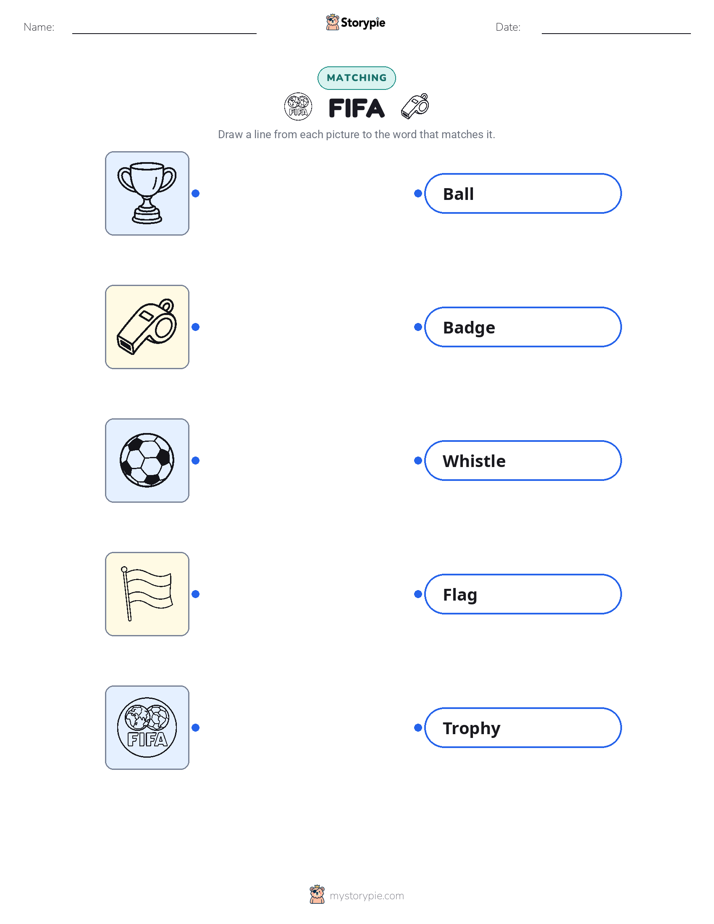
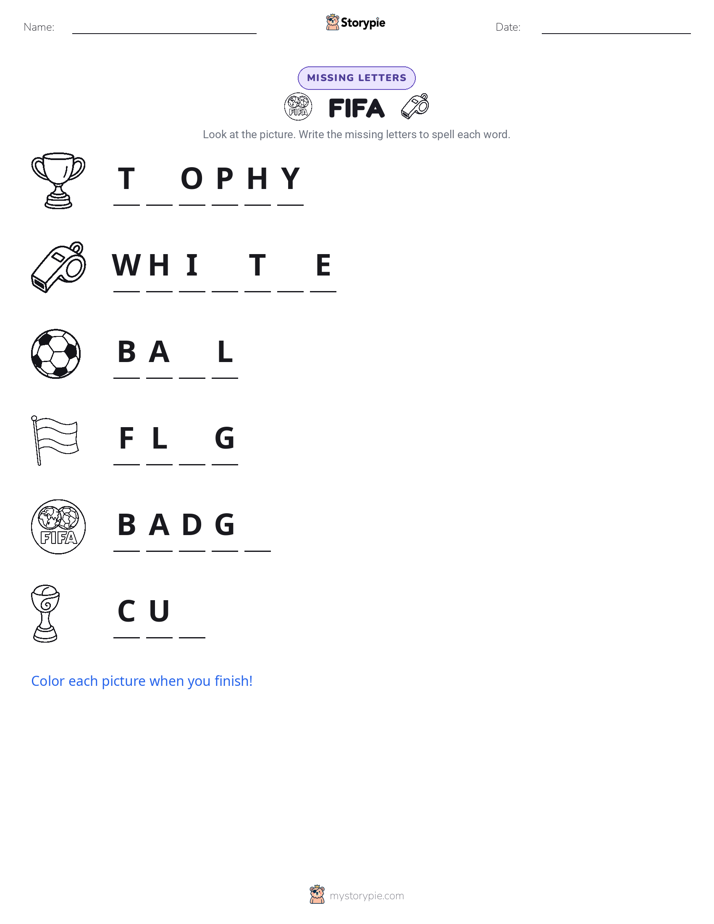
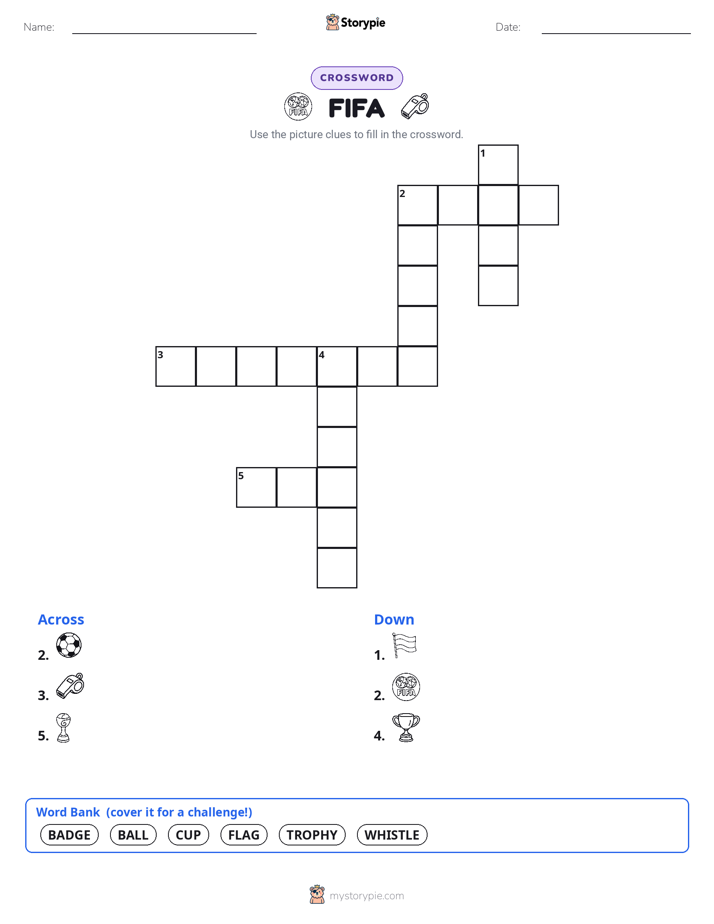
Print & create
Answer keys·No prep·Free with an account
28 worksheets · answer keys · full story · quiz · Ages 10-12 · CEFR B2
Plus adds 116,000+ more stories in 27 languages, audio for every one, and printables for all of them.
Just want FIFA?
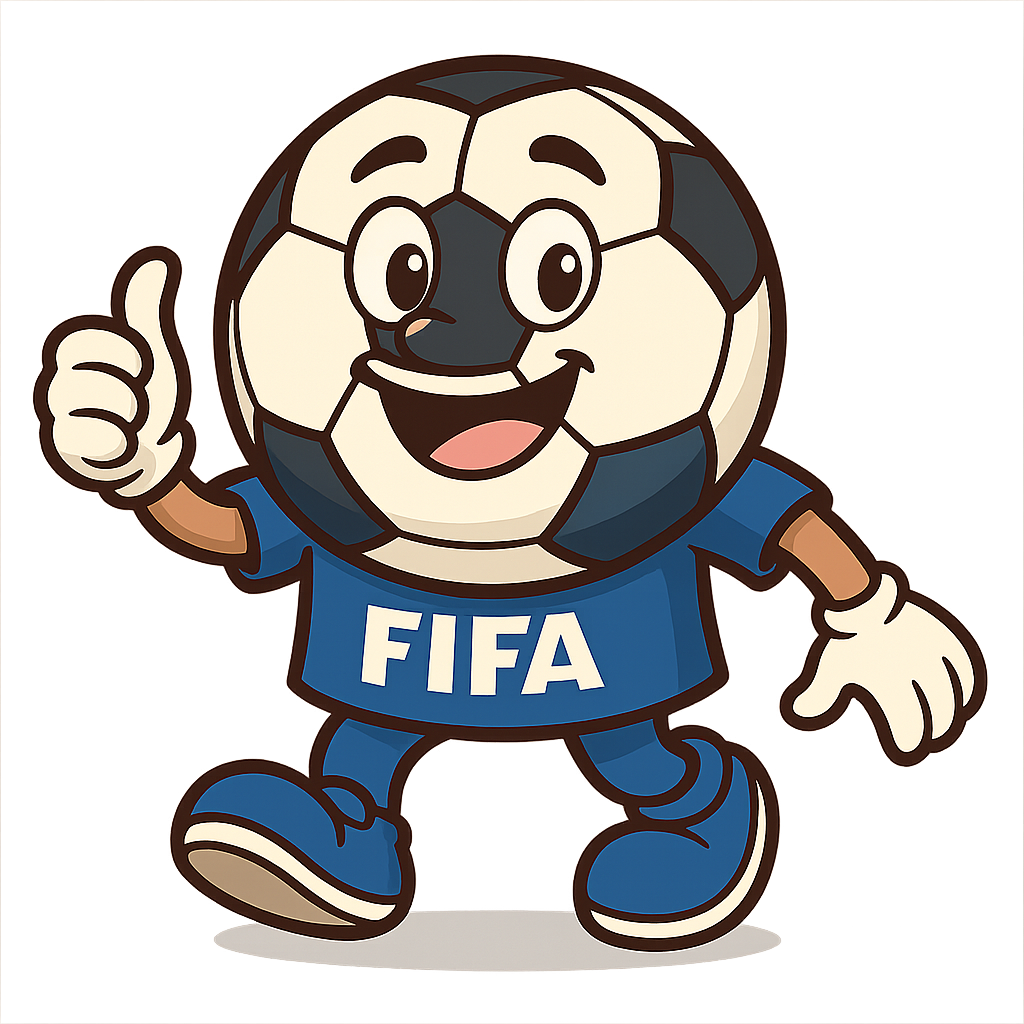
Hello! We are the Fédération Internationale de Football Association, a name that might sound formal, but you probably know us better by our acronym, FIFA. Our story began on May 21st, 1904, in the city of Paris, France. On that day, representatives from seven European countries came together with a shared vision. In the early days of international football, different countries followed slightly different rules, which could make playing against each other confusing. Our founders decided to create a single governing body to oversee the sport of association football—which many people call soccer—on a global scale. Our primary purpose was to establish one clear, official set of rules for all international matches and to help organize and promote the game we all love. From that first meeting, we began our work of serving national football associations from all over the world.
As our organization grew, one of our most ambitious ideas began to take shape. We wanted to create a tournament that would bring the best national teams together to compete for a single world championship. This dream became a reality under the leadership of our third president, Jules Rimet, a dedicated leader who believed in the power of football to unite people. After years of planning, we organized the very first FIFA World Cup in 1930. The nation of Uruguay was chosen as the host for this historic event. Thirteen teams traveled from different parts of the world to participate. This first tournament was a great success and set the stage for what would become our most famous event. Held every four years, the World Cup grew into a global spectacle, helping to make football the most popular and widely followed sport on the planet.
The Story of FIFA
Hello! We are the Fédération Internationale de Football Association, a name that might sound formal, but you probably know us better by our acronym, FIFA. Our story began on May 21st, 1904, in the city of Paris, France. On that day, representatives from seven European countries came together with a shared vision. In the early days of international football, different countries followed slightly different rules, which could make playing against each other confusing. Our founders decided to create a single governing body to oversee the sport of association football—which many people call soccer—on a global scale. Our primary purpose was to establish one clear, official set of rules for all international matches and to help organize and promote the game we all love. From that first meeting, we began our work of serving national football associations from all over the world.
As our organization grew, one of our most ambitious ideas began to take shape. We wanted to create a tournament that would bring the best national teams together to compete for a single world championship. This dream became a reality under the leadership of our third president, Jules Rimet, a dedicated leader who believed in the power of football to unite people. After years of planning, we organized the very first FIFA World Cup in 1930. The nation of Uruguay was chosen as the host for this historic event. Thirteen teams traveled from different parts of the world to participate. This first tournament was a great success and set the stage for what would become our most famous event. Held every four years, the World Cup grew into a global spectacle, helping to make football the most popular and widely followed sport on the planet.
In the years following World War II, the world changed, and so did we. Our membership expanded rapidly as many new nations gained independence and formed their own national football associations, all of whom wanted to join our global family. With so many members spread across different continents, we needed a more effective way to manage the sport. To achieve this, we began working closely with six continental confederations. These groups, such as UEFA in Europe and CONCACAF in North America, Central America, and the Caribbean, help us organize competitions and support football’s growth in their specific regions. During this period of growth, we also took a major step forward in promoting equality in the sport. In 1991, we held the first-ever FIFA Women's World Cup. This was a crucial moment in our history and a vital part of our mission to support and develop women's football globally, providing a major international stage for talented female players to showcase their skills.
While we are best known for the men's and women's World Cups, our work extends far beyond these major tournaments. A very important part of our job is to protect the rules of the game itself. We are responsible for maintaining the official Laws of the Game, which are the rules that every football match in the world follows. We do this work through a special body called the International Football Association Board, or IFAB. Beyond rules and tournaments, we are also deeply committed to developing the sport at every level. We run important development programs, such as FIFA Forward, which provides funding, resources, and support to our member associations. This is especially important for countries with fewer resources, as our help allows them to build new football fields, train coaches and referees, and create youth leagues to grow the sport from the ground up.
Like any large, long-standing organization, we have also had to face serious challenges and acknowledge our mistakes. In the 2010s, our organization was at the center of major investigations into corruption. Some of our own officials were accused of serious wrongdoing, including taking bribes. These accusations were often connected to the important and high-stakes process of choosing which countries would get to host future World Cup tournaments. These events were very damaging to our reputation and made it clear that some of our internal rules were not strong enough to prevent unethical behavior. The trust of football fans around the world was shaken. As a result of these difficult lessons, we have had to make significant and necessary changes to how we operate, including changes in our leadership, stricter rules of conduct, and new processes designed to make our decisions more transparent and accountable.
Today, our mission to govern, protect, and develop football worldwide continues. We are proud to organize over a dozen different tournaments for men's, women's, and youth teams, creating opportunities for players of all ages to compete at an international level. We also embrace our role in helping the sport evolve with the times. For example, we have played a key part in introducing new technology to the game, such as the Video Assistant Referee, better known as VAR. This system was designed to help referees make more accurate decisions during critical moments in a match. As we look to the future, our fundamental goal remains the same as it was in 1904: to use the unique power of football to connect, inspire, and bring a little more joy to people everywhere.
Wow facts
About
The Fédération Internationale de Football Association (FIFA) is the international governing body of association football, futsal, and beach soccer.
Take a Quiz
Question 1 of 5
What was the main reason we were founded on May 21st, 1904?
Explore next





Want to do even more?
Go beyond exploring. Unlock tools that turn every story into real learning.

Storypie Plus for families
Full stories, quizzes, and printables. Nights and car rides, sorted.
- Unlimited audio stories
- Create Mode: your child stars in the story
- Offline downloads
- Printable worksheets & coloring pages

Why Storypie for Schools
Students engaged. Prep in seconds. Evenings back to you.
- Worksheets & Quizzes
- Classroom Management
- Formative Assessment
- Custom Curriculum & Lesson Plans
- 27 Languages

Why Storypie for Homeschool
Curriculum done. They'll ask for more. Hours back in your day.
- Worksheet Generator
- First-Person Audio Stories
- Built-in Comprehension Quizzes
- Custom Curriculum & Lesson Plans
- Print & Go Activities