English

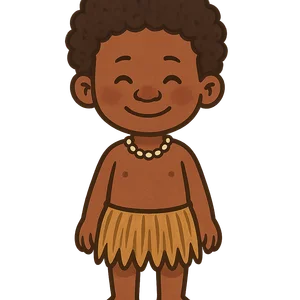
Baka people
The Baka are an indigenous hunter-gatherer people who live in the tropical rainforests of Central Africa.
Reads at Grades K-2 Listens at K–3
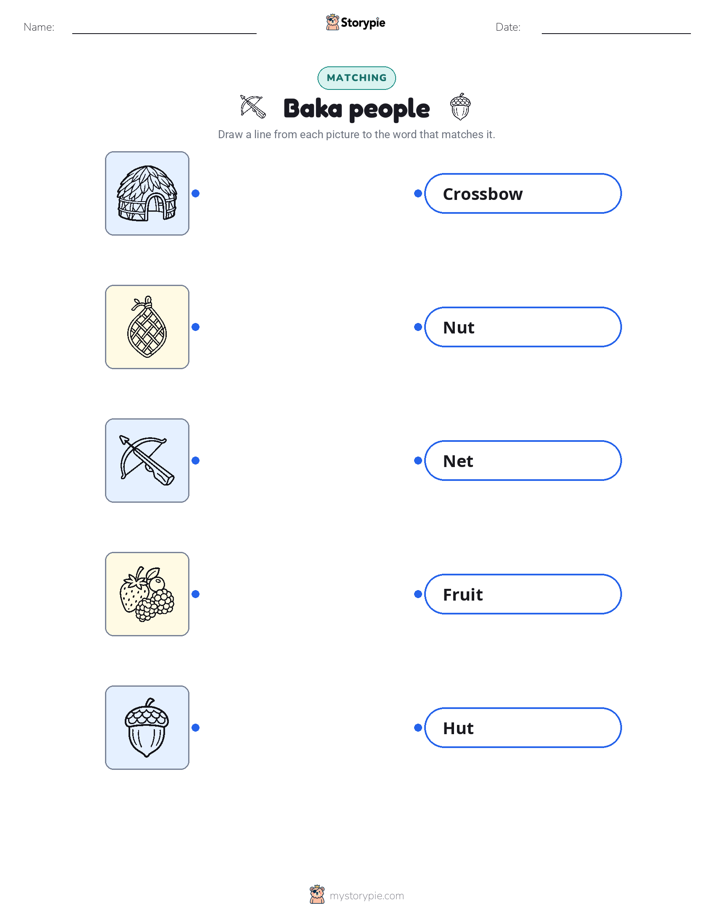
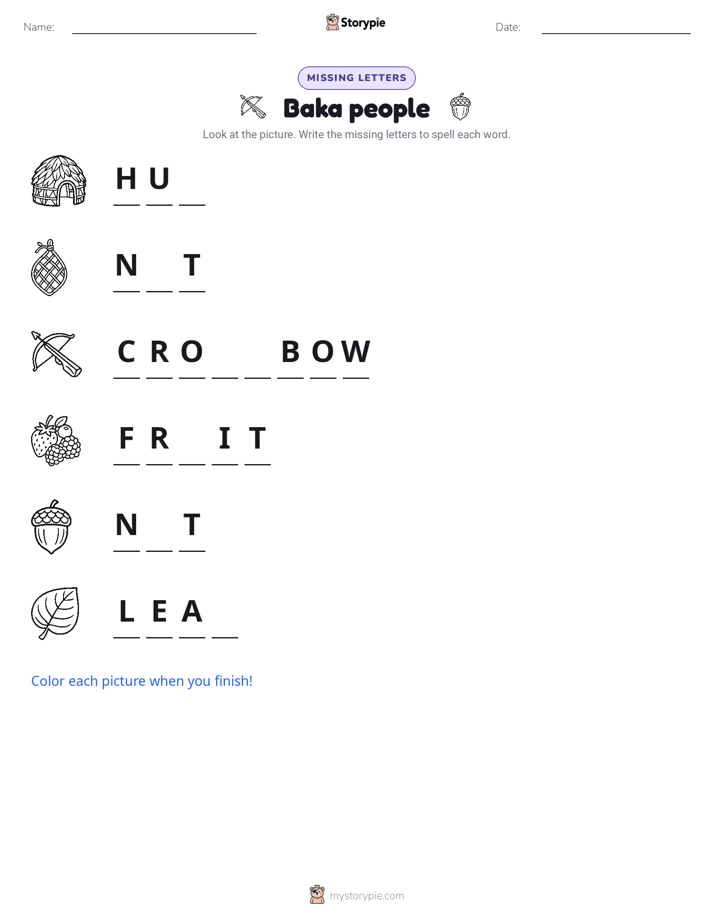
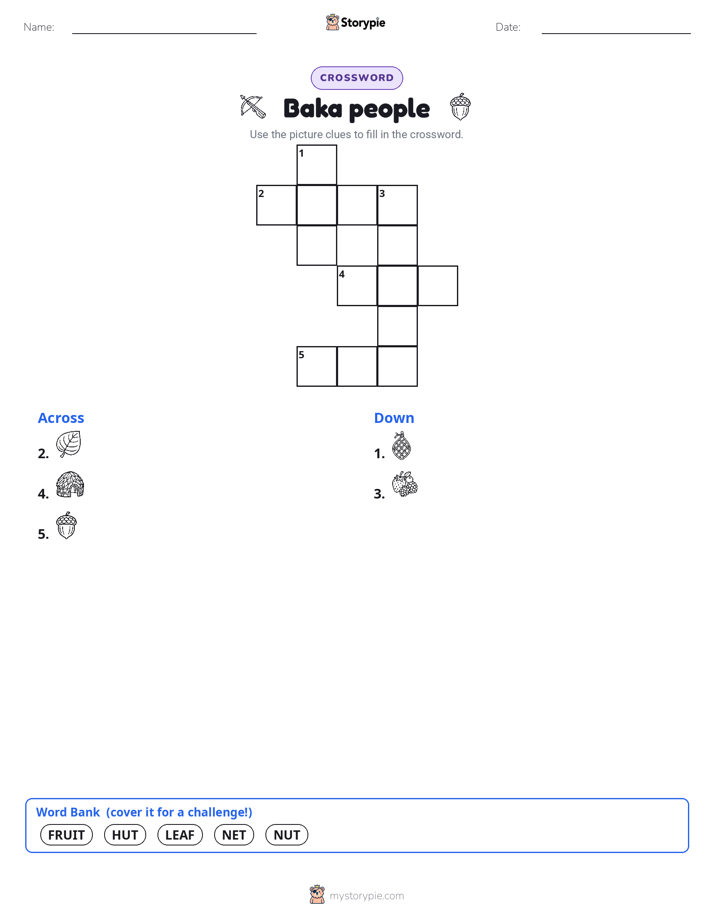
Print & create
Answer keys·No prep·Free with an account
28 worksheets · answer keys · full story · quiz · Ages 6-8 · CEFR A2
Plus adds 116,000+ more stories in 27 languages, audio for every one, and printables for all of them.
Just want Baka people?
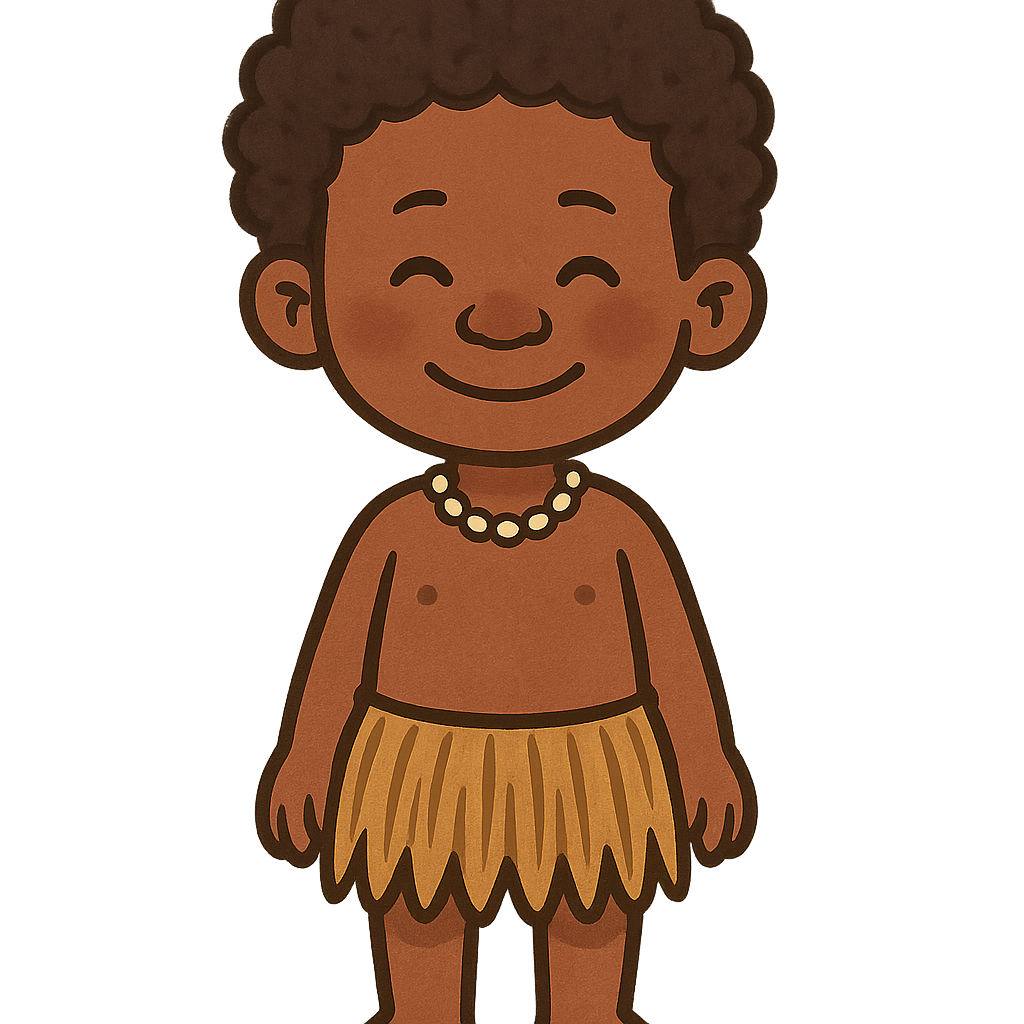
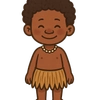
Hello! We are the Baka people. For as long as we can remember, our home has been deep inside the great, green rainforests of Central Africa. The forest is more than just a place to live; it is a part of our community that takes care of us. It provides us with everything we could ever need to be healthy and strong. When we are hungry, we find food growing on the forest floor or high in the trees. If someone is unwell, we know which plants to gather to make special medicines that help them feel better. Even our homes come from the forest. We build cozy, dome-shaped houses called mongulu using strong branches for the frame and large leaves for the roof to keep us dry.
Living in the forest means we have learned to understand it very well. We are known as hunter-gatherers, which means we find our food in the world around us instead of farming it. Our elders teach us the skills we need from the time we are very young. The men are skilled hunters and often work together, using long nets and spears to catch animals for our meals. While they hunt, the women and children have another important job. We walk through the forest, gathering delicious foods like mushrooms that pop up after a rain, tasty nuts that have fallen from the trees, and sweet, sticky honey made by bees. Our deep knowledge of the forest is a gift passed down from our grandparents and their grandparents before them.
Our community is filled with music and joy. Songs and dances are a very important part of our lives together. We have a special way of singing called polyphonic singing. This is when many of us sing different notes and melodies at the same time, but all our voices weave together to create one big, beautiful song that fills the forest. We don’t just sing for fun; our music has a purpose. We sing during important ceremonies to honor the forest and our ancestors. We use songs as a form of healing to make people feel better, and we celebrate together with happy songs and dances when there is good food to share.
We Are the Baka People
Hello! We are the Baka people. For as long as we can remember, our home has been deep inside the great, green rainforests of Central Africa. The forest is more than just a place to live; it is a part of our community that takes care of us. It provides us with everything we could ever need to be healthy and strong. When we are hungry, we find food growing on the forest floor or high in the trees. If someone is unwell, we know which plants to gather to make special medicines that help them feel better. Even our homes come from the forest. We build cozy, dome-shaped houses called mongulu using strong branches for the frame and large leaves for the roof to keep us dry.
Living in the forest means we have learned to understand it very well. We are known as hunter-gatherers, which means we find our food in the world around us instead of farming it. Our elders teach us the skills we need from the time we are very young. The men are skilled hunters and often work together, using long nets and spears to catch animals for our meals. While they hunt, the women and children have another important job. We walk through the forest, gathering delicious foods like mushrooms that pop up after a rain, tasty nuts that have fallen from the trees, and sweet, sticky honey made by bees. Our deep knowledge of the forest is a gift passed down from our grandparents and their grandparents before them.
Our community is filled with music and joy. Songs and dances are a very important part of our lives together. We have a special way of singing called polyphonic singing. This is when many of us sing different notes and melodies at the same time, but all our voices weave together to create one big, beautiful song that fills the forest. We don’t just sing for fun; our music has a purpose. We sing during important ceremonies to honor the forest and our ancestors. We use songs as a form of healing to make people feel better, and we celebrate together with happy songs and dances when there is good food to share.
One of the most important values we share is the idea of togetherness. In our culture, sharing is at the center of everything we do. When hunters return with food, it is not just for one family. The food is carefully divided and shared so that everyone in the camp gets a piece. No one is ever left out. This belief in sharing goes beyond food. We all help to raise the children of our community. Every adult looks out for every child, teaching them, playing with them, and keeping them safe. This way, every child grows up surrounded by a large, caring family. We believe that by supporting one another, our whole community stays strong.
Today, our lives are changing, and we face new challenges. The rainforest we have called home for generations is shrinking, which makes it harder to live in our traditional ways. But we are a strong and resilient people. We are working hard to protect our way of life for the future. We continue to speak our language and tell our stories. We still teach our children our special songs and dances, making sure these important traditions are not forgotten. We are proud to be Baka, and we are keeping our culture and our community alive for all the generations to come.
Wow facts
About
The Baka are an indigenous hunter-gatherer people who live in the tropical rainforests of Central Africa. They are known for their deep connection to the forest, their traditionally equal society, and their complex polyphonic music.
Take a Quiz
Question 1 of 4
What are our dome-shaped homes called?
Explore next




Want to do even more?
Go beyond exploring. Unlock tools that turn every story into real learning.

Storypie Plus for families
Full stories, quizzes, and printables. Nights and car rides, sorted.
- Unlimited audio stories
- Create Mode: your child stars in the story
- Offline downloads
- Printable worksheets & coloring pages

Why Storypie for Schools
Students engaged. Prep in seconds. Evenings back to you.
- Worksheets & Quizzes
- Classroom Management
- Formative Assessment
- Custom Curriculum & Lesson Plans
- 27 Languages

Why Storypie for Homeschool
Curriculum done. They'll ask for more. Hours back in your day.
- Worksheet Generator
- First-Person Audio Stories
- Built-in Comprehension Quizzes
- Custom Curriculum & Lesson Plans
- Print & Go Activities