English

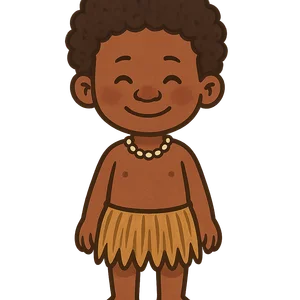
Baka people
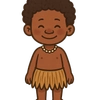
The Baka are an indigenous hunter-gatherer people who live in the tropical rainforests of Central Africa.
Reads at Grades 3–5 Listens at Grades 1–5
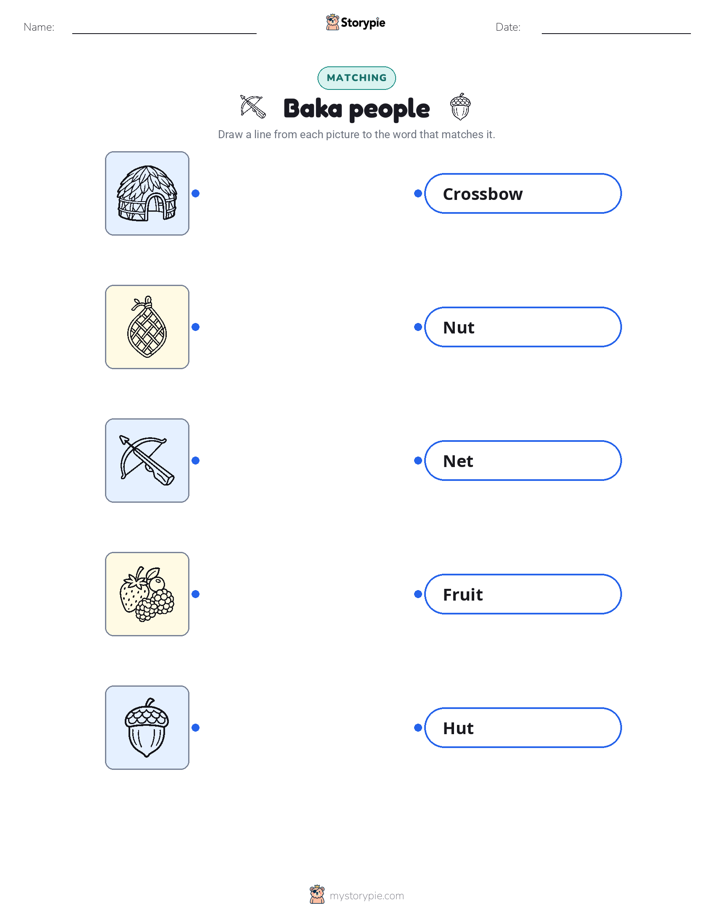
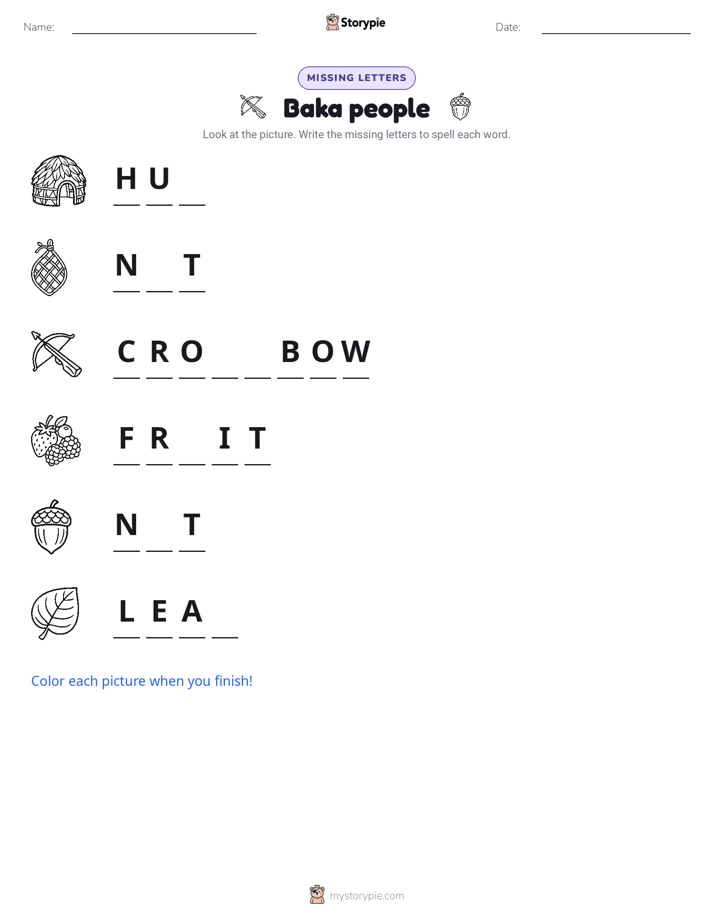
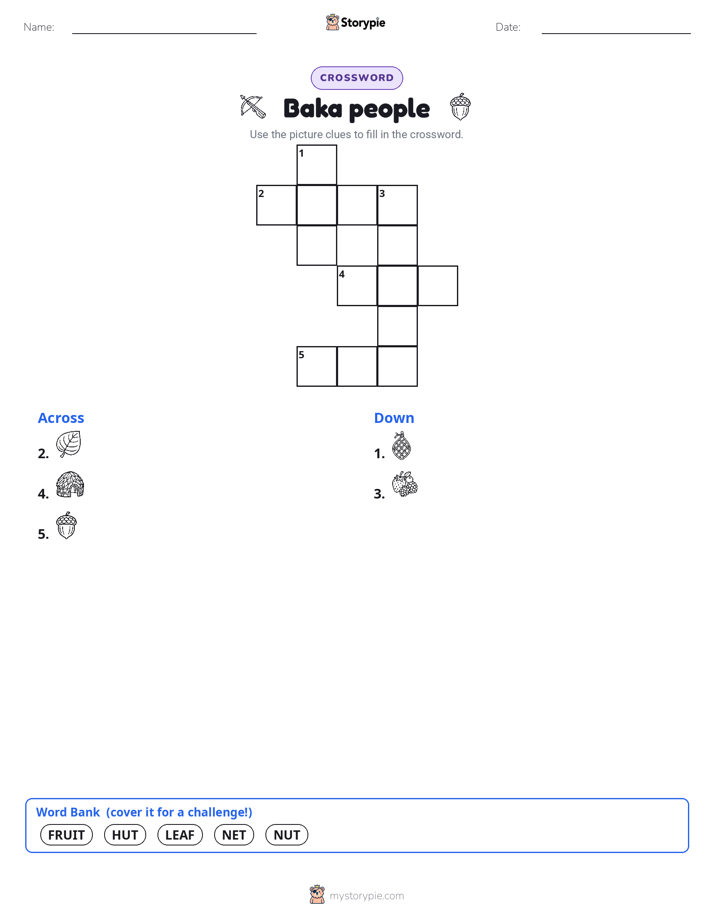
Print & create
Answer keys·No prep·Free with an account
28 worksheets · answer keys · full story · quiz · Ages 8-10 · CEFR B1
Plus adds 116,000+ more stories in 27 languages, audio for every one, and printables for all of them.
Just want Baka people?
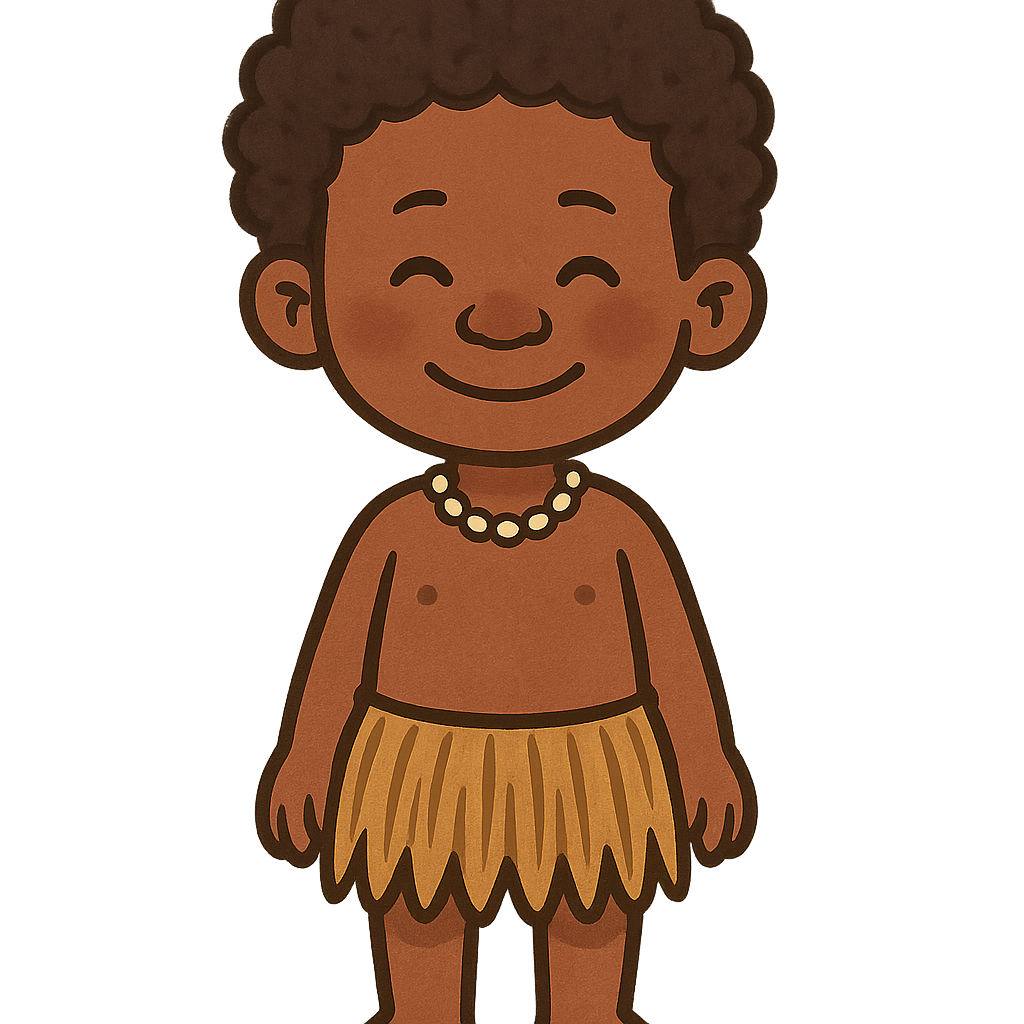
Hello, we are the Baka people. Our story begins in the great rainforests of Central Africa, a home that stretches across countries like Cameroon and the Republic of Congo. To us, the forest is not just a place where we live; it is our parent and our provider. We have a special name for it: Jengi. From Jengi, we receive everything we need to live, from the food that nourishes us to the materials that shelter us. The forest is the center of our world, and our lives are woven into its rhythms.
For generations, we have lived as hunter-gatherers, moving through the forest and using its gifts wisely. Our men are skilled hunters who use nets and bows to find food for our families. At the same time, our women and children gather delicious fruits, important nuts, and special plants that we use for medicine. We do not stay in one place for too long. Instead, we build temporary homes called mongulu. These are clever, dome-shaped houses made from a frame of strong branches covered with large, waterproof leaves. A central part of our culture is a value we call molongo, which means sharing everything. Food, resources, and responsibilities are shared among everyone in the community. When we need to make a decision, we do it together, talking until everyone agrees on the best path forward.
Our connection to the forest is also expressed through our music. We are known for our special kind of singing, where many voices join together to create beautiful and complex melodies all at once. It is a sound that fills our camps and our ceremonies. We find music all around us, and we even create rhythms by drumming on the surface of the water. Our songs are not just for fun; they are a vital part of our daily lives. They are how we pass down our most important knowledge from one generation to the next. Through music and stories, we teach our children the secrets of Jengi—which plants are safe to eat, which animals to watch for, and how to live in harmony with our world.
The Forest is Our Parent: A Baka Story
Hello, we are the Baka people. Our story begins in the great rainforests of Central Africa, a home that stretches across countries like Cameroon and the Republic of Congo. To us, the forest is not just a place where we live; it is our parent and our provider. We have a special name for it: Jengi. From Jengi, we receive everything we need to live, from the food that nourishes us to the materials that shelter us. The forest is the center of our world, and our lives are woven into its rhythms.
For generations, we have lived as hunter-gatherers, moving through the forest and using its gifts wisely. Our men are skilled hunters who use nets and bows to find food for our families. At the same time, our women and children gather delicious fruits, important nuts, and special plants that we use for medicine. We do not stay in one place for too long. Instead, we build temporary homes called mongulu. These are clever, dome-shaped houses made from a frame of strong branches covered with large, waterproof leaves. A central part of our culture is a value we call molongo, which means sharing everything. Food, resources, and responsibilities are shared among everyone in the community. When we need to make a decision, we do it together, talking until everyone agrees on the best path forward.
Our connection to the forest is also expressed through our music. We are known for our special kind of singing, where many voices join together to create beautiful and complex melodies all at once. It is a sound that fills our camps and our ceremonies. We find music all around us, and we even create rhythms by drumming on the surface of the water. Our songs are not just for fun; they are a vital part of our daily lives. They are how we pass down our most important knowledge from one generation to the next. Through music and stories, we teach our children the secrets of Jengi—which plants are safe to eat, which animals to watch for, and how to live in harmony with our world.
Today, our lives are changing. The forest that has always cared for us is now threatened by logging and farming. As the trees are cut down, our traditional way of life becomes much more difficult. Because of these changes, many of us now live in permanent villages instead of moving through the forest in our mongulu. But even with these challenges, we are working hard to protect our rights and our forests. We are making sure our culture stays strong by teaching our children our songs, our stories, and our traditions. We continue to honor Jengi and share the value of molongo, keeping the spirit of our people alive for the generations to come.
Wow facts
About
The Baka are an indigenous hunter-gatherer people who live in the tropical rainforests of Central Africa. They are known for their deep connection to the forest, their traditionally equal society, and their complex polyphonic music.
Take a Quiz
Question 1 of 5
What is the Baka name for the forest, which they consider a parent and provider?
Explore next

Want to do even more?
Go beyond exploring. Unlock tools that turn every story into real learning.

Storypie Plus for families
Full stories, quizzes, and printables. Nights and car rides, sorted.
- Unlimited audio stories
- Create Mode: your child stars in the story
- Offline downloads
- Printable worksheets & coloring pages

Why Storypie for Schools
Students engaged. Prep in seconds. Evenings back to you.
- Worksheets & Quizzes
- Classroom Management
- Formative Assessment
- Custom Curriculum & Lesson Plans
- 27 Languages

Why Storypie for Homeschool
Curriculum done. They'll ask for more. Hours back in your day.
- Worksheet Generator
- First-Person Audio Stories
- Built-in Comprehension Quizzes
- Custom Curriculum & Lesson Plans
- Print & Go Activities