English

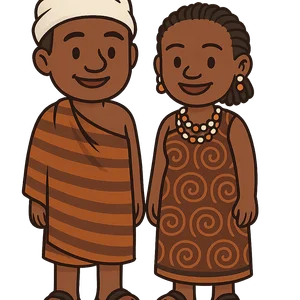
Chagga people
The Chagga are a Bantu-speaking ethnic group from the Kilimanjaro Region of Tanzania…
Reads at Grades K-2 Listens at K–3
Print & create
Answer keys·No prep·Free with an account
28 worksheets · answer keys · full story · quiz · Ages 6-8 · CEFR A2
Plus adds 116,000+ more stories in 27 languages, audio for every one, and printables for all of them.
Just want Chagga people?
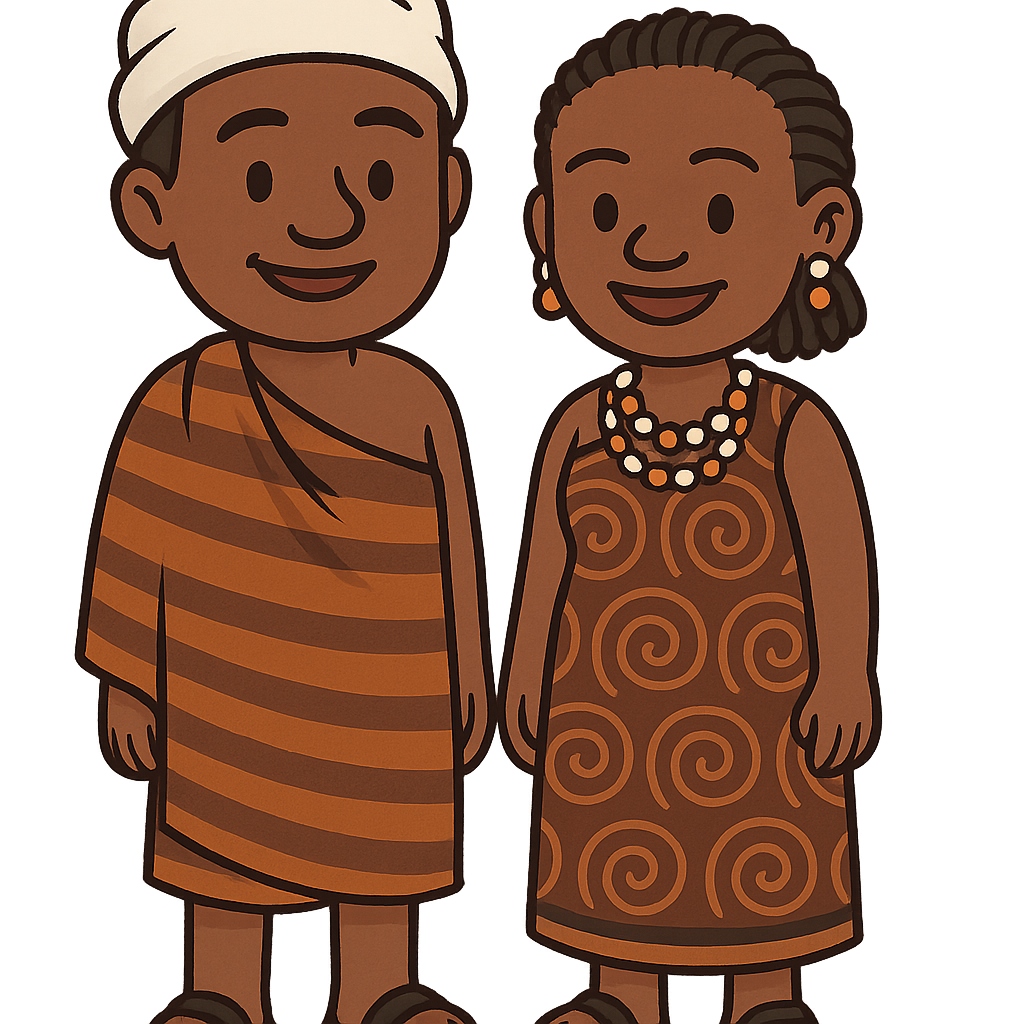
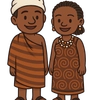
Hello! We are the Chagga people. Our home is a beautiful place in a country called Tanzania. For hundreds of years, our ancestors have lived on the green slopes of Mount Kilimanjaro, the tallest mountain in all of Africa. We continue to call this special mountain our home, and it is very important to us.
The mountain gives us many gifts. Its high peak is often covered in snow. As the snow melts in the warm sun, it gives us fresh, clean water that flows down in streams and rivers. This water is perfect for us to drink and to help our food grow. The soil on the mountain slopes is dark and rich, which makes it a wonderful place for farming. We have a very close relationship with Mount Kilimanjaro because it provides us with so much of what we need to live.
We have a special way of farming that our ancestors taught us long ago. We grow our food in gardens we call vihamba. These are not like regular gardens with only one type of plant in neat rows. Instead, our vihamba are more like food forests. We use a clever method called agroforestry, which means we plant many different kinds of things all together. We plant tall banana trees whose big leaves give shade from the hot sun. Underneath the banana trees, we grow coffee plants. Below them, we plant other vegetables. Everything grows together, helping each other. This way of farming keeps the soil healthy and strong, and it gives our families many kinds of food to eat.
A long time ago, our ancestors needed a way to keep their families and animals safe from enemies. They came up with a very clever plan. They worked together to dig large, secret tunnels and caves deep under the ground. These tunnels were hidden so that strangers could not find them. They were big enough for people and their animals to move through, and they connected different homes to one another like a secret neighborhood. When there was danger, our families could go into the tunnels and stay hidden until it was safe to come out again. This was a smart way for our ancestors to protect each other during times of conflict.
Our Home on the Mountain
Hello! We are the Chagga people. Our home is a beautiful place in a country called Tanzania. For hundreds of years, our ancestors have lived on the green slopes of Mount Kilimanjaro, the tallest mountain in all of Africa. We continue to call this special mountain our home, and it is very important to us.
The mountain gives us many gifts. Its high peak is often covered in snow. As the snow melts in the warm sun, it gives us fresh, clean water that flows down in streams and rivers. This water is perfect for us to drink and to help our food grow. The soil on the mountain slopes is dark and rich, which makes it a wonderful place for farming. We have a very close relationship with Mount Kilimanjaro because it provides us with so much of what we need to live.
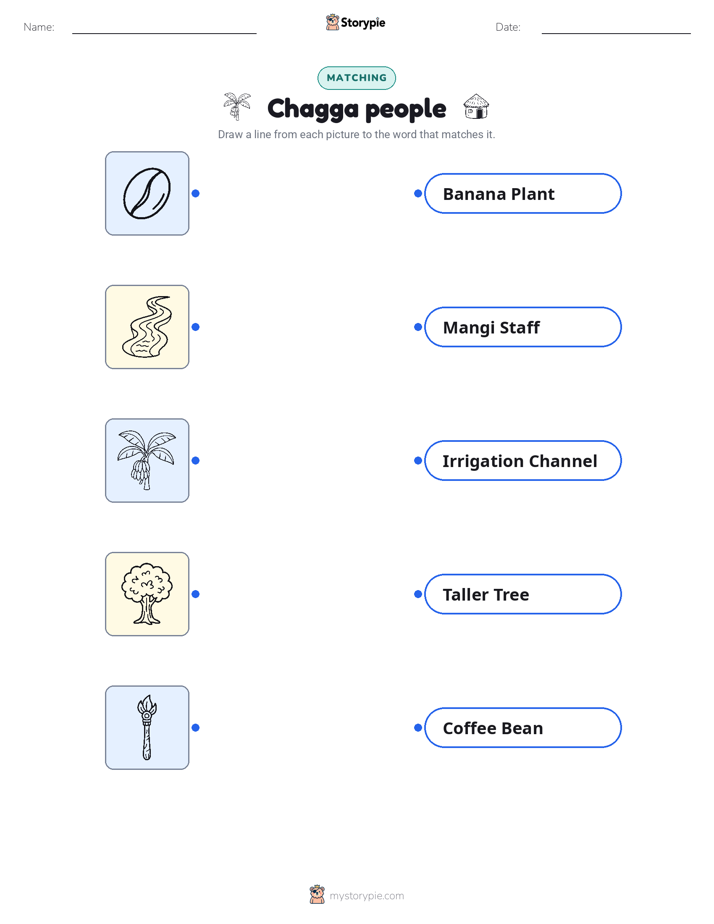
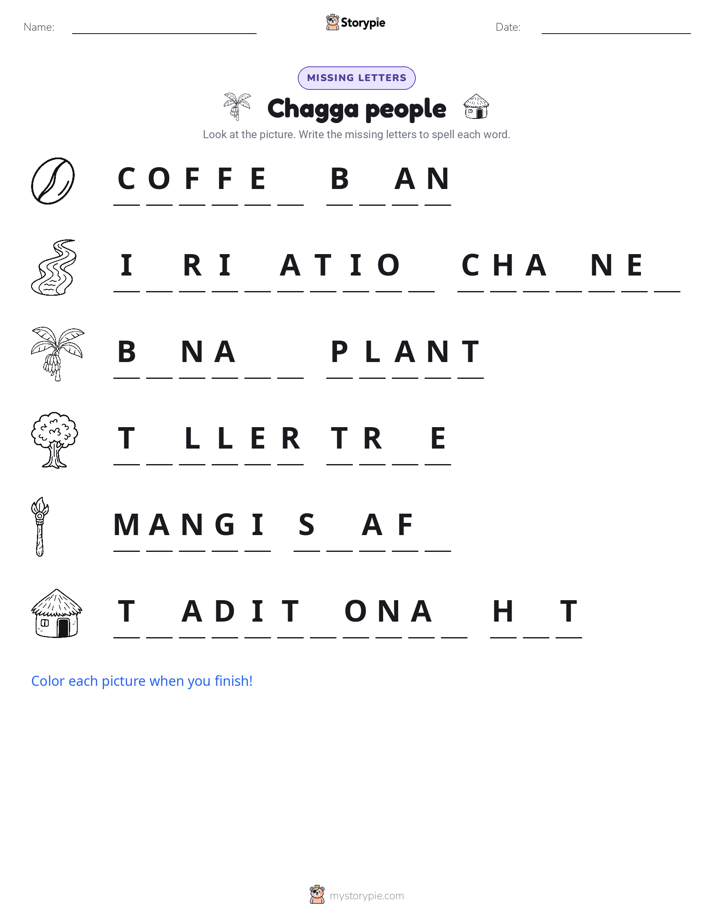
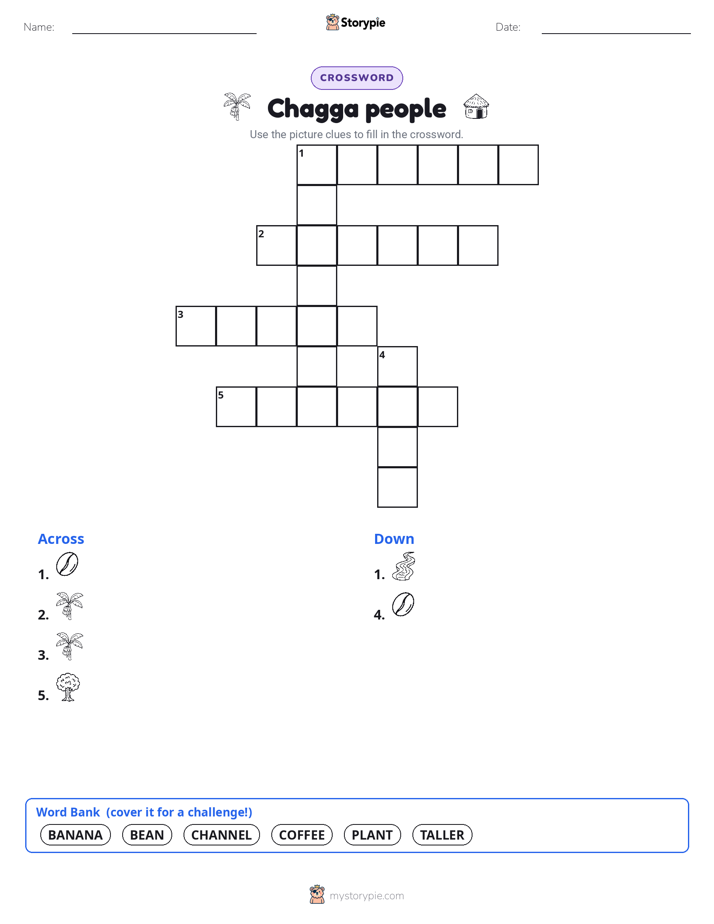
We have a special way of farming that our ancestors taught us long ago. We grow our food in gardens we call vihamba. These are not like regular gardens with only one type of plant in neat rows. Instead, our vihamba are more like food forests. We use a clever method called agroforestry, which means we plant many different kinds of things all together. We plant tall banana trees whose big leaves give shade from the hot sun. Underneath the banana trees, we grow coffee plants. Below them, we plant other vegetables. Everything grows together, helping each other. This way of farming keeps the soil healthy and strong, and it gives our families many kinds of food to eat.
A long time ago, our ancestors needed a way to keep their families and animals safe from enemies. They came up with a very clever plan. They worked together to dig large, secret tunnels and caves deep under the ground. These tunnels were hidden so that strangers could not find them. They were big enough for people and their animals to move through, and they connected different homes to one another like a secret neighborhood. When there was danger, our families could go into the tunnels and stay hidden until it was safe to come out again. This was a smart way for our ancestors to protect each other during times of conflict.
Today, we Chagga people live modern lives, but we also honor the traditions of our ancestors. We are proud of our history and our culture. You can find us living in villages on the mountain and also in busy cities. Many of us are now teachers, doctors, and business owners. At the same time, we hold on to the important parts of our past. Many families still grow coffee on the slopes of Mount Kilimanjaro. For special celebrations, we make a traditional banana beer called mbege. We also share the stories of our history with our children so that our Chagga culture stays strong.
Wow facts
About
The Chagga are a Bantu-speaking ethnic group from the Kilimanjaro Region of Tanzania, known for their unique agroforestry system and historical success in coffee cultivation.
Take a Quiz
Question 1 of 4
Where do the Chagga people live?
Explore next
Want to do even more?
Go beyond exploring. Unlock tools that turn every story into real learning.

Storypie Plus for families
Full stories, quizzes, and printables. Nights and car rides, sorted.
- Unlimited audio stories
- Create Mode: your child stars in the story
- Offline downloads
- Printable worksheets & coloring pages

Why Storypie for Schools
Students engaged. Prep in seconds. Evenings back to you.
- Worksheets & Quizzes
- Classroom Management
- Formative Assessment
- Custom Curriculum & Lesson Plans
- 27 Languages

Why Storypie for Homeschool
Curriculum done. They'll ask for more. Hours back in your day.
- Worksheet Generator
- First-Person Audio Stories
- Built-in Comprehension Quizzes
- Custom Curriculum & Lesson Plans
- Print & Go Activities