English

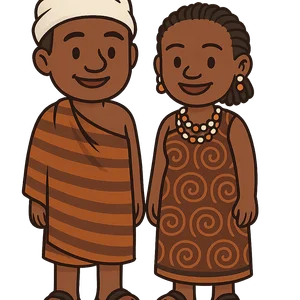
Chagga people
The Chagga are a Bantu-speaking ethnic group from the Kilimanjaro Region of Tanzania…
Reads at Grades 3–5 Listens at Grades 1–5
Print & create
Answer keys·No prep·Free with an account
28 worksheets · answer keys · full story · quiz · Ages 8-10 · CEFR B1
Plus adds 116,000+ more stories in 27 languages, audio for every one, and printables for all of them.
Just want Chagga people?
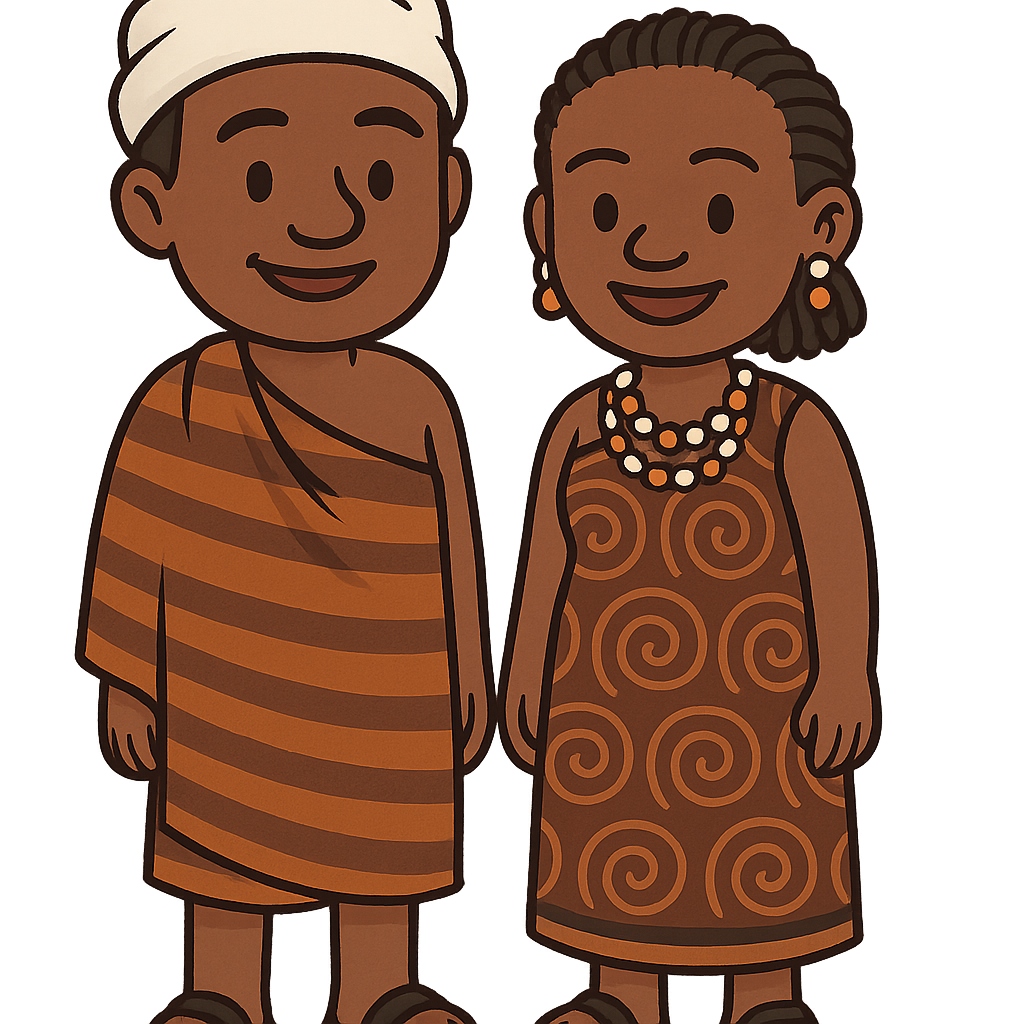
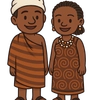
Hello! We are the Chagga people, and we would like to share the story of our home and our heritage with you. For hundreds of years, our people have lived on the green and beautiful slopes of Mount Kilimanjaro in Tanzania. This incredible mountain is our ancestral home, a place of breathtaking views and life-giving resources. It's not just a mountain to us; it is the very heart of our culture and our history. The reason our ancestors chose to settle here, and why we continue to thrive, comes from the ground itself. Mount Kilimanjaro is a volcano, and its ancient activity blessed the land with wonderfully fertile volcanic soil. This dark, rich earth is perfect for farming, and because of it, we have always been a people of the land.
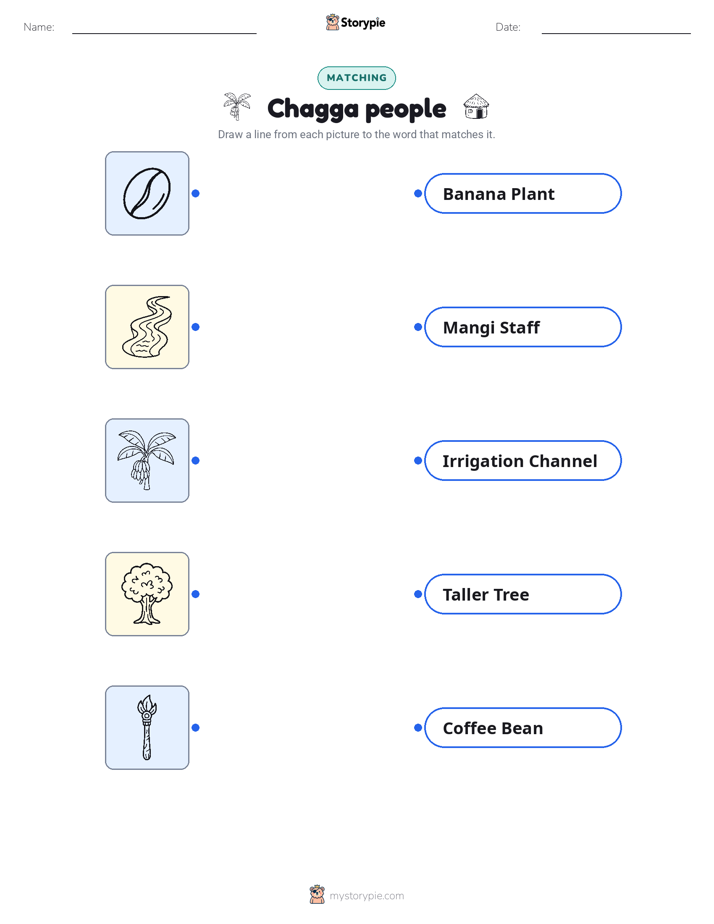
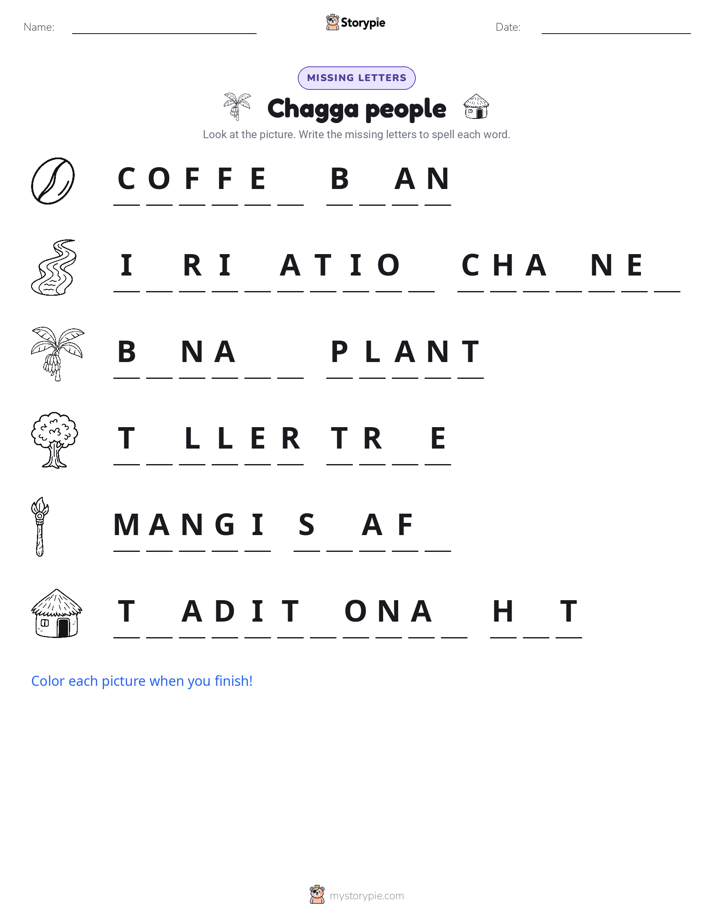
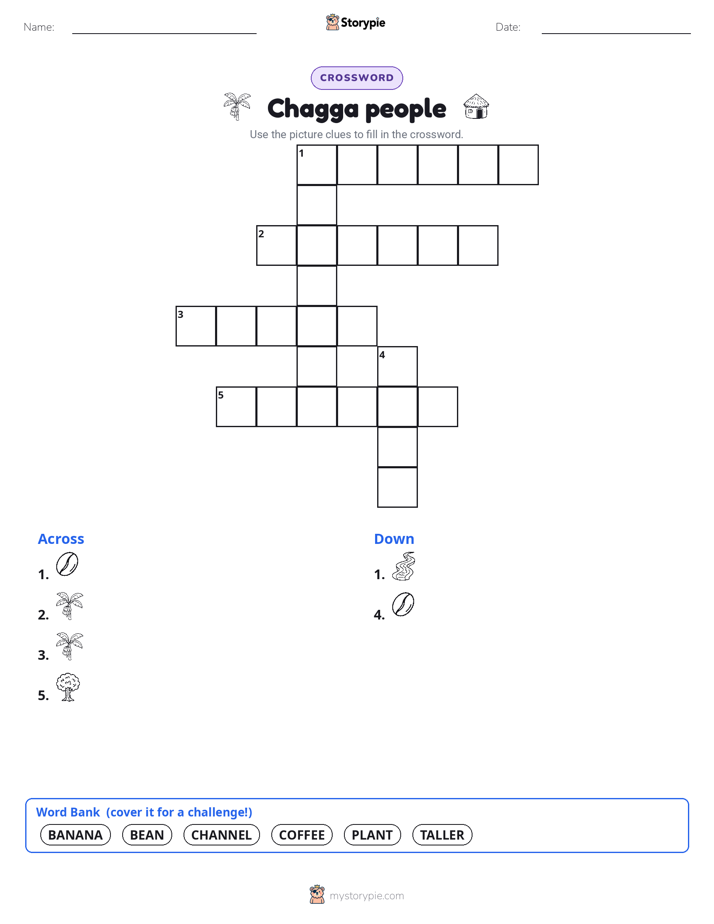
To make the most of this gift, we developed a unique and sustainable farming method called the 'kihamba' agroforestry system. This is not like a typical farm with neat rows of a single plant. Instead, our kihamba gardens are like lush, layered food forests that work in harmony with nature. We plant many different kinds of crops together. Tall banana trees reach for the sun, and beneath their broad leaves, coffee bushes grow in the cool shade. Other crops find their place in the layers below. This clever system does more than just provide us with food. The layers of plants and their roots hold the soil in place, protecting our precious land from being washed away by rain. The kihamba is a way of life that feeds our families while also preserving the health of the mountain for future generations.
The People of the Mountain
Hello! We are the Chagga people, and we would like to share the story of our home and our heritage with you. For hundreds of years, our people have lived on the green and beautiful slopes of Mount Kilimanjaro in Tanzania. This incredible mountain is our ancestral home, a place of breathtaking views and life-giving resources. It's not just a mountain to us; it is the very heart of our culture and our history. The reason our ancestors chose to settle here, and why we continue to thrive, comes from the ground itself. Mount Kilimanjaro is a volcano, and its ancient activity blessed the land with wonderfully fertile volcanic soil. This dark, rich earth is perfect for farming, and because of it, we have always been a people of the land.
To make the most of this gift, we developed a unique and sustainable farming method called the 'kihamba' agroforestry system. This is not like a typical farm with neat rows of a single plant. Instead, our kihamba gardens are like lush, layered food forests that work in harmony with nature. We plant many different kinds of crops together. Tall banana trees reach for the sun, and beneath their broad leaves, coffee bushes grow in the cool shade. Other crops find their place in the layers below. This clever system does more than just provide us with food. The layers of plants and their roots hold the soil in place, protecting our precious land from being washed away by rain. The kihamba is a way of life that feeds our families while also preserving the health of the mountain for future generations.
Our traditional way of life was deeply connected to the land and our communities. In the past, our families often lived in homes called 'msonge.' These were remarkable cone-shaped houses, built with local materials to be strong and cozy. Our communities were organized and led by chiefs, whom we call 'mangi.' The mangi were respected leaders who helped guide their people, settle disputes, and ensure that our important traditions were honored and passed down through the generations. They were the keepers of our community's strength and unity.
As time went on, our culture continued to grow and change. A major shift happened in the late 19th century when coffee farming was introduced to our region. Our fertile soil and the mountain climate were ideal for growing coffee beans, and this new crop quickly became very important to our economy. It provided new opportunities for our people and connected us to the wider world through trade. We integrated coffee bushes into our kihamba system, where they grew alongside our traditional banana plants. While we embraced new opportunities, we also held onto our cherished customs. For celebrations and important gatherings, we still make 'mbege,' a traditional banana beer that is a special part of our culture.
Today, we, the Chagga people, are a modern and successful community living across Tanzania and the world. We are proud to contribute to all parts of Tanzanian society, working as teachers, doctors, farmers, and leaders. We live in modern homes, participate in the global economy, and embrace new ideas, but we never forget where we come from. We honor our heritage, the wisdom of the mangi, the ingenuity of the kihamba, and our deep connection to our beautiful mountain home, Kilimanjaro.
Wow facts
About
The Chagga are a Bantu-speaking ethnic group from the Kilimanjaro Region of Tanzania, known for their unique agroforestry system and historical success in coffee cultivation.
Take a Quiz
Question 1 of 5
What is the name of the special farming system the Chagga people use?
Explore next
Want to do even more?
Go beyond exploring. Unlock tools that turn every story into real learning.

Storypie Plus for families
Full stories, quizzes, and printables. Nights and car rides, sorted.
- Unlimited audio stories
- Create Mode: your child stars in the story
- Offline downloads
- Printable worksheets & coloring pages

Why Storypie for Schools
Students engaged. Prep in seconds. Evenings back to you.
- Worksheets & Quizzes
- Classroom Management
- Formative Assessment
- Custom Curriculum & Lesson Plans
- 27 Languages

Why Storypie for Homeschool
Curriculum done. They'll ask for more. Hours back in your day.
- Worksheet Generator
- First-Person Audio Stories
- Built-in Comprehension Quizzes
- Custom Curriculum & Lesson Plans
- Print & Go Activities