English

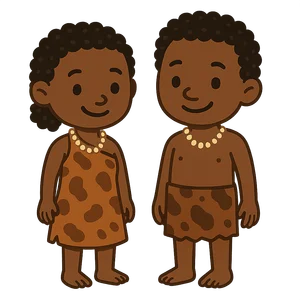
Mbuti people
The Mbuti are one of several Indigenous hunter-gatherer groups, known as Pygmies…
Reads at Grades 3–5 Listens at Grades 1–5
Print & create
Answer keys·No prep·Free with an account
28 worksheets · answer keys · full story · quiz · Ages 8-10 · CEFR B1
Plus adds 116,000+ more stories in 27 languages, audio for every one, and printables for all of them.
Just want Mbuti people?
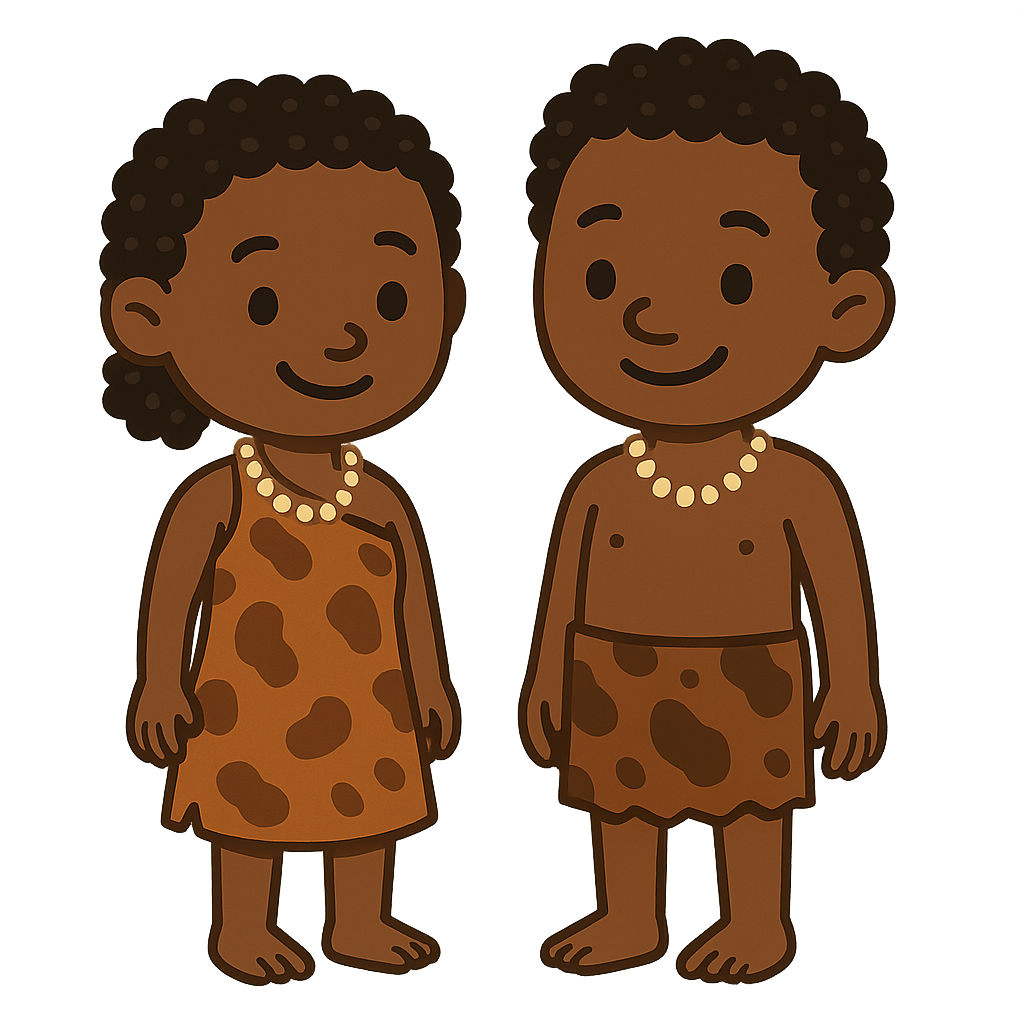
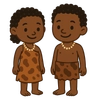
Hello. We are the Mbuti people, and we want to share the story of our home and our lives with you. For longer than anyone can remember, our home has been the Ituri Rainforest. This is not just a place where we live; it is the center of our world. We call the forest 'ndura,' which is our word for a place that is a loving parent. To us, the forest is like a mother and father who looks after us, protects us, and provides everything we could ever need, from food to shelter to medicine. It gives us clean water from its streams and fresh air under the shade of its giant trees. Because of this deep and caring connection, we have always known ourselves as 'the children of the forest.' Our entire way of life is built around this relationship of respect and love for the ndura.
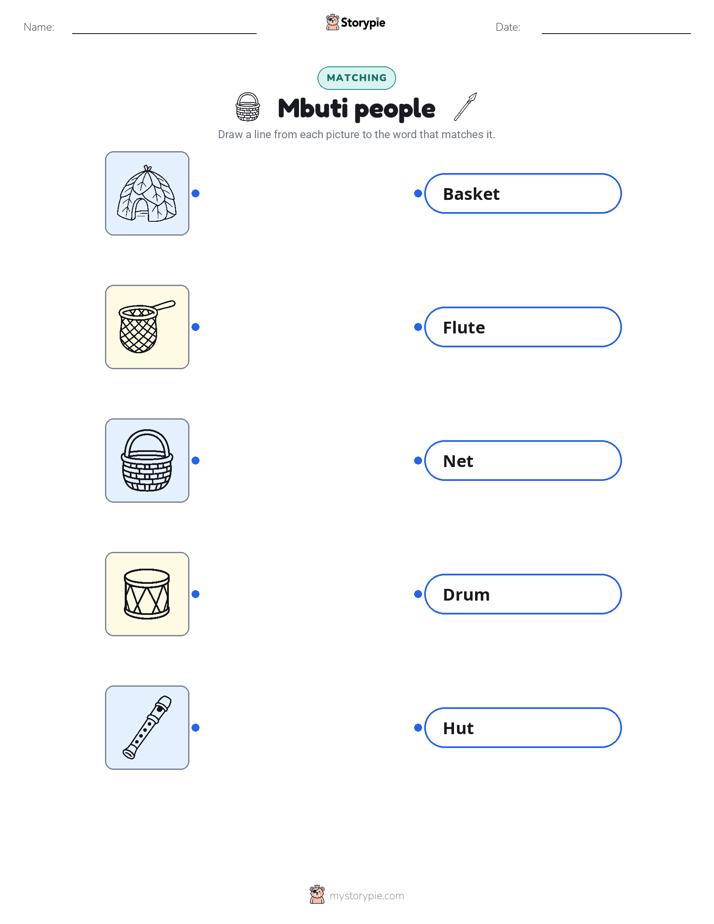
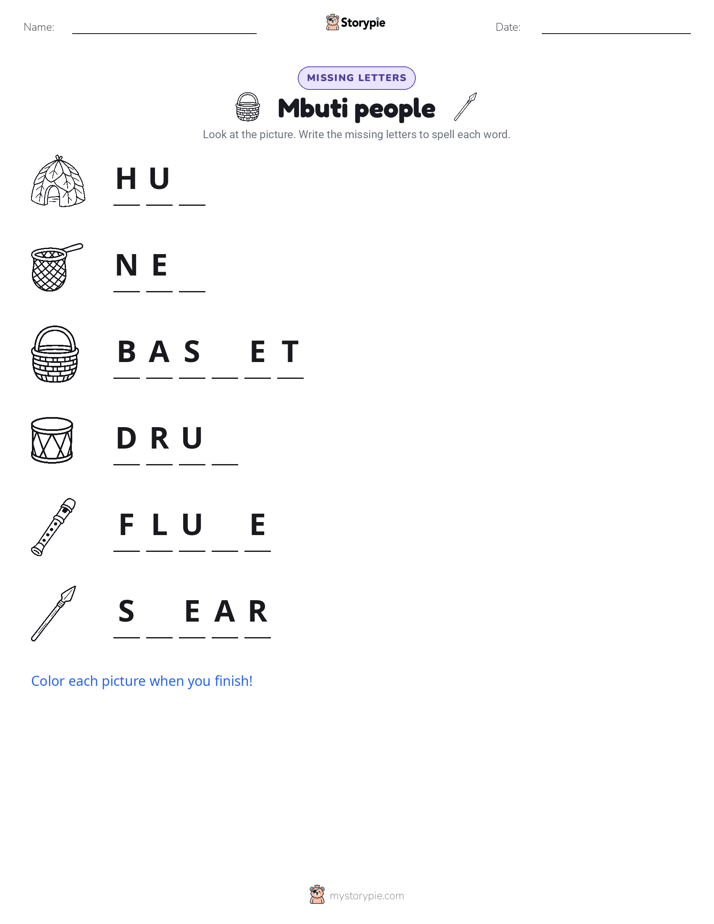
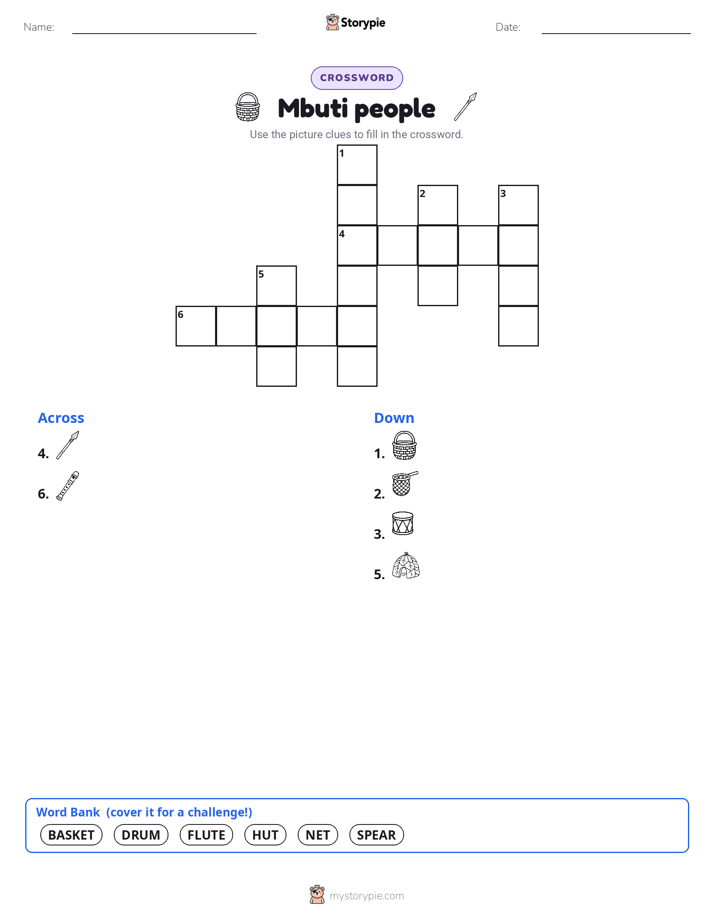
Our lives are shaped by the rhythm of the forest. We are hunter-gatherers, which means we find our food by working with the world around us. This is something we do together, as a community. The men in our groups are skilled hunters who practice cooperative net hunting. This is not a task one person can do alone. Several men will hold large nets made from forest vines, creating a circle, while others make noises to gently guide animals toward the nets. It is a clever and quiet way to hunt that requires everyone to work as one. While the men hunt, the women search the forest floor for its many gifts. They are experts at finding delicious mushrooms, nutritious roots to cook, and sweet fruits growing on trees and bushes. Everything we gather and hunt is shared among all the families in our group.
We Are the Children of the Forest
Hello. We are the Mbuti people, and we want to share the story of our home and our lives with you. For longer than anyone can remember, our home has been the Ituri Rainforest. This is not just a place where we live; it is the center of our world. We call the forest 'ndura,' which is our word for a place that is a loving parent. To us, the forest is like a mother and father who looks after us, protects us, and provides everything we could ever need, from food to shelter to medicine. It gives us clean water from its streams and fresh air under the shade of its giant trees. Because of this deep and caring connection, we have always known ourselves as 'the children of the forest.' Our entire way of life is built around this relationship of respect and love for the ndura.
Our lives are shaped by the rhythm of the forest. We are hunter-gatherers, which means we find our food by working with the world around us. This is something we do together, as a community. The men in our groups are skilled hunters who practice cooperative net hunting. This is not a task one person can do alone. Several men will hold large nets made from forest vines, creating a circle, while others make noises to gently guide animals toward the nets. It is a clever and quiet way to hunt that requires everyone to work as one. While the men hunt, the women search the forest floor for its many gifts. They are experts at finding delicious mushrooms, nutritious roots to cook, and sweet fruits growing on trees and bushes. Everything we gather and hunt is shared among all the families in our group.
This spirit of sharing is central to who we are. In our communities, we do not have chiefs or rulers who tell everyone else what to do. We have what is called an egalitarian social structure. This means that every person is considered equal, and no single person has more power than another. When an important decision needs to be made, we all come together to talk about it. Everyone has a chance to speak and share their thoughts. We listen to one another carefully until we can all agree on the best path forward. This way of making decisions ensures that our community stays strong and that everyone feels heard and respected. We work together not just to find food, but to live peacefully with one another.
Our culture is filled with music and creativity. Song is a part of our daily lives from the moment we wake until we sleep. In the morning, we might sing to gently wake the forest and greet the new day. After a successful hunt, we celebrate with songs and dances that show our gratitude to the forest for the food it has provided. Music connects us to the ndura and to each other. We also build our own homes, which we call mongulus. The women are the architects of our camps. They gather strong, flexible saplings and bend them into a dome shape, tying them together to create a frame. Then, they cover this frame with large, waterproof leaves from special plants. These mongulus are temporary homes, perfect for our life in the forest, as we can build them quickly whenever we move to a new area.
Today, we Mbuti people still live, and our culture continues. However, our world is changing, and we face new and difficult challenges. One of the biggest problems is deforestation. This means that large parts of our forest home are being cut down, and the land we have always depended on is disappearing. Because of this loss of land, our traditional way of life as hunter-gatherers is becoming much harder to continue. Many of our lives are changing as we adapt to these new circumstances. But even with these great challenges, one thing has not changed: our identity. We are still the 'people of the forest.' Our connection to the ndura remains strong in our hearts, our songs, and our stories, and we continue to pass this knowledge to our children.
Wow facts
About
The Mbuti are one of several Indigenous hunter-gatherer groups, known as Pygmies, who live in the Ituri Rainforest of the Democratic Republic of Congo.
Take a Quiz
Question 1 of 5
What do the Mbuti people call the forest, and what does it represent to them?
Explore next



Want to do even more?
Go beyond exploring. Unlock tools that turn every story into real learning.

Storypie Plus for families
Full stories, quizzes, and printables. Nights and car rides, sorted.
- Unlimited audio stories
- Create Mode: your child stars in the story
- Offline downloads
- Printable worksheets & coloring pages

Why Storypie for Schools
Students engaged. Prep in seconds. Evenings back to you.
- Worksheets & Quizzes
- Classroom Management
- Formative Assessment
- Custom Curriculum & Lesson Plans
- 27 Languages

Why Storypie for Homeschool
Curriculum done. They'll ask for more. Hours back in your day.
- Worksheet Generator
- First-Person Audio Stories
- Built-in Comprehension Quizzes
- Custom Curriculum & Lesson Plans
- Print & Go Activities