English

Moche Culture
The Moche culture was an ancient civilization that flourished in northern Peru from approximately 100 to 800…
Reads at Grades K-2 Listens at K–3
Print & create
Answer keys·No prep·Free with an account
28 worksheets · answer keys · full story · quiz · Ages 6-8 · CEFR A2
Plus adds 116,000+ more stories in 27 languages, audio for every one, and printables for all of them.
Just want Moche Culture?
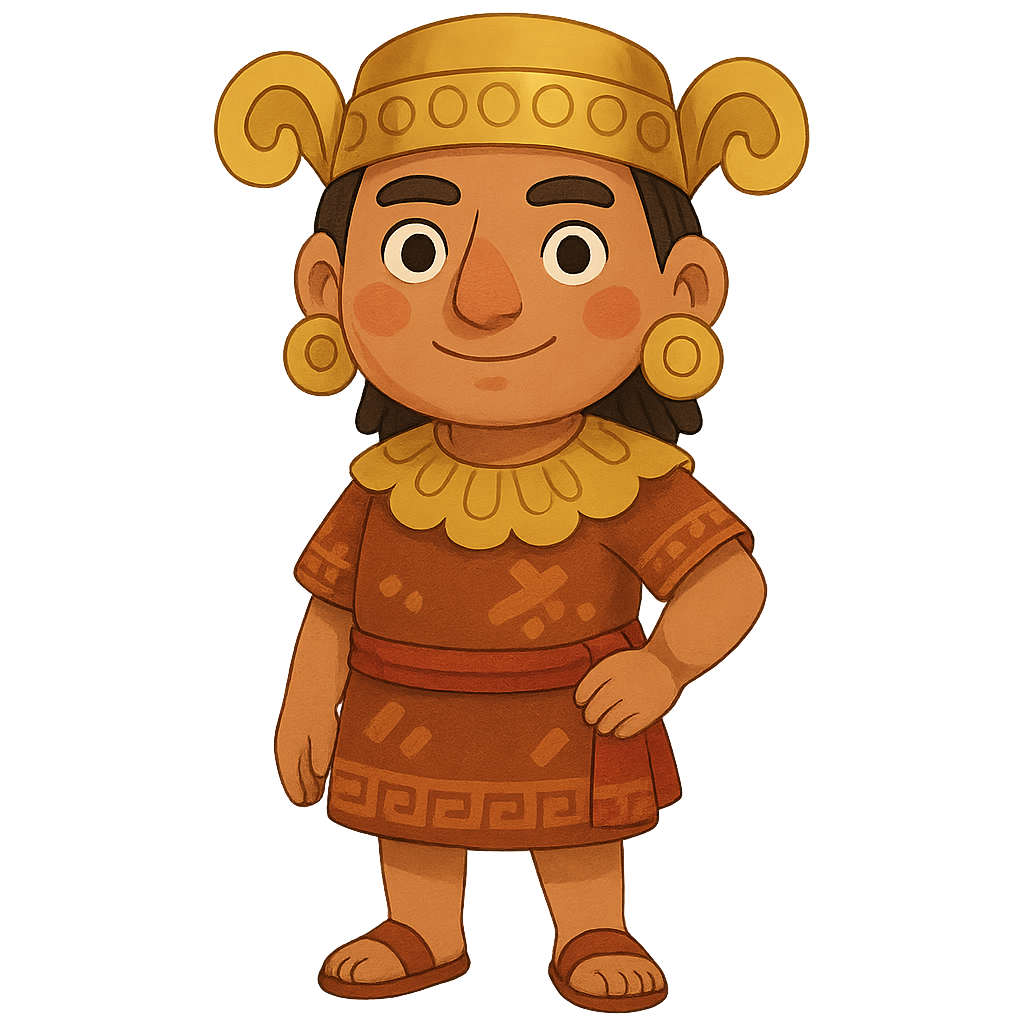
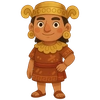
Hello! We are the Moche people, and we want to share the story of our lives in ancient Peru, long, long ago. Our home was a very special and challenging place. We lived along a dry desert coast, where sandy land stretched for miles right next to the giant Pacific Ocean. In this desert, there were not many places for plants to grow. But rivers flowed down from the mountains, cutting through the sand and creating green river valleys. These valleys were precious to us, and it was there that we built our communities and our homes.
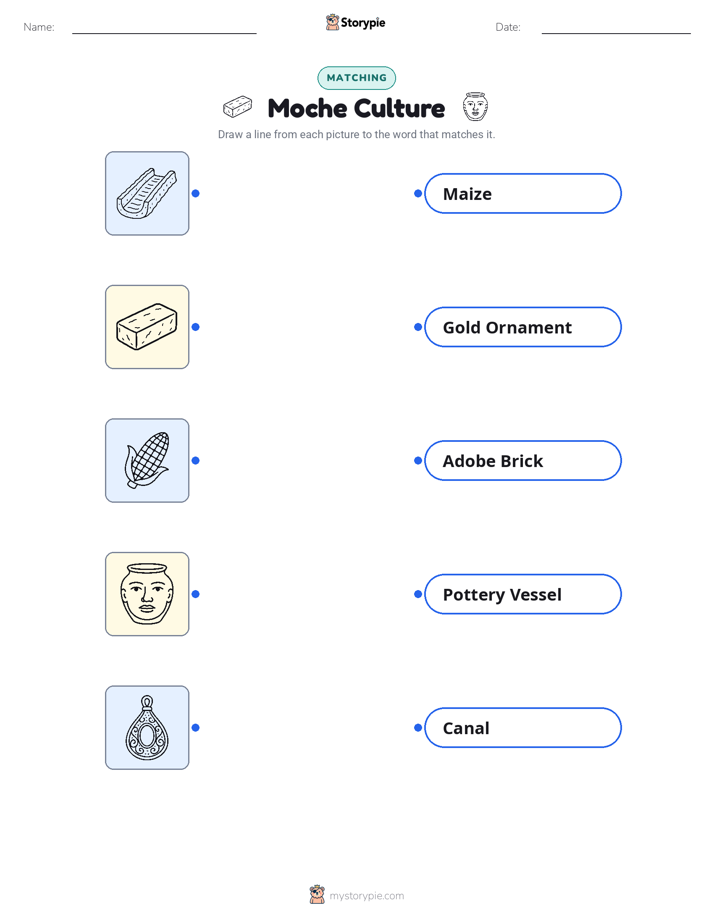
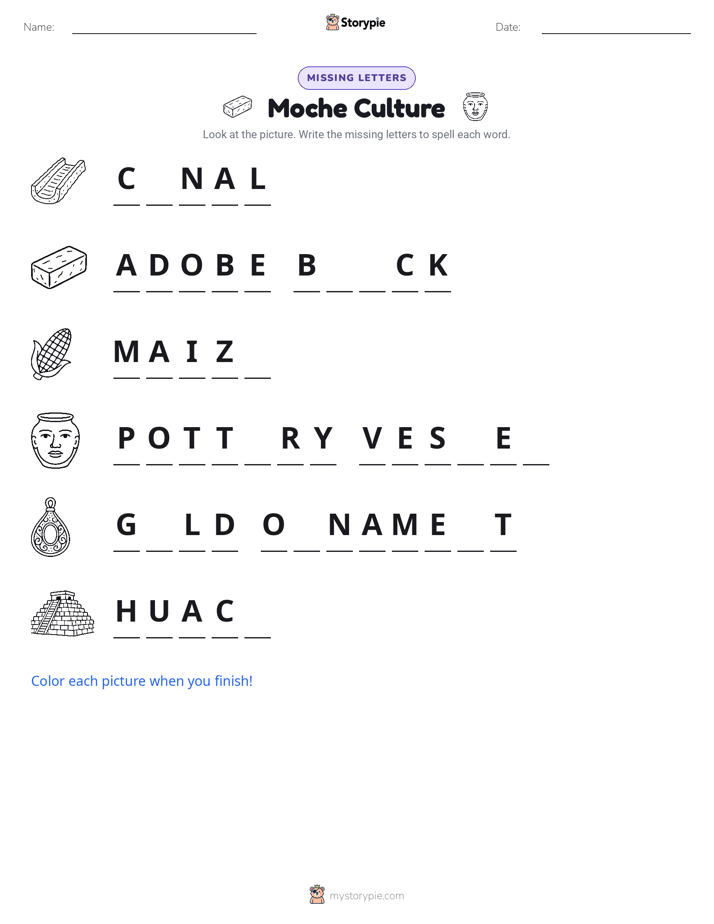
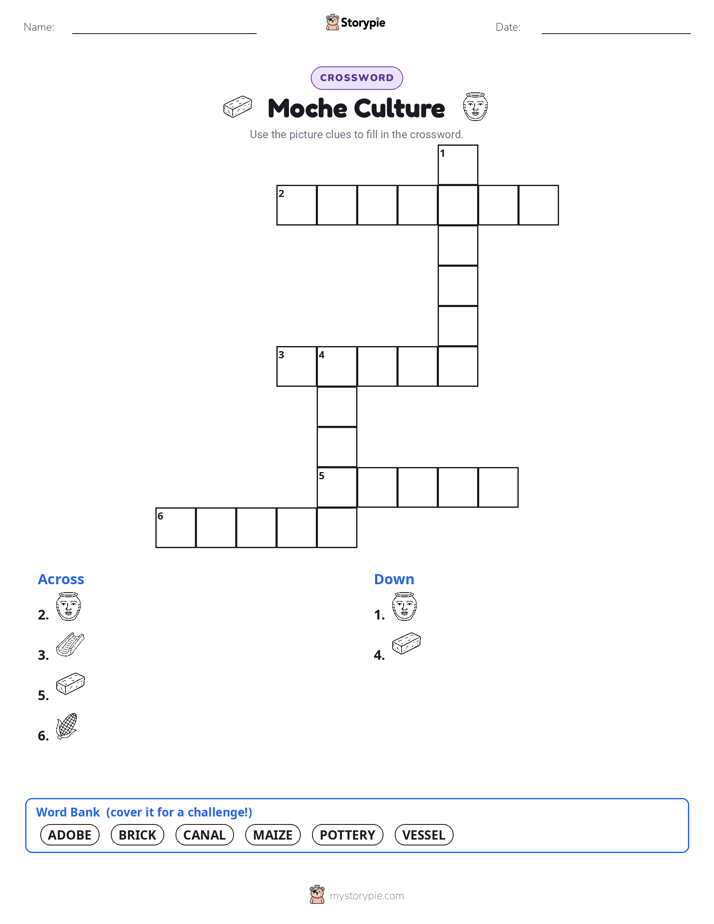
We were known for being great builders. Instead of using stone, we learned how to make strong bricks out of mud and let them dry in the sun. We made millions and millions of these mud bricks to create some of the largest buildings in the world at that time. We called these huge, pyramid-shaped structures huacas. Our huacas were the heart of our communities. Two of our most famous pyramids were the Huaca del Sol, or Pyramid of the Sun, and the Huaca de la Luna, the Pyramid of the Moon. They stood tall in our valleys, amazing sights built with our own hands.
Building wasn't our only skill. We were also clever farmers. To grow food in such a dry place, we needed a smart plan to get water to our fields. We carefully dug long channels, called canals, that carried water from the rivers to our farms. Thanks to our canals, we could grow healthy crops like corn and beans, which fed our families and helped our communities thrive. We understood the land and knew how to work with it to make life better for everyone.
We Are the Moche: Builders and Artists of Ancient Peru
Hello! We are the Moche people, and we want to share the story of our lives in ancient Peru, long, long ago. Our home was a very special and challenging place. We lived along a dry desert coast, where sandy land stretched for miles right next to the giant Pacific Ocean. In this desert, there were not many places for plants to grow. But rivers flowed down from the mountains, cutting through the sand and creating green river valleys. These valleys were precious to us, and it was there that we built our communities and our homes.
We were known for being great builders. Instead of using stone, we learned how to make strong bricks out of mud and let them dry in the sun. We made millions and millions of these mud bricks to create some of the largest buildings in the world at that time. We called these huge, pyramid-shaped structures huacas. Our huacas were the heart of our communities. Two of our most famous pyramids were the Huaca del Sol, or Pyramid of the Sun, and the Huaca de la Luna, the Pyramid of the Moon. They stood tall in our valleys, amazing sights built with our own hands.
Building wasn't our only skill. We were also clever farmers. To grow food in such a dry place, we needed a smart plan to get water to our fields. We carefully dug long channels, called canals, that carried water from the rivers to our farms. Thanks to our canals, we could grow healthy crops like corn and beans, which fed our families and helped our communities thrive. We understood the land and knew how to work with it to make life better for everyone.
Perhaps what we are most famous for is our art. We were talented artists, especially when it came to making things from clay. Our pottery was beautiful, but it was also a way for us to tell stories. We shaped our pots and jars to look like people from our communities, and also like the animals we saw around us, such as birds, fish, and jaguars. Each piece of pottery showed something about our lives, our work, and what we believed. Looking at our pottery is like reading a book without words.
Our civilization ended a very long time ago. One of the reasons for this was that the weather began to change, which made farming and living in the desert much harder. But we did not disappear. Today, people can learn all about us from the things we left behind. Scientists and visitors can see the remains of our giant huacas standing in the river valleys. They can also look at our amazing pottery in museums. Through our incredible buildings and our storytelling art, our memory and our history live on.
Wow facts
About
The Moche culture was an ancient civilization that flourished in northern Peru from approximately 100 to 800 CE, renowned for its sophisticated irrigation systems, monumental adobe pyramids, and highly artistic pottery and metalwork.
Take a Quiz
Question 1 of 4
Where did we, the Moche people, build our communities?
Want to do even more?
Go beyond exploring. Unlock tools that turn every story into real learning.

Storypie Plus for families
Full stories, quizzes, and printables. Nights and car rides, sorted.
- Unlimited audio stories
- Create Mode: your child stars in the story
- Offline downloads
- Printable worksheets & coloring pages

Why Storypie for Schools
Students engaged. Prep in seconds. Evenings back to you.
- Worksheets & Quizzes
- Classroom Management
- Formative Assessment
- Custom Curriculum & Lesson Plans
- 27 Languages

Why Storypie for Homeschool
Curriculum done. They'll ask for more. Hours back in your day.
- Worksheet Generator
- First-Person Audio Stories
- Built-in Comprehension Quizzes
- Custom Curriculum & Lesson Plans
- Print & Go Activities