English

Phoenicians
The Phoenicians were an ancient maritime civilization originating in the Levant region of the eastern…
Reads at Grades 3–5 Listens at Grades 1–5
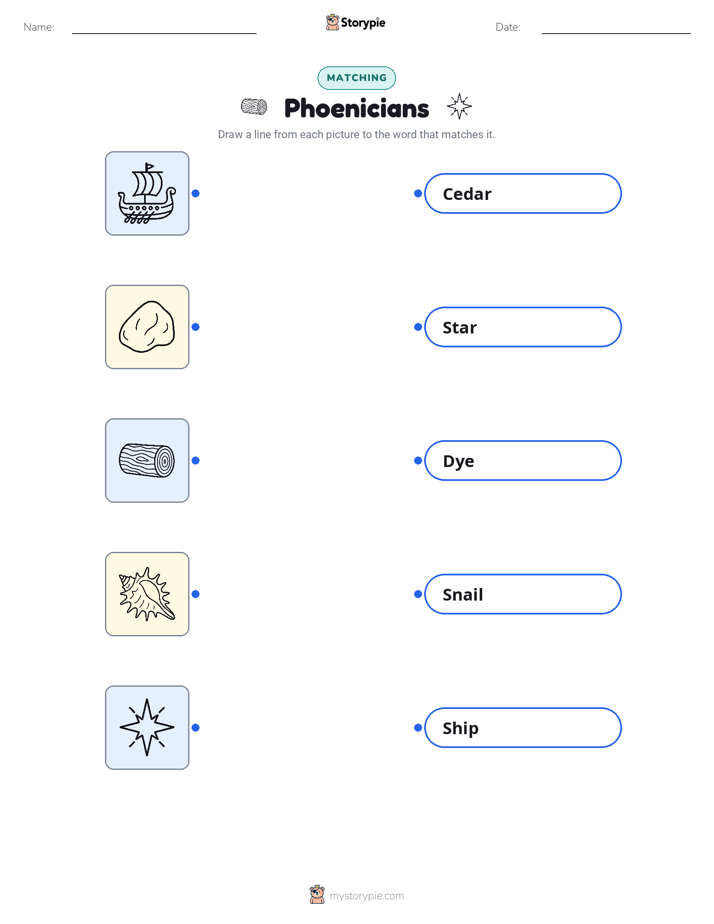
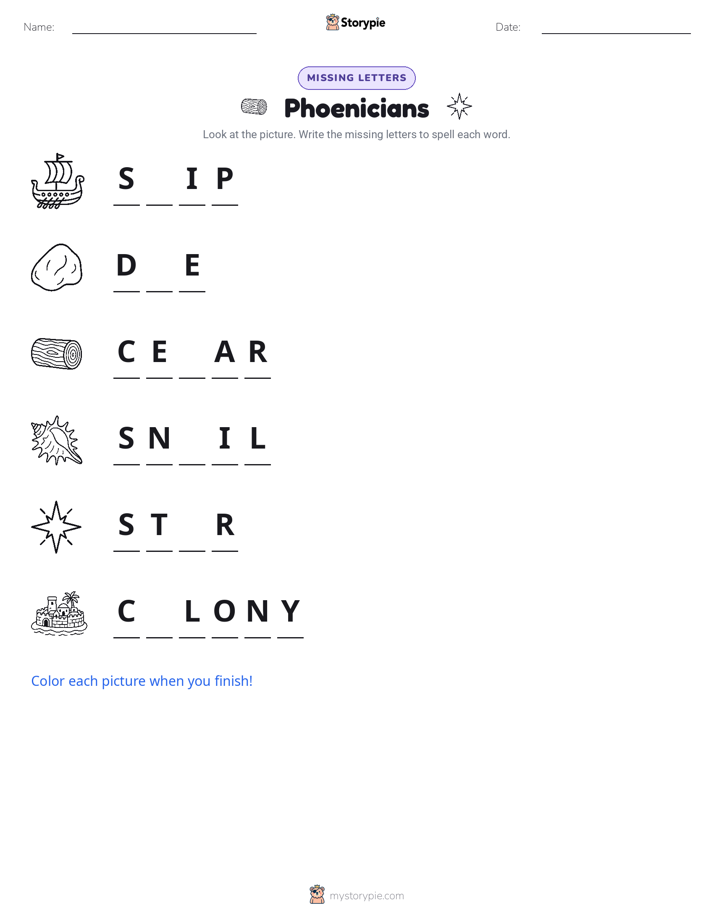
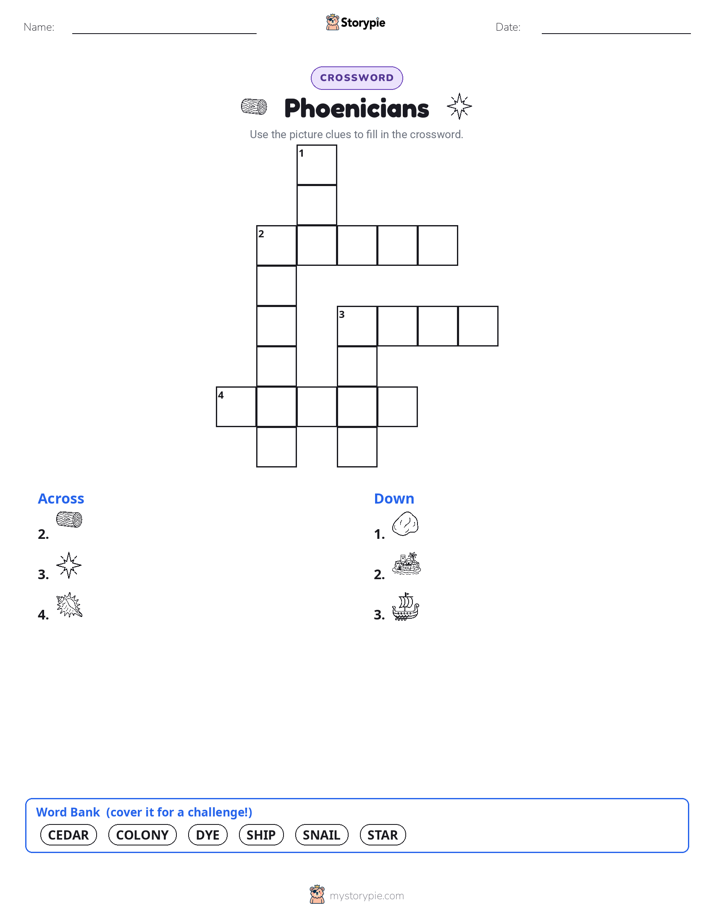
Print & create
Answer keys·No prep·Free with an account
28 worksheets · answer keys · full story · quiz · Ages 8-10 · CEFR B1
Plus adds 116,000+ more stories in 27 languages, audio for every one, and printables for all of them.
Just want Phoenicians?
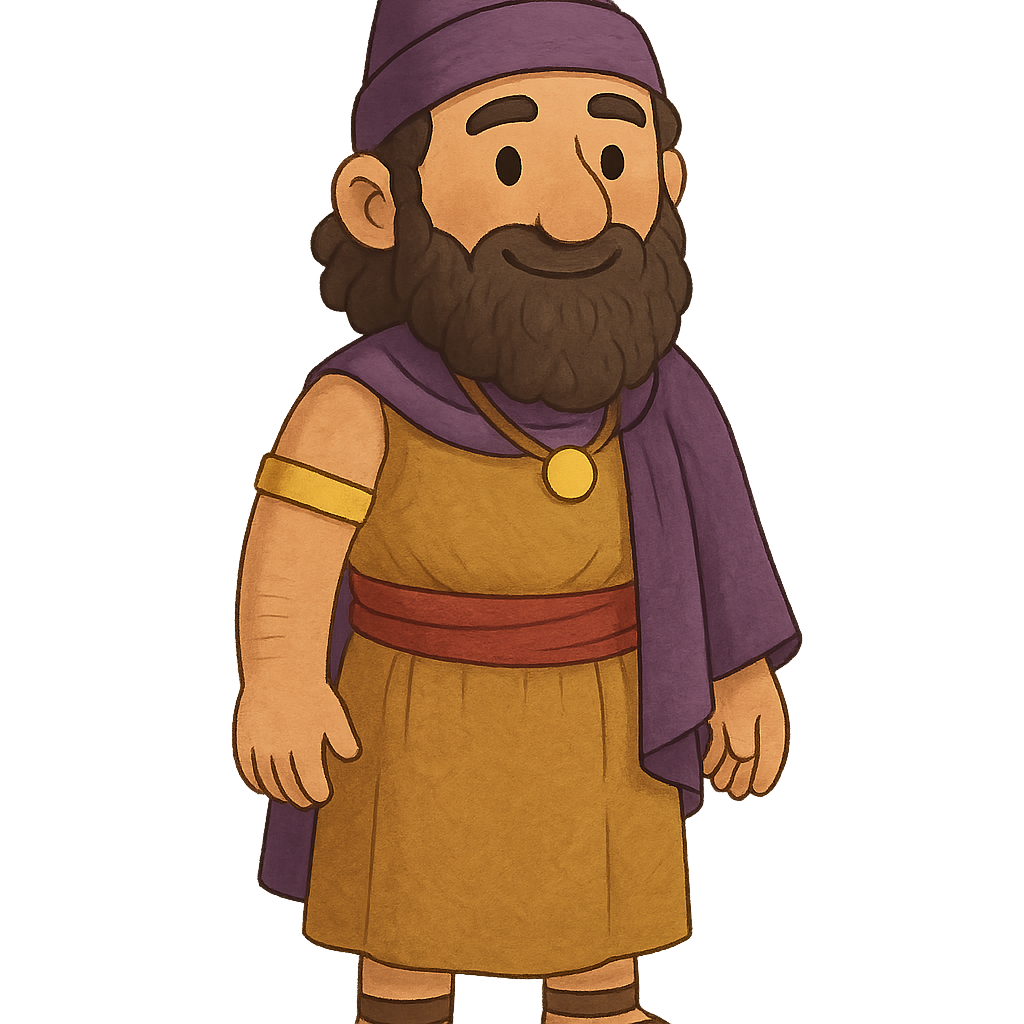
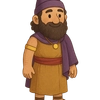
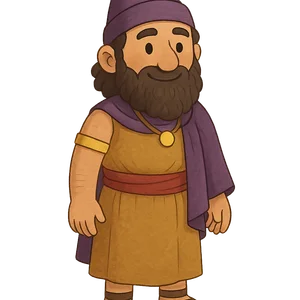
Hello, we are the Phoenicians. Our story begins thousands of years ago, in a narrow strip of land on the coast of the beautiful Mediterranean Sea. Today, this place is known as Lebanon. Our homeland was rich with magnificent cedar forests, where tall, strong trees grew on the mountainsides. This wood was a wonderful resource for us, but the mountains that gave us our trees left very little flat ground for farming. We could not grow enough food to support all of our people. This challenge did not stop us; instead, it turned our eyes toward the sea. The vast blue water became our highway and our source of opportunity. We learned to use our cedar trees to build excellent ships, and we became expert sailors and traders, ready to explore the world.
Our skills as shipbuilders and sailors were known throughout the ancient world. Using the strong, sturdy wood from our cedar forests, we constructed ships that could handle long, difficult journeys across the open sea. This allowed us to become master traders, connecting different cultures and lands. We sailed from port to port, carrying lumber, glass, and other valuable items. Of all the goods we created, one was more famous and prized than any other: a beautiful, rich purple dye. It became known as Tyrian purple, named after our great city of Tyre. This color was not easy to make. To create even a small amount of the dye, our artisans had to collect and process thousands of tiny Murex sea snails. The work was so difficult and required so many snails that the dye became incredibly expensive. It was a true luxury, so rare and valuable that only kings, queens, and emperors could afford to wear clothes colored with it. Tyrian purple became a symbol of royalty and power.
We Are the Phoenicians
Hello, we are the Phoenicians. Our story begins thousands of years ago, in a narrow strip of land on the coast of the beautiful Mediterranean Sea. Today, this place is known as Lebanon. Our homeland was rich with magnificent cedar forests, where tall, strong trees grew on the mountainsides. This wood was a wonderful resource for us, but the mountains that gave us our trees left very little flat ground for farming. We could not grow enough food to support all of our people. This challenge did not stop us; instead, it turned our eyes toward the sea. The vast blue water became our highway and our source of opportunity. We learned to use our cedar trees to build excellent ships, and we became expert sailors and traders, ready to explore the world.
Our skills as shipbuilders and sailors were known throughout the ancient world. Using the strong, sturdy wood from our cedar forests, we constructed ships that could handle long, difficult journeys across the open sea. This allowed us to become master traders, connecting different cultures and lands. We sailed from port to port, carrying lumber, glass, and other valuable items. Of all the goods we created, one was more famous and prized than any other: a beautiful, rich purple dye. It became known as Tyrian purple, named after our great city of Tyre. This color was not easy to make. To create even a small amount of the dye, our artisans had to collect and process thousands of tiny Murex sea snails. The work was so difficult and required so many snails that the dye became incredibly expensive. It was a true luxury, so rare and valuable that only kings, queens, and emperors could afford to wear clothes colored with it. Tyrian purple became a symbol of royalty and power.
As our trade network expanded, we needed an efficient way to keep track of all our business. We had to record what we bought and sold, the prices we agreed upon, and the details of our shipments. The writing systems used by other peoples were often very complex, with hundreds of different symbols that took a lifetime to master. For busy sailors and merchants, this was simply not practical. So, we came up with a brilliant solution. We created a simple writing system with only 22 letters. The idea was that each symbol would stand for a specific sound. By putting the sounds together, we could write down any word we needed to say. This alphabet was so easy to learn and use that it changed everything. As we traveled and traded, we shared this powerful idea. People like the ancient Greeks saw how useful our alphabet was and adapted it for their own language. Over many centuries, that simple system of letters for sounds evolved and spread across the world, eventually becoming the ancestor of the alphabet you use today.
Our journeys took us far from our homeland. To make our long-distance trade easier and safer, we needed friendly ports where our ships could dock for supplies and repairs. We began to set up small trading posts all around the Mediterranean Sea. Over time, some of these outposts grew into bustling new cities, which are called colonies. These colonies became our new homes across the water, helping us trade more effectively and gather important resources, like metals and food, from faraway lands. One of our colonies became especially famous and powerful. Its name was Carthage, and it was located on the coast of North Africa. Carthage grew from a trading post into a mighty city that controlled a large part of the sea, becoming a center of trade and culture that rivaled our oldest cities back home.
For many centuries, we connected the ancient world with our ships and our trade. We were brave explorers who sailed to distant shores, sharing goods and ideas between different cultures. However, the world around us continued to change. New and powerful empires rose, and eventually, our civilization was conquered by them. Our great cities became parts of these larger empires, and our time as an independent people came to an end. Even so, our story did not end there. We left a lasting mark on history that is still felt today. We are remembered for our courage on the sea and for linking the diverse peoples of the Mediterranean. But our greatest gift, the one that has endured for thousands of years, was our simple and clever alphabet. That idea changed the way people write and communicate forever, and it remains one of our most important legacies.
Wow facts
About
The Phoenicians were an ancient maritime civilization originating in the Levant region of the eastern Mediterranean, primarily in the coastal areas of modern-day Lebanon, Syria, and northern Israel. They were renowned as traders, sailors, and colonizers, and are credited with creating the Phoenician alphabet.
Take a Quiz
Question 1 of 5
What caused us, the Phoenicians, to become expert sailors?
Explore next





Want to do even more?
Go beyond exploring. Unlock tools that turn every story into real learning.

Storypie Plus for families
Full stories, quizzes, and printables. Nights and car rides, sorted.
- Unlimited audio stories
- Create Mode: your child stars in the story
- Offline downloads
- Printable worksheets & coloring pages

Why Storypie for Schools
Students engaged. Prep in seconds. Evenings back to you.
- Worksheets & Quizzes
- Classroom Management
- Formative Assessment
- Custom Curriculum & Lesson Plans
- 27 Languages

Why Storypie for Homeschool
Curriculum done. They'll ask for more. Hours back in your day.
- Worksheet Generator
- First-Person Audio Stories
- Built-in Comprehension Quizzes
- Custom Curriculum & Lesson Plans
- Print & Go Activities