English

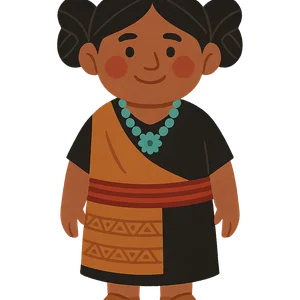
Pueblo Peoples
The Pueblo Peoples are a diverse group of Native American communities who have lived in the Southwestern…
Reads at Grades 6–8 Listens at Grades 4–8
Print & create
Answer keys·No prep·Free with an account
28 worksheets · answer keys · full story · quiz · Ages 10-12 · CEFR B2
Plus adds 116,000+ more stories in 27 languages, audio for every one, and printables for all of them.
Just want Pueblo Peoples?
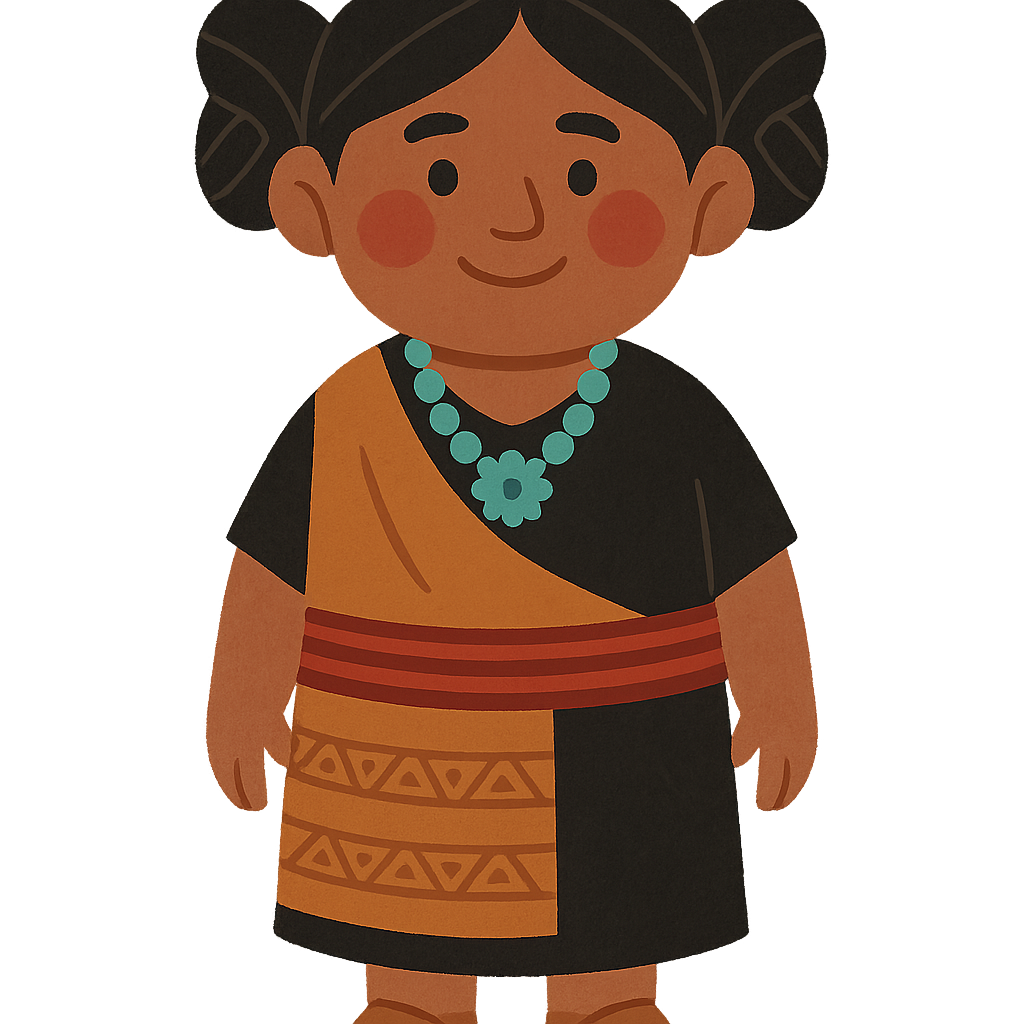
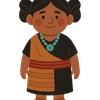
We welcome you to hear our story. We are the Pueblo Peoples, a name that includes many distinct and sovereign nations. It is important to know that we are not one single tribe, but a diverse collection of communities, each with our own unique traditions and history. The name “Pueblo” was given to us by Spanish explorers; it is their word for “village,” inspired by the remarkable towns we built. Our connection to this land runs deep, stretching back thousands of years. Our ancestors, known today as the Ancestral Puebloans, were among the first peoples to make their homes in the Four Corners region, the place where the states of Arizona, New Mexico, Colorado, and Utah now meet. For countless generations, they studied the sun, the water, and the earth, learning to build thriving societies. Among their most incredible achievements are the cliff dwellings at places like Mesa Verde, complex towns built directly into the shelter of high canyon walls. These structures are a powerful reminder of our ancestors’ ingenuity, deep connection to the land, and enduring presence.
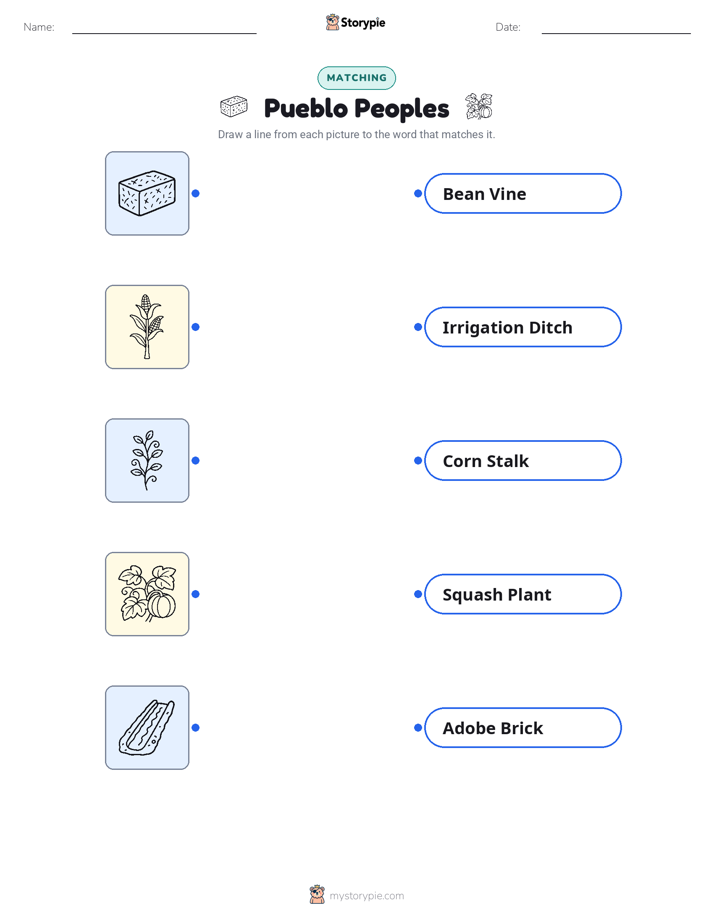
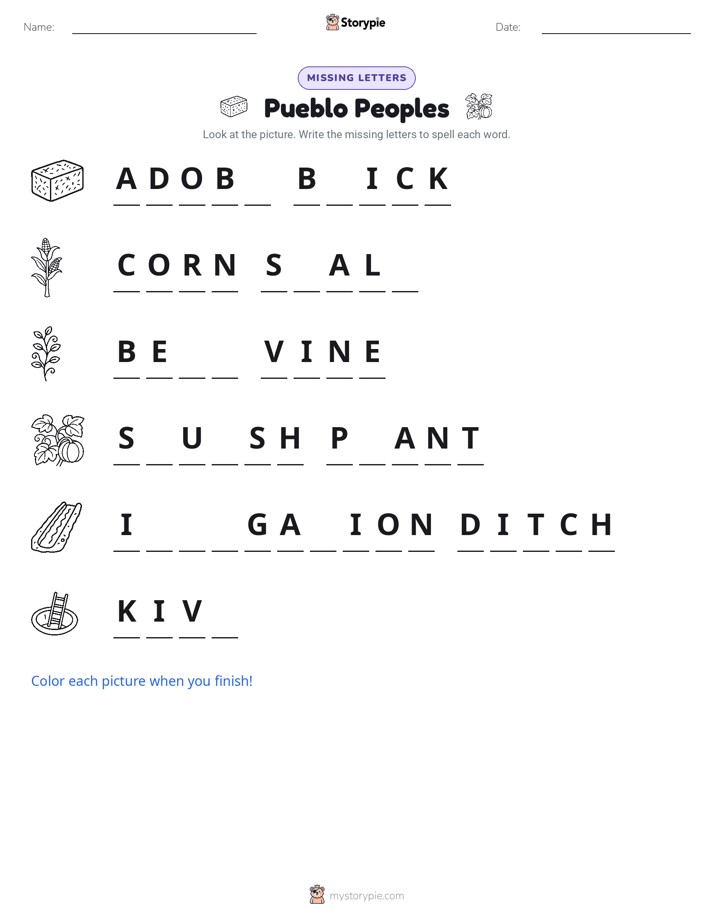
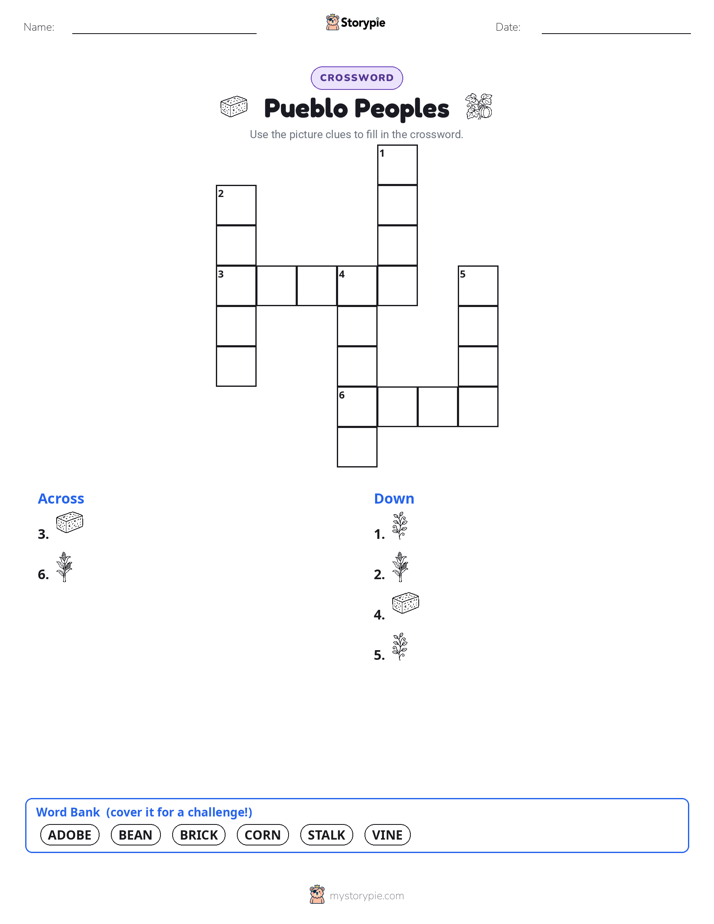
Our ancestral lands are a place of brilliant sun and rugged stone, a challenging desert environment that demands knowledge and respect. To thrive here, we became expert farmers. We learned to cultivate the essential crops that sustained us: corn, beans, and squash. We call these the “Three Sisters” because they grow together in harmony, supporting one another just as members of a strong family do. The corn provides a stalk for the beans to climb, the beans enrich the soil with vital nutrients, and the broad leaves of the squash shade the ground, preserving precious moisture. To water our fields in this dry climate, we engineered sophisticated irrigation systems, guiding water from its source to our crops. Our homes are just as connected to the land. We build with adobe, a material made from earth, water, and straw, which keeps our homes cool in the summer and warm in the winter. Our ancestors built large, multi-story adobe structures that housed entire communities. Some of these very buildings are still our homes today and are considered among the oldest continuously inhabited buildings in all of North America.
Our Story: The Pueblo Peoples of the Southwest
We welcome you to hear our story. We are the Pueblo Peoples, a name that includes many distinct and sovereign nations. It is important to know that we are not one single tribe, but a diverse collection of communities, each with our own unique traditions and history. The name “Pueblo” was given to us by Spanish explorers; it is their word for “village,” inspired by the remarkable towns we built. Our connection to this land runs deep, stretching back thousands of years. Our ancestors, known today as the Ancestral Puebloans, were among the first peoples to make their homes in the Four Corners region, the place where the states of Arizona, New Mexico, Colorado, and Utah now meet. For countless generations, they studied the sun, the water, and the earth, learning to build thriving societies. Among their most incredible achievements are the cliff dwellings at places like Mesa Verde, complex towns built directly into the shelter of high canyon walls. These structures are a powerful reminder of our ancestors’ ingenuity, deep connection to the land, and enduring presence.
Our ancestral lands are a place of brilliant sun and rugged stone, a challenging desert environment that demands knowledge and respect. To thrive here, we became expert farmers. We learned to cultivate the essential crops that sustained us: corn, beans, and squash. We call these the “Three Sisters” because they grow together in harmony, supporting one another just as members of a strong family do. The corn provides a stalk for the beans to climb, the beans enrich the soil with vital nutrients, and the broad leaves of the squash shade the ground, preserving precious moisture. To water our fields in this dry climate, we engineered sophisticated irrigation systems, guiding water from its source to our crops. Our homes are just as connected to the land. We build with adobe, a material made from earth, water, and straw, which keeps our homes cool in the summer and warm in the winter. Our ancestors built large, multi-story adobe structures that housed entire communities. Some of these very buildings are still our homes today and are considered among the oldest continuously inhabited buildings in all of North America.
Our lives have always been guided by a deep sense of community and a spiritual worldview centered on maintaining harmony with the natural world. In our villages, special underground chambers called kivas serve as important ceremonial centers. These spaces are where we connect with our traditions and honor the spiritual forces that sustain life. Our understanding is that all things—the land, the sky, the animals, and the people—are interconnected, and it is our responsibility to live in a balanced and respectful way. This belief shapes our calendar, with our most important ceremonies following the agricultural seasons. We perform dances and rituals to mark the cycles of planting and harvesting, giving thanks for the corn that sustains us and praying for the rain that gives it life. This spiritual connection also flows through our art. For centuries, our artists have created beautiful and symbolic pottery. Each Pueblo has its own distinct styles, patterns, and designs, making our pottery a vibrant expression of our diverse cultural identities and our enduring relationship with our world.
For thousands of years, our way of life developed and flourished. But in the 1500s, our world began to change with the arrival of Spanish colonizers. Their presence brought immense challenges to our communities. We faced intense pressure to abandon our culture, our languages, and our deeply held religious beliefs. We were forbidden from performing the ceremonies that had sustained us for generations. For decades, we endured these hardships, but our desire to protect our way of life remained strong. In 1680, a respected leader named Po'pay helped unite our many different Pueblos. For the first time, our diverse nations joined together in a coordinated and powerful effort. This event became known as the Pueblo Revolt. In a successful and unified uprising, we drove the colonizers from our lands and worked to restore our traditional ways. The Pueblo Revolt of 1680 stands as a testament to our resilience and our unwavering commitment to preserving our cultural independence.
Today, our cultures are not relics of the past; they are alive, vibrant, and continuing to evolve. The Pueblo Peoples live in numerous sovereign communities, mainly across New Mexico and Arizona. As sovereign nations, we govern ourselves and manage our own affairs. We live in the modern world, blending contemporary life with the ancient traditions that have defined us for thousands of years. We continue to speak our languages, passing them down to our children. Our ceremonial kivas are still active, and the cycles of the seasons continue to guide our spiritual practices. Our artists create stunning pottery, jewelry, and other art forms that are celebrated around the world. We are farmers, teachers, doctors, and leaders, all working to ensure a healthy and prosperous future for our people. We are dedicated to protecting our precious heritage, sharing our story, and ensuring that the wisdom of our ancestors guides our path for many generations to come.
Wow facts
About
The Pueblo Peoples are a diverse group of Native American communities who have lived in the Southwestern United States for thousands of years, known for their distinctive multi-story adobe homes and sophisticated agricultural practices.
Take a Quiz
Question 1 of 5
According to the story, what was the main purpose of the Pueblo Revolt of 1680?
Explore next
Want to do even more?
Go beyond exploring. Unlock tools that turn every story into real learning.

Storypie Plus for families
Full stories, quizzes, and printables. Nights and car rides, sorted.
- Unlimited audio stories
- Create Mode: your child stars in the story
- Offline downloads
- Printable worksheets & coloring pages

Why Storypie for Schools
Students engaged. Prep in seconds. Evenings back to you.
- Worksheets & Quizzes
- Classroom Management
- Formative Assessment
- Custom Curriculum & Lesson Plans
- 27 Languages

Why Storypie for Homeschool
Curriculum done. They'll ask for more. Hours back in your day.
- Worksheet Generator
- First-Person Audio Stories
- Built-in Comprehension Quizzes
- Custom Curriculum & Lesson Plans
- Print & Go Activities