English

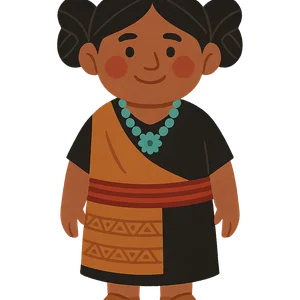
Pueblo Peoples
The Pueblo Peoples are a diverse group of Native American communities who have lived in the Southwestern…
Reads at Grades 3–5 Listens at Grades 1–5
Print & create
Answer keys·No prep·Free with an account
28 worksheets · answer keys · full story · quiz · Ages 8-10 · CEFR B1
Plus adds 116,000+ more stories in 27 languages, audio for every one, and printables for all of them.
Just want Pueblo Peoples?
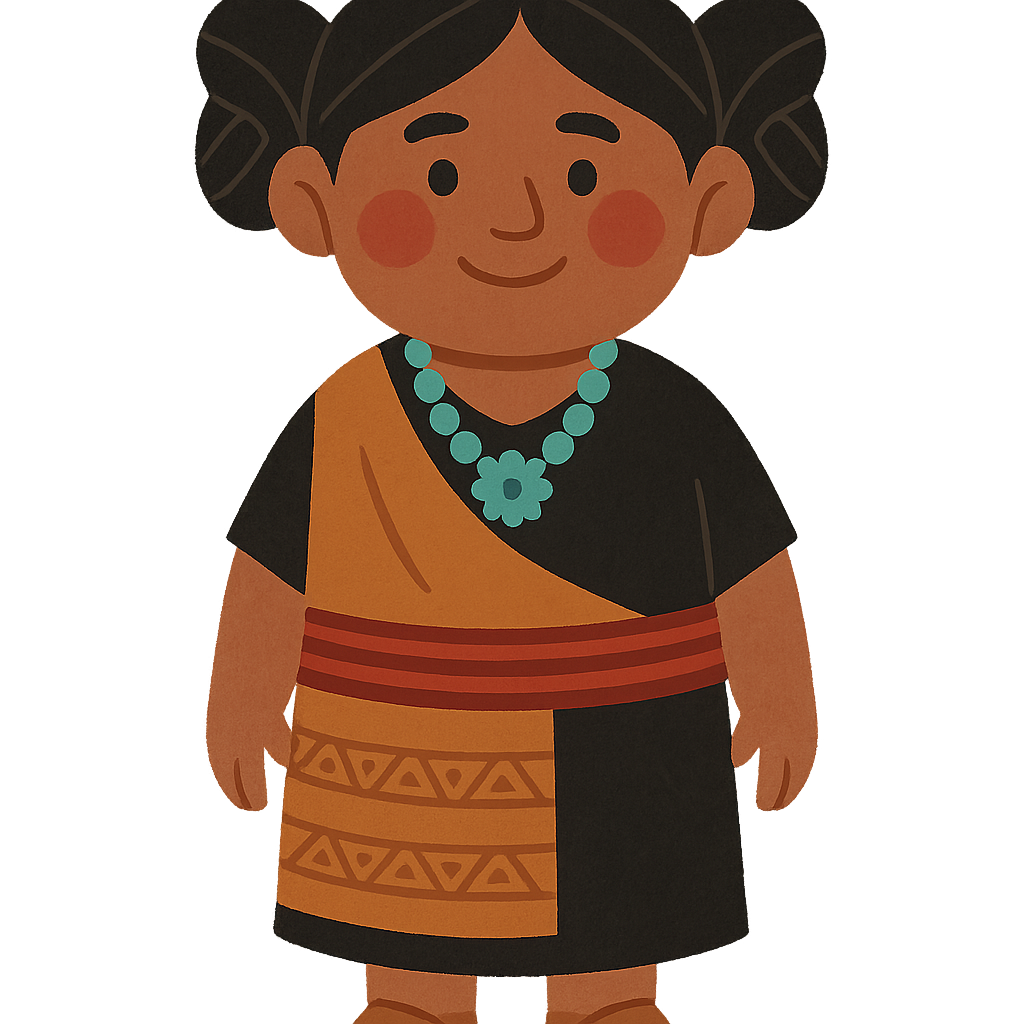
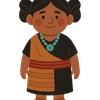
Hello. We are the Pueblo Peoples. Our name includes many different and unique communities, such as the Hopi, the Zuni, and the peoples of historic villages like Taos and Acoma. For thousands of years, our home has been the beautiful and challenging landscape of the Southwestern United States. When Spanish explorers arrived here centuries ago, they saw our organized towns. The Spanish word for “village” is “pueblo,” and they began using that word to describe both our communities and us. It is a name that has stayed with us.
Our homes are very special, built to last for generations. Using adobe mud and stone, our ancestors constructed buildings that look like apartment houses, with rooms built on top of and next to each other. These multi-story homes create a close-knit community where families can live near one another, sharing work and traditions. Some of our towns, where people still live today, are among the oldest continuously lived-in places in all of North America. This long history connects us deeply to the land where our ancestors walked, farmed, and raised their families.
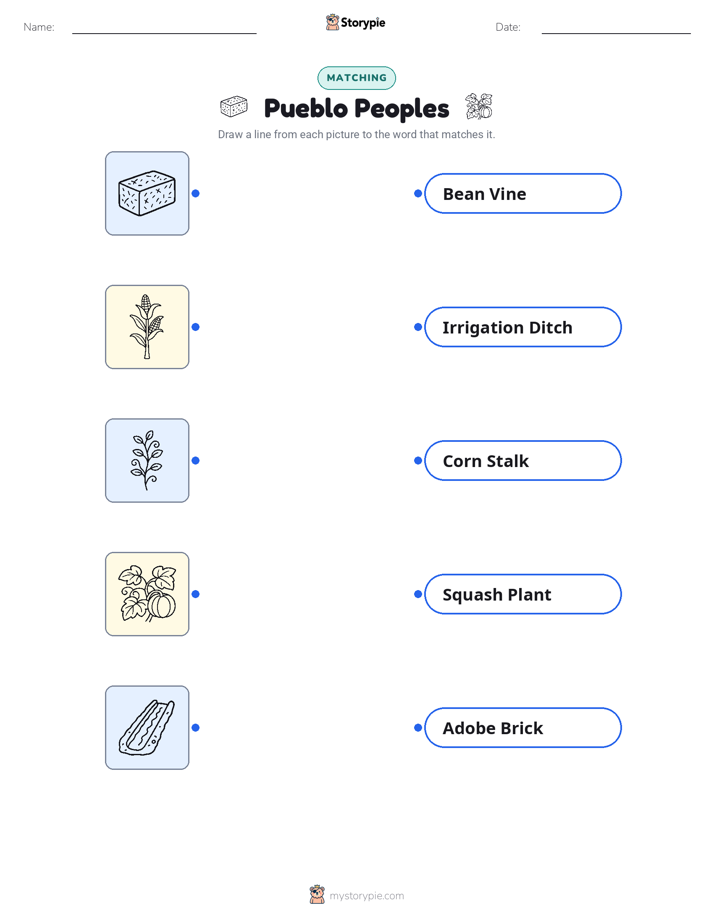
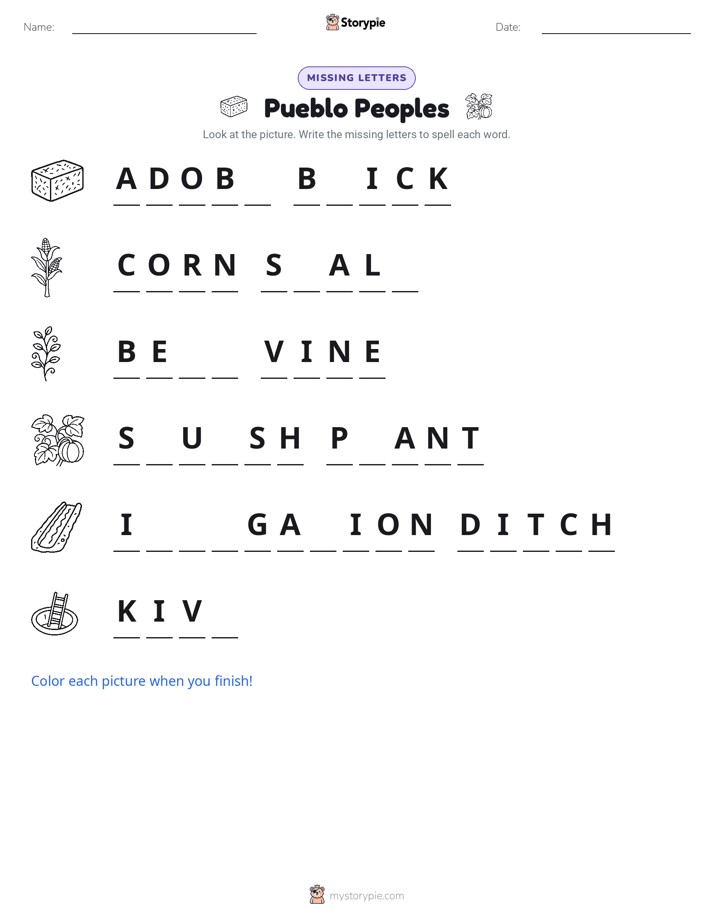
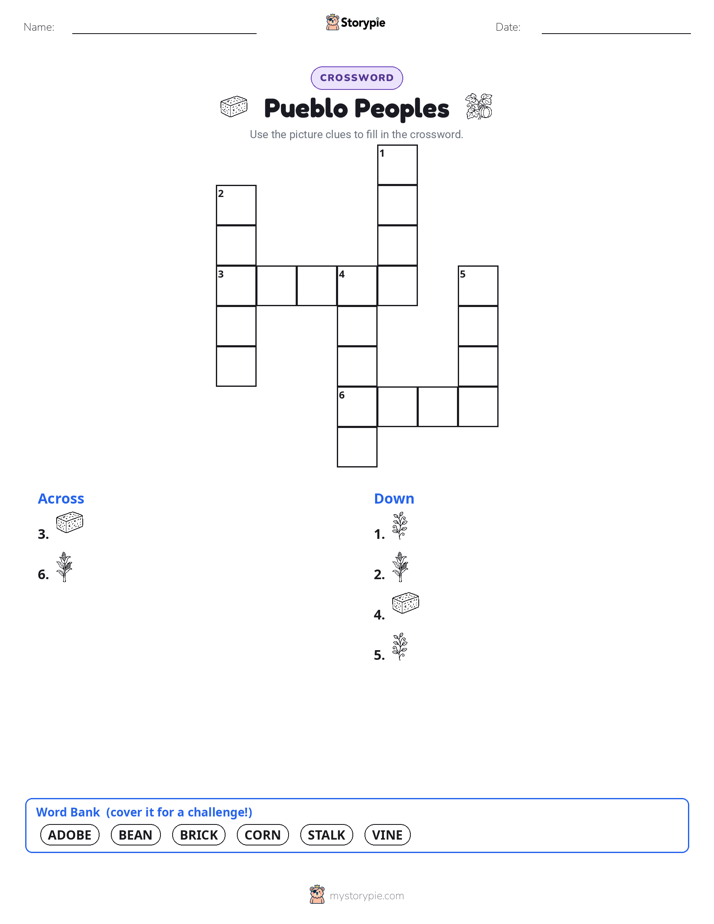
Living in a dry land taught us to be clever and patient farmers. The earth here can be hard and the rain does not always fall when you need it, but we learned to work with the environment to grow our food. For centuries, our most important crops have been corn, beans, and squash. We call them the “Three Sisters” because they grow together and help one another thrive. The strong corn stalks provide a pole for the bean vines to climb toward the sun. The beans put important nutrients back into the soil that the other plants need. The big, shady leaves of the squash plants spread out over the ground, keeping the soil moist and preventing weeds from growing. This way of planting shows how much we understand about the connections in nature.
The Heart of Our Homeland: The Story of the Pueblo Peoples
Hello. We are the Pueblo Peoples. Our name includes many different and unique communities, such as the Hopi, the Zuni, and the peoples of historic villages like Taos and Acoma. For thousands of years, our home has been the beautiful and challenging landscape of the Southwestern United States. When Spanish explorers arrived here centuries ago, they saw our organized towns. The Spanish word for “village” is “pueblo,” and they began using that word to describe both our communities and us. It is a name that has stayed with us.
Our homes are very special, built to last for generations. Using adobe mud and stone, our ancestors constructed buildings that look like apartment houses, with rooms built on top of and next to each other. These multi-story homes create a close-knit community where families can live near one another, sharing work and traditions. Some of our towns, where people still live today, are among the oldest continuously lived-in places in all of North America. This long history connects us deeply to the land where our ancestors walked, farmed, and raised their families.
Living in a dry land taught us to be clever and patient farmers. The earth here can be hard and the rain does not always fall when you need it, but we learned to work with the environment to grow our food. For centuries, our most important crops have been corn, beans, and squash. We call them the “Three Sisters” because they grow together and help one another thrive. The strong corn stalks provide a pole for the bean vines to climb toward the sun. The beans put important nutrients back into the soil that the other plants need. The big, shady leaves of the squash plants spread out over the ground, keeping the soil moist and preventing weeds from growing. This way of planting shows how much we understand about the connections in nature.
To make sure our Three Sisters and other crops had enough water, our ancestors became expert engineers. They designed and built special ditches called irrigation canals. These canals carefully guided water from rivers and streams across the land and into our fields. This was a smart way to bring life to the desert soil, allowing our communities to feed themselves and prosper. Our deep connection to the land is also expressed in our art. We are known for making beautiful pottery from the clay of the earth. Each pueblo has its own special style and traditional designs. These patterns are more than just decoration; they are a language of symbols that tell our stories, represent our beliefs, and honor the world around us. When we shape the clay and paint our designs, we are continuing a tradition that is thousands of years old.
Our way of life was challenged about 400 years ago when Spanish colonists arrived in our homelands. They built settlements and tried to force us to change our ways. They wanted us to give up our spiritual beliefs, our ceremonies, and our own forms of government. For many years, we resisted these changes, but the pressure continued to grow. Finally, in the year 1680, our communities decided to act together. A brave and wise leader from our people, a man named Po'pay, traveled between our different villages, sharing a message of unity. It was not easy, because each of our pueblos was independent, but he helped us understand that we had to work together to protect our culture.
The event that followed is known as the Pueblo Revolt. United for the first time, our villages rose up together to defend our culture and our freedom. We fought to keep the traditions that had been passed down from our ancestors and to be able to live on our land in our own way. The Pueblo Revolt was a powerful and important moment in our history. It showed that by standing together, we could protect the things that were most important to us. It was a fight to keep our culture strong, and it sent a clear message that we would not let our way of life be erased.
Today, we, the Pueblo Peoples, are still here. Our culture is alive and strong. We live in 19 different pueblos across New Mexico and one pueblo in Arizona. Many of us still live in the same places where our ancestors built their homes hundreds or even thousands of years ago. We continue to speak our own languages and practice our traditions. We govern ourselves, making decisions for our own communities. We honor our past every day, but we are also a vital part of the modern world. We are artists, teachers, leaders, and scientists. We share our culture with others through our timeless stories, our beautiful art, and our deep, unbreakable connection to our homelands. Our history is long, and our future is one we are building ourselves.
Wow facts
About
The Pueblo Peoples are a diverse group of Native American communities who have lived in the Southwestern United States for thousands of years, known for their distinctive multi-story adobe homes and sophisticated agricultural practices.
Take a Quiz
Question 1 of 5
What are the "Three Sisters" that have always been the most important crops for Pueblo Peoples?
Explore next
Want to do even more?
Go beyond exploring. Unlock tools that turn every story into real learning.

Storypie Plus for families
Full stories, quizzes, and printables. Nights and car rides, sorted.
- Unlimited audio stories
- Create Mode: your child stars in the story
- Offline downloads
- Printable worksheets & coloring pages

Why Storypie for Schools
Students engaged. Prep in seconds. Evenings back to you.
- Worksheets & Quizzes
- Classroom Management
- Formative Assessment
- Custom Curriculum & Lesson Plans
- 27 Languages

Why Storypie for Homeschool
Curriculum done. They'll ask for more. Hours back in your day.
- Worksheet Generator
- First-Person Audio Stories
- Built-in Comprehension Quizzes
- Custom Curriculum & Lesson Plans
- Print & Go Activities