English

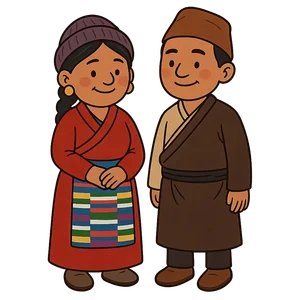
Sherpa people
The Sherpa are an ethnic group from the mountainous regions of Nepal…
Reads at Grades 6–8 Listens at Grades 4–8
Print & create
Answer keys·No prep·Free with an account
28 worksheets · answer keys · full story · quiz · Ages 10-12 · CEFR B2
Plus adds 116,000+ more stories in 27 languages, audio for every one, and printables for all of them.
Just want Sherpa people?
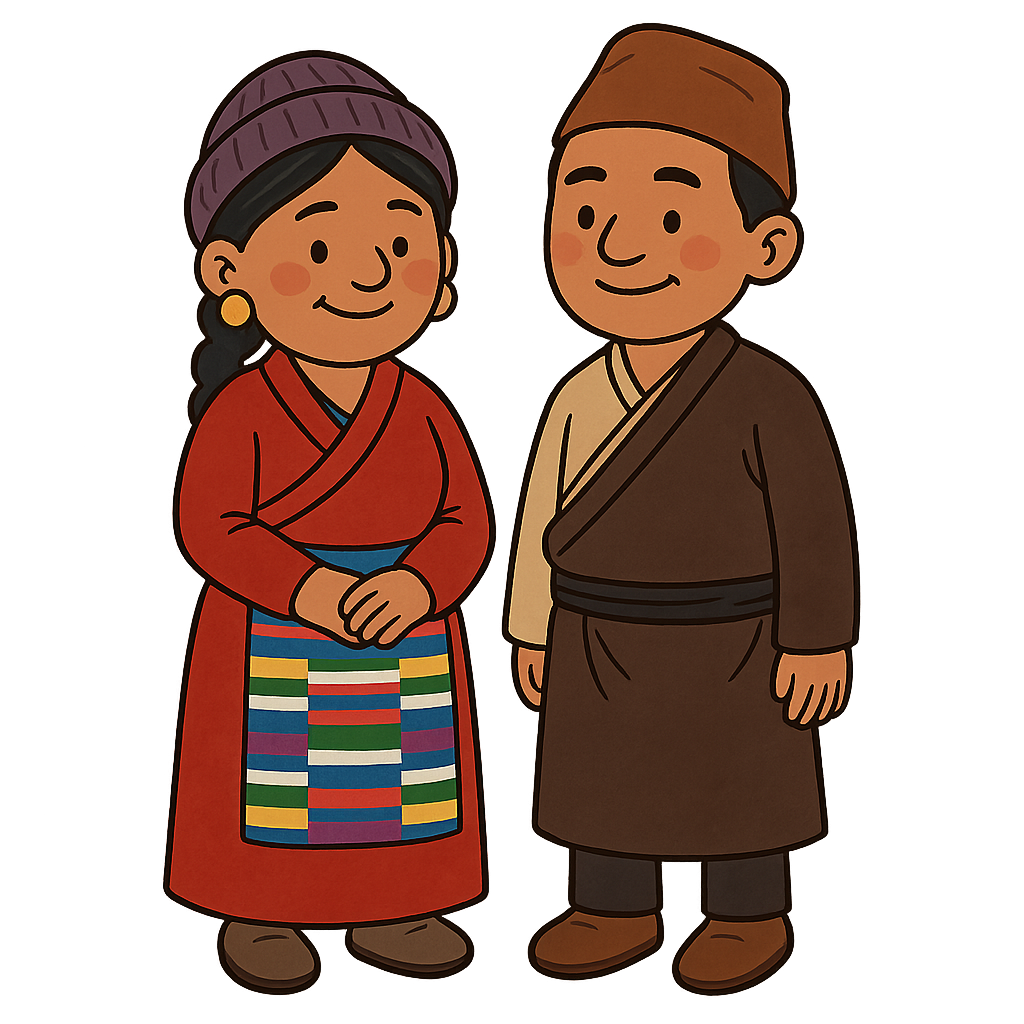
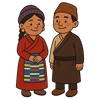
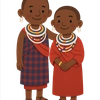
Hello, we are the Sherpa people. Our name, Sherpa, means “eastern people,” a name that tells the story of our journey. About 500 years ago, our ancestors migrated from a region in eastern Tibet known as Kham. This long journey brought us over high mountain passes and into a new homeland, a place of incredible beauty and great challenge. We settled high in the Himalayas, in an area of Nepal called the Solu-Khumbu region. This is a land of extremes, with deep, steep valleys carved by ancient glaciers and rivers, and towering, snow-covered peaks that seem to touch the sky.
Our home is truly the roof of the world. Among these magnificent mountains is the one you may know as Mount Everest. To us, it has a different name, a name that speaks of its power and majesty: Chomolungma. Living in the shadow of the world’s highest mountain has shaped every part of our culture, from our daily work to our deepest beliefs. The mountains are not just a landscape to us; they are a sacred part of our identity, and we have learned over many centuries how to live in harmony with this powerful environment.
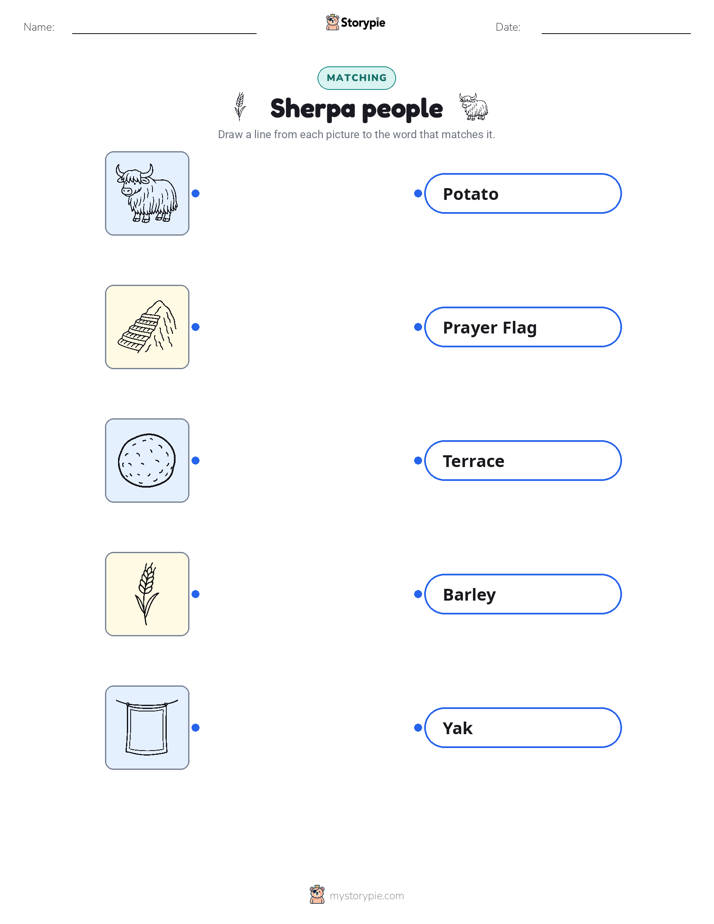
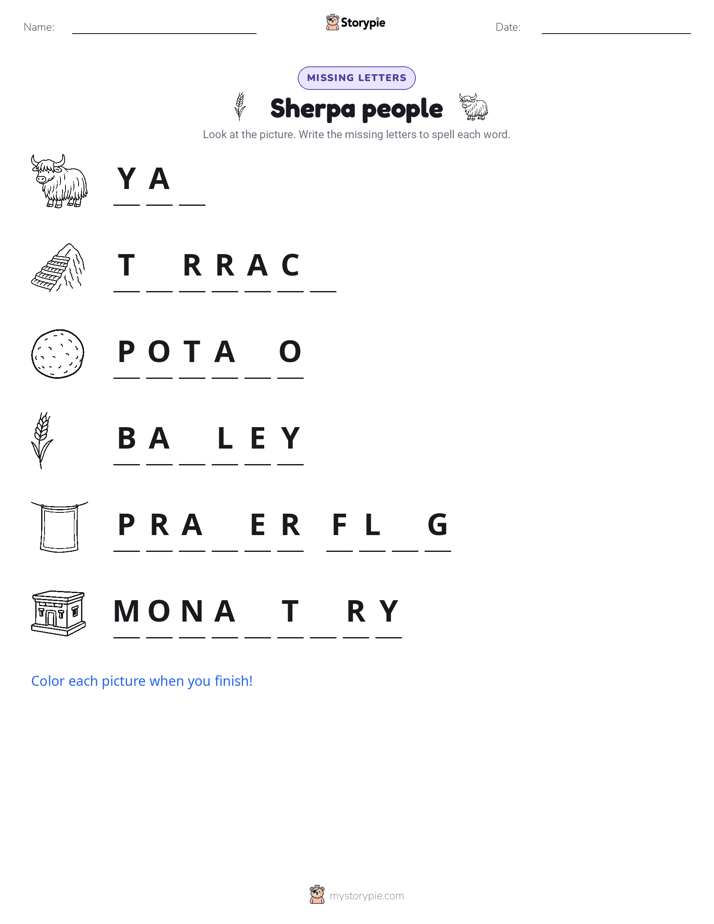
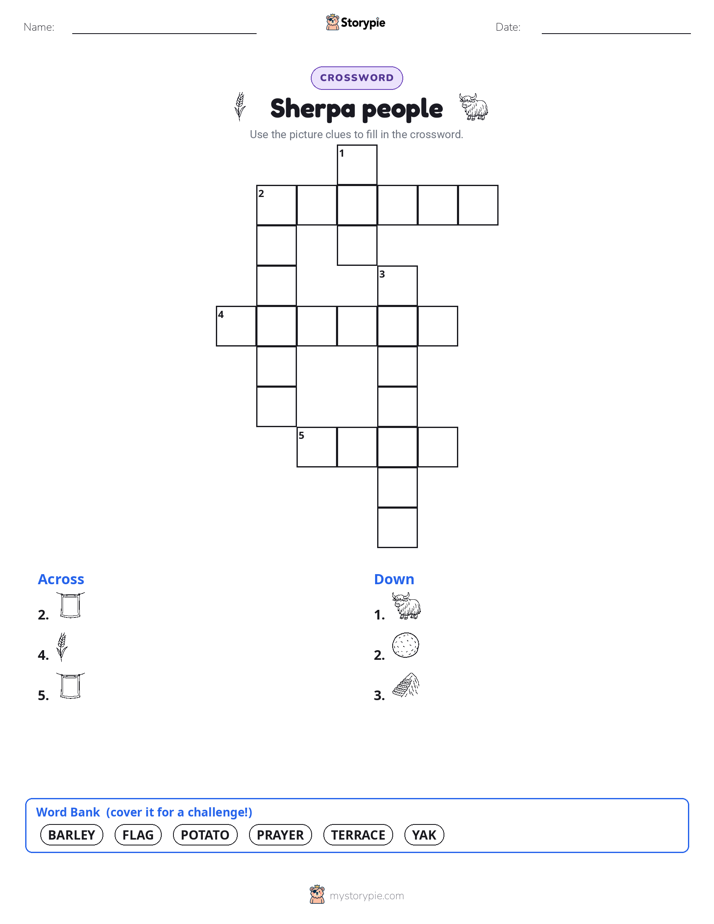
For generations, our traditional way of life has been centered on the rhythms of farming, the strength of our families, and our spiritual faith. To grow food in this vertical world, we carefully carved terraces into the steep mountainsides. These level steps of land allow us to cultivate crops that can survive the cold climate and thin air, like hardy potatoes and barley, which have been staples of our diet for centuries. Alongside our farms, we raise yaks, magnificent animals perfectly suited to high altitudes. Yaks are essential to our survival; their thick wool provides us with warm clothing, their rich milk gives us butter and cheese, and their incredible strength helps us plow our fields and carry heavy loads along mountain trails.
We Who Came from the East
Hello, we are the Sherpa people. Our name, Sherpa, means “eastern people,” a name that tells the story of our journey. About 500 years ago, our ancestors migrated from a region in eastern Tibet known as Kham. This long journey brought us over high mountain passes and into a new homeland, a place of incredible beauty and great challenge. We settled high in the Himalayas, in an area of Nepal called the Solu-Khumbu region. This is a land of extremes, with deep, steep valleys carved by ancient glaciers and rivers, and towering, snow-covered peaks that seem to touch the sky.
Our home is truly the roof of the world. Among these magnificent mountains is the one you may know as Mount Everest. To us, it has a different name, a name that speaks of its power and majesty: Chomolungma. Living in the shadow of the world’s highest mountain has shaped every part of our culture, from our daily work to our deepest beliefs. The mountains are not just a landscape to us; they are a sacred part of our identity, and we have learned over many centuries how to live in harmony with this powerful environment.
For generations, our traditional way of life has been centered on the rhythms of farming, the strength of our families, and our spiritual faith. To grow food in this vertical world, we carefully carved terraces into the steep mountainsides. These level steps of land allow us to cultivate crops that can survive the cold climate and thin air, like hardy potatoes and barley, which have been staples of our diet for centuries. Alongside our farms, we raise yaks, magnificent animals perfectly suited to high altitudes. Yaks are essential to our survival; their thick wool provides us with warm clothing, their rich milk gives us butter and cheese, and their incredible strength helps us plow our fields and carry heavy loads along mountain trails.
Our spiritual life is woven into the fabric of our daily existence and is guided by the teachings of Tibetan Buddhism. If you were to visit one of our villages, you would see strings of colorful prayer flags fluttering in the wind outside our stone houses. We believe that as the wind blows through the flags, it carries the prayers and blessings printed on them out into the world, spreading peace and compassion. At the heart of our communities are our monasteries, which we call gompas. These beautiful stone buildings are centers for worship, learning, and celebration, where our traditions and sacred stories are passed down from one generation to the next.
Our world began to change in the 20th century, when climbers from foreign countries started arriving with the ambitious dream of reaching the summits of our Himalayan peaks. They soon realized that they needed help navigating the dangerous and unfamiliar terrain. Because our people have lived at high altitudes for centuries, our bodies are physically adapted to the thin air. We also possess an intimate, lifelong knowledge of the mountains’ paths, weather patterns, and hidden dangers. This unique combination of physical ability and local expertise made us essential partners for these expeditions, and many of us became guides and porters.
This new role in the world of mountaineering led to a truly historic moment. On May 29, 1953, one of our own, a courageous and skilled climber named Tenzing Norgay, stood beside Sir Edmund Hillary from New Zealand. Together, they accomplished what no one had ever done before: they became the first people to stand on the summit of Chomolungma, the highest point on Earth. This incredible achievement was celebrated around the globe, and it brought great honor and recognition to our community, forever linking the name Sherpa with the spirit of world-class mountaineering.
Today, our community continues to navigate a path that balances our ancient traditions with the opportunities of the modern world. Many of us proudly carry on the legacy of our ancestors as expert guides for mountaineering expeditions, sharing our knowledge of the Himalayas with people from all over the globe. At the same time, our younger generations have pursued new professions. We are now also doctors who care for our communities, pilots who fly into remote mountain airstrips, and business owners who run the lodges and tea houses that welcome trekkers and climbers to our homeland.
While many of us still live in our ancestral mountain villages, others have moved to Nepal's bustling capital, Kathmandu, or have even settled in countries all around the world. No matter where we live, we remain deeply connected to our heritage. We work hard to keep our unique Sherpa language and our rich cultural traditions alive, ensuring they are passed on to our children. The growth of tourism has brought both opportunities and challenges to our region, and we are constantly working to manage its impact, protect our sacred environment, and guide our community toward a vibrant and sustainable future.
Wow facts
About
The Sherpa are an ethnic group from the mountainous regions of Nepal, renowned for their mountaineering skills, resilience at high altitudes, and deep connection to Tibetan Buddhism.
Take a Quiz
Question 1 of 5
According to the story, what does the name "Sherpa" mean and from where did the Sherpa people originally migrate?
Explore next



Want to do even more?
Go beyond exploring. Unlock tools that turn every story into real learning.

Storypie Plus for families
Full stories, quizzes, and printables. Nights and car rides, sorted.
- Unlimited audio stories
- Create Mode: your child stars in the story
- Offline downloads
- Printable worksheets & coloring pages

Why Storypie for Schools
Students engaged. Prep in seconds. Evenings back to you.
- Worksheets & Quizzes
- Classroom Management
- Formative Assessment
- Custom Curriculum & Lesson Plans
- 27 Languages

Why Storypie for Homeschool
Curriculum done. They'll ask for more. Hours back in your day.
- Worksheet Generator
- First-Person Audio Stories
- Built-in Comprehension Quizzes
- Custom Curriculum & Lesson Plans
- Print & Go Activities