English

Beijing
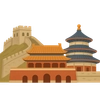
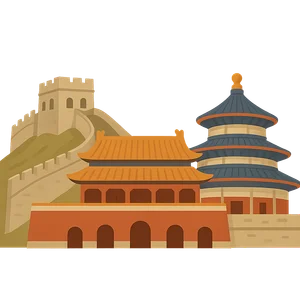
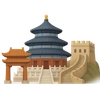
Beijing is the capital city of the People's Republic of China, with a history spanning over three millennia.
Reads at Grades 6–8 Listens at Grades 4–8
Print & create
Answer keys·No prep·Free with an account
28 worksheets · answer keys · full story · quiz · Ages 10-12 · CEFR B2
Plus adds 208,000+ more stories in 27 languages, audio for every one, and printables for all of them.
Just want Beijing?
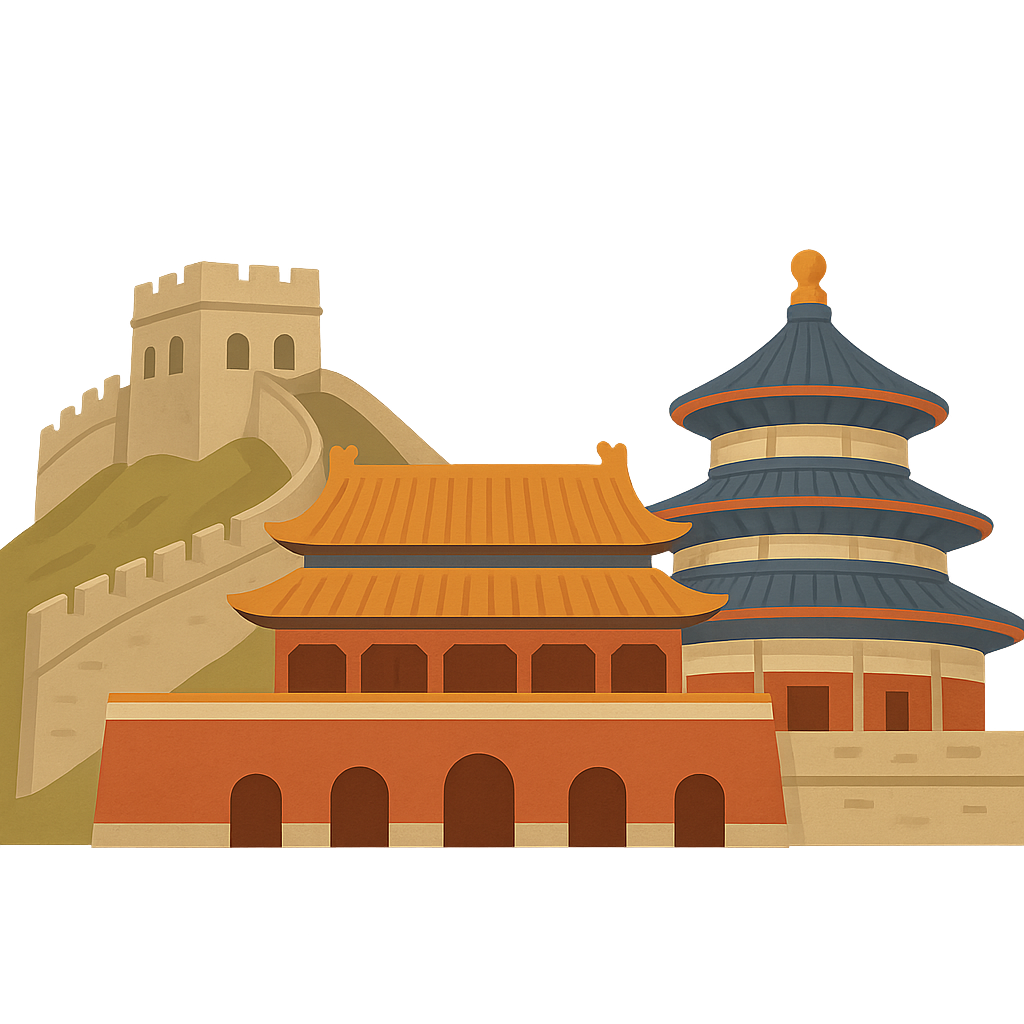
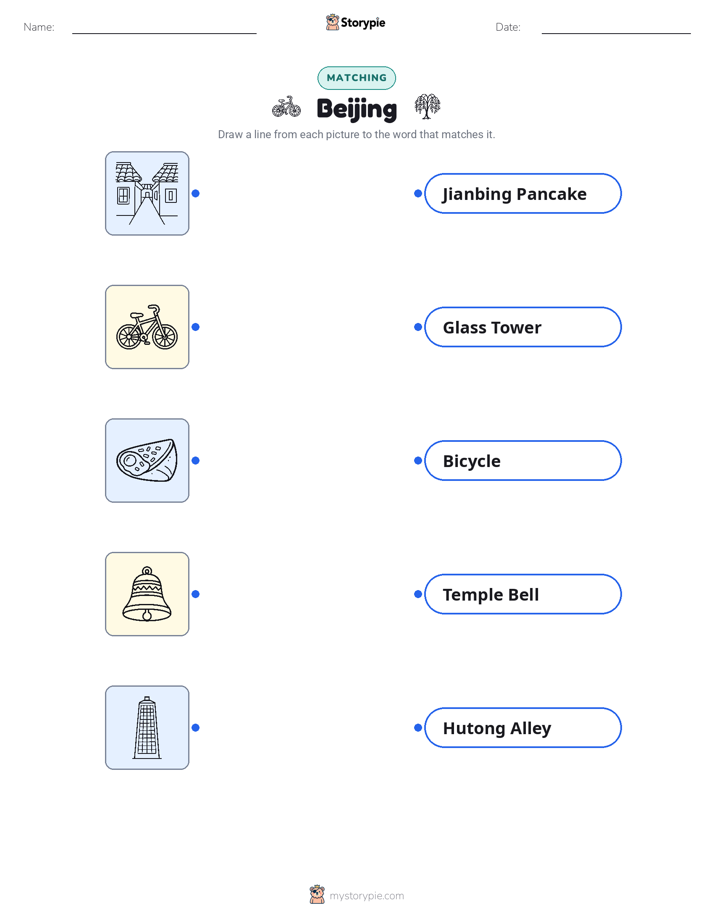
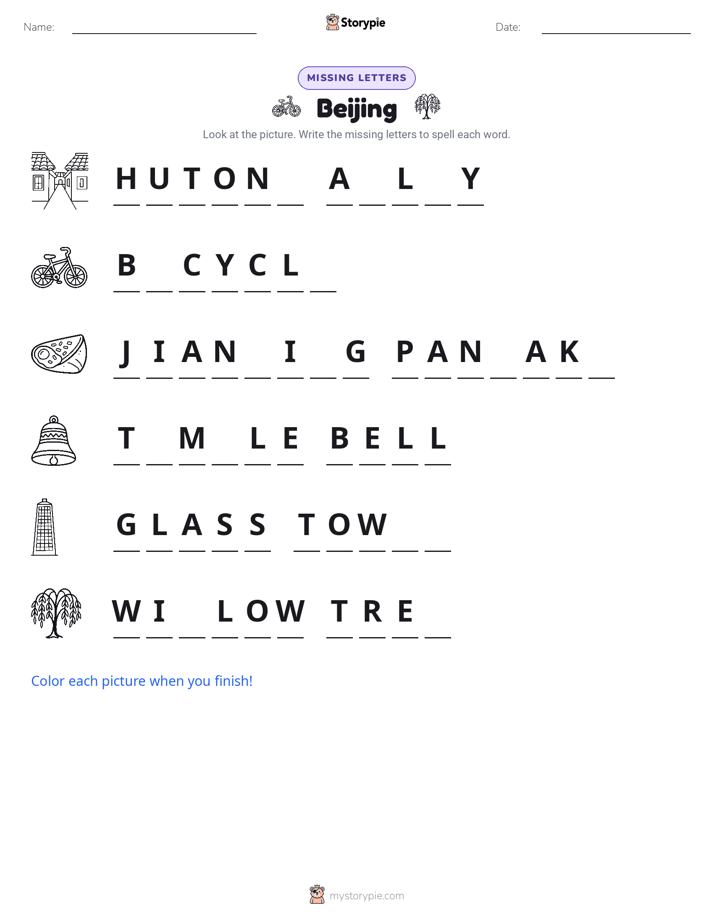
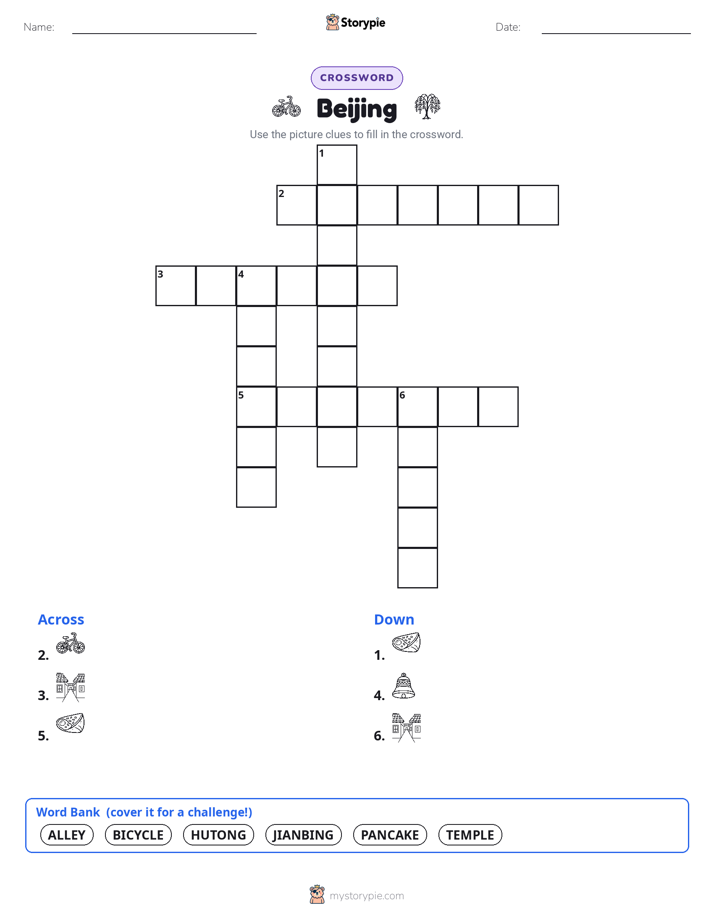
In the quiet morning, you can hear the soft rustle of leaves in a narrow alleyway, what we call a hutong, and the distant clatter of bicycles on cobblestones. The air fills with the savory scent of a jianbing pancake sizzling on a street cart, a smell that has greeted my residents for generations. Then, a sound from centuries ago—a deep, resonant bell from a hidden temple—cuts through the hum of modern traffic. Looking up, you see glittering glass towers that scrape the sky, their surfaces reflecting clouds that have drifted over this land for millennia. I have watched emperors build grand palaces and poets write timeless verses under the shade of my willow trees. I have felt the immense weight of history in my ancient soil and the boundless energy of the future in my bustling, neon-lit streets. My memory is long, stretching back through powerful dynasties that rose like the morning sun and faded like the evening mist. I hold the stories of warriors, scholars, artists, and emperors within my walls. I am a city of whispers and wonders, a place where the past is always present. I am Beijing, the heart of China.
My story begins long before my most famous names were ever spoken. More than 3,000 years ago, my earliest settlement was known as Ji, a strategic town that saw the rise and fall of many early kingdoms. But my journey to true greatness, to becoming a world city, began in the 13th century with a powerful and visionary ruler. His name was Kublai Khan, grandson of the formidable Genghis Khan, and he saw something special in my location and spirit. He dreamed of a magnificent capital for his vast Mongol Empire, a city that would be the undisputed center of his world. In the year 1272, he officially made me that capital and gave me a new name: Dadu, which means the 'Great Capital.' He didn't just move here; he reimagined me completely. His architects and planners designed me with incredible precision, laying out my streets in a perfect grid, like a giant chessboard stretching for miles. My avenues were wide and straight, perfectly aligned with the points of the compass. These streets bustled with merchants selling shimmering silks, fragrant spices, and precious jewels. Travelers from far-flung lands, like the famous Italian explorer Marco Polo, walked my streets in utter amazement. He later wrote about my immense wealth, my organized layout, and the vibrant life within my walls, telling tales that many back in Europe could hardly believe. In Dadu, I was a thriving crossroads of culture, a cosmopolitan hub where ideas, goods, and people from across Asia and beyond came together in a dazzling display of imperial power and prosperity.
The Story of Beijing: A City Through Time
In the quiet morning, you can hear the soft rustle of leaves in a narrow alleyway, what we call a hutong, and the distant clatter of bicycles on cobblestones. The air fills with the savory scent of a jianbing pancake sizzling on a street cart, a smell that has greeted my residents for generations. Then, a sound from centuries ago—a deep, resonant bell from a hidden temple—cuts through the hum of modern traffic. Looking up, you see glittering glass towers that scrape the sky, their surfaces reflecting clouds that have drifted over this land for millennia. I have watched emperors build grand palaces and poets write timeless verses under the shade of my willow trees. I have felt the immense weight of history in my ancient soil and the boundless energy of the future in my bustling, neon-lit streets. My memory is long, stretching back through powerful dynasties that rose like the morning sun and faded like the evening mist. I hold the stories of warriors, scholars, artists, and emperors within my walls. I am a city of whispers and wonders, a place where the past is always present. I am Beijing, the heart of China.
My story begins long before my most famous names were ever spoken. More than 3,000 years ago, my earliest settlement was known as Ji, a strategic town that saw the rise and fall of many early kingdoms. But my journey to true greatness, to becoming a world city, began in the 13th century with a powerful and visionary ruler. His name was Kublai Khan, grandson of the formidable Genghis Khan, and he saw something special in my location and spirit. He dreamed of a magnificent capital for his vast Mongol Empire, a city that would be the undisputed center of his world. In the year 1272, he officially made me that capital and gave me a new name: Dadu, which means the 'Great Capital.' He didn't just move here; he reimagined me completely. His architects and planners designed me with incredible precision, laying out my streets in a perfect grid, like a giant chessboard stretching for miles. My avenues were wide and straight, perfectly aligned with the points of the compass. These streets bustled with merchants selling shimmering silks, fragrant spices, and precious jewels. Travelers from far-flung lands, like the famous Italian explorer Marco Polo, walked my streets in utter amazement. He later wrote about my immense wealth, my organized layout, and the vibrant life within my walls, telling tales that many back in Europe could hardly believe. In Dadu, I was a thriving crossroads of culture, a cosmopolitan hub where ideas, goods, and people from across Asia and beyond came together in a dazzling display of imperial power and prosperity.
Generations passed, and the winds of change blew across the land. The Mongol-led Yuan Dynasty fell, and a new era, the Ming Dynasty, began. In the early 1400s, another ambitious and powerful ruler, the Yongle Emperor, decided that I should once again be the capital of all of China. He wanted to build a home for himself and the generations of emperors who would follow—a home so magnificent and private that it would inspire awe and command absolute respect. Around the year 1406, he launched the most incredible construction project I had ever witnessed. For fourteen long years, it is said that more than a million workers, including 100,000 skilled artisans, toiled to create a palace complex unlike any other in the world. They brought precious Phoebe zhennan wood all the way from the southern forests, carved enormous blocks of marble from quarries miles away, and fired millions of golden-yellow glazed roof tiles that shone like the sun itself. This new, breathtaking heart of my city was named the Forbidden City. It was called 'forbidden' because ordinary people were not allowed to enter its sacred grounds without special permission. It was a secret world, a city within a city, protected by a wide, deep moat and towering ten-meter-high red walls. For nearly 500 years, from its completion in 1420 until the last emperor left in 1924, I held this majestic, mysterious place at my center. It was the home of 24 emperors from the Ming and Qing dynasties, the seat of immense political power, and a sublime symbol of China's enduring imperial legacy.
My life has always been one of transformation. After the Ming Dynasty came the Qing, who ruled from 1644 until the early 20th century. I remained the imperial capital, the center of power, even as the world outside my walls was changing at a dizzying pace. The age of emperors, which had defined me for so long and shaped my very layout, eventually came to a dramatic end. The 20th century brought turmoil, conflict, and profound change for me and for all of China. The old imperial system was swept away, and the nation began searching for a new path forward into the modern world. A pivotal moment in my long history, a true turning point, arrived on a crisp autumn day that is now remembered by all. On October 1st, 1949, a leader named Mao Zedong stood atop the Tiananmen Gate, the Gate of Heavenly Peace, which has long guarded the grand entrance to the Forbidden City. Looking out over a vast square filled with hopeful citizens, he announced the founding of the People's Republic of China. In that powerful moment, my role was completely redefined. I was no longer the private domain of emperors, hidden behind forbidden walls. I became the capital for all the people of a new nation, a symbol of a new beginning, and the center of a government that promised a different future for hundreds of millions of people.
My story continues to unfold in the fast-paced 21st century. I have learned to embrace the future without letting go of my precious past. One of my proudest modern moments came on the spectacular evening of August 8th, 2008, when I welcomed the entire world to my doorstep. As I hosted the Summer Olympic Games, billions of people watched as athletes from every corner of the globe competed in stunning new arenas. A magnificent stadium, nicknamed the 'Bird's Nest' for its intricate steel design, rose not far from the ancient temples and palaces that have stood for centuries. This blend of old and new is who I am today. You can wander through a 700-year-old hutong alley in the morning and ride a sleek, high-speed train in the afternoon. I am a living storybook, where every stone, every wall, and every street corner has a tale to tell. My gates, once forbidden, are now wide open, inviting everyone to come and read my pages and add their own chapter to my continuing, ever-evolving story.
Wow facts
About
Beijing is the capital city of the People's Republic of China, with a history spanning over three millennia. It has served as an imperial capital for multiple dynasties and is renowned for its opulent palaces, temples, and modern architectural marvels.
Take a Quiz
Question 1 of 5
Which sentence best summarizes the main idea of the story?
Explore next



Want to do even more?
Go beyond exploring. Unlock tools that turn every story into real learning.

Storypie Plus for families
Full stories, quizzes, and printables. Nights and car rides, sorted.
- Unlimited audio stories
- Create Mode: your child stars in the story
- Offline downloads
- Printable worksheets & coloring pages

Why Storypie for Schools
Students engaged. Prep in seconds. Evenings back to you.
- Worksheets & Quizzes
- Classroom Management
- Formative Assessment
- Custom Curriculum & Lesson Plans
- 27 Languages

Why Storypie for Homeschool
Curriculum done. They'll ask for more. Hours back in your day.
- Worksheet Generator
- First-Person Audio Stories
- Built-in Comprehension Quizzes
- Custom Curriculum & Lesson Plans
- Print & Go Activities