English

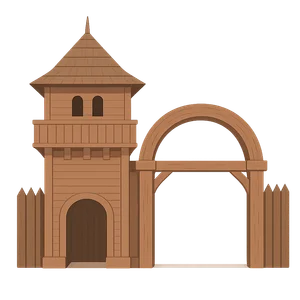
Białowieża Forest
One of the last and largest remaining parts of the primeval forest that once stretched across the European…
Reads at Grades 6–8 Listens at Grades 4–8
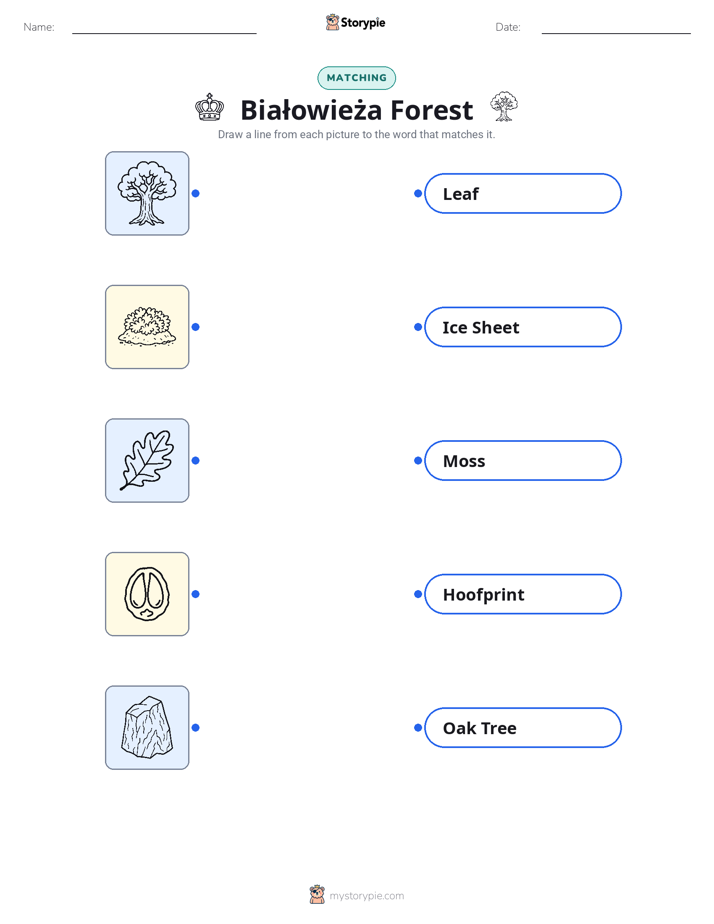
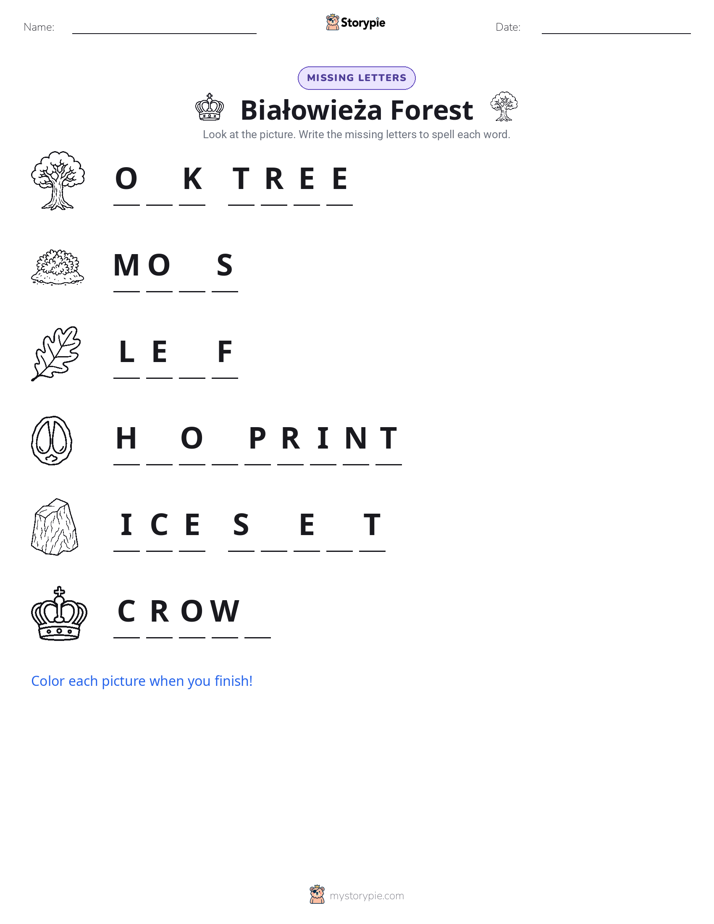
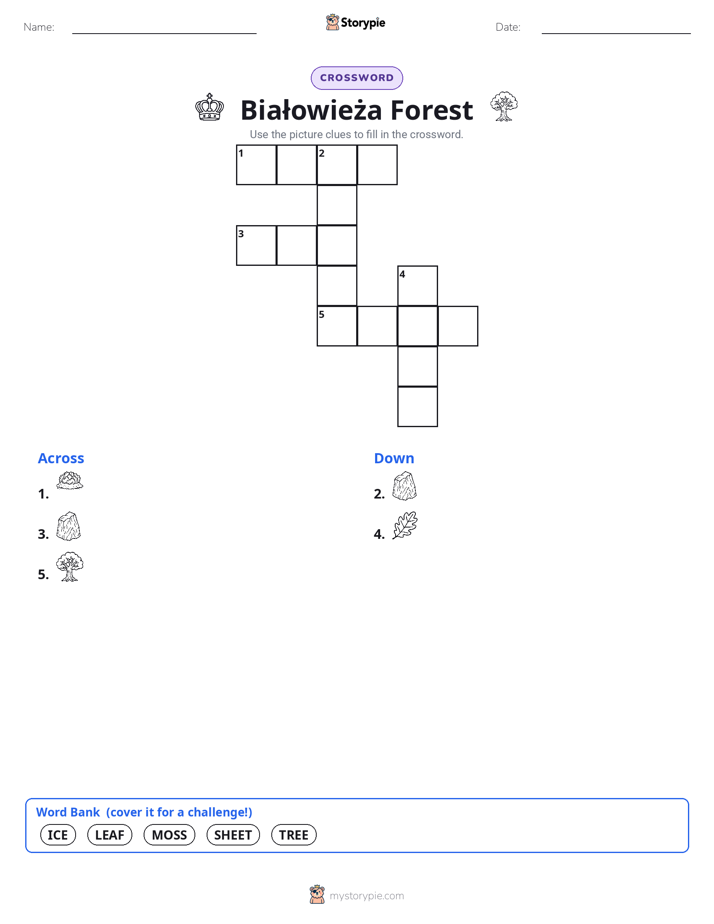
Print & create
Answer keys·No prep·Free with an account
28 worksheets · answer keys · full story · quiz · Ages 10-12 · CEFR B2
Plus adds 164,000+ more stories in 27 languages, audio for every one, and printables for all of them.
Just want Białowieża Forest?
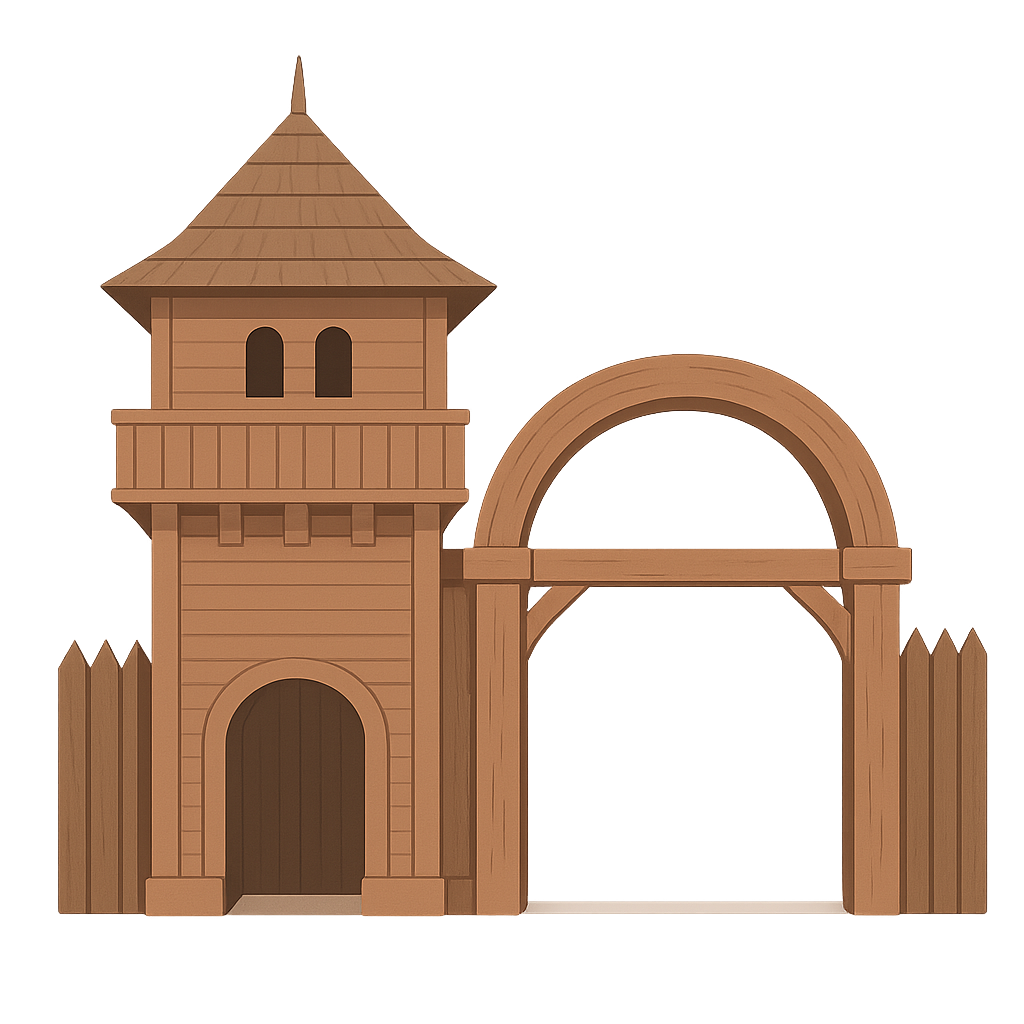
Listen. Can you hear the groan of my oldest oaks as they stretch their limbs toward the sky? Can you smell the rich, damp earth and the sweet scent of moss that carpets my floor? For thousands of years, I have been a vast, green kingdom, a place where time moves to the rhythm of seasons, not clocks. The rustle of leaves under the hooves of a deer is the only sound that breaks the quiet. I have watched empires rise and fall from beneath my canopy, a silent witness to history. I am the Białowieża Forest, the last whisper of the great primeval wildwood that once covered the continent of Europe.
My story begins long before human memory, after the great ice sheets retreated around 8000 BCE, leaving the land ready for new life. For centuries, my trees grew tall and my animals roamed freely. Then, in the 1400s, I caught the attention of powerful men. Polish kings, like Władysław II Jagiełło, saw me as a perfect royal hunting ground. This might sound strange, but their desire to hunt within my borders became my salvation. While other forests were cleared for farms and cities, I was protected. I became a sanctuary. It was during this time that my most famous resident, the magnificent European bison, or żubr, became a symbol of wild strength. These powerful creatures were so treasured that in 1538, King Sigismund I the Old issued a special decree. It declared that anyone who harmed a bison within my woods would face severe punishment. Even then, humans knew that some things were too precious to lose.
The Last Wildwood
Listen. Can you hear the groan of my oldest oaks as they stretch their limbs toward the sky? Can you smell the rich, damp earth and the sweet scent of moss that carpets my floor? For thousands of years, I have been a vast, green kingdom, a place where time moves to the rhythm of seasons, not clocks. The rustle of leaves under the hooves of a deer is the only sound that breaks the quiet. I have watched empires rise and fall from beneath my canopy, a silent witness to history. I am the Białowieża Forest, the last whisper of the great primeval wildwood that once covered the continent of Europe.
My story begins long before human memory, after the great ice sheets retreated around 8000 BCE, leaving the land ready for new life. For centuries, my trees grew tall and my animals roamed freely. Then, in the 1400s, I caught the attention of powerful men. Polish kings, like Władysław II Jagiełło, saw me as a perfect royal hunting ground. This might sound strange, but their desire to hunt within my borders became my salvation. While other forests were cleared for farms and cities, I was protected. I became a sanctuary. It was during this time that my most famous resident, the magnificent European bison, or żubr, became a symbol of wild strength. These powerful creatures were so treasured that in 1538, King Sigismund I the Old issued a special decree. It declared that anyone who harmed a bison within my woods would face severe punishment. Even then, humans knew that some things were too precious to lose.
My protected life continued for centuries, even as the world around me changed. In the late 1700s, the borders of kingdoms shifted, and I became part of the vast Russian Empire. The Russian Tsars, like the Polish kings before them, cherished me as their private hunting reserve. Their protection was formalized in 1888 when a large part of me was declared an official game reserve. But the dawn of the 20th century brought a darkness I had never known. During World War I, around 1915, the sounds of birdsong were replaced by the crash of falling trees as my ancient oaks were cut down to fuel the war. The soldiers and turmoil drove my animals deep into hiding. But the greatest sorrow was yet to come. The chaos of the war was too much for my beloved bison. The last wild żubr disappeared from my woods around 1921. For the first time in millennia, my glades were silent, empty of their thunderous hooves. I feared they were gone from the wild forever.
A deep quiet fell over me, a quiet of loss. But despair did not last. A new kind of human came to me—not with axes or rifles, but with notebooks and a deep desire to heal. These scientists and conservationists saw my wounds and believed they could be mended. Their dedication led to a great moment of hope: on August 11th, 1932, a core part of me was officially declared a national park in Poland. This was a promise of protection for the future. And then came the most wonderful news of all. In 1929, a careful plan began to bring my bison back. A few żubr that had been living in zoos were brought to special enclosures within my woods. It was a slow and delicate process, but by the 1950s, a small herd was released and once again roamed free. After World War II, a new border was drawn right through my heart, dividing me between Poland and Belarus. But this did not divide the mission to protect me; both countries understood my value and continued to care for their parts of my ancient soul.
My story of survival and rebirth has echoed around the globe. In 1979, the world recognized my unique importance, and I was named a UNESCO World Heritage Site, a treasure belonging to all of humanity. This special status was expanded on December 5th, 1992, to include the Belarusian side, making me a single, transboundary treasure. Today, I am more than just a forest; I am a living laboratory. Scientists come from all over to study my complex ecosystem, which has remained largely untouched for centuries. I am a thriving home to wolves, lynx, red deer, and hundreds of species of rare birds. My fallen logs give life to thousands of types of fungi and insects. I stand as a living link to Europe's ancient past, a symbol of nature's powerful resilience. I am proof that even when something seems lost forever, human care, cooperation, and a little bit of hope can bring it back to life.
Wow facts
About
One of the last and largest remaining parts of the primeval forest that once stretched across the European Plain, it is a UNESCO World Heritage Site and home to the world's largest population of European bison.
Take a Quiz
Question 1 of 5
The story says the forest is a symbol of nature's 'resilience.' Based on the events in the story, what does 'resilience' mean?
Explore next



Want to do even more?
Go beyond exploring. Unlock tools that turn every story into real learning.

Storypie Plus for families
Full stories, quizzes, and printables. Nights and car rides, sorted.
- Unlimited audio stories
- Create Mode: your child stars in the story
- Offline downloads
- Printable worksheets & coloring pages

Why Storypie for Schools
Students engaged. Prep in seconds. Evenings back to you.
- Worksheets & Quizzes
- Classroom Management
- Formative Assessment
- Custom Curriculum & Lesson Plans
- 27 Languages

Why Storypie for Homeschool
Curriculum done. They'll ask for more. Hours back in your day.
- Worksheet Generator
- First-Person Audio Stories
- Built-in Comprehension Quizzes
- Custom Curriculum & Lesson Plans
- Print & Go Activities