English

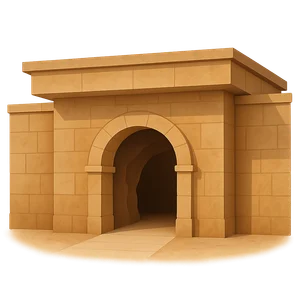
Cave of Altamira
A prehistoric cave in Cantabria, Spain…
Reads at Grades 6–8 Listens at Grades 4–8
Print & create
Answer keys·No prep·Free with an account
28 worksheets · answer keys · full story · quiz · Ages 10-12 · CEFR B2
Plus adds 164,000+ more stories in 27 languages, audio for every one, and printables for all of them.
Just want Cave of Altamira?
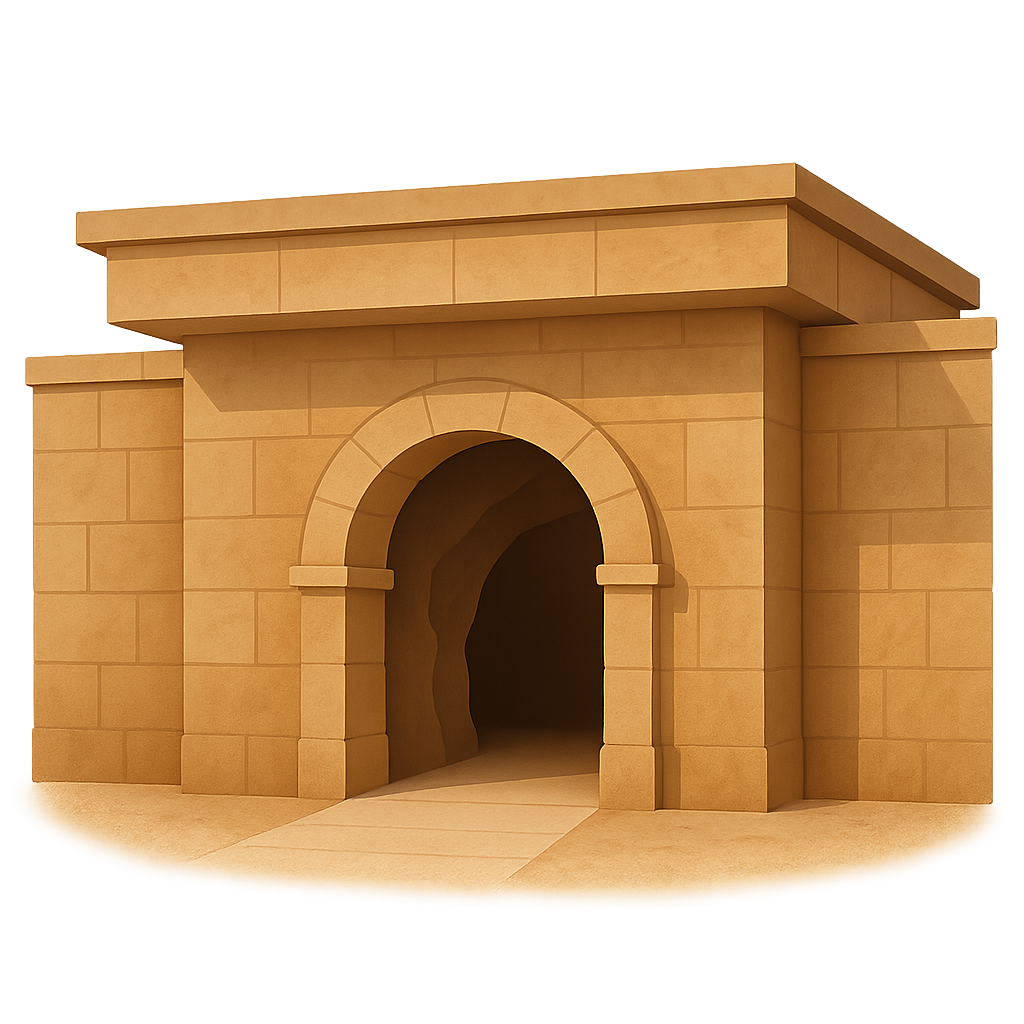
For millennia, I have been a pocket of perfect silence, tucked away in the green, rolling hills of Cantabria in northern Spain. Inside my stone walls, the air is always cool and still, and the only sound is the gentle, patient echo of water dripping from stone to stone, a clock that has been ticking for thousands of years. I am a place of deep, silent darkness, a hidden gallery where secrets sleep. But my secrets are not written in books; they are painted on my skin. Across my ceilings and down my walls, a great, silent herd of animals waits in shadow and earth, a timeless masterpiece held in the heart of a mountain, waiting for a flicker of light to dance again. I am the Cave of Altamira.
My story begins in a much colder world, during the Upper Paleolithic period. Outside my entrance, the land was a vast, windswept steppe where woolly mammoths and giant deer roamed under a chilly sky. I was a sanctuary, a safe and steady shelter for early human families who sought refuge from the biting winds of the Ice Age. It was then, around 36,000 years ago, that my first artists arrived. They didn't have canvases or brushes, but they had a deep need to make their mark. Using the rich, red pigment from ochre clay and the black from charcoal, they pressed their hands against my cool walls, blowing the powder around them to leave a perfect outline. They drew symbols and lines, simple shapes that held deep meaning. This was more than decoration. It was a message sent across time, a powerful and clear whisper from the past saying, “We were here. This was our world. This was our home.”
The Cave of Whispering Bison
For millennia, I have been a pocket of perfect silence, tucked away in the green, rolling hills of Cantabria in northern Spain. Inside my stone walls, the air is always cool and still, and the only sound is the gentle, patient echo of water dripping from stone to stone, a clock that has been ticking for thousands of years. I am a place of deep, silent darkness, a hidden gallery where secrets sleep. But my secrets are not written in books; they are painted on my skin. Across my ceilings and down my walls, a great, silent herd of animals waits in shadow and earth, a timeless masterpiece held in the heart of a mountain, waiting for a flicker of light to dance again. I am the Cave of Altamira.
My story begins in a much colder world, during the Upper Paleolithic period. Outside my entrance, the land was a vast, windswept steppe where woolly mammoths and giant deer roamed under a chilly sky. I was a sanctuary, a safe and steady shelter for early human families who sought refuge from the biting winds of the Ice Age. It was then, around 36,000 years ago, that my first artists arrived. They didn't have canvases or brushes, but they had a deep need to make their mark. Using the rich, red pigment from ochre clay and the black from charcoal, they pressed their hands against my cool walls, blowing the powder around them to leave a perfect outline. They drew symbols and lines, simple shapes that held deep meaning. This was more than decoration. It was a message sent across time, a powerful and clear whisper from the past saying, “We were here. This was our world. This was our home.”
Many thousands of years passed. Then, during a time archaeologists call the Magdalenian era, about 14,500 years ago, a new generation of artists made me their canvas. Their skill was breathtaking. They were not just painters; they were sculptors of shadow and light. They saw that my ceiling was not flat, but a landscape of natural bumps, curves, and hollows. They used these bulges in the rock to give their paintings a stunning, three-dimensional life. A bison’s shoulder would be painted over a swelling in the stone, making its muscles seem to ripple. Their process was ingenious. They ground minerals like ochre and manganese to create a palette of reds, yellows, and blacks. They mixed these pigments with water or animal fat, then used tools made of fur, twigs, or feathers to apply the paint. Sometimes, they would fill a hollowed-out bone or reed with pigment and blow it onto my surface, creating soft, shaded edges. The result was a masterpiece. Herds of bison, graceful deer, and wild horses gallop and tumble across my ceiling, so full of energy they seem to be in constant motion. They are not just pictures of animals; they are the spirit of the hunt, the power of nature, captured forever in stone.
My artists eventually moved on, following the herds and the changing seasons. Then, about 13,000 years ago, the earth itself decided my gallery was complete. A powerful rockfall shook my entrance, and tons of stone and soil tumbled down, sealing me off from the outside world completely. It was not a violent end, but a gentle preservation. I fell into a long and silent sleep. For more than twelve thousand years, I kept my treasures safe. The darkness was absolute, and the temperature and humidity inside me remained perfectly constant. This stable environment protected the delicate pigments from fading, washing away, or being covered by dust. My paintings waited patiently in their timeless slumber, a secret kept perfectly in the dark, waiting for the day someone would find the way back inside.
That day finally came in the 19th century. In the year 1868, a local hunter named Modesto Cubillas was searching for his dog when he stumbled upon the fallen rocks that hid my entrance. He cleared some away, revealing the dark opening, but didn't venture far inside. The land belonged to an amateur archaeologist and nobleman named Marcelino Sanz de Sautuola. Intrigued, he began excavating near my entrance. Then, in 1879, he brought his curious eight-year-old daughter, María, along with him. While her father was busy digging near the entrance and studying the floor for artifacts, María, being small, wandered deeper inside with a lantern. She looked up at the low ceiling and saw something astonishing. She became the first human in millennia to witness my masterpiece. Running to her father, she cried out the famous words, “¡Mira, Papá, bueyes!” which means, “Look, Papa, oxen!”. Marcelino was overjoyed, but his excitement turned to disappointment. When he presented his discovery, the leading experts of the day accused him of fraud. They could not believe that “primitive” prehistoric people were capable of creating such magnificent, lifelike art. They thought the paintings were far too brilliant to be ancient.
For years, Marcelino’s discovery was dismissed. He sadly passed away without ever receiving the recognition he deserved. But the truth could not stay hidden forever. As other caves with similar prehistoric art were discovered in France, the scientific community began to reconsider. The turning point came in 1902, when one of the most vocal skeptics, the French archaeologist Émile Cartailhac, publicly admitted his mistake in an article titled “Mea culpa d'un sceptique”—a skeptic’s apology. I was finally recognized as a genuine treasure of prehistoric art, the “Sistine Chapel of Paleolithic Art.” I became famous, and visitors from all over the world came to see my wonders. But this popularity came at a price. The carbon dioxide from their breath and the changes in humidity began to damage my delicate paintings. To protect me, a difficult decision was made. In 2001, an incredible, exact replica of my main hall was opened in a museum nearby, allowing everyone to experience my magic without harming the original. My paintings are a bridge to our most ancient ancestors, a beautiful reminder that the human desire to create, to tell stories, and to leave a mark on the world is a timeless part of who we are.
Wow facts
About
A prehistoric cave in Cantabria, Spain, renowned for its extensive and well-preserved Upper Paleolithic cave paintings of animals and human hands. However, access to the cave is highly restricted to protect the artwork from damage.
Take a Quiz
Question 1 of 5
Which statement best summarizes the main idea of the story of the Cave of Altamira?
Explore next




Want to do even more?
Go beyond exploring. Unlock tools that turn every story into real learning.

Storypie Plus for families
Full stories, quizzes, and printables. Nights and car rides, sorted.
- Unlimited audio stories
- Create Mode: your child stars in the story
- Offline downloads
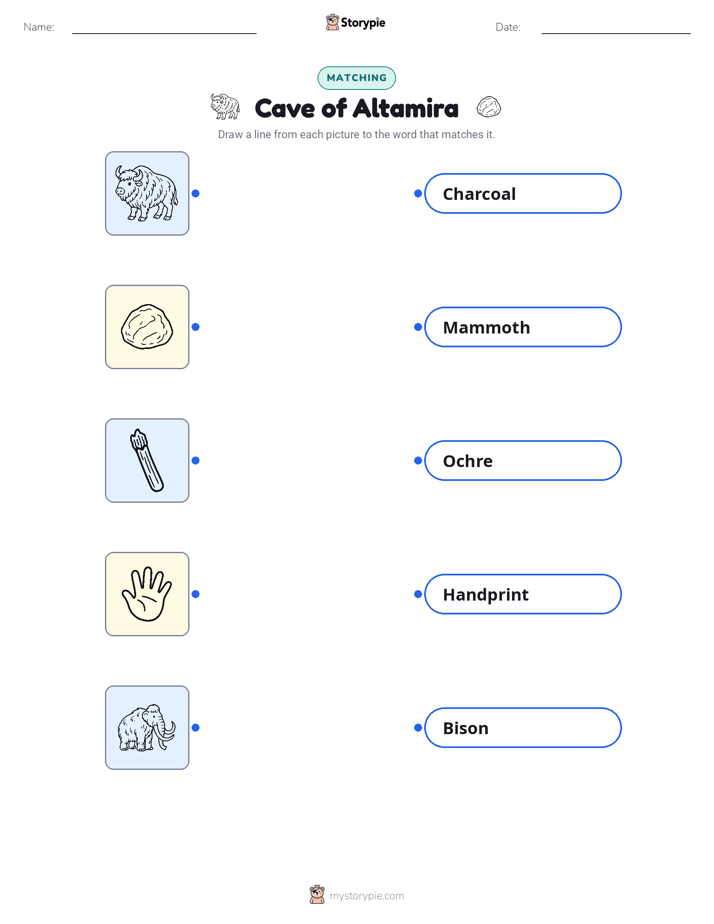
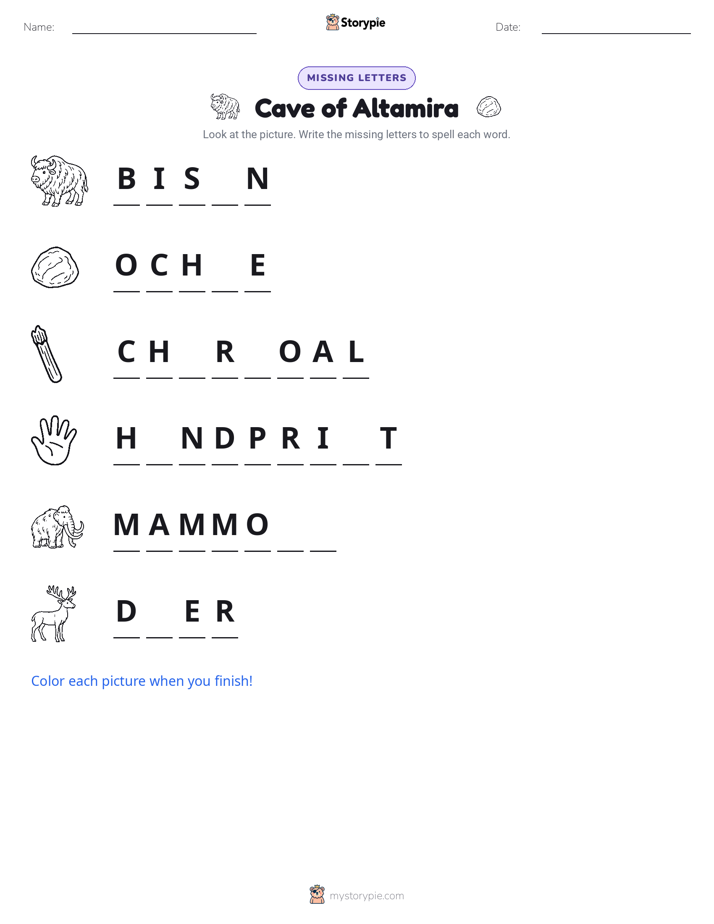
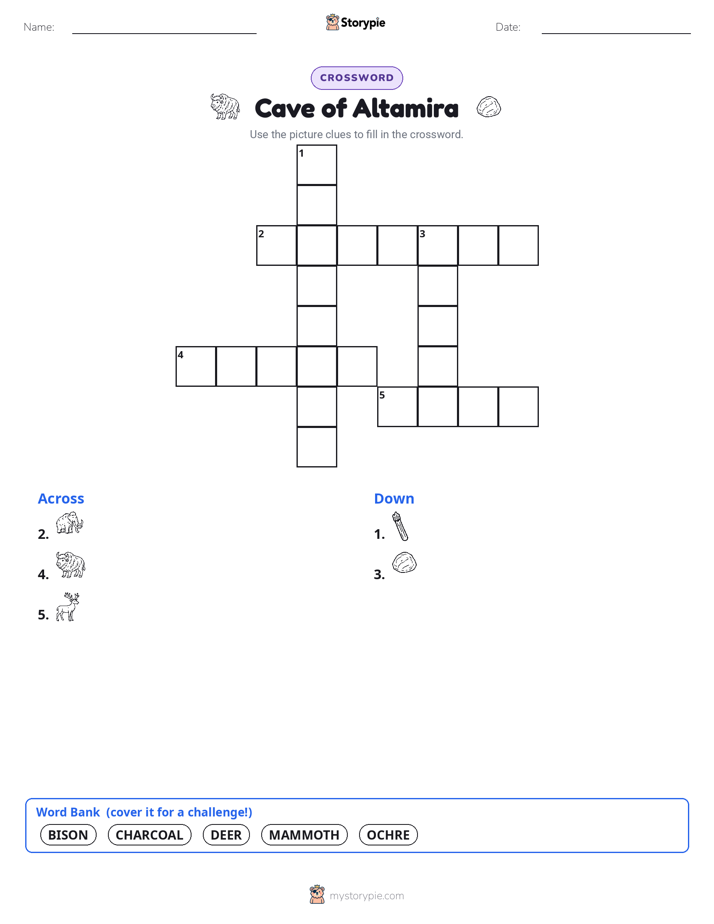
- Printable worksheets & coloring pages

Why Storypie for Schools
Students engaged. Prep in seconds. Evenings back to you.
- Worksheets & Quizzes
- Classroom Management
- Formative Assessment
- Custom Curriculum & Lesson Plans
- 27 Languages

Why Storypie for Homeschool
Curriculum done. They'll ask for more. Hours back in your day.
- Worksheet Generator
- First-Person Audio Stories
- Built-in Comprehension Quizzes
- Custom Curriculum & Lesson Plans
- Print & Go Activities