English

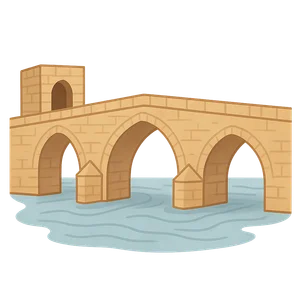
Euphrates River
The longest river in Western Asia, the Euphrates, along with the Tigris, defined the region of Mesopotamia…
Reads at Grades 3–5 Listens at Grades 1–5
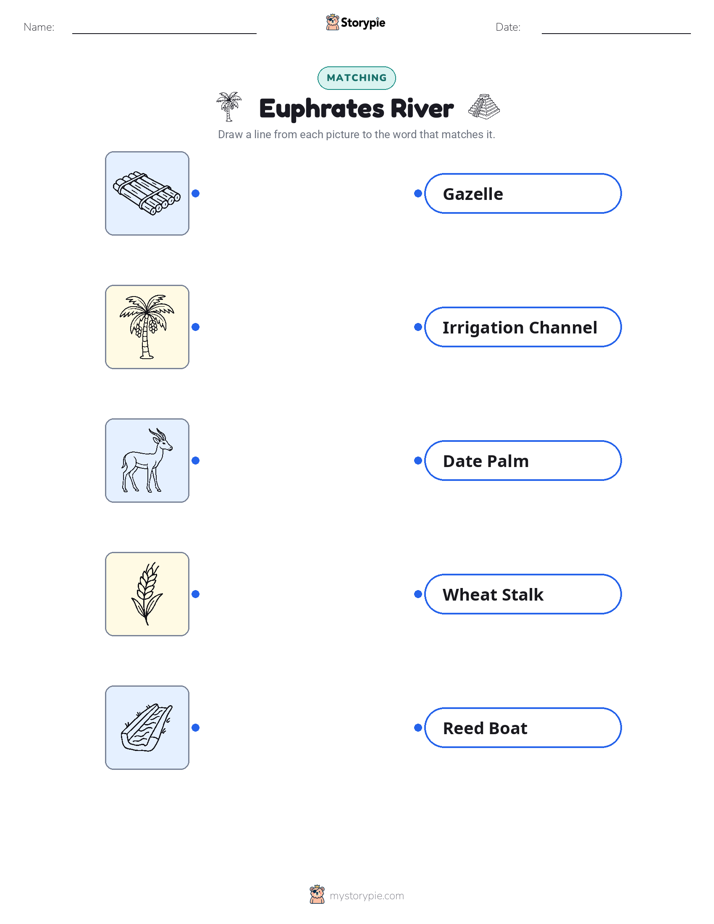
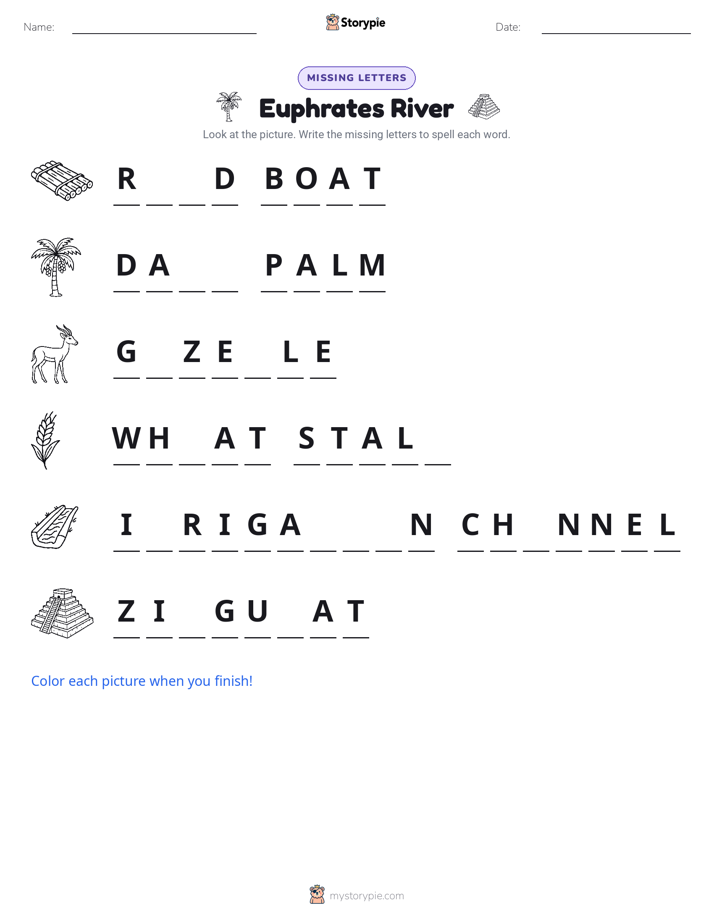
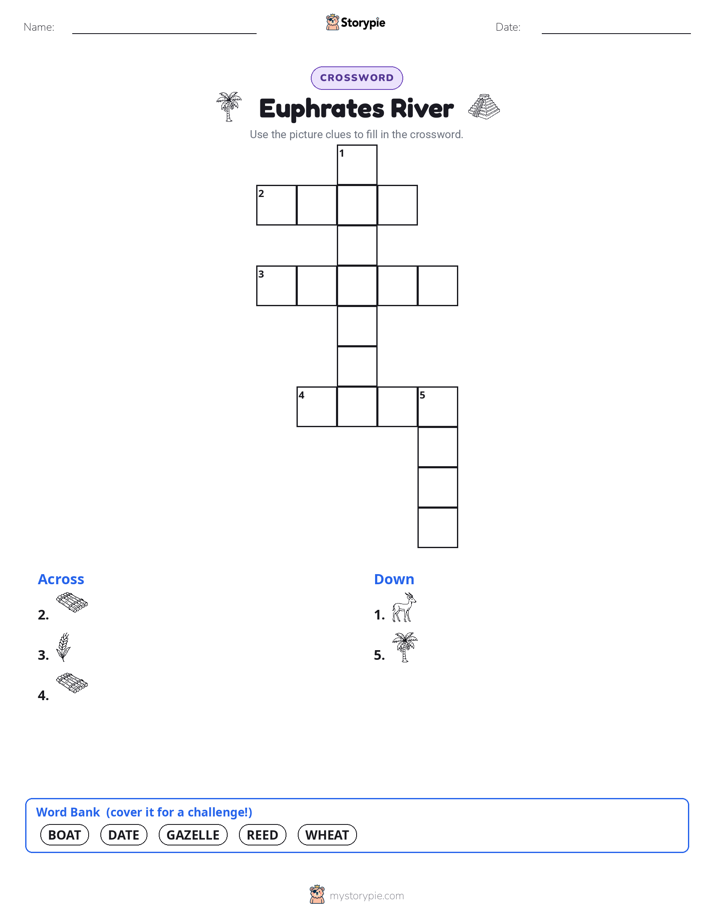
Print & create
Answer keys·No prep·Free with an account
28 worksheets · answer keys · full story · quiz · Ages 8-10 · CEFR B1
Plus adds 102,000+ more stories in 27 languages, audio for every one, and printables for all of them.
Just want Euphrates River?
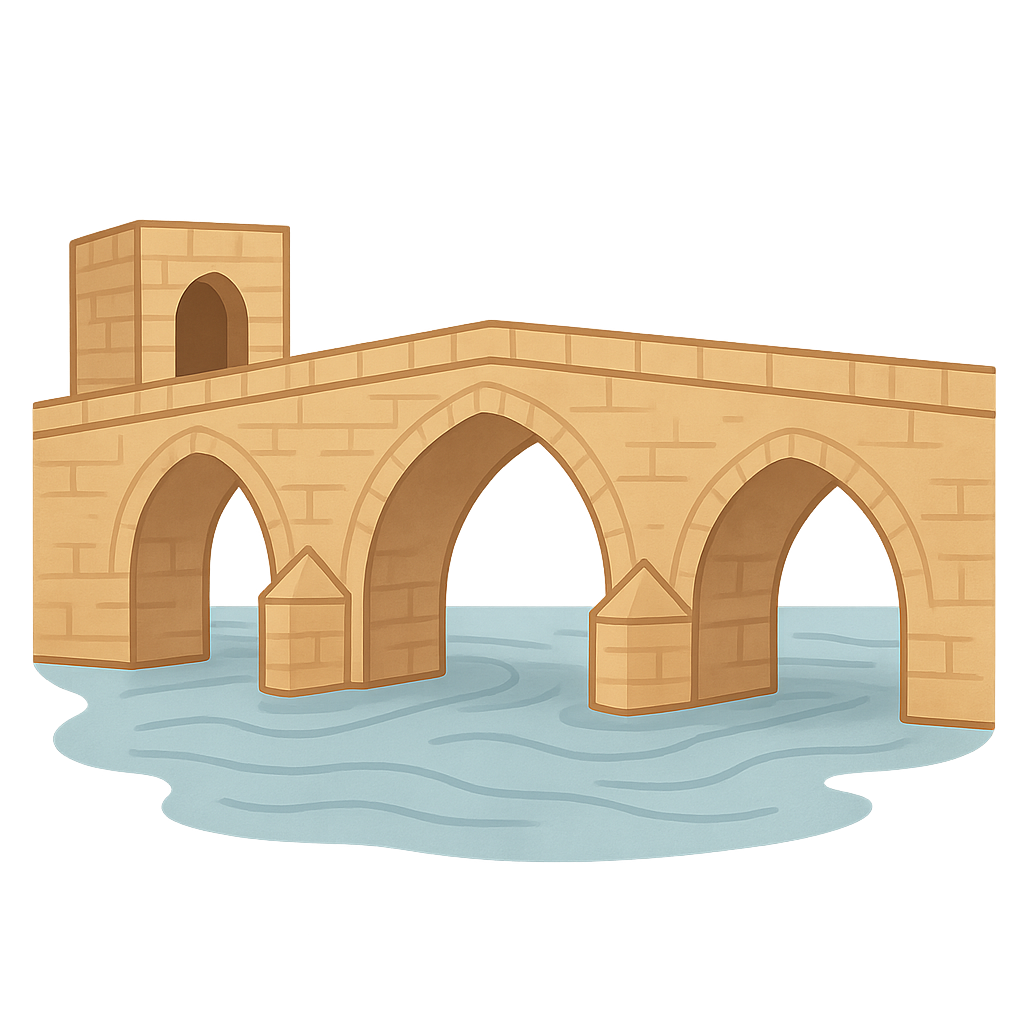
I begin as a whisper, a trickle of melting snow high in the mountains of a country called Turkey. I gather strength, growing from a small stream into a powerful river, carving my way through rocky canyons and across wide, sun-baked plains. The land around me can be very dry, but I bring life wherever I go. On my long journey south, I meet my twin river, the Tigris. Together, we flow side-by-side, creating a special, fertile crescent of land between us. This land was called Mesopotamia, which means “the land between the rivers.” People have depended on me for thousands of years, and I have watched civilizations rise and fall along my banks. I am the Euphrates River.
For a very long time, my waters flowed through the quiet desert. But then, people discovered my life-giving power. Around 4500 BCE, a clever group of people called the Sumerians realized that my water could turn the dry dust into rich farmland. They faced a big problem: how to get my water to fields that were far away. They solved it by inventing irrigation. They dug a network of canals, like tiny rivers branching off from me, to carry my water to their crops. Because of this, they could grow more than enough food. This allowed them to build the world's first cities, magnificent places made of mud bricks, like Uruk and Ur. Around 3500 BCE, they scooped the soft clay from my banks and used it for another amazing invention. They pressed reeds into the wet clay to make wedge-shaped marks, creating the first form of writing, called cuneiform. I didn't just give them water; I gave them the very pages for their first stories and records.
The River of Stories
I begin as a whisper, a trickle of melting snow high in the mountains of a country called Turkey. I gather strength, growing from a small stream into a powerful river, carving my way through rocky canyons and across wide, sun-baked plains. The land around me can be very dry, but I bring life wherever I go. On my long journey south, I meet my twin river, the Tigris. Together, we flow side-by-side, creating a special, fertile crescent of land between us. This land was called Mesopotamia, which means “the land between the rivers.” People have depended on me for thousands of years, and I have watched civilizations rise and fall along my banks. I am the Euphrates River.
For a very long time, my waters flowed through the quiet desert. But then, people discovered my life-giving power. Around 4500 BCE, a clever group of people called the Sumerians realized that my water could turn the dry dust into rich farmland. They faced a big problem: how to get my water to fields that were far away. They solved it by inventing irrigation. They dug a network of canals, like tiny rivers branching off from me, to carry my water to their crops. Because of this, they could grow more than enough food. This allowed them to build the world's first cities, magnificent places made of mud bricks, like Uruk and Ur. Around 3500 BCE, they scooped the soft clay from my banks and used it for another amazing invention. They pressed reeds into the wet clay to make wedge-shaped marks, creating the first form of writing, called cuneiform. I didn't just give them water; I gave them the very pages for their first stories and records.
As time flowed on, my banks became a stage for great kings and mighty empires. Around the 19th century BCE, the incredible city of Babylon rose beside me, its towers reaching for the sky. One of its most famous rulers, King Hammurabi, created one of the world's first complete sets of laws for his people around 1754 BCE, ensuring fairness and order. Centuries later, during the 6th century BCE, Babylon became the wonder of the ancient world under another powerful king, Nebuchadnezzar II. He built enormous city walls and a famous, beautiful blue gate called the Ishtar Gate. Legends also tell of the Hanging Gardens of Babylon, a mountain of lush green plants and colorful flowers that he built for his queen. And how did this garden survive in the desert? It was my water, lifted high into the air by clever machines, that nourished its roots. I have watched empires like the Akkadians, Babylonians, and Assyrians grow strong and then fade away, their stories sinking into the mud of my banks.
My journey isn't over; it continues to this day. I still flow for nearly 1,740 miles through the modern countries of Turkey, Syria, and Iraq, providing precious water for farms, towns, and big cities. People have built giant dams across my body, harnessing my power to create electricity that lights up homes and schools. My water still helps farmers grow dates, wheat, and vegetables that feed millions. I am a bridge to the past, reminding everyone of the amazing civilizations that grew beside me. My currents carry the whispers of Sumerian scribes and Babylonian kings. I am a living piece of history, and I continue to flow, nourishing the land and inspiring new generations to build, create, and dream just as people did so long ago.
Wow facts
About
The longest river in Western Asia, the Euphrates, along with the Tigris, defined the region of Mesopotamia, the cradle of some of the world's earliest civilizations like Sumer and Babylon.
Take a Quiz
Question 1 of 5
What problem did the Sumerians have, and how did they use the river to solve it?
Explore next



Want to do even more?
Go beyond exploring. Unlock tools that turn every story into real learning.

Storypie Plus for families
Full stories, quizzes, and printables. Nights and car rides, sorted.
- Unlimited audio stories
- Create Mode: your child stars in the story
- Offline downloads
- Printable worksheets & coloring pages

Why Storypie for Schools
Students engaged. Prep in seconds. Evenings back to you.
- Worksheets & Quizzes
- Classroom Management
- Formative Assessment
- Custom Curriculum & Lesson Plans
- 27 Languages

Why Storypie for Homeschool
Curriculum done. They'll ask for more. Hours back in your day.
- Worksheet Generator
- First-Person Audio Stories
- Built-in Comprehension Quizzes
- Custom Curriculum & Lesson Plans
- Print & Go Activities