English

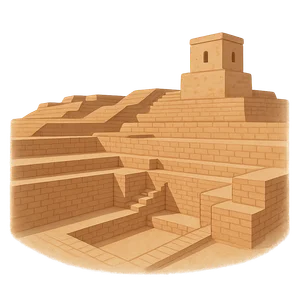
Harappa
Harappa is a major archaeological site in Punjab, Pakistan…
Reads at Grades 3–5 Listens at Grades 1–5
Print & create
Answer keys·No prep·Free with an account
28 worksheets · answer keys · full story · quiz · Ages 8-10 · CEFR B1
Plus adds 208,000+ more stories in 27 languages, audio for every one, and printables for all of them.
Just want Harappa?
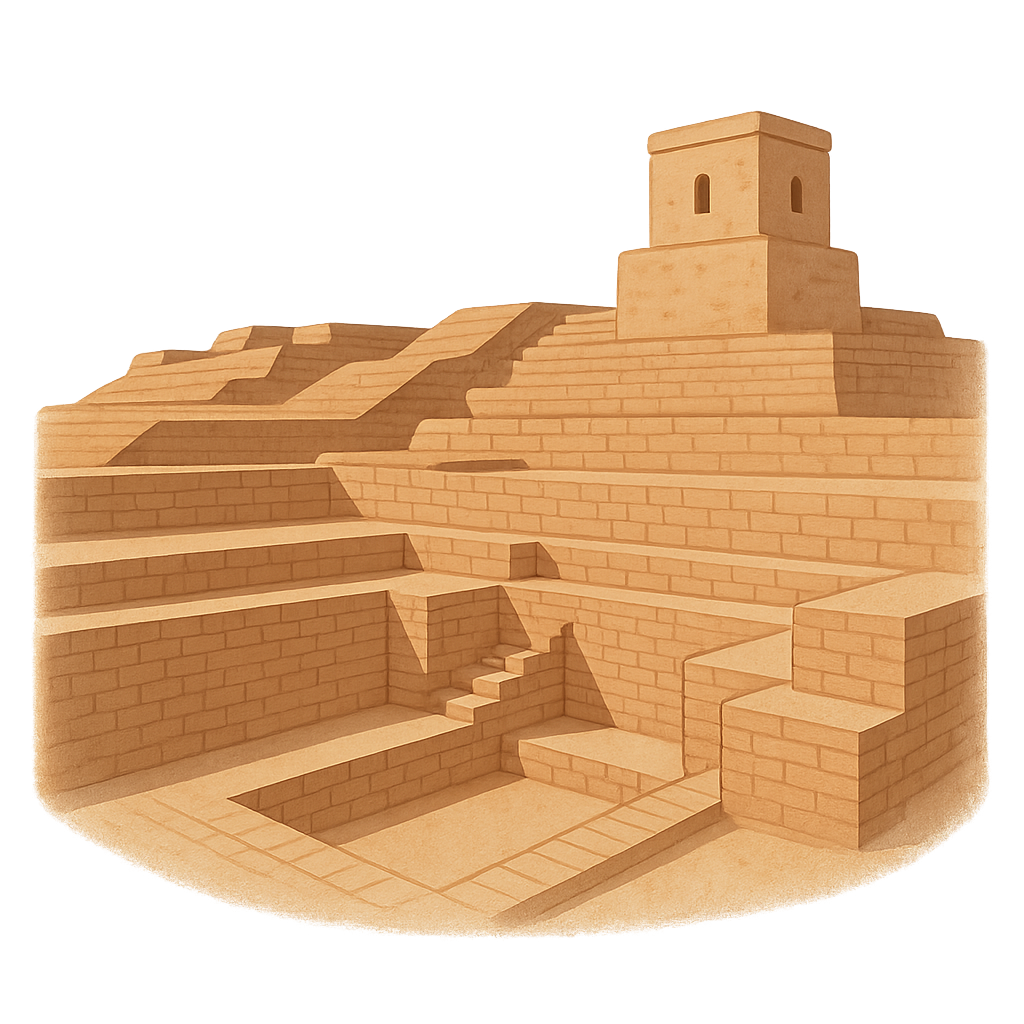
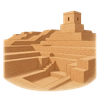
For thousands of years, I have felt the sun warm the earth above me. I sleep beneath the dusty plains of modern-day Punjab, in a country called Pakistan. I remember the sound of a great river that once flowed nearby, nourishing the land. Deep down, I hold the memories of a life that was once so busy and full. I can still feel the shape of my orderly streets, laid out like a perfect grid. My walls, made from strong, baked bricks, have been sleeping for a very long time, dreaming of the people who once walked through my gates. I have waited patiently for someone to find me and listen to my tale. My voice is a whisper from the dust, a story of a brilliant past. I am Harappa, one of the first great cities in the world.
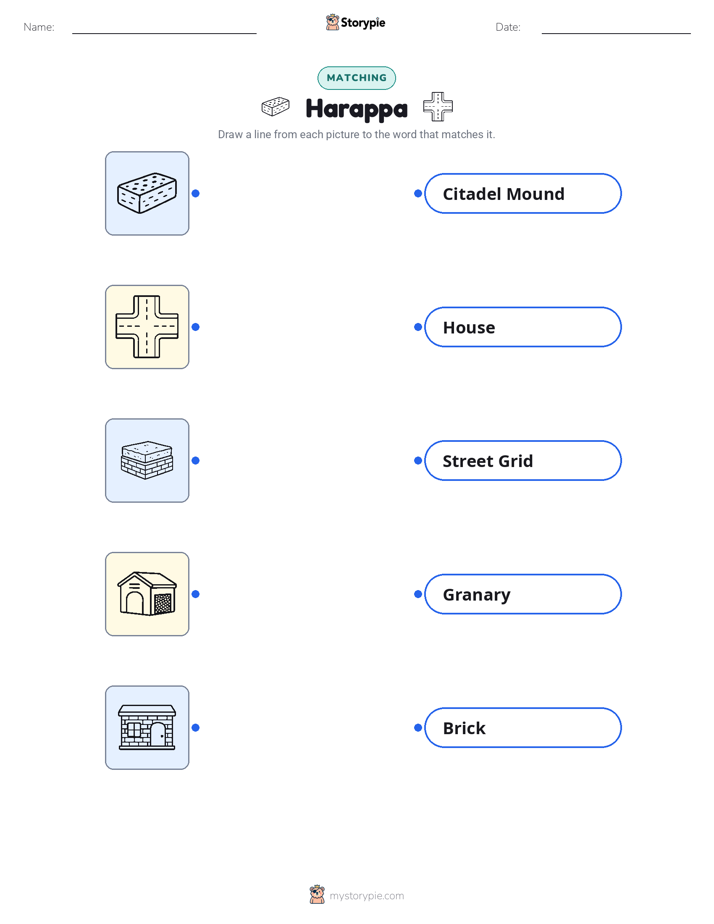
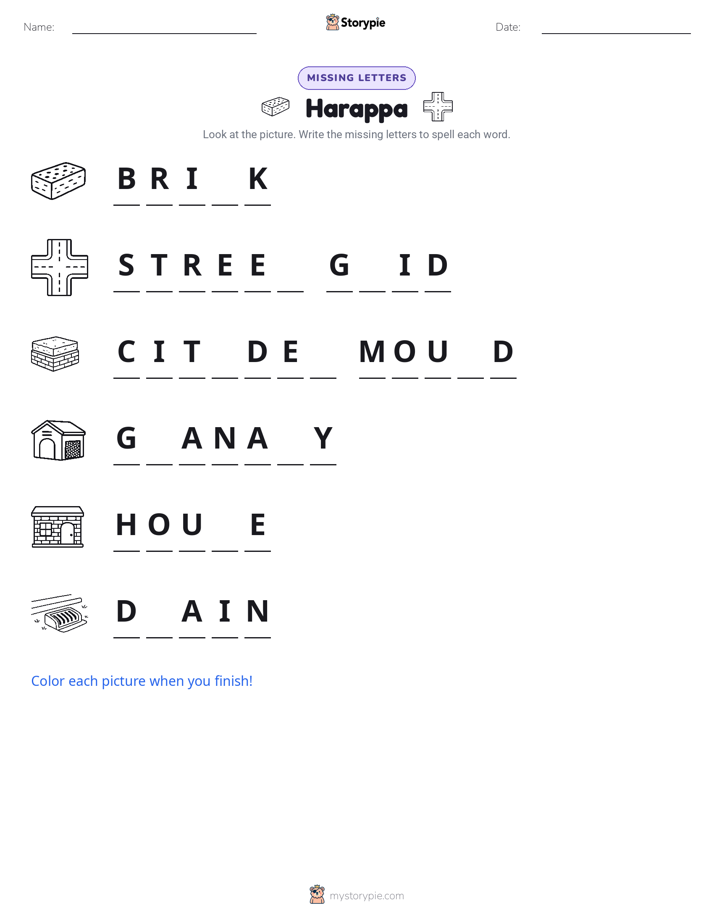
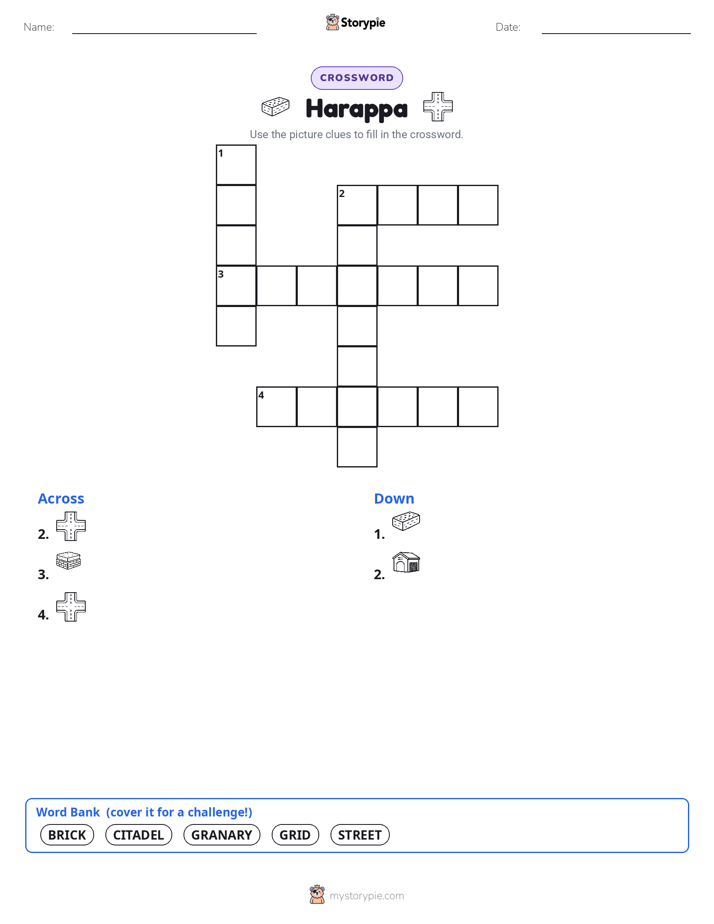
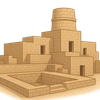
I was born into a busy world around 2600 BCE. The people who built me were clever and organized, and historians now call them the Harappans. They were amazing engineers. Instead of just using any old rock or mud clump, they created standardized baked bricks. This meant almost every brick was the exact same size, making my walls strong and straight. They didn't just build houses anywhere they pleased. They planned my whole layout carefully, with wide main streets and smaller lanes that crossed at perfect right angles. One of their most brilliant ideas was my drainage system. Covered drains ran alongside the streets, carrying dirty water away from homes to keep everything clean and healthy. My city had two main parts. There was a high, raised area called the citadel, where important public buildings and granaries stood to store food. Below it was the lower town, where most of the people lived and worked in their neat brick houses.
The Whispering City of Bricks
For thousands of years, I have felt the sun warm the earth above me. I sleep beneath the dusty plains of modern-day Punjab, in a country called Pakistan. I remember the sound of a great river that once flowed nearby, nourishing the land. Deep down, I hold the memories of a life that was once so busy and full. I can still feel the shape of my orderly streets, laid out like a perfect grid. My walls, made from strong, baked bricks, have been sleeping for a very long time, dreaming of the people who once walked through my gates. I have waited patiently for someone to find me and listen to my tale. My voice is a whisper from the dust, a story of a brilliant past. I am Harappa, one of the first great cities in the world.
I was born into a busy world around 2600 BCE. The people who built me were clever and organized, and historians now call them the Harappans. They were amazing engineers. Instead of just using any old rock or mud clump, they created standardized baked bricks. This meant almost every brick was the exact same size, making my walls strong and straight. They didn't just build houses anywhere they pleased. They planned my whole layout carefully, with wide main streets and smaller lanes that crossed at perfect right angles. One of their most brilliant ideas was my drainage system. Covered drains ran alongside the streets, carrying dirty water away from homes to keep everything clean and healthy. My city had two main parts. There was a high, raised area called the citadel, where important public buildings and granaries stood to store food. Below it was the lower town, where most of the people lived and worked in their neat brick houses.
For more than 700 years, I was humming with life. If you could have walked my streets back then, you would have heard the tap-tap-tap of artisans in their workshops and the chatter of merchants in the bustling marketplace. My people were incredibly skilled. Potters shaped beautiful clay pots on their wheels, painting them with intricate designs. Jewelers crafted stunning necklaces and bracelets from carnelian beads and other precious materials. Metalsmiths worked with bronze to create sharp tools and elegant statues. But my most famous treasures are my stone seals. These were small, square stones carefully carved with images of animals, like powerful bulls, rhinos, and even a mythical unicorn. Above the animals were symbols from a mysterious script, a form of writing that, even today, no one has been able to read. These seals weren't just for decoration. A merchant would press his seal into a piece of clay on a bundle of goods to show it was his, like a signature or a company logo.
But nothing lasts forever. Around 1900 BCE, things began to change. The great river may have shifted its course, or the climate may have become drier, making it harder to grow crops. For reasons we are still exploring, people slowly began to move away. The lively sounds of my streets faded into silence. Wind and dust buried my brick walls, and I fell into a long, deep sleep. For thousands of years, my story was forgotten. Then, one day, a new morning began. In 1826, an English explorer named Charles Masson noticed my high mounds of earth and ancient bricks, but he didn't realize he had found a great city. The real excitement began in the 1920s, when archaeologists started to dig carefully into my ruins. They were astonished to uncover my planned streets and advanced buildings, revealing the secrets of the lost Indus Valley Civilization.
Even though my builders are long gone and my markets are silent, my story is far from over. I am no longer just a mound of earth. Archaeologists and historians still study my ruins, learning from my clever design how ancient people built successful cities and lived together in an organized way. The beautiful, unread script on my seals remains a fascinating puzzle, a challenge waiting for a new generation of clever minds to solve. I am a reminder that thousands of years ago, a brilliant civilization thrived, full of creative and intelligent people. I continue to stand as a quiet teacher, sharing the incredible achievements of the past with the world of today.
Wow facts
About
Harappa is a major archaeological site in Punjab, Pakistan, that was one of the largest and most important cities of the ancient Indus Valley Civilization during the Bronze Age.
Take a Quiz
Question 1 of 5
The story says the Harappans used 'standardized baked bricks.' What does the word 'standardized' most likely mean in this sentence?
Explore next



Want to do even more?
Go beyond exploring. Unlock tools that turn every story into real learning.

Storypie Plus for families
Full stories, quizzes, and printables. Nights and car rides, sorted.
- Unlimited audio stories
- Create Mode: your child stars in the story
- Offline downloads
- Printable worksheets & coloring pages

Why Storypie for Schools
Students engaged. Prep in seconds. Evenings back to you.
- Worksheets & Quizzes
- Classroom Management
- Formative Assessment
- Custom Curriculum & Lesson Plans
- 27 Languages

Why Storypie for Homeschool
Curriculum done. They'll ask for more. Hours back in your day.
- Worksheet Generator
- First-Person Audio Stories
- Built-in Comprehension Quizzes
- Custom Curriculum & Lesson Plans
- Print & Go Activities