English

Southern Hemisphere
The half of the Earth that is south of the Equator, known for its unique seasons, constellations…
Reads at Grades K-2 Listens at K–3
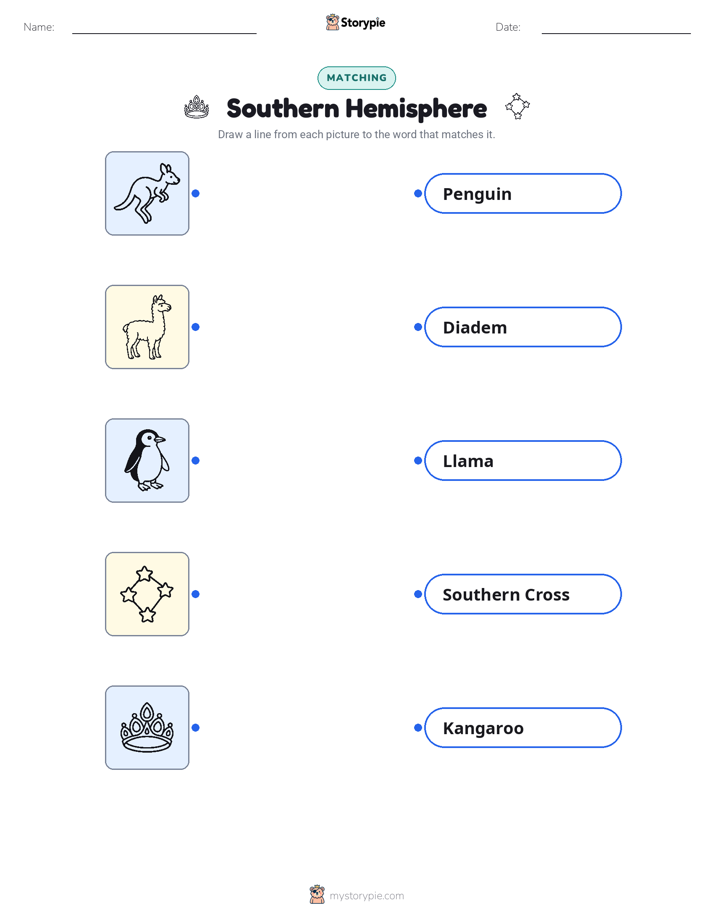
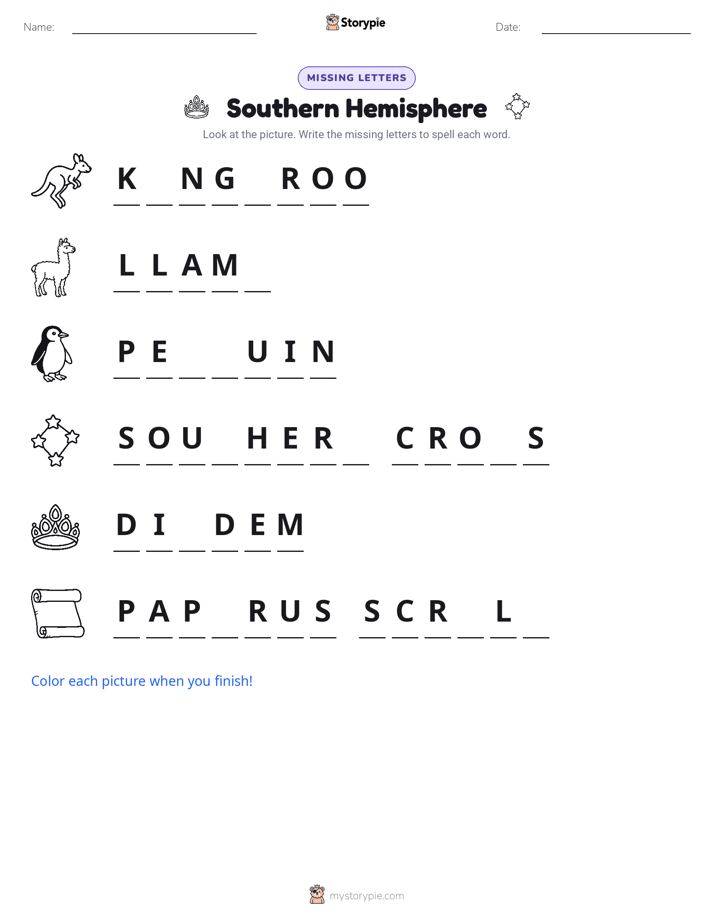
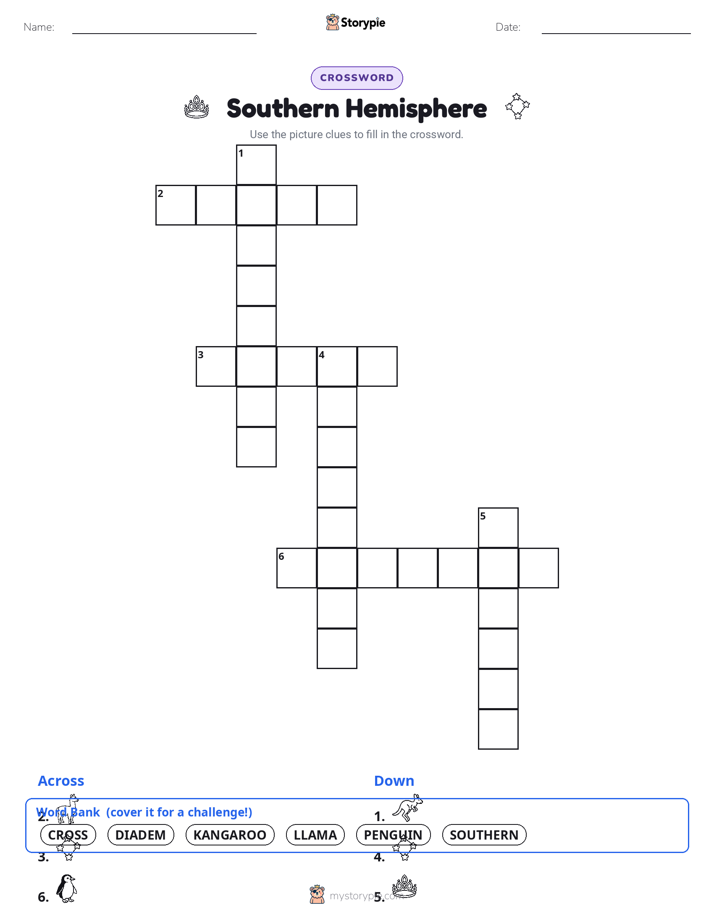
Print & create
Answer keys·No prep·Free with an account
28 worksheets · answer keys · full story · quiz · Ages 6-8 · CEFR A2
Plus adds 208,000+ more stories in 27 languages, audio for every one, and printables for all of them.
Just want Southern Hemisphere?
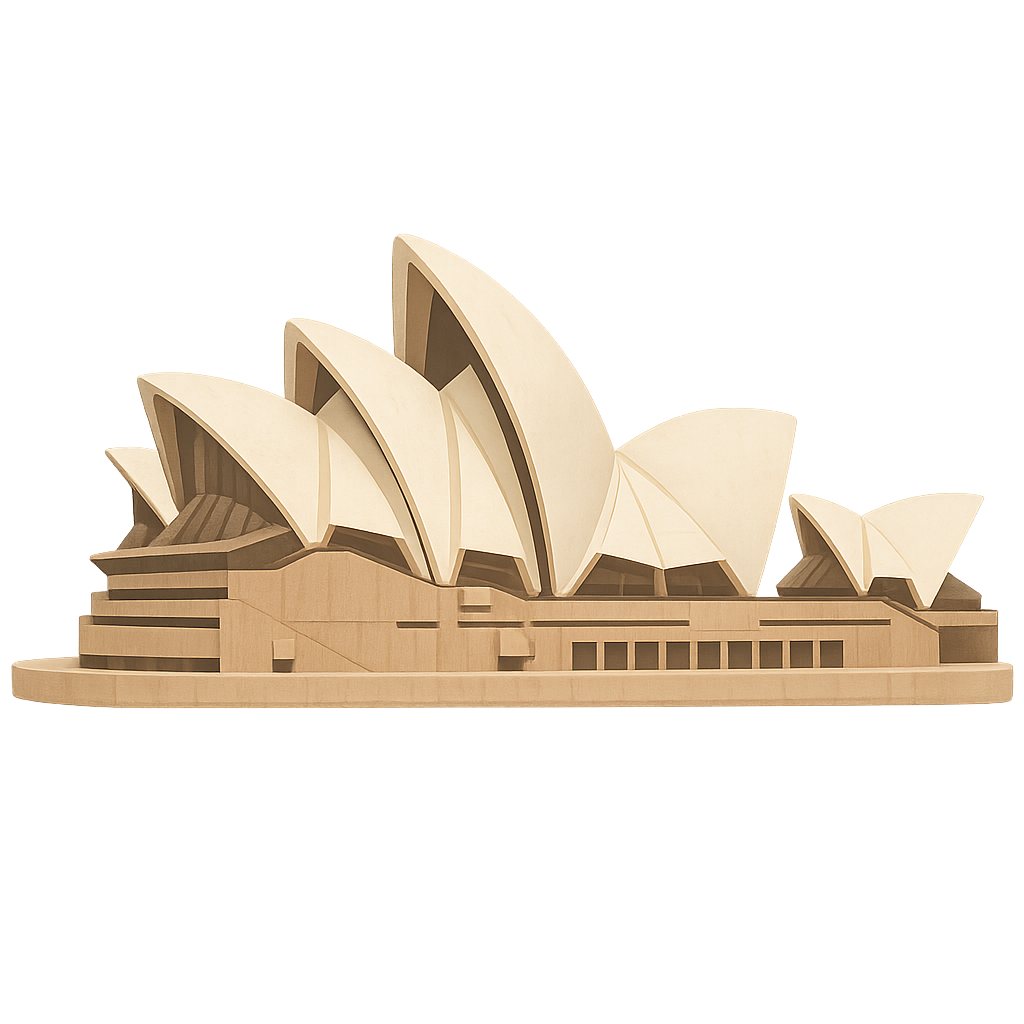
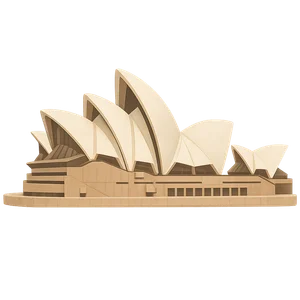
Have you ever wondered what it would be like if Christmas came during the summer? Or if the stars in the sky formed different pictures? Well, that’s what it’s like in my part of the world. When you are putting on your winter coat, my friends are splashing in the cool ocean. At night, a special group of stars called the Southern Cross twinkles above my lands. I am the whole bottom half of the globe, a place of upside-down wonders. I am the Southern Hemisphere.
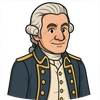
My story is very, very old. Long before big ships sailed my waters, people discovered my lands. About 65,000 years ago, the first people arrived in my country of Australia. They learned to live with my unique animals, like hopping kangaroos and sleepy koalas. For thousands of years, they were the only people here. Then, brave sailors from the other side of the world decided to explore. On September 20th, 1519, a man named Ferdinand Magellan set off with his ships. He was one of the first from Europe to sail across my giant Pacific Ocean. It was a long and difficult journey. Many years later, another brave sailor named Captain James Cook came to visit. He was determined to sail farther south than anyone had before. On January 17th, 1773, he did something amazing. He became the first explorer to cross the imaginary line into the icy cold of the Antarctic Circle.
At my very bottom, I wear a sparkling crown of ice. This is my continent of Antarctica, the coldest and quietest place on Earth. For a long time, people thought it was impossible to reach my most southern point, the South Pole. But a brave explorer from Norway named Roald Amundsen was determined to try. He and his team faced icy winds and giant mountains of snow. On December 14th, 1911, they finally made it. They were the very first people to stand at the South Pole. Today, Antarctica is a special place where scientists from all over the world come to work together. They study my ice to learn about our planet’s history.
A Story from the Bottom of the World
Have you ever wondered what it would be like if Christmas came during the summer? Or if the stars in the sky formed different pictures? Well, that’s what it’s like in my part of the world. When you are putting on your winter coat, my friends are splashing in the cool ocean. At night, a special group of stars called the Southern Cross twinkles above my lands. I am the whole bottom half of the globe, a place of upside-down wonders. I am the Southern Hemisphere.
My story is very, very old. Long before big ships sailed my waters, people discovered my lands. About 65,000 years ago, the first people arrived in my country of Australia. They learned to live with my unique animals, like hopping kangaroos and sleepy koalas. For thousands of years, they were the only people here. Then, brave sailors from the other side of the world decided to explore. On September 20th, 1519, a man named Ferdinand Magellan set off with his ships. He was one of the first from Europe to sail across my giant Pacific Ocean. It was a long and difficult journey. Many years later, another brave sailor named Captain James Cook came to visit. He was determined to sail farther south than anyone had before. On January 17th, 1773, he did something amazing. He became the first explorer to cross the imaginary line into the icy cold of the Antarctic Circle.
At my very bottom, I wear a sparkling crown of ice. This is my continent of Antarctica, the coldest and quietest place on Earth. For a long time, people thought it was impossible to reach my most southern point, the South Pole. But a brave explorer from Norway named Roald Amundsen was determined to try. He and his team faced icy winds and giant mountains of snow. On December 14th, 1911, they finally made it. They were the very first people to stand at the South Pole. Today, Antarctica is a special place where scientists from all over the world come to work together. They study my ice to learn about our planet’s history.
From the warm rainforests of South America to the sunny plains of Africa and the sandy beaches of Australia, I am home to so many different people, animals, and places. I may have upside-down seasons and different stars, but I am an important part of our world. I am a reminder that no matter which half of the Earth you live on, we are all connected by the same blue oceans and the same big sky. We all share one beautiful home.
Wow facts
About
The half of the Earth that is south of the Equator, known for its unique seasons, constellations, and continents like Australia, Antarctica, and most of South America.
Take a Quiz
Question 1 of 4
Who was the first person to reach the South Pole?
Explore next
Want to do even more?
Go beyond exploring. Unlock tools that turn every story into real learning.

Storypie Plus for families
Full stories, quizzes, and printables. Nights and car rides, sorted.
- Unlimited audio stories
- Create Mode: your child stars in the story
- Offline downloads
- Printable worksheets & coloring pages

Why Storypie for Schools
Students engaged. Prep in seconds. Evenings back to you.
- Worksheets & Quizzes
- Classroom Management
- Formative Assessment
- Custom Curriculum & Lesson Plans
- 27 Languages

Why Storypie for Homeschool
Curriculum done. They'll ask for more. Hours back in your day.
- Worksheet Generator
- First-Person Audio Stories
- Built-in Comprehension Quizzes
- Custom Curriculum & Lesson Plans
- Print & Go Activities